
1. Neon Signs in Bedrooms
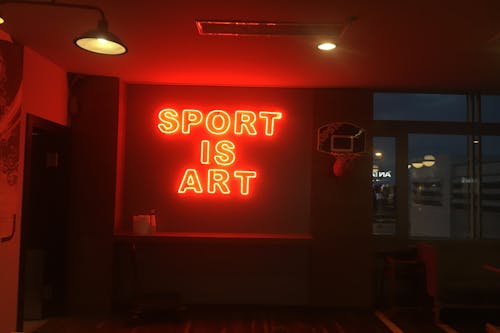
Neon signs might add a punch of cool energy to a social media post, but they don’t contribute much to restful sleep. That glow may be Insta-worthy, but it’s harsh on the eyes and can mess with your body’s melatonin production. Over time, the novelty wears off and what once felt fun starts to feel out of place. Plus, they’re not exactly timeless or adaptable as your style evolves.
They also often scream “dorm room” or “pop-up bar” more than “cozy sanctuary.” They don’t blend easily with grown-up décor like natural materials or classic textures. When the trend fades, you’re left with wall damage or a clunky light you don’t love anymore. Mood lighting is great, but maybe not the Vegas kind.
2. Excessive Rattan and Cane Furniture

Natural textures like rattan and cane can be beautiful, but when overdone, they veer into theme territory. It often starts with a chair, then a pendant lamp, then a bed frame—suddenly your living room looks like a beach rental. These materials are also surprisingly fragile and can break down or fray with frequent use. And unlike wood or metal, they don’t age gracefully.
They’re also sensitive to humidity and temperature changes, which can cause warping. What photographs as breezy and light can feel flimsy and impractical over time. In real life, you need furniture that holds up to kids, pets, and everyday lounging. A few accents go a long way—no need to wicker everything.
3. All-White Everything
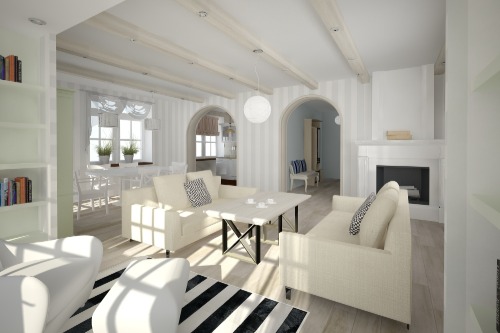
It looks pristine in photos, but an all-white interior is incredibly high-maintenance in real life. White sofas, white rugs, white walls—they all demand constant cleaning and are unforgiving with spills or wear. They also tend to yellow or dull over time, especially in rooms that get a lot of sun exposure. What starts as sleek minimalism can quickly become a dingy eyesore.
Plus, all-white spaces can feel sterile and uninviting in day-to-day living. Without texture or layered neutrals, these rooms often lack warmth and personality. You’ll also find yourself constantly fluffing pillows or straightening things to maintain that “perfect shot” look. It’s a vibe that’s hard to live in comfortably long-term.
4. Open Shelving in Kitchens
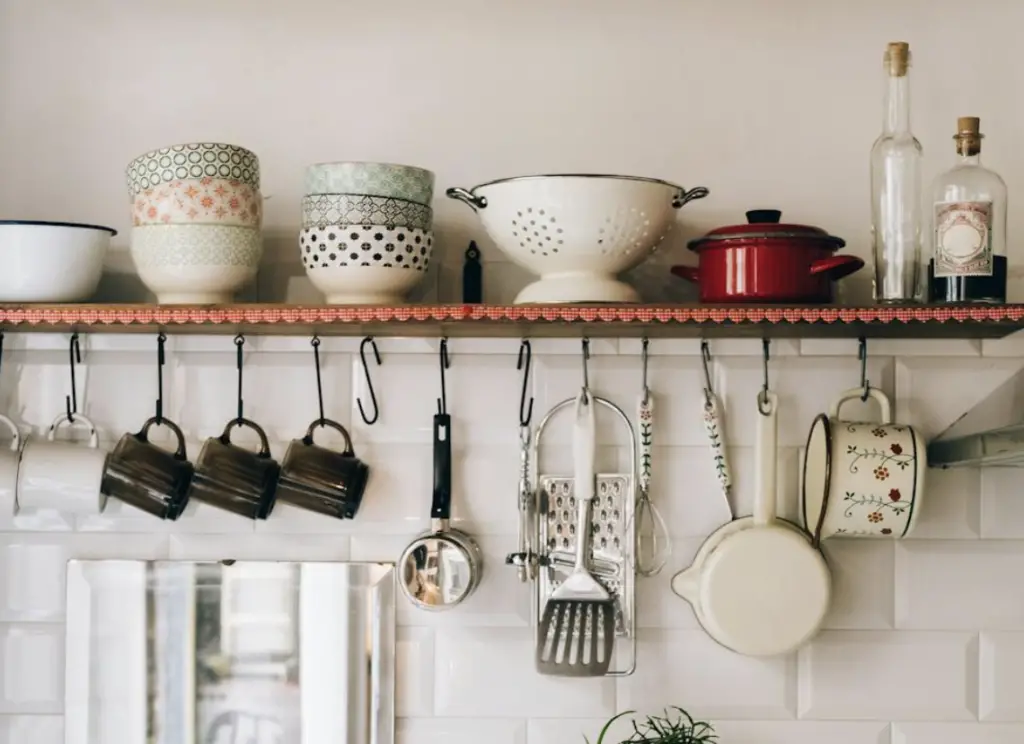
It’s popular on Instagram because it shows off curated dishware and plants—but it’s a dust trap in real life. Open shelving requires everything to be display-worthy 24/7, which isn’t practical for most busy households. Grease, steam, and food particles from cooking build up fast, even if you clean often. Before long, that stack of perfectly color-coordinated bowls isn’t looking so fresh.
Not to mention, most people don’t own only aesthetically pleasing dishes. Mixing in plastic cups, mismatched mugs, or kids’ snackware breaks the illusion. If you’re not constantly editing and cleaning, it can go from chic to cluttered quickly. Cabinets may not be trendy, but they sure are functional.
5. Faux Fur Throws and Rugs

Faux fur adds texture and drama to a photo, but it’s a magnet for dust, hair, and static cling. Most versions mat down quickly and are hard to clean properly without damaging the fibers. They also tend to shed or look limp after just a few washes. What starts as cozy luxe quickly turns into a tangled mess.
In real homes, especially those with pets or kids, these throws end up looking matted or stained. They’re also often made from synthetic fibers that trap heat and aren’t breathable. Once the fluff flattens, it loses its charm—and fast. Choose durable textiles that can handle a little mess without falling apart.
6. Tiny Coffee Tables

Minimal coffee tables look sleek and leave floor space open, but they often don’t do the job. There’s barely enough surface area for drinks, let alone books, remotes, or snacks. When entertaining, they’re more of a visual prop than a functional surface. And if you’ve ever tried putting your feet up on one, you know it’s not ideal.
Instagram might love a sculptural side table posing as a centerpiece, but real life needs room to live. Small tables also get overwhelmed by larger sofas, making a space feel unbalanced. They’re often unstable, too—especially the ultra-trendy ones with rounded or uneven bases. A beautiful living room still needs to work as a living room.
7. Statement Wallpaper on Every Wall

Bold wallpaper can be stunning in photos, especially with trending patterns like palm leaves or Art Deco prints. But covering every wall with it can feel overwhelming fast, particularly in smaller spaces. It’s also a huge commitment—removing wallpaper is time-consuming and expensive. Once the trend fades, you’re stuck with a big job and buyer’s remorse.
In real homes, people crave flexibility. What felt fresh at first can become visually exhausting over time. A better move is using wallpaper as an accent instead of wallpapering your whole personality onto four walls. It keeps things interesting without locking you into one aesthetic.
8. Ultra-Minimalist Spaces
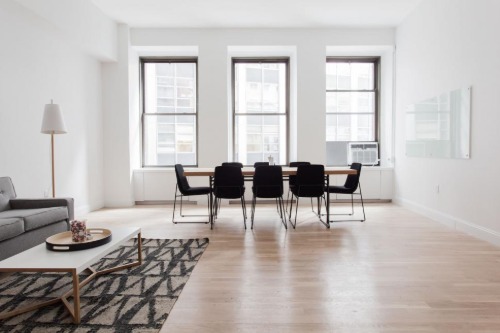
Clean lines and sparse décor photograph beautifully, but they’re hard to sustain in actual day-to-day living. Life comes with mail piles, chargers, backpacks, and grocery bags. Minimalist rooms rarely offer enough hidden storage to keep things looking tidy. The more lived-in your space becomes, the less minimal it realistically stays.
They can also feel cold and impersonal if not done thoughtfully. Without personal touches, color, or texture, these rooms don’t invite relaxation or comfort. It’s not sustainable to live in a space that looks like no one lives there. A bit of clutter can be human—and even stylish.
9. Matching Everything
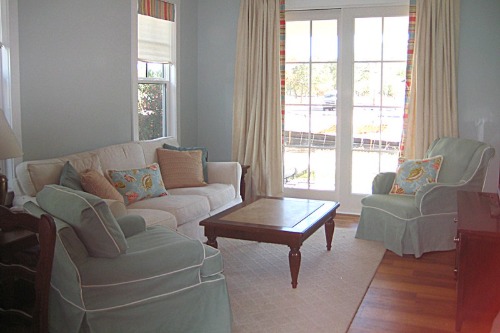
Perfectly matching furniture sets—same wood tone, same fabric, same design—might seem cohesive on screen, but they’re flat and uninspired in person. It removes the sense of personality and history from a room. Real homes tell stories through collected, layered, and mismatched pieces. When everything matches, nothing stands out.
Matching also makes it harder to adapt over time. If one piece breaks or goes out of style, the whole room feels off. Mixed styles create depth and longevity, giving your space more room to evolve. Matching may be easy, but it’s rarely memorable.
10. Leaning Art Instead of Hanging It
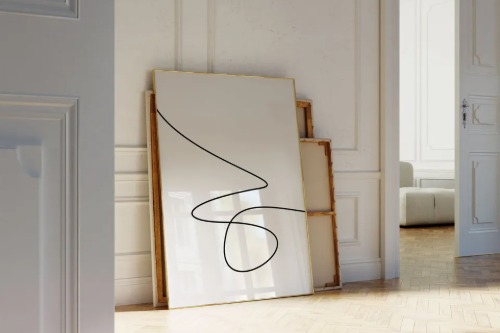
Leaning framed art against walls or on shelves is a casual, Pinterest-worthy look—but it’s not very practical. It shifts easily, collects dust behind it, and can get knocked over by kids, pets, or vacuuming. Unless it’s securely propped in a low-traffic zone, it often ends up looking messy instead of curated. Worse, it limits usable surface space on consoles or dressers.
There’s also a fine line between “effortless” and “unfinished.” Over time, all those leaning pieces just make your space feel like you never fully moved in. Hanging your art properly not only protects it but also gives a room structure and intention. Style should work with your lifestyle—not against it.
This post 10 Instagrammable Interior Trends That Don’t Age Well in Real Homes was first published on Greenhouse Black.
