
1. Add Crown Molding
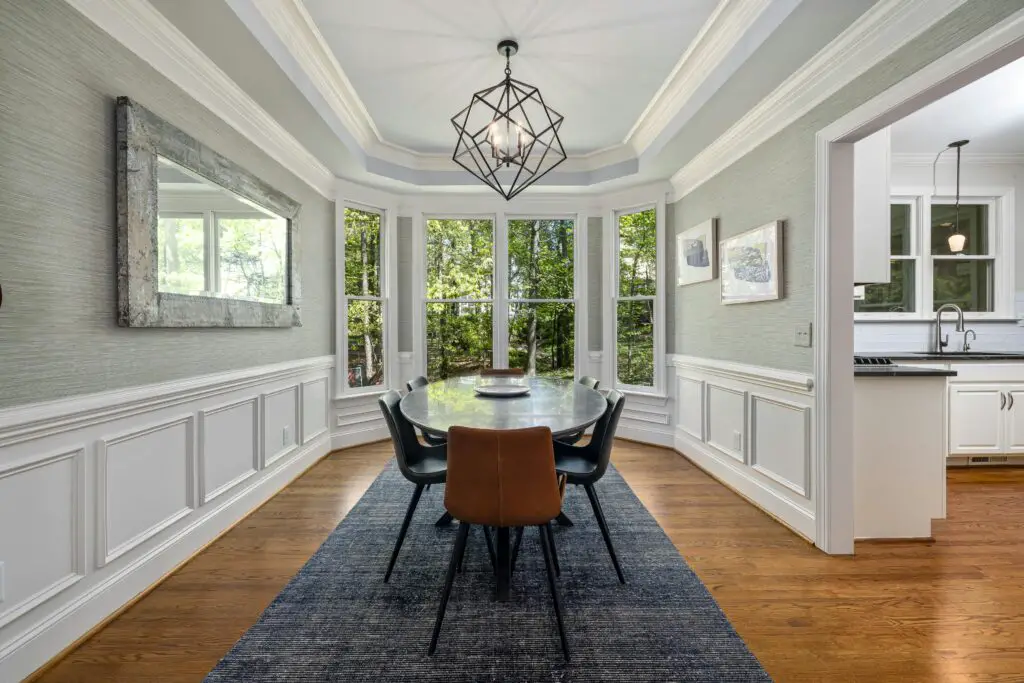
Crown molding may seem like a small detail, but it has a big visual impact. HomeLight notes that this upgrade adds architectural interest and creates a more finished, upscale appearance in any room—even if the walls and ceiling are simple. Classic white is a go-to for a clean, timeless look, but don’t be afraid to try colored molding that matches or contrasts your wall paint for something modern and bold.
It works especially well in dining rooms, living rooms, or entryways where you want to create a sense of refinement. Even inexpensive homes feel more custom when this detail is added thoughtfully. You can install it yourself with some patience, or hire a handyman for a relatively low cost. Either way, it’s a design win that punches above its weight.
2. Incorporate Large Statement Mirrors
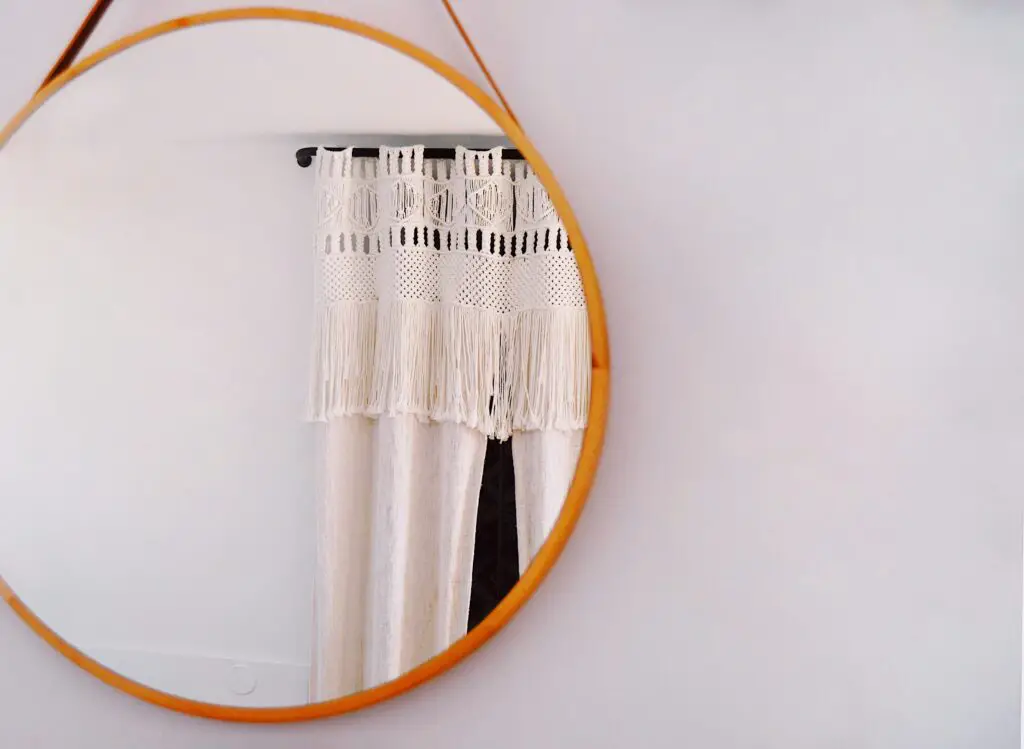
An oversized mirror instantly opens up a room and makes it feel brighter, airier, and more put-together. They reflect natural light beautifully and give the illusion of added square footage, especially in smaller rooms or apartments. You can go glam with a gold ornate frame or keep it sleek with a thin black border—either way, it reads as intentional and elevated, says The Spruce.
Entryways, dining rooms, and bedrooms are ideal places to showcase a statement mirror. You’ll get both style and function in one piece. Hang it across from a window or light source for maximum impact. Bonus: it doubles as last-minute outfit check before you head out the door.
3. Use Matching Hardware
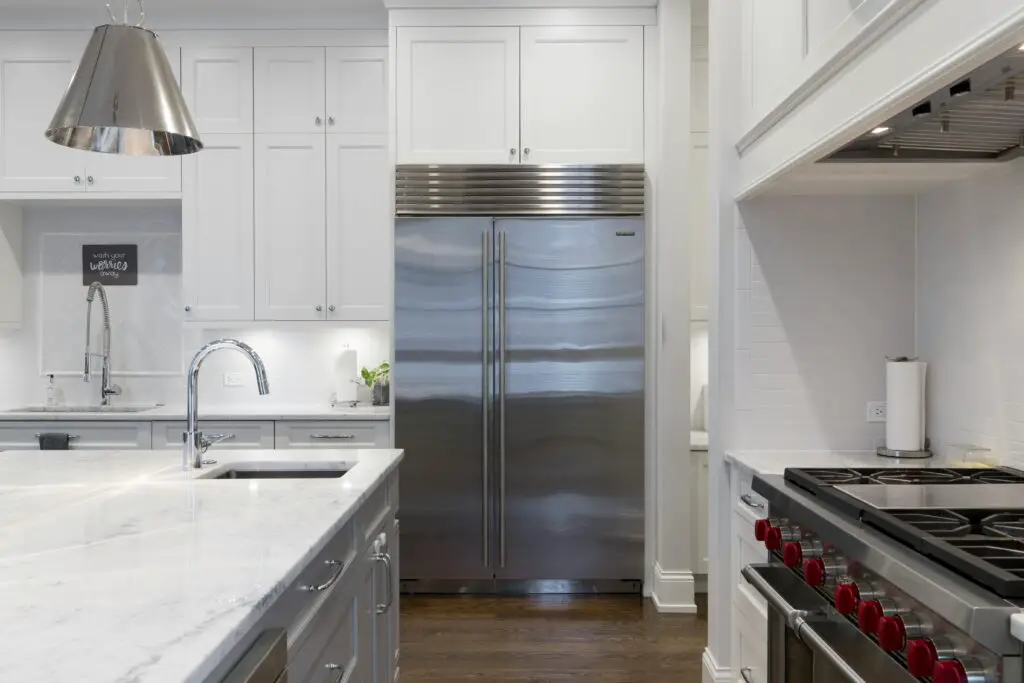
It’s easy to overlook, but mismatched knobs and handles can make your space feel chaotic. Updating cabinet pulls, doorknobs, and faucets to match—or at least complement each other—instantly makes a home feel more high-end and pulled together. Matte black, brass, and brushed nickel are all on-trend and work well in most styles.
You don’t need to splurge on every piece—just be consistent. Focus on one tone throughout high-traffic areas like the kitchen and bathroom. It’s a small swap with a big visual payoff. Think of it as the jewelry of your home: the right hardware finishes the outfit.
4. Incorporate Layers of Lighting
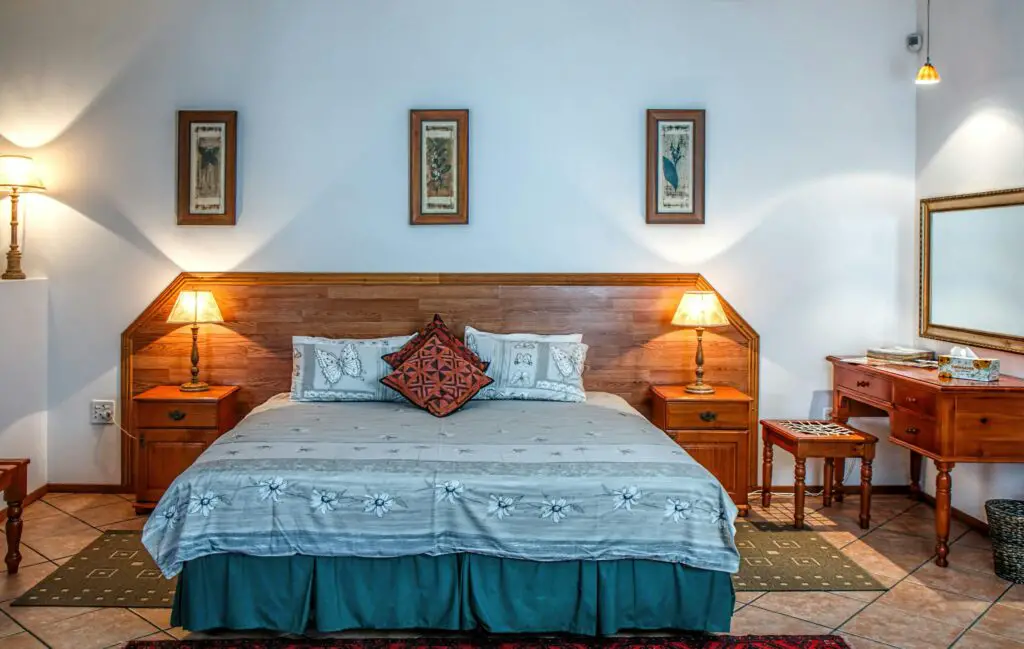
One overhead light isn’t going to cut it if you want a space that feels rich and thoughtfully designed. The key is layering: combine ambient lighting (like ceiling fixtures), task lighting (like desk or reading lamps), and accent lighting (like sconces or picture lights). Dimmers are a great addition, allowing you to shift the mood from functional to cozy in seconds.
This approach adds depth and ambiance, making rooms feel warmer and more dynamic. You don’t have to install anything complicated—just bring in a couple of stylish table lamps or wall-mounted fixtures. Bonus points for mixing materials like glass, brass, or ceramic to add texture. Thoughtful lighting isn’t just practical—it’s transformative.
5. Include Floor-to-Ceiling Curtains
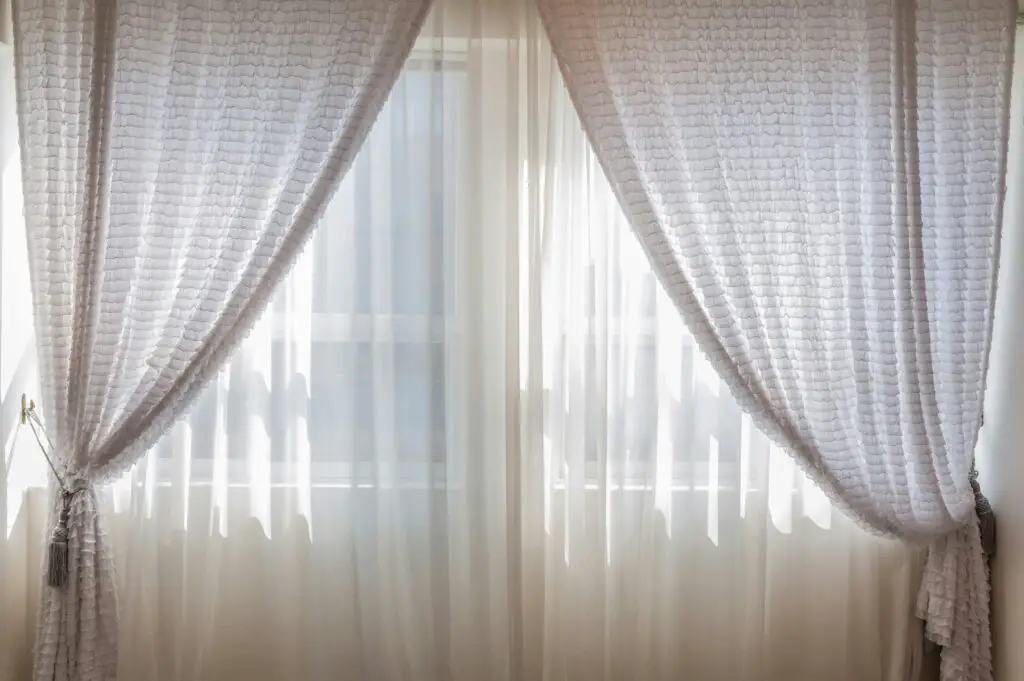
Want to make your ceilings look higher and your windows grander? Hang your curtains all the way from the ceiling (or just below the crown molding) down to the floor. This trick elongates the room and adds a dramatic, elegant feel that’s straight out of a boutique hotel.
Choose fabrics like linen, velvet, or cotton blends in neutral tones for a classic and calming vibe. Avoid overly short curtains—they visually “chop” the wall and cheapen the look. Even basic curtain panels can feel luxurious when they’re styled right. It’s a decorator trick that never fails.
6. Display Fresh Flowers or Greenery
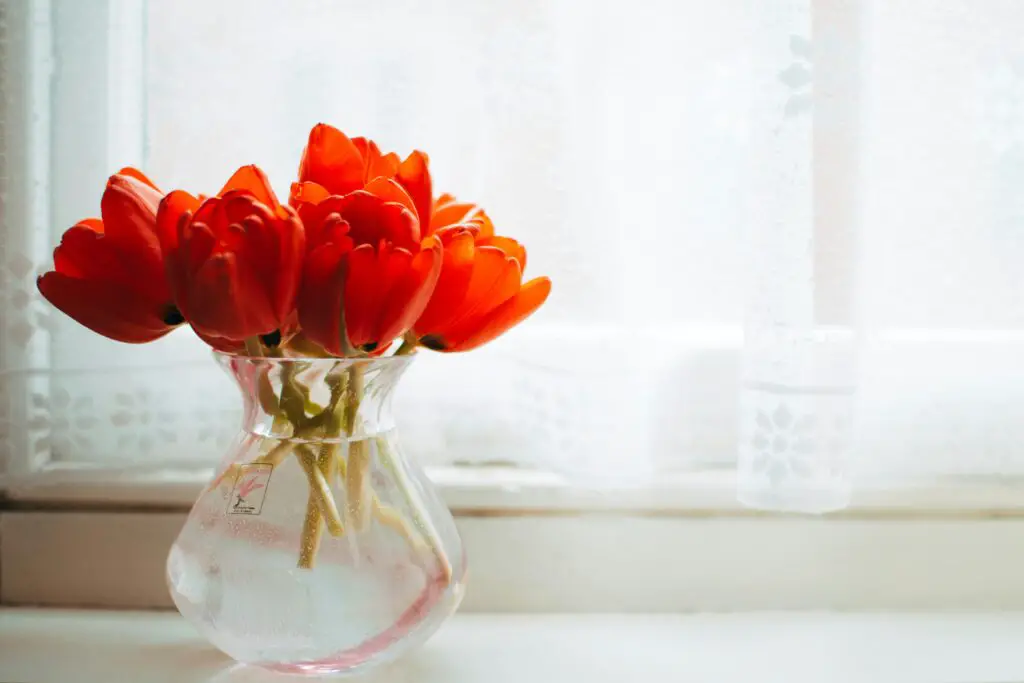
It may sound simple, but bringing fresh elements into your home makes a huge difference. A bouquet of fresh flowers on the kitchen island or a potted plant on the coffee table adds instant life and charm. Orchids, eucalyptus, monstera, and fiddle leaf figs are favorites for their chic, clean look.
Even if you don’t have a green thumb, faux plants have come a long way—they can still give your space that same elevated effect. Greenery softens harsh corners, fills awkward gaps, and introduces natural texture. Just make sure your arrangements aren’t too sparse or overly busy. Aim for balance and keep it intentional.
7. Use a Monochromatic Color Palette
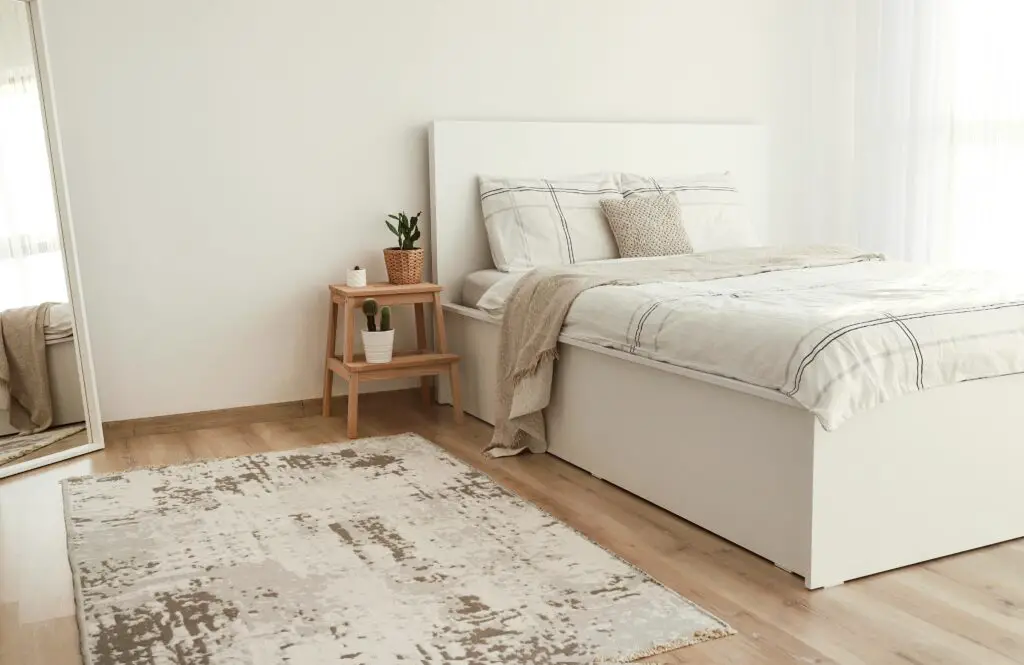
Using a single color family throughout your space creates a feeling of flow and understated elegance. Whites, beiges, grays, and muted tones are perfect for this look, especially when layered with different textures like knits, woods, or metals. It’s soothing to the eye and gives the impression of curated, intentional design.
This doesn’t mean your home has to be boring—on the contrary, subtle variations in tone and finish add richness. Think cream walls, oatmeal furniture, and soft gray accents. It’s a timeless approach that instantly feels more luxurious. Plus, it makes styling a whole lot easier.
8. Invest in High-Quality Rugs
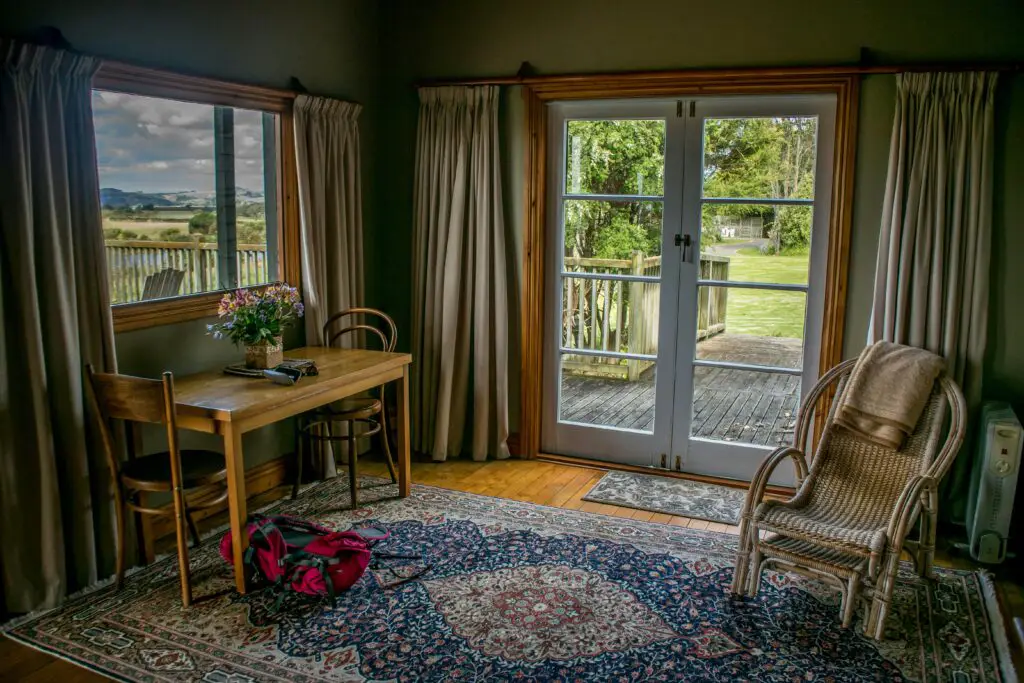
A great rug doesn’t just warm up a room—it helps define it. Whether in the living room, bedroom, or hallway, rugs anchor your furniture and add both comfort and sophistication. Natural materials like wool, cotton, and jute offer durability and texture, which feels far more luxe than synthetic options.
Scale matters here: rugs that are too small can make a room feel disconnected and unfinished. Ideally, your rug should at least fit under the front legs of your furniture. Patterns and colors can be bold or subtle, depending on your style—but always aim for quality. A well-chosen rug ties everything together.
9. Style Your Bookshelves
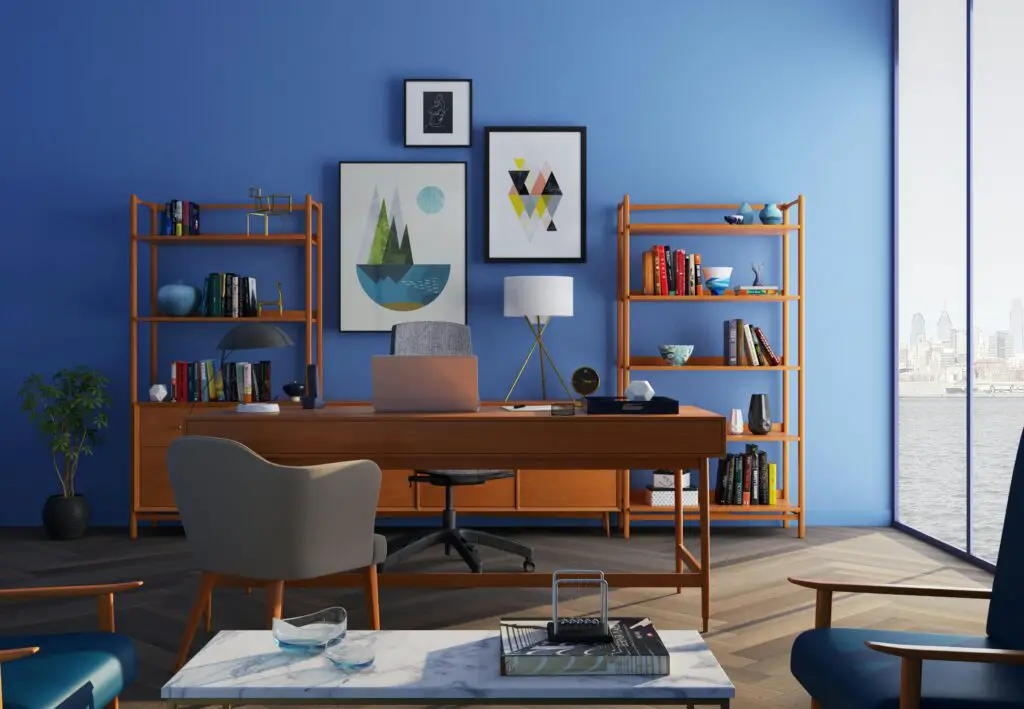
Bookshelves can easily turn into clutter zones, but with a little styling, they become standout design features. Mix books with decorative objects like vases, frames, or small sculptures. Stack some books vertically and some horizontally to create balance and visual interest.
Neutral or matching book covers (or even book sleeves) help create a cohesive color palette. Leave some open space to let the eye rest—it’s not about cramming in as much as possible. Try working in threes or odd numbers for a designer-approved look. Styled shelves give any room a custom feel.
10. Upgrade Light Switch Plates and Outlets
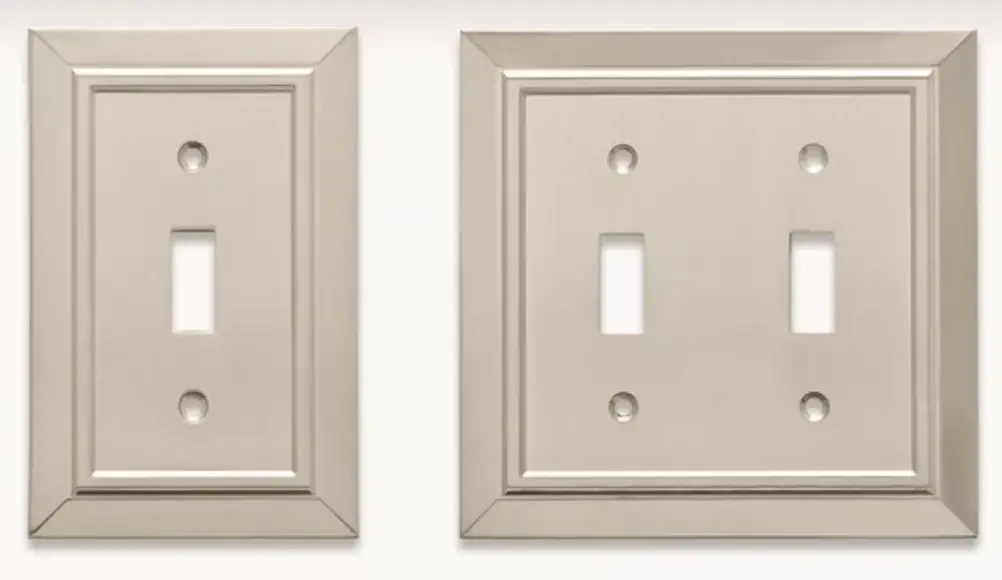
This might be the easiest upgrade on the list—and one of the most overlooked. Standard plastic light switch plates and outlet covers are purely functional, but decorative versions in metal, wood, or ceramic elevate the whole wall. Think brushed brass, oil-rubbed bronze, or even hand-painted finishes.
It’s an affordable DIY project that takes just a few minutes per plate. And once you switch them out, you’ll wonder why you didn’t do it sooner. These little details have a surprisingly big impact. They signal care, customization, and attention to design.
11. Keep Your Space Clutter-Free
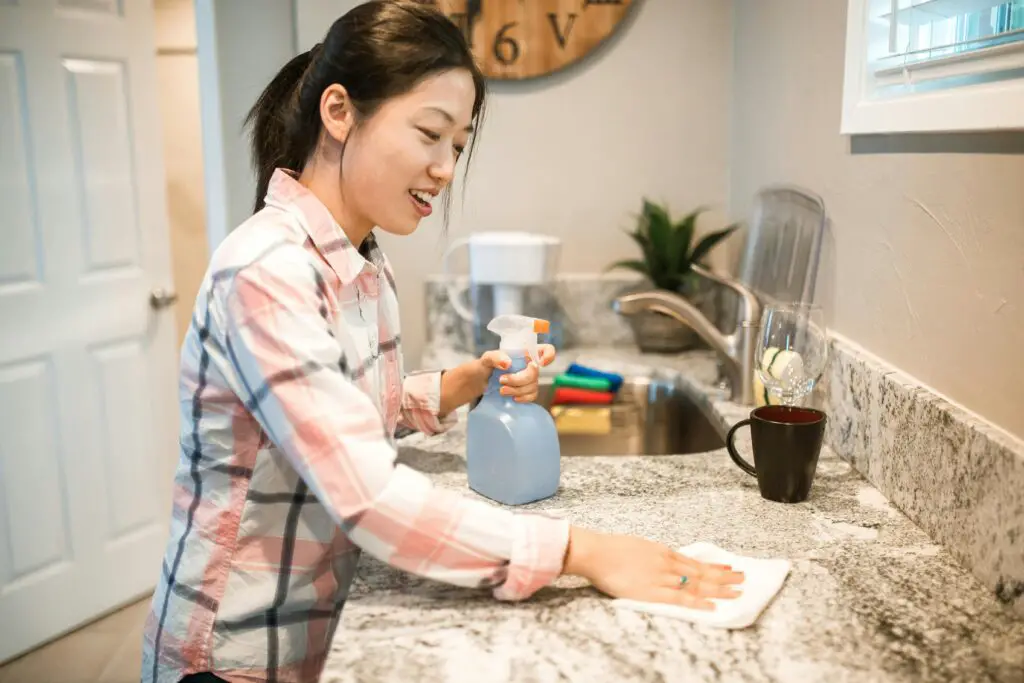
You can have all the fancy decor in the world, but if your space is cluttered, it won’t feel elevated. Clean, open surfaces give a sense of calm and allow your design choices to shine. Store items in baskets, bins, or drawers to maintain a tidy look without sacrificing function.
This doesn’t mean living like a minimalist monk—just be selective. Only display what you truly love or use daily. A clutter-free home feels bigger, brighter, and more welcoming. And it makes all your other upgrades look even better.
12. Include Artwork or Large-Scale Prints
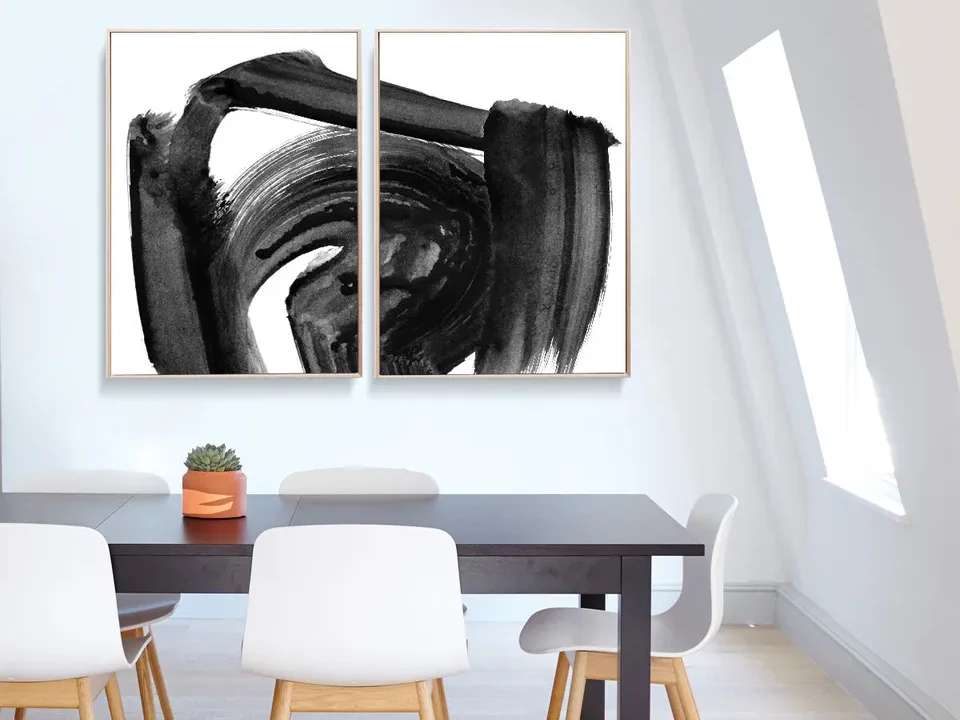
Nothing says “this space is finished” like art on the walls—especially oversized prints or canvas pieces. They serve as visual anchors and give rooms a gallery-like vibe. Go for something that reflects your style but feels timeless, whether it’s abstract, landscape, or black-and-white photography.
Hang artwork at eye level (or slightly lower in seating areas) to keep it cohesive. If you’re decorating on a budget, print high-resolution digital art and frame it yourself. Large art fills space more effectively than a cluster of tiny pieces. The result? A space that feels curated, collected, and complete.
13. Incorporate High-Quality Textiles
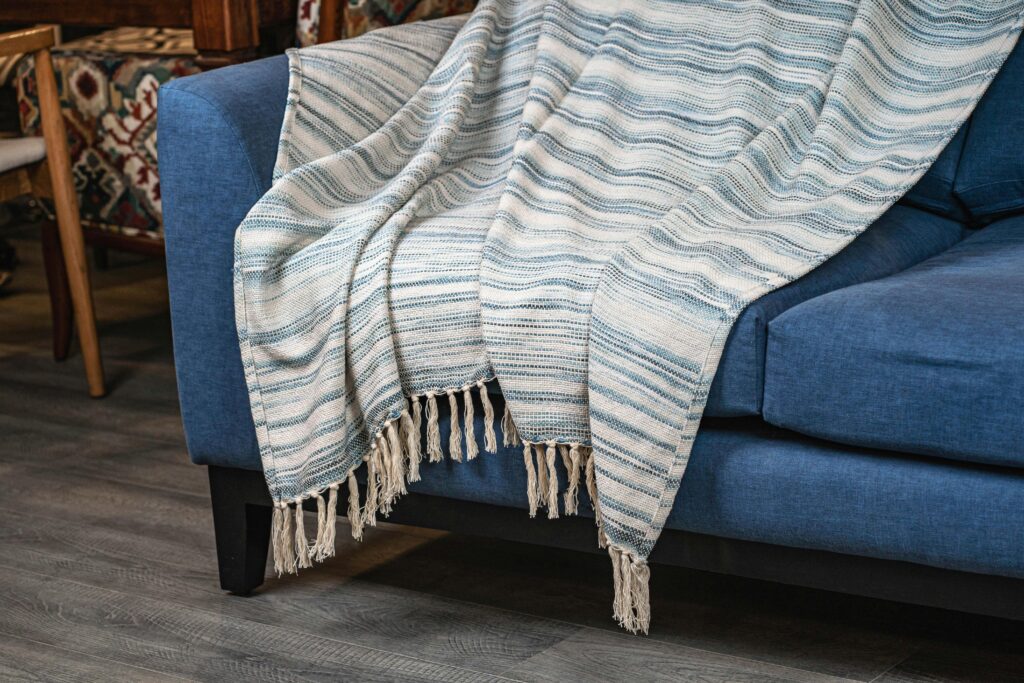
You don’t need custom drapes and silk bedding to make your home feel plush—just think texture. Swap out scratchy throws and flat pillows for options in velvet, linen, or chunky knits. Layering soft, high-quality fabrics makes any space feel rich and welcoming. You’ll see and feel the difference right away.
Look for pillow inserts that hold their shape and throw blankets that feel as good as they look. Even budget-friendly finds can feel luxurious if the material is right. Area rugs, especially layered over hardwood or tile, are another easy win. These small updates turn a basic room into a cozy retreat.
14. Add Metallic Accents
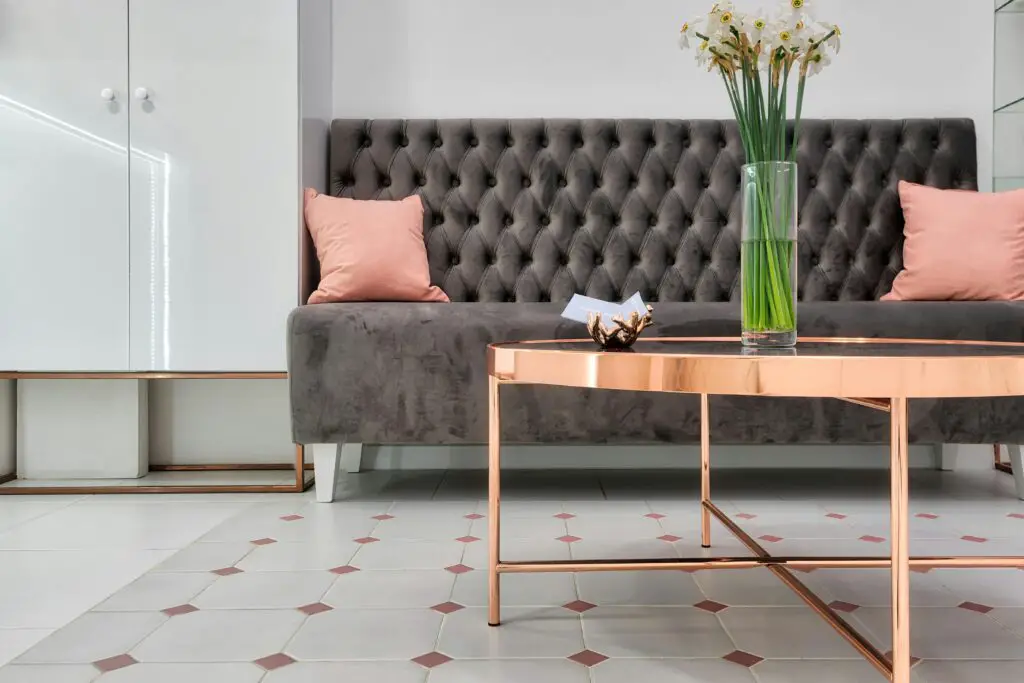
A little gleam goes a long way. Brass, chrome, and gold-toned accessories catch the light and create contrast that elevates neutral spaces. Use them sparingly—just a vase here, a tray there, or a metallic-framed mirror. Too much, and it feels flashy; just enough, and it feels glam.
Mixing metals is okay, too—just keep it intentional. Stick to two finishes max in one room, and try to balance them across the space. Metallics work especially well in small doses on shelves, side tables, or bar carts. It’s the sparkle your room didn’t know it needed.
15. Paint Interior Doors a Rich Color
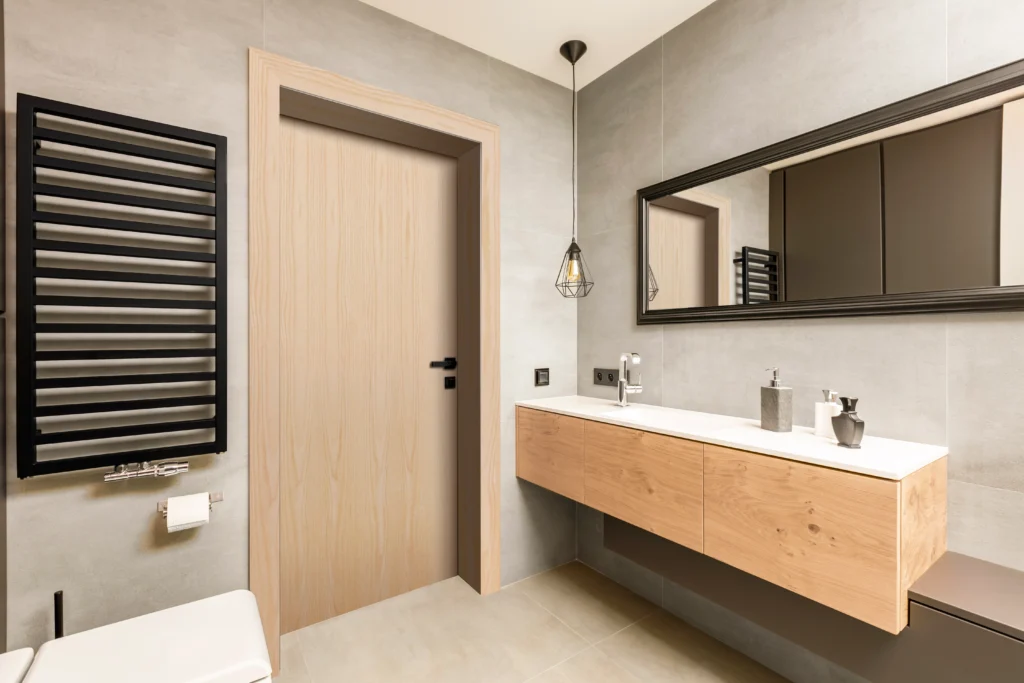
Painting interior doors is a tiny project that reads surprisingly upscale. Choose a deep neutral like charcoal, navy, or warm taupe for instant contrast and polish. A satin or semi-gloss finish adds subtle sheen that feels custom. Swap in matching hinges and a refined knob to complete the upgrade.
Prep by lightly sanding, priming if needed, and taping the trim for crisp lines. Paint both faces and the door edges so it looks finished when open. Pair the darker door with clean white casings for that designer pop. Repeating the color down a hallway ties the whole home together.
16. Swap Out Basic Lampshades
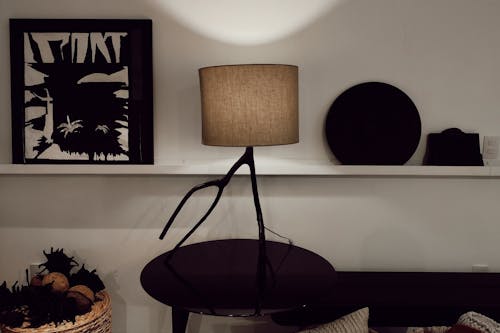
Generic shades can make even a beautiful lamp feel inexpensive. Opt for structured linen drums, tailored tapered shades, or petite pleats for quiet luxury. Make sure the shade hides the hardware and sits just below the top of the harp. The right proportion makes the lamp look intentional rather than improvised.
Keep shades in a cohesive palette like ivory, greige, or soft black for sophistication. Use warm white bulbs to flatter finishes and skin tones. Add a chic finial for a small but noticeable detail. Upgrading only the shade gives you a boutique look without buying a new lamp.
17. Add Coordinating Trays to Surfaces
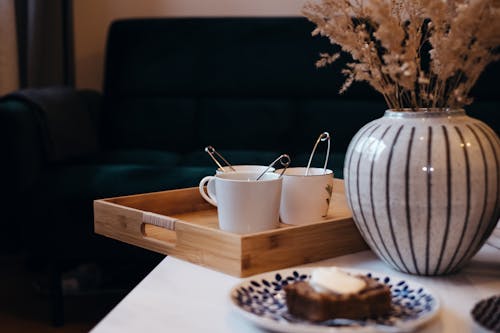
Trays corral small items and instantly make surfaces look styled. Choose materials like marble, lacquer, wood, or rattan to match your room’s vibe. A rectangle or oval usually suits coffee tables and consoles best. The defined boundary makes everyday objects feel like a curated vignette.
Use a tray on the coffee table, entry console, and primary bath vanity. Layer heights with a candle, a small plant, and a book or two. Leave negative space so it reads airy, not cluttered. The bonus is practical: lift the tray and cleaning takes seconds.
18. Decant Kitchen and Bath Staples
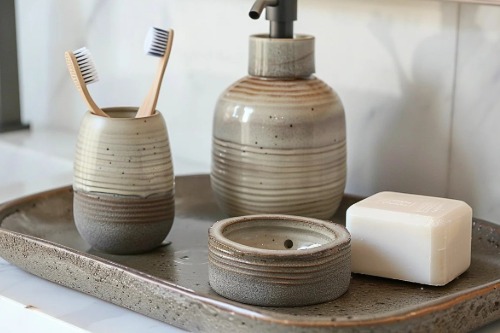
Branded packaging creates visual noise that cheapens a space. Decant dish soap, hand soap, and lotions into matching glass or sturdy refillable bottles. Choose clear or amber with minimal labels for a spa-like effect. Uniform pumps and caps keep the look crisp and consistent.
Corral bottles on a small tray or lazy Susan to look neat and intentional. Refill from bulk to save money while maintaining the elevated feel. Limit the counter set to what you use daily and stash spares. The calm, consistent sightline reads polished and expensive.
19. Upgrade Bedding With Hotel Layers
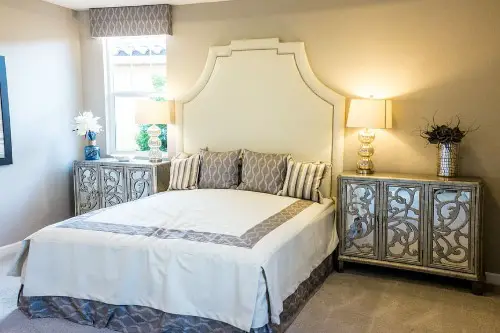
Hotel beds feel luxe because they are layered with intention. Start with crisp percale or silky sateen sheets and matching pillow shams. Size the duvet insert slightly larger than the cover for loft and structure. A quick steam or iron on the top layer makes everything read pristine.
Keep the palette neutral and rely on texture for interest. Add one long lumbar pillow or a neatly folded throw at the foot. Tuck corners tightly for that tailored, boutique look. Matching nightstands and lamps frame the bed so the whole vignette feels elevated.
20. Install an Extra-Long Shower Curtain
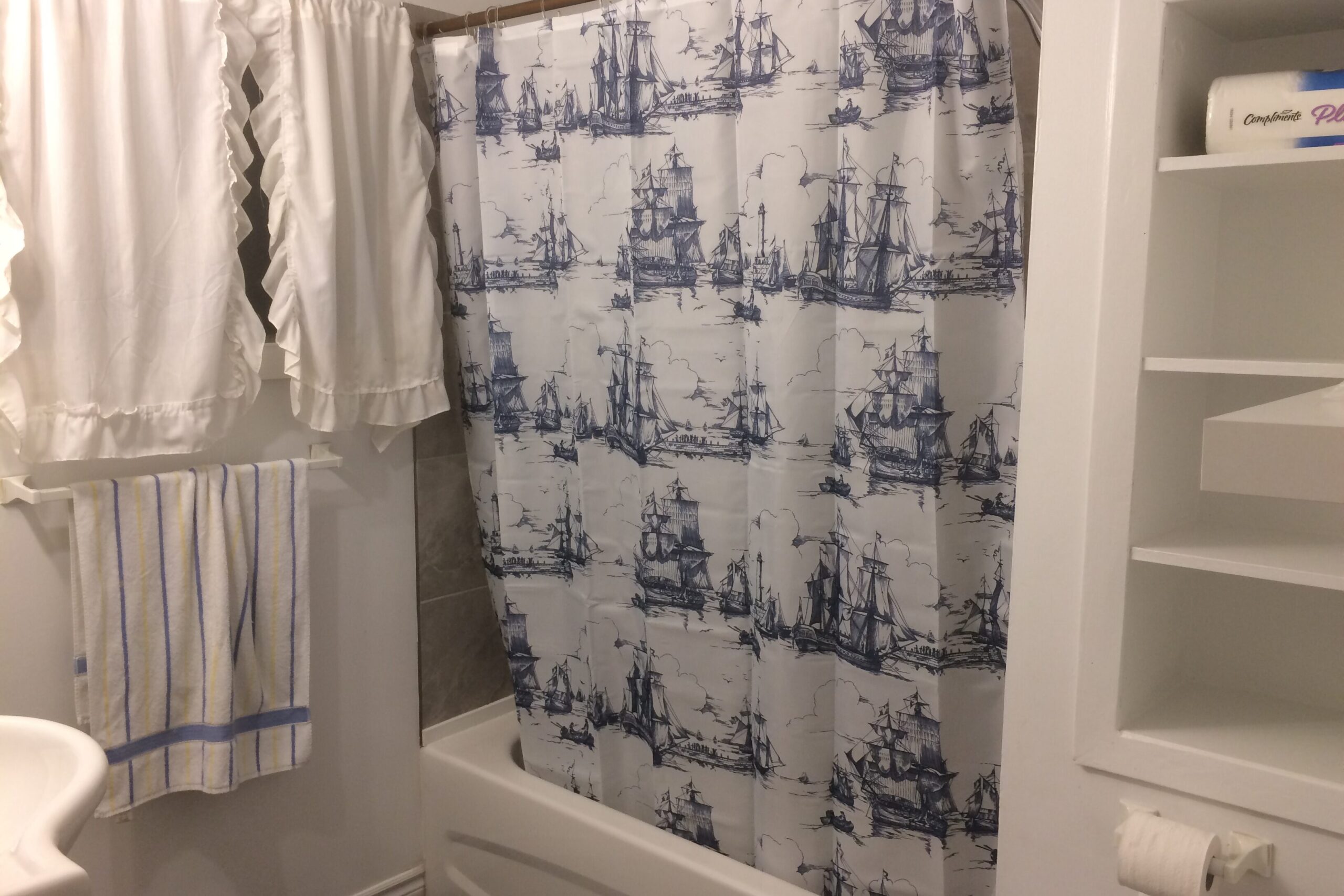
Hanging your shower curtain higher makes the ceiling feel taller and the tub area grander. Choose an extra-long curtain and mount the rod close to the ceiling line. A weighted hem or double-width panel looks tailored, not flimsy. Suddenly, a standard bath feels like a mini hotel suite.
Pick a waffle weave, linen-look, or crisp white fabric for spa vibes. Upgrade to sturdy metal rings and a high-quality liner for longevity. Keep the curtain smooth by steaming out creases after hanging. The result is airy, architectural, and quietly luxurious.
21. Refresh Grout and Caulk Lines

Nothing dates a room faster than dingy grout and cracked caulk. Clean grout thoroughly, then use a grout colorant to restore an even tone. Re-caulk around tubs, sinks, and backsplashes for sharp, tidy edges. These tiny repairs make tile look newer and more expensive.
Tape straight guide lines so the caulk bead is flawless. Smooth with a damp finger or tool and wipe excess immediately. Choose mildew-resistant formulas in white or clear for longevity. Fresh seams make the whole room read crisp and cared for.
22. Hide Cords With Paintable Covers
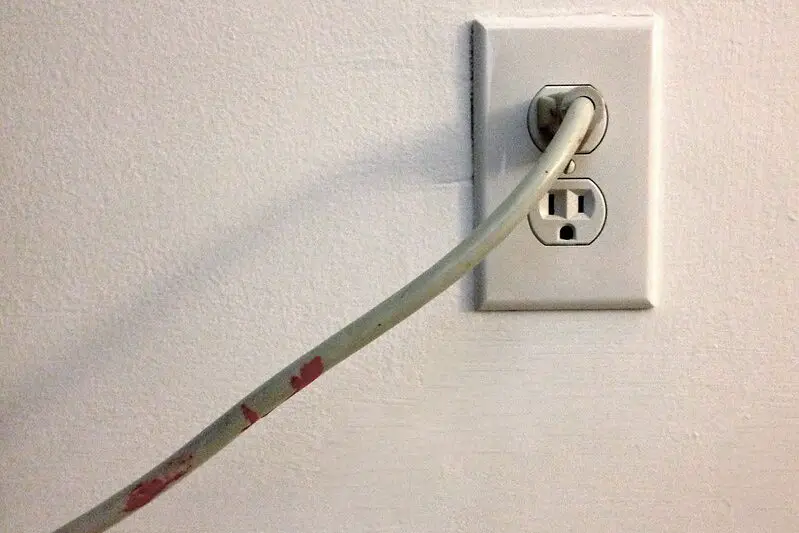
Visible cords pull focus and cheapen otherwise elegant rooms. Use slim cord channels or baseboard raceways to route cables neatly. Choose paintable options so they blend into the wall or trim. Once disguised, your eye goes to the design, not the clutter.
Tidy TV and desk areas with cable sleeves, clips, and under-mount power strips. Label cords so changes are painless later on. Keep only essential devices on display to maintain clean lines. This quick fix delivers an immediate, high-end calm to your spaces.
This post 22 Tiny Upgrades That Secretly Make Your Home Look Expensive was first published on Greenhouse Black.
