
Home design is a reflection of culture, history, and tradition. Around the world, different regions have developed distinctive architectural styles, decorative elements, and functional design choices that make their way into modern interiors. As homeowners and designers seek inspiration from across the globe, these traditions continue to shape contemporary living spaces in meaningful ways. From the warmth of African-inspired textiles to the minimalism of Japanese design, global influences help create spaces that are not only beautiful but also deeply rooted in cultural significance. Here are five home design trends inspired by global cultures and traditions that are making an impact today.
1. Moroccan Bohemian Elegance (Morocco)
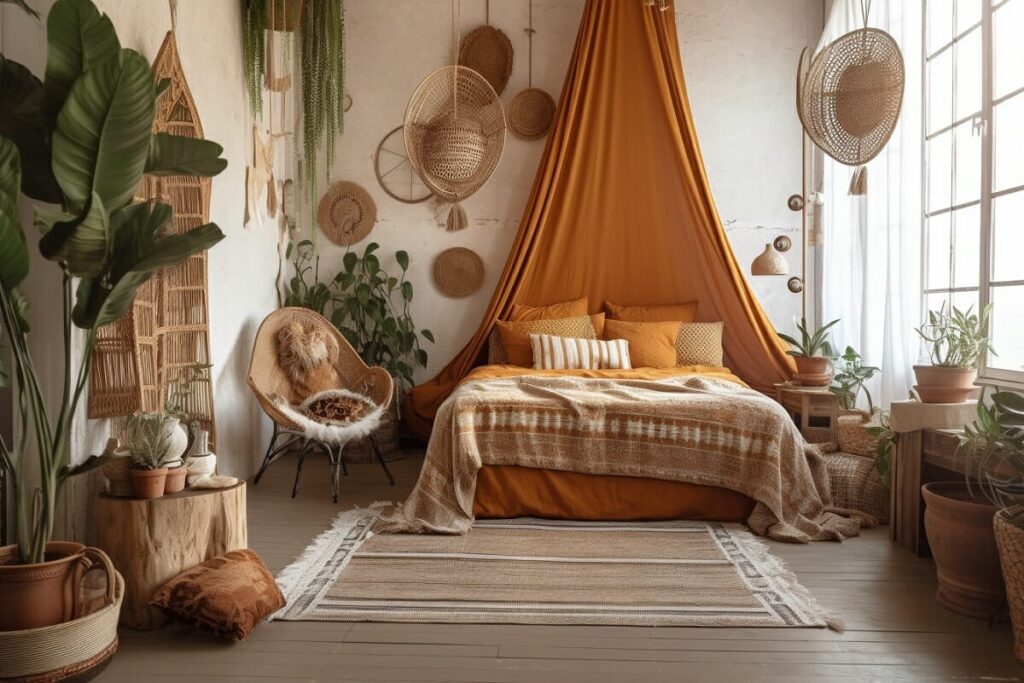
Moroccan-inspired interiors are known for their vibrant colors, intricate patterns, and luxurious textures. Rooted in North African craftsmanship, this design trend incorporates handcrafted elements like mosaic tiles, carved wood, and metal lanterns. Bold hues such as deep blues, rich reds, and golden yellows reflect the diverse landscapes of Morocco, from the Sahara Desert to the Mediterranean coast. Layered textiles, including Berber rugs and embroidered cushions, add warmth and personality to a space.
Arches, ornate doorways, and detailed ceiling carvings bring architectural charm. Moroccan decor often features an eclectic mix of influences, combining Middle Eastern, African, and European styles. Statement lighting, like hanging lanterns with intricate metalwork, adds an enchanting glow to rooms. Low, cushioned seating areas create a relaxed and inviting atmosphere perfect for social gatherings. The fusion of opulence and earthiness in Moroccan design makes it a timeless source of inspiration for modern interiors.
2. Wabi-Sabi Minimalism (Japan)
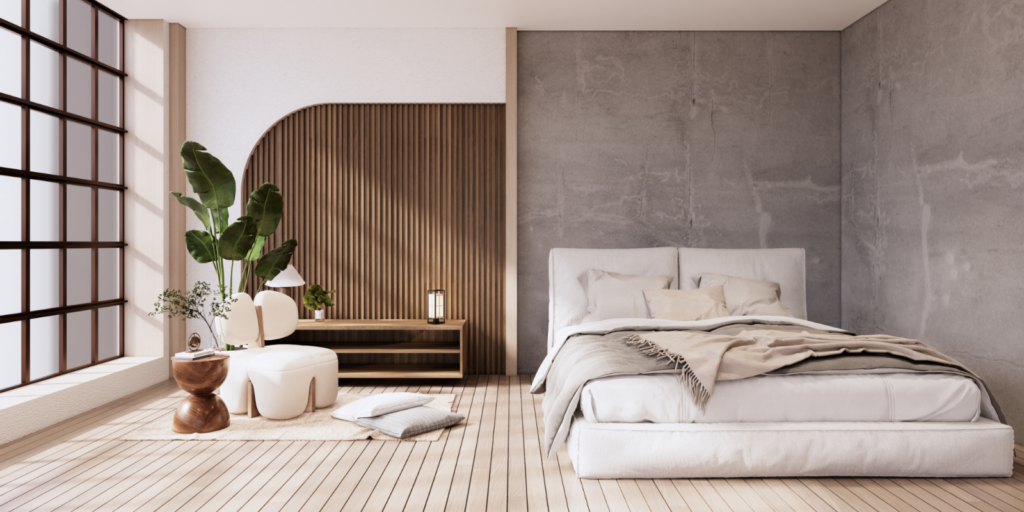
Wabi-sabi is a Japanese design philosophy that embraces imperfection, simplicity, and natural beauty. Rooted in Zen Buddhism, this aesthetic finds beauty in the incomplete, the aged, and the weathered. Homes inspired by wabi-sabi often feature raw materials like unfinished wood, textured stone, and hand-thrown ceramics. Instead of striving for flawless symmetry, this style highlights organic shapes, uneven surfaces, and the passage of time. Neutral and earthy tones dominate wabi-sabi interiors, creating a calming and harmonious atmosphere.
Soft, diffused lighting and uncluttered spaces contribute to a feeling of serenity. Handmade, artisanal pieces replace mass-produced decor, emphasizing authenticity. Furniture is often low to the ground, encouraging a sense of closeness to nature. In an era of fast-paced consumerism, wabi-sabi offers a refreshing approach to home design that prioritizes mindfulness and appreciation for the imperfect.
3. Scandinavian Hygge Comfort (Denmark & Norway)
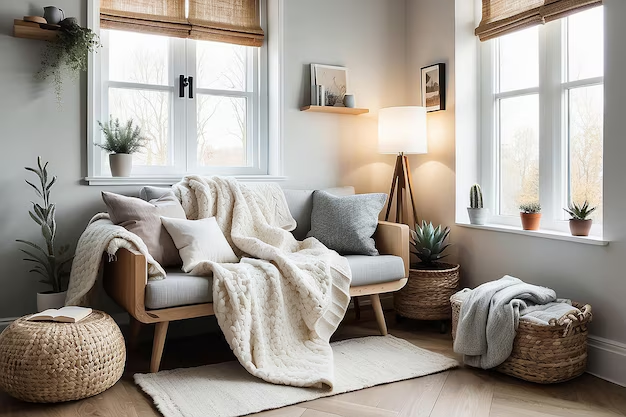
The Scandinavian concept of hygge (pronounced hoo-gah) focuses on creating a cozy, comfortable, and inviting home environment. Rooted in Danish and Norwegian traditions, this design philosophy prioritizes warmth, simplicity, and well-being. Soft textiles such as chunky knit blankets, faux fur throws, and linen cushions contribute to a sense of coziness. Natural light is maximized through large windows and sheer curtains, making spaces feel open and airy.
A neutral color palette, dominated by whites, beiges, and soft greys, enhances a calming atmosphere. Wooden elements, from light oak floors to handcrafted furniture, add warmth and texture. Candles, fireplaces, and ambient lighting create a soothing environment during colder months. Hygge design also emphasizes mindful living, encouraging homeowners to declutter and focus on meaningful, high-quality items. In a world that often feels overwhelming, Scandinavian hygge interiors provide a comforting retreat that celebrates simplicity and joy.
4. African Tribal Textiles & Patterns (Various African Cultures)
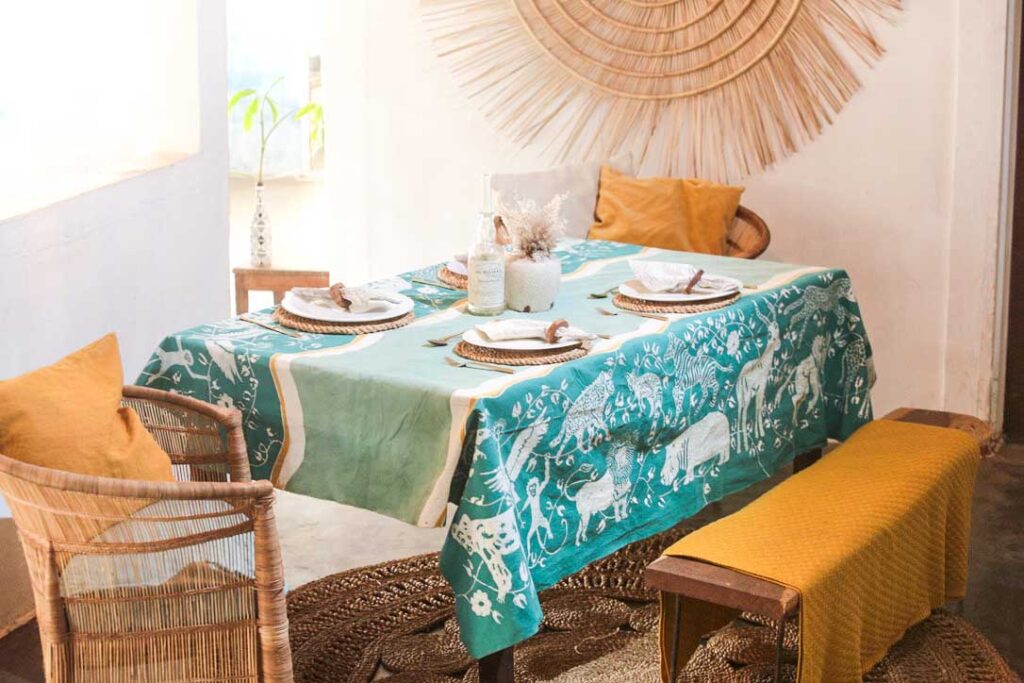
African-inspired home design celebrates rich cultural heritage through bold patterns, handwoven textiles, and earthy materials. Many African cultures have a long history of textile craftsmanship, from the vibrant kente cloth of Ghana to the indigo-dyed fabrics of Mali. These striking patterns often tell stories, symbolize heritage, and reflect deep-rooted traditions. Earthy tones like terracotta, deep browns, and warm golds dominate African-inspired interiors, bringing a grounded and organic feel to a space.
Hand-carved wooden furniture, woven baskets, and ceramic pottery add layers of texture and authenticity. Animal prints and geometric motifs appear in rugs, upholstery, and wall art, lending a bold yet sophisticated aesthetic. Open, airy layouts inspired by African architecture create a seamless connection between indoor and outdoor living. Sustainability is also a key component, with many designers sourcing ethically made, handcrafted decor pieces. This trend brings a sense of history, artistry, and cultural pride into modern homes.
5. Spanish Colonial Warmth (Spain & Latin America)
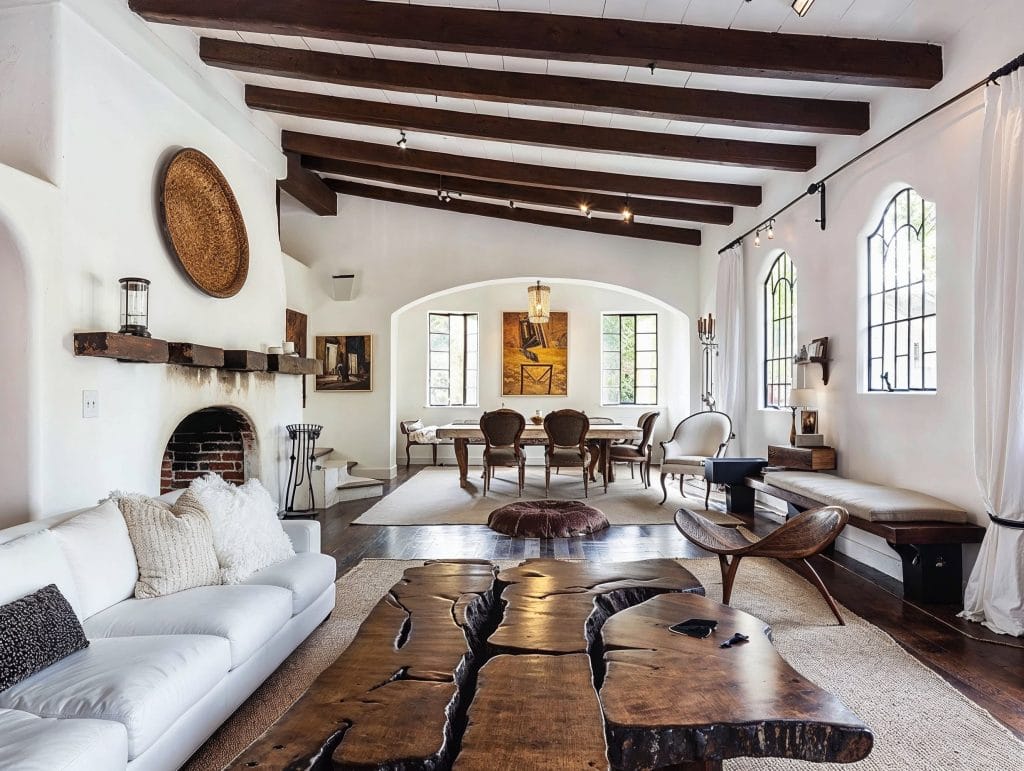
Spanish Colonial design is deeply rooted in the architectural traditions of Spain and Latin America, blending old-world charm with rustic elegance. This style features stucco walls, exposed wooden beams, and terracotta tiles that exude warmth and character. Arched doorways and wrought-iron details contribute to the timeless beauty of Spanish-inspired interiors. Rich, earthy color palettes—burnt oranges, deep reds, and mustard yellows—create a welcoming and cozy atmosphere. Intricately patterned Talavera tiles, often found in kitchens and bathrooms, add a decorative touch.
Courtyards and patios play a significant role in Spanish Colonial homes, emphasizing indoor-outdoor living. Heavy, dark wooden furniture contrasts beautifully with the light, textured walls, creating a balance of rustic and refined elements. Hand-painted ceramics, woven textiles, and handcrafted decor bring authenticity to the space. Whether in a city apartment or a countryside villa, Spanish Colonial design continues to inspire homes with its timeless elegance and cultural richness.
