
A lot of brands that have been around for decades are starting to show some cracks. From tech companies to fast food chains, it seems like even the most iconic American brands are having a hard time keeping up with the times in 2025. Here’s why some of your favorite old-school companies are slipping—and it’s not just about their products anymore.
McDonald’s: The Fast-Food Giant Is Losing Ground
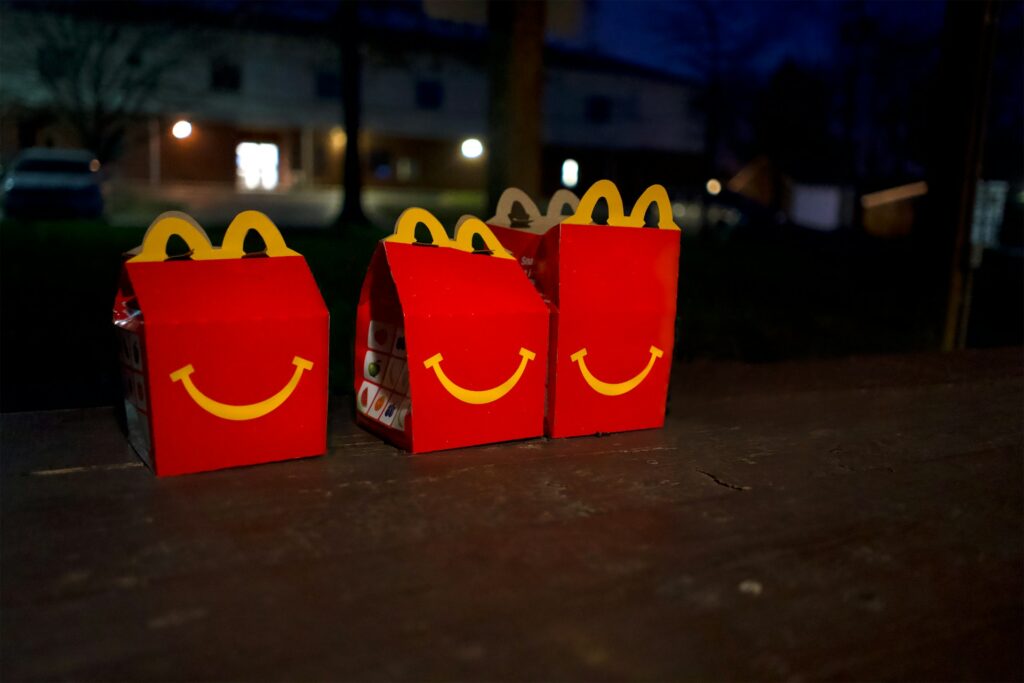
McDonald’s has been the fast food staple for as long as most of us can remember, but it’s starting to fall behind. As people become more health-conscious and demand higher-quality food, McDonald’s can’t quite keep up. Sure, they’ve added healthier menu items, but places like Chipotle and Shake Shack have raised the bar when it comes to fresh ingredients and customization, and McDonald’s is struggling to compete.
On top of that, McDonald’s marketing feels outdated, and younger customers just aren’t vibing with the brand the way older generations did. Business Insider pointed out that McDonald’s is having trouble engaging with the new generation of consumers who want more than just a quick meal—they want something they can feel good about supporting. They’re trying to stay relevant, but so far, it’s not really working.
Coca-Cola: Losing Its Fizz in a Healthier World
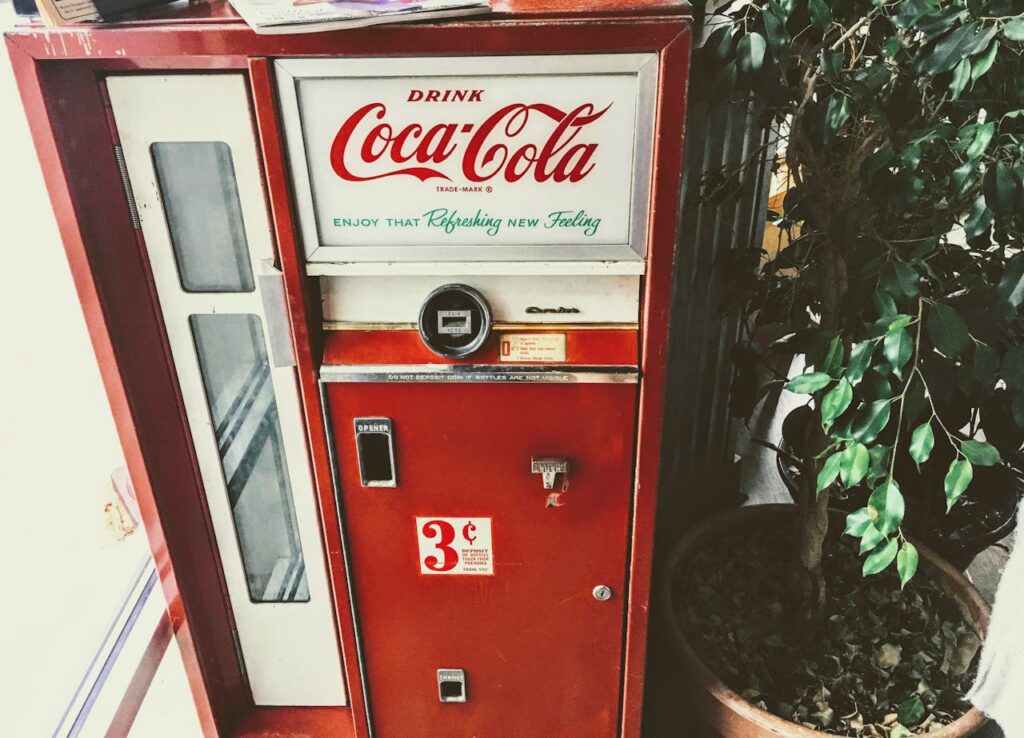
Coca-Cola has always been the drink, but now it’s feeling the effects of the shift toward healthier options. People are ditching sugary sodas for sparkling water, plant-based drinks, and natural juices. Even though Coke has tried to stay in the game with new zero-sugar varieties, it’s just not enough to pull people back in. The global health movement is real, and Coke is struggling to adapt.
Not only that, but the cost of ingredients like sugar and aluminum cans is skyrocketing, making it harder for Coca-Cola to keep prices down. The Independent reports that Coca-Cola is still trying to shift toward healthier products, but it’s not enough to compete with the broader beverage market that’s moving away from soda. Coke might always be iconic, but it’s definitely facing some serious challenges right now.
Gap: Trying to Stay Fashion-Forward but Falling Behind
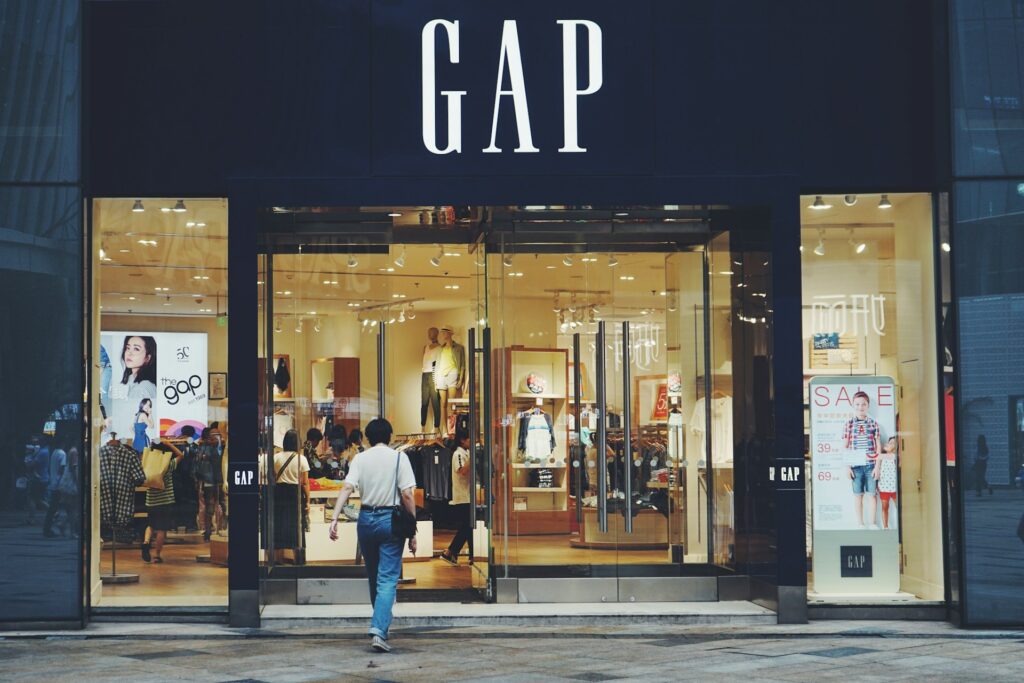
If you grew up shopping at Gap, you’ve probably noticed it’s just not the same anymore. The brand’s once-classic, all-American style is struggling to keep up with the fast-paced world of fashion. Fast fashion brands like Zara and H&M have snatched up the attention of the younger generation, and let’s be honest—Gap’s clothes are starting to feel a little basic by comparison.
Plus, Gap’s not adapting fast enough to changing trends. They’ve tried a few rebrands and celebrity collaborations, but it just hasn’t had the same impact. Business Insider pointed out that despite closing some stores and focusing on their online sales, Gap still isn’t finding the sweet spot to win over younger shoppers who are more into variety and trendiness. It’s a tough spot for a brand that used to be the place for affordable, stylish basics.
Kraft Heinz: Struggling to Stay Relevant in the Age of Fresh

Kraft Heinz has long been a go-to for comfort food staples—think mac and cheese, ketchup, and frozen dinners. But now, with so many people looking for healthier, fresher alternatives, Kraft Heinz is finding it harder to hold onto the market. The days of processed foods being the default choice are over for many consumers, and brands like Kraft Heinz just can’t seem to catch up with the demand for organic or whole-food-based options.
Reuters mentioned that despite launching some new products aimed at a cleaner lifestyle, the brand still can’t shake the perception that it’s stuck in the past. The company is grappling with declining sales as shoppers flock to fresher, more organic options. So, if you’re still relying on Kraft for a quick meal, you might want to start looking for alternatives before it becomes even harder to find.
Yahoo: From Internet Giant to Forgotten Memory
Yahoo was once the search engine and internet portal for everyone—before Google came along and changed the game. Yahoo has tried to reinvent itself a few times, but it’s still struggling to keep up. Even though the company is still around, it’s become mostly irrelevant in the world of modern tech.
While Yahoo continues to provide email services and some news, it can’t compete with the likes of Google and Facebook in terms of innovation and consumer engagement. Yahoo has failed to build on its earlier momentum, and without major reinvention, it looks like it’s heading into internet history as just another tech giant that couldn’t adapt to the changing times.
J.C. Penney: Still Stuck in the Past
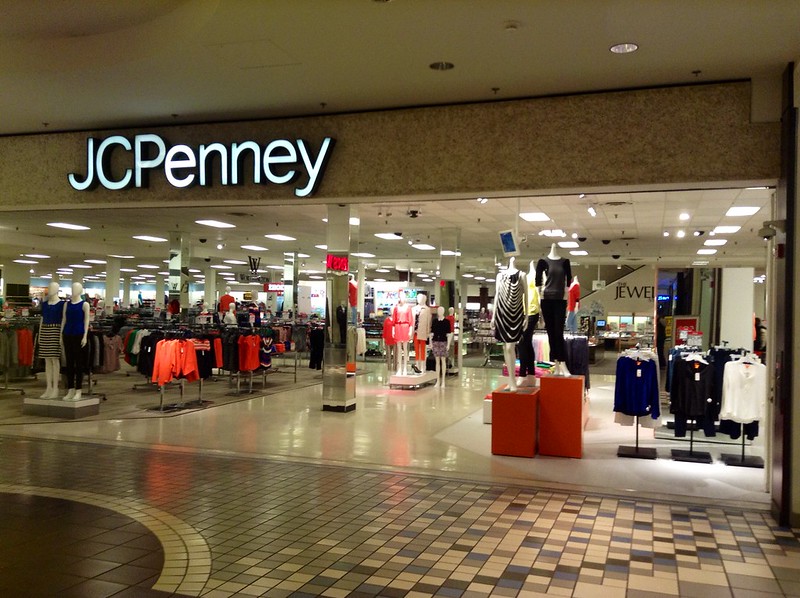
J.C. Penney was once a department store you’d hit up for everything from work clothes to holiday gifts, but now it’s a shadow of its former self. The rise of online shopping and fast-fashion retailers like Amazon and Target has made it harder for J.C. Penney to stay competitive. The brand tried to update its stores and revamp its image, but it hasn’t been enough to win back the shoppers it lost to e-commerce.
The truth is, J.C. Penney is struggling to find its place in a world that no longer needs to spend hours in a department store. Despite closing several locations and focusing on digital growth, the store can’t keep up with the likes of Amazon’s lightning-fast shipping and Target’s trendy-but-affordable options.
Toys “R” Us: A Fond Memory, But No Longer the Go-To for Toys
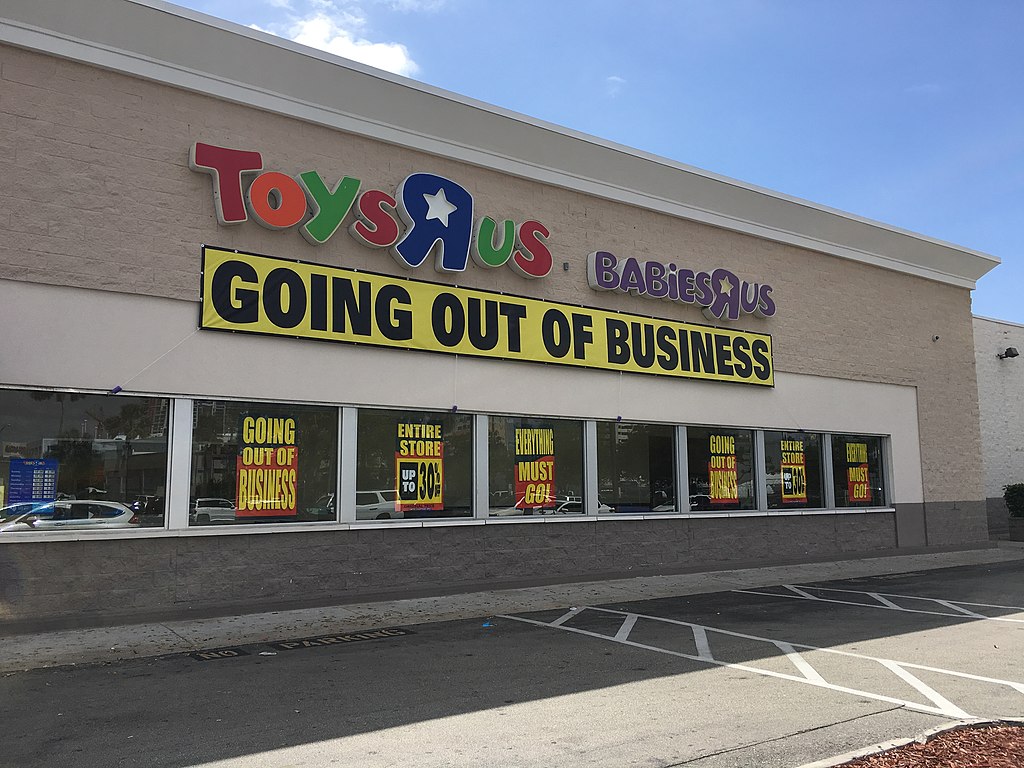
Toys “R” Us was the ultimate destination for toys when we were kids, but now it’s fighting just to stay in business. The rise of online retailers like Amazon and big-box stores like Walmart has taken a huge toll on Toys “R” Us. While it tried to make a comeback by opening a few stores and expanding online, it’s not enough to compete in a world where people can shop for toys from the comfort of their own homes.
Kids now head straight to Amazon, Target, or Walmart when they want toys, and unfortunately, Toys “R” Us just hasn’t been able to recapture that magic. While it’ll always hold a nostalgic place in our hearts, the brand’s inability to modernize and make shopping an experience for today’s consumers means it’s just not keeping up with the times.
Sears: The Retail Dinosaur That Can’t Keep Up

Sears was once the go-to department store for American families, but the rise of e-commerce and big-box stores has left it in the dust. While it’s tried to shift its focus to online shopping, it’s struggled to get traction in an age where people want to buy everything with the click of a button. Despite its history and iconic catalog, Sears has lost out to the convenience of shopping online and at stores like Target and Walmart.
Even as it closed many of its physical locations, the company has found it tough to reinvent itself in a world that no longer needs or wants massive, outdated stores. If you haven’t noticed, Sears is fading fast, and it’s likely on its way to becoming just another relic of the past.
Blockbuster: A Relic of the Past in a Streaming World
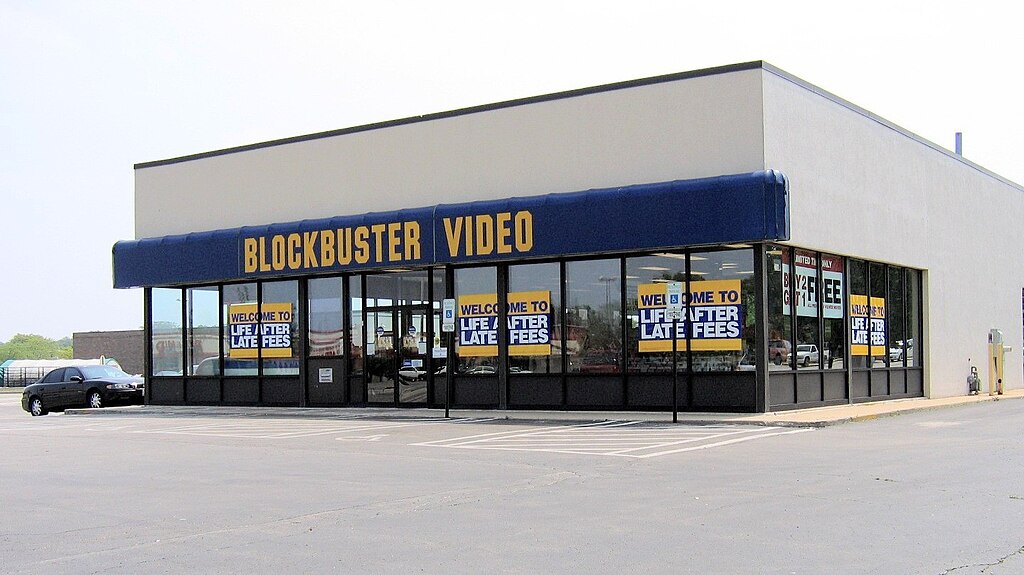
Blockbuster was the king of video rentals for years, but when streaming services like Netflix took off, it didn’t stand a chance. Blockbuster didn’t adapt quickly enough to the digital age, and by the time it tried, it was too late. Now, there’s only one Blockbuster store left, and it’s mostly just a nostalgic memory for those of us who remember the thrill of browsing the aisles on a Friday night.
Blockbuster’s failure to pivot toward streaming left it in the dust, and while it will always be a part of ‘90s and early 2000s pop culture, it’s clear that the video rental giant couldn’t compete with the rise of digital media. It’s a perfect example of how fast things can change in the tech world.
Blackberry: The Fall of the OG Smartphone

Blackberry was the must-have phone for anyone who needed to stay connected back in the day. With its iconic keyboard and secure email system, it ruled the business world. But as the iPhone and Android smartphones took over, Blackberry quickly became irrelevant. The company couldn’t keep up with the touchscreen revolution or create an app ecosystem that could compete with Apple or Google.
Despite its strong start, Blackberry failed to evolve, and now it’s just a tech relic, remembered by those who once relied on it. The brand’s inability to adapt to the ever-changing smartphone market led to its decline, leaving it outpaced by the giants of the tech world.
T-Mobile: From Disruptor to Another Carrier
T-Mobile was the underdog that shook up the mobile carrier industry with its low prices and no-contract plans. But in recent years, it’s been struggling to maintain that edge. With Verizon and AT&T constantly upping their game, T-Mobile’s plans don’t feel as revolutionary anymore. Consumers are starting to look elsewhere, especially as T-Mobile’s prices have risen in the last few years.
T-Mobile has made big moves in expanding 5G coverage, but it’s facing more competition than ever before. While it still holds a unique spot in the market, its ability to disrupt the industry like it once did is seriously being questioned.
American Apparel: The Trendy Brand That Lost Its Edge
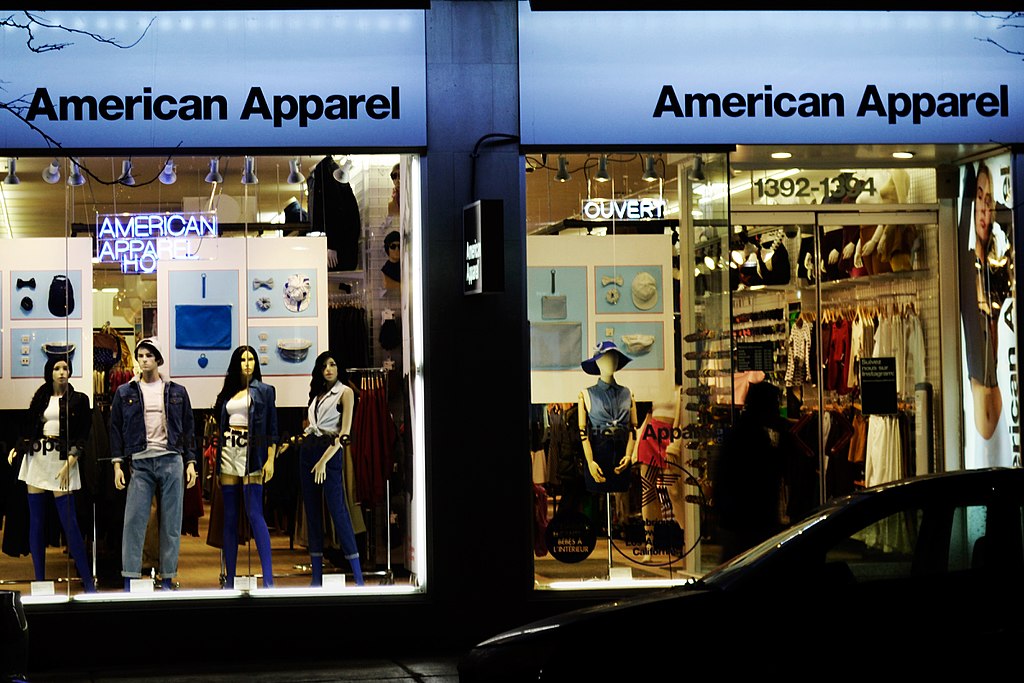
American Apparel was once the go-to brand for youthful, minimalist style, with its iconic basics and bold advertising campaigns. But despite its early success, the brand has struggled to keep up with the rapid changes in fashion and consumer expectations. As fast fashion took over, American Apparel’s slow-to-evolve business model just couldn’t compete.
The company tried to position itself as a sustainable, ethical alternative to other fast fashion brands, but it wasn’t enough to keep it relevant in a market that was shifting faster than it could adapt. After filing for bankruptcy and closing many of its stores, the brand attempted to make a comeback, but it never regained its former popularity. Now, American Apparel is seen as a relic of the 2000s, struggling to redefine itself in a world where consumers are looking for fast, affordable trends and more eco-friendly options.
