
8 Grocery Store Chains That Are Failing in 2025
1. Save Mart
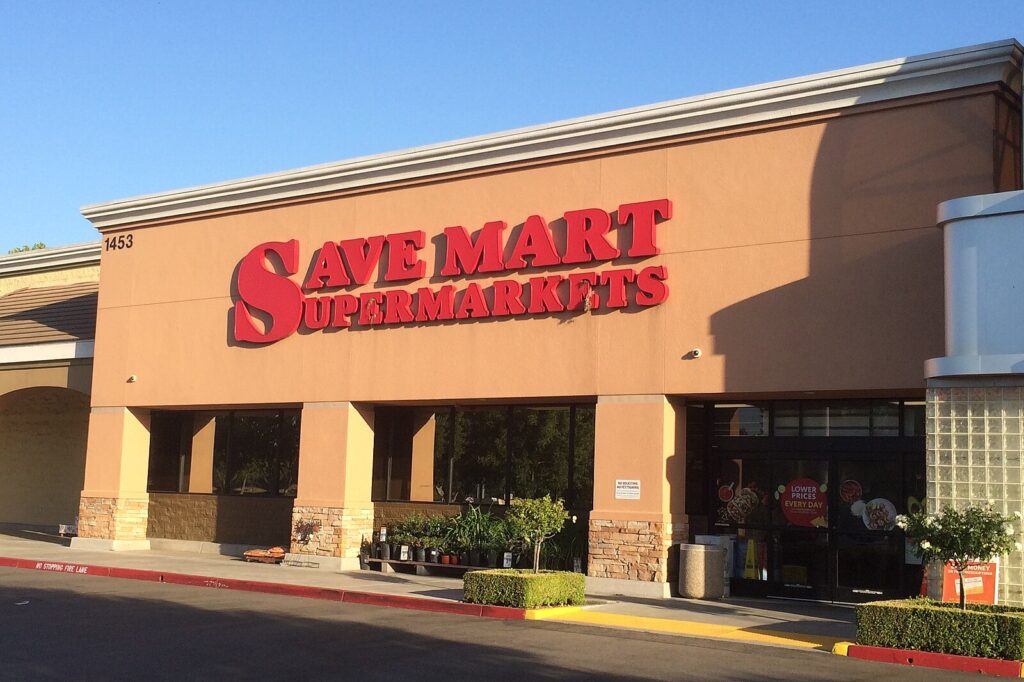
Save Mart is struggling to keep up with its larger competitors due to its limited product offerings and smaller geographic reach. Declining sales and a lack of significant online presence have left this chain vulnerable in an increasingly digital grocery landscape.
2. Winn-Dixie
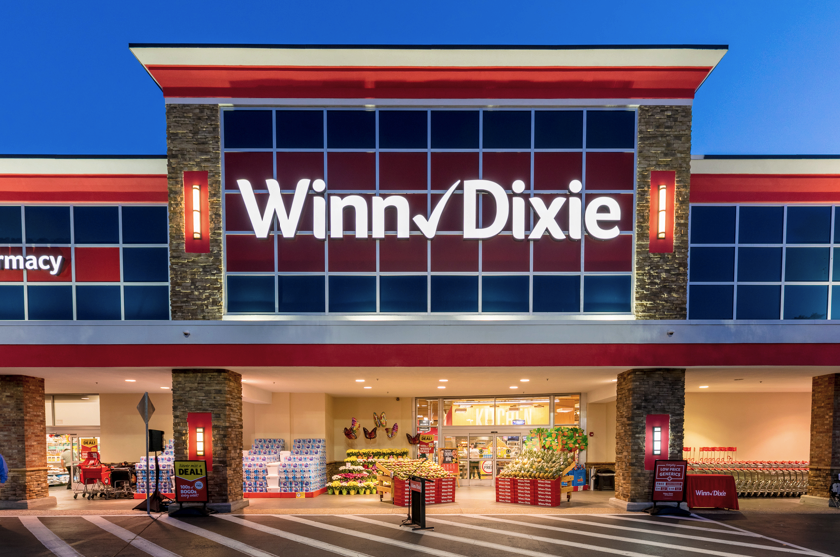
While once a household name in the Southeast, Winn-Dixie has been gradually losing ground to competitors like Publix and Walmart. Closures of underperforming stores and an inability to modernize have further eroded its market share.
3. Albertsons
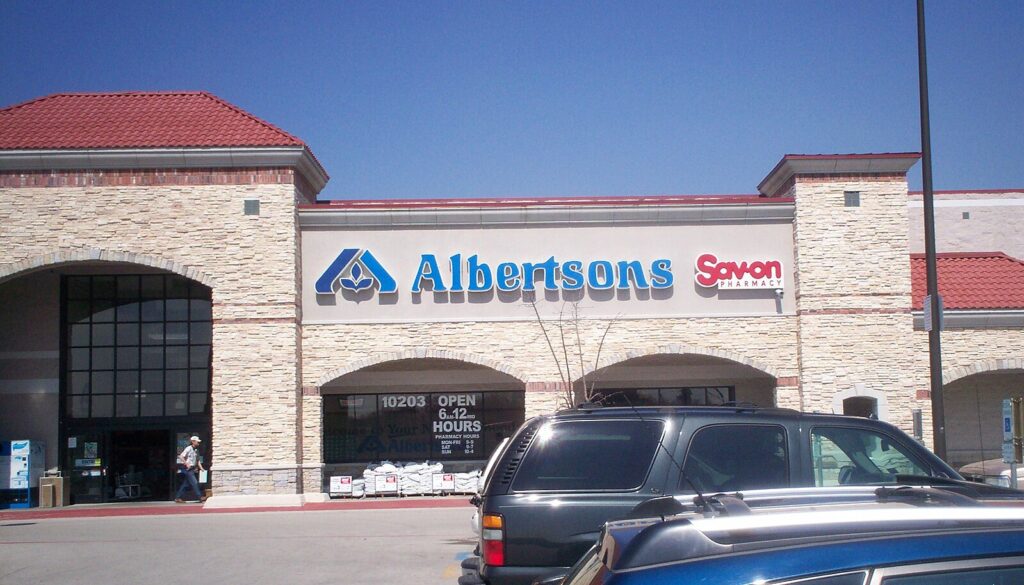
Albertsons, despite a broad footprint, faces financial instability due to high operating costs and stiff competition from online retailers. Its delayed integration of digital shopping solutions has left it trailing behind grocery giants.
4. Fresh Thyme Market
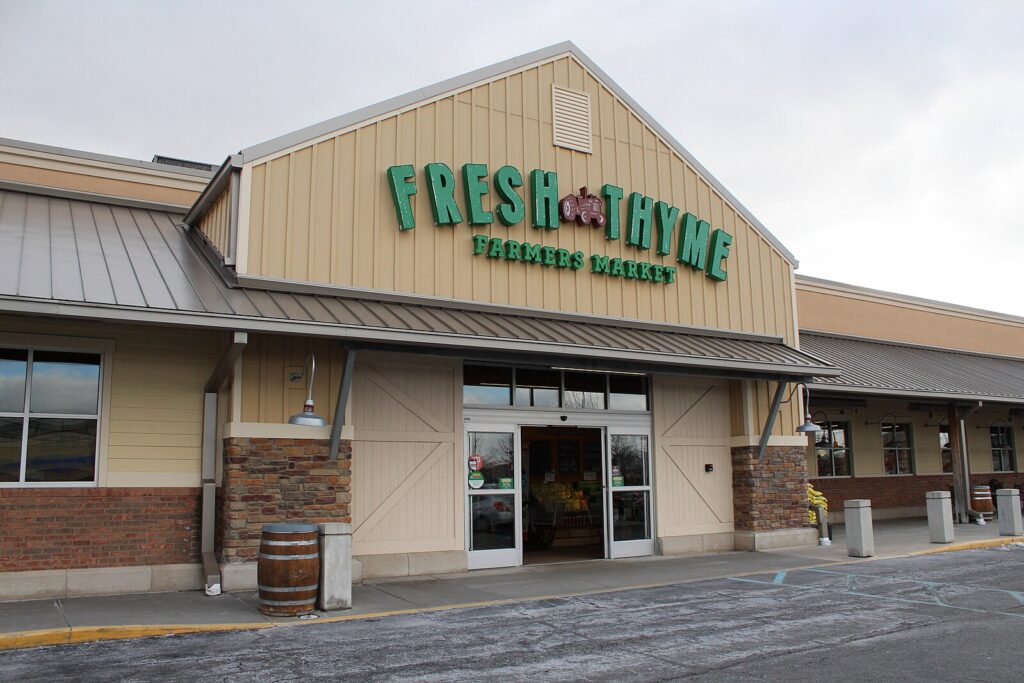
Known for its focus on natural and organic products, Fresh Thyme Market has struggled to maintain profitability in a niche that has become saturated with larger players like Whole Foods and Sprouts.
5. Shoppers Food Warehouse
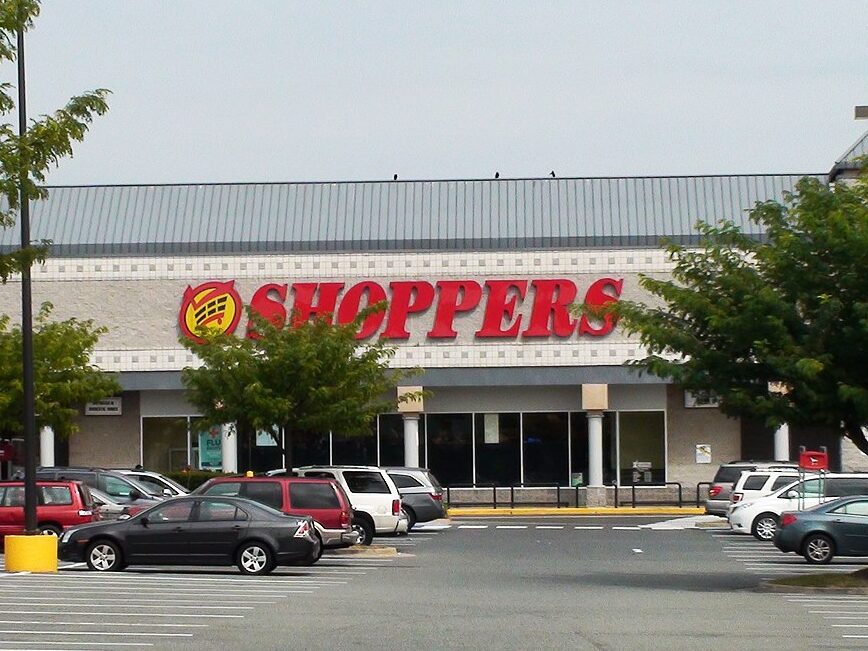
Primarily located in the Mid-Atlantic, Shoppers Food Warehouse has seen declining sales due to outdated stores and increased competition from big-box retailers. Its parent company’s strategic pivots have done little to revive the chain.
6. Piggly Wiggly
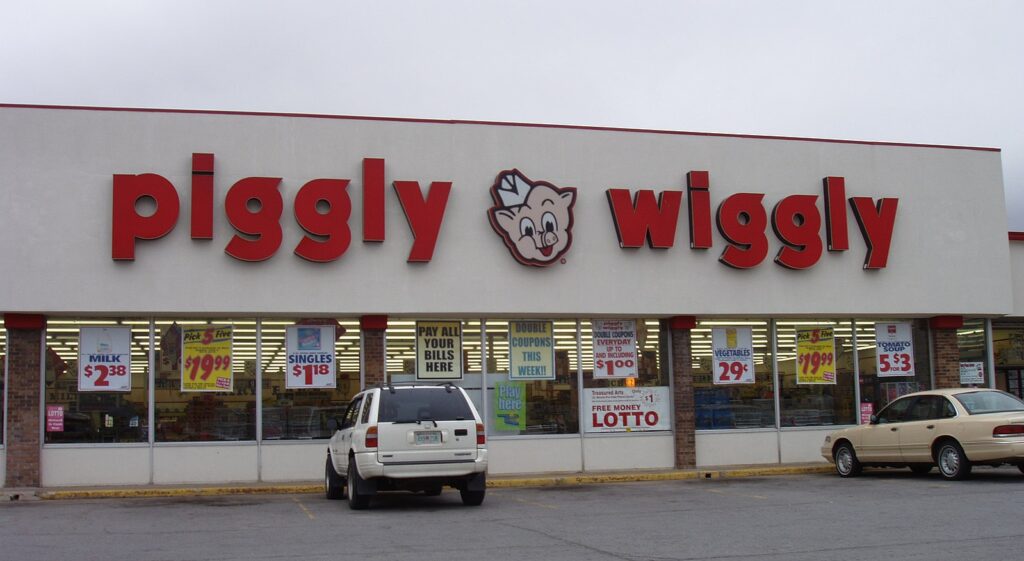
Despite its nostalgic appeal, Piggly Wiggly has struggled to adapt to modern consumer demands. Its outdated branding and limited store updates make it harder to compete with contemporary chains.
7. Lucky Supermarkets
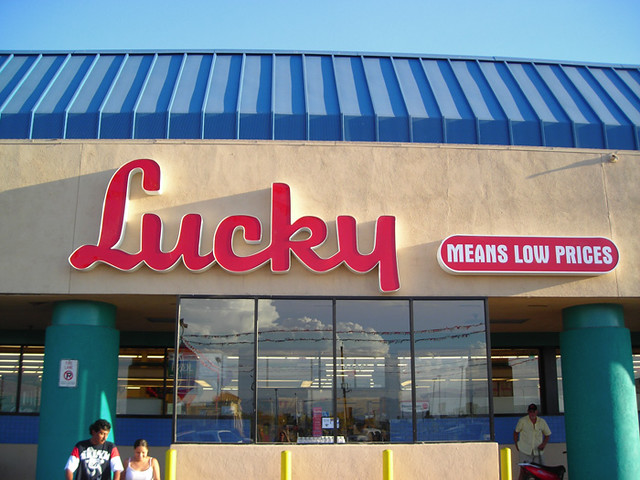
Once a staple in California, Lucky Supermarkets is losing customers to better-known competitors with more expansive selections and aggressive pricing strategies, causing closures across the state.
8. Fairway Market
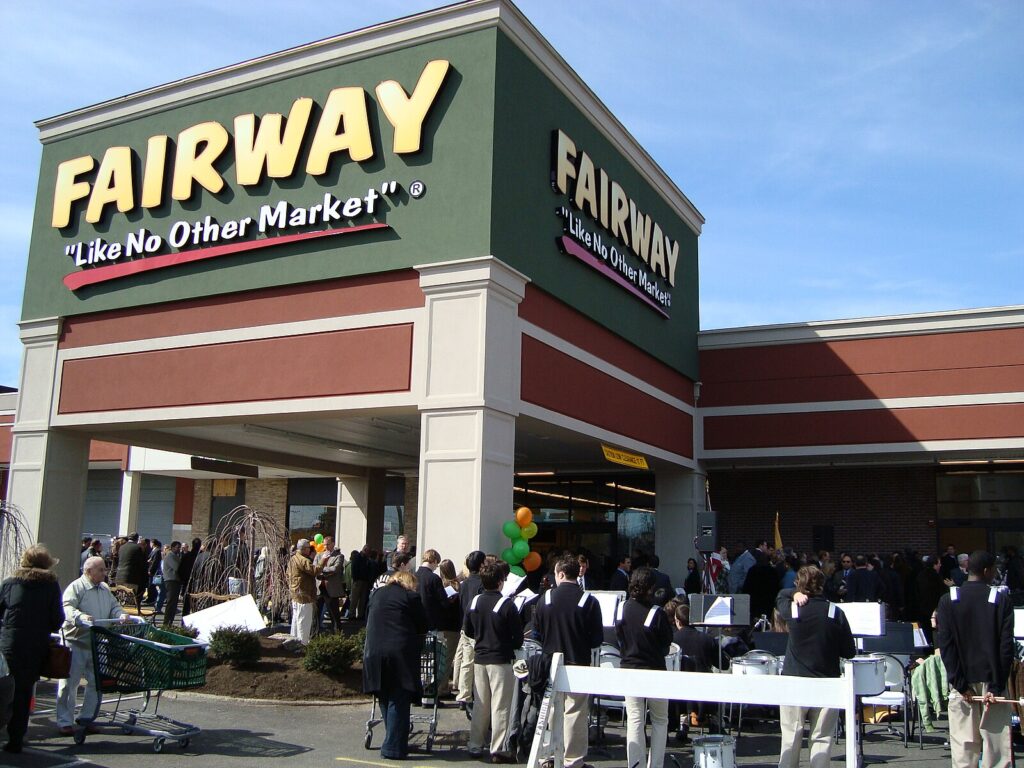
Known for its gourmet offerings, Fairway Market has been hit hard by changing consumer preferences and the dominance of online grocery delivery services, leading to significant downsizing.
5 Grocery Store Chains to Support in 2025
1. Trader Joe’s
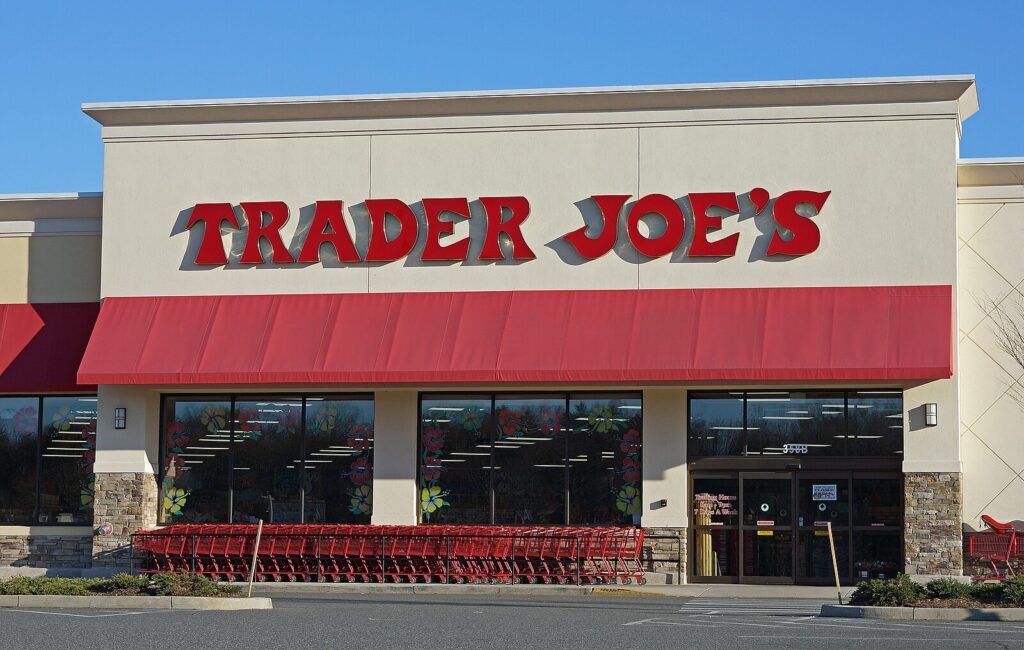
Trader Joe’s continues to thrive thanks to its unique product offerings, cult-like customer loyalty, and focus on value. Its small store format and consistent quality make it a top pick for shoppers nationwide.
2. Aldi
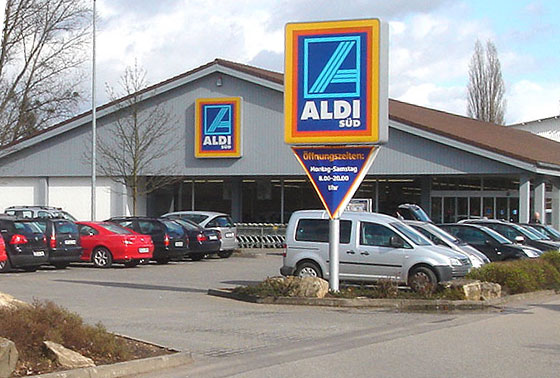
Aldi has gained a massive following for its low prices and efficient, no-frills shopping experience. Its commitment to sustainability and expansion into new regions solidifies its place as a fan favorite.
3. Costco
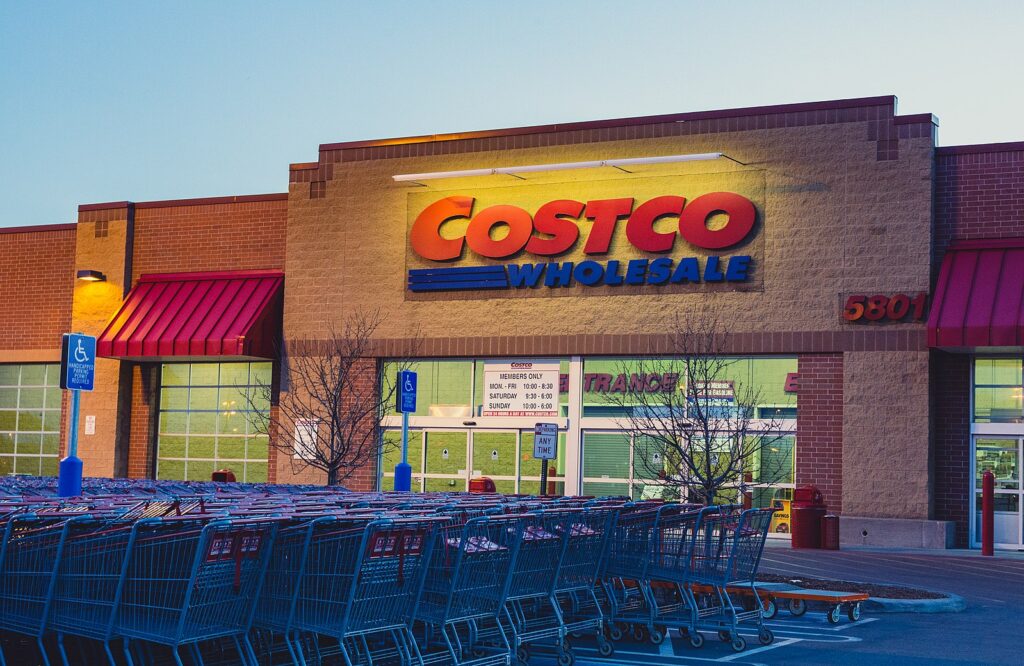
With unbeatable bulk deals and an exceptional reputation for quality, Costco remains a leader in the grocery industry. Its membership model fosters strong customer loyalty and keeps sales robust.
4. Whole Foods Market
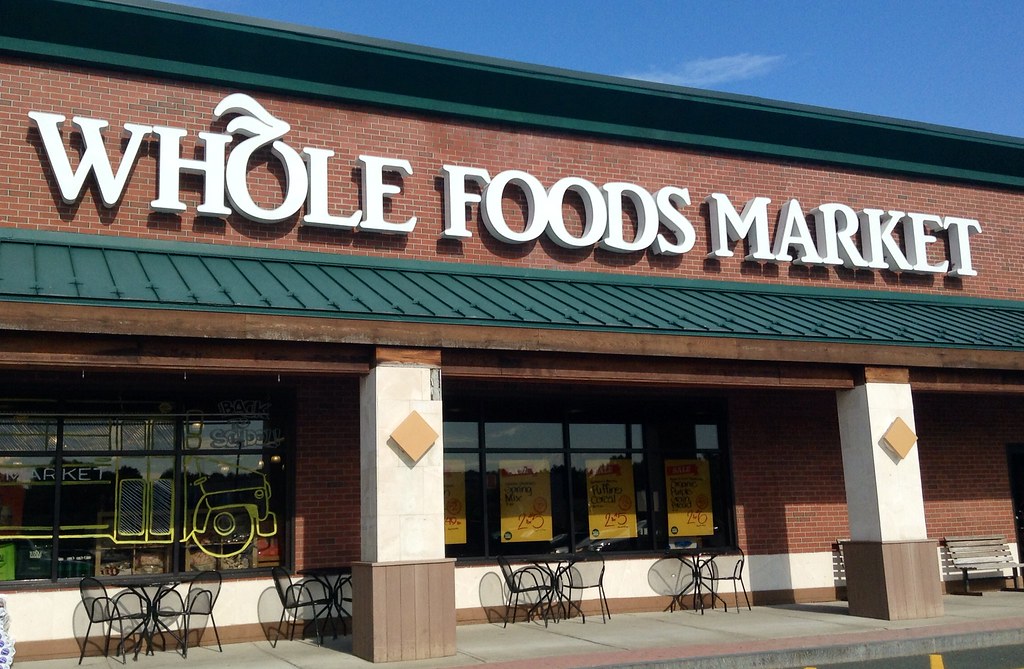
Backed by Amazon, Whole Foods continues to dominate the organic and natural food sector. Its integration of technology and focus on sustainability appeals to environmentally conscious consumers.
5. H-E-B
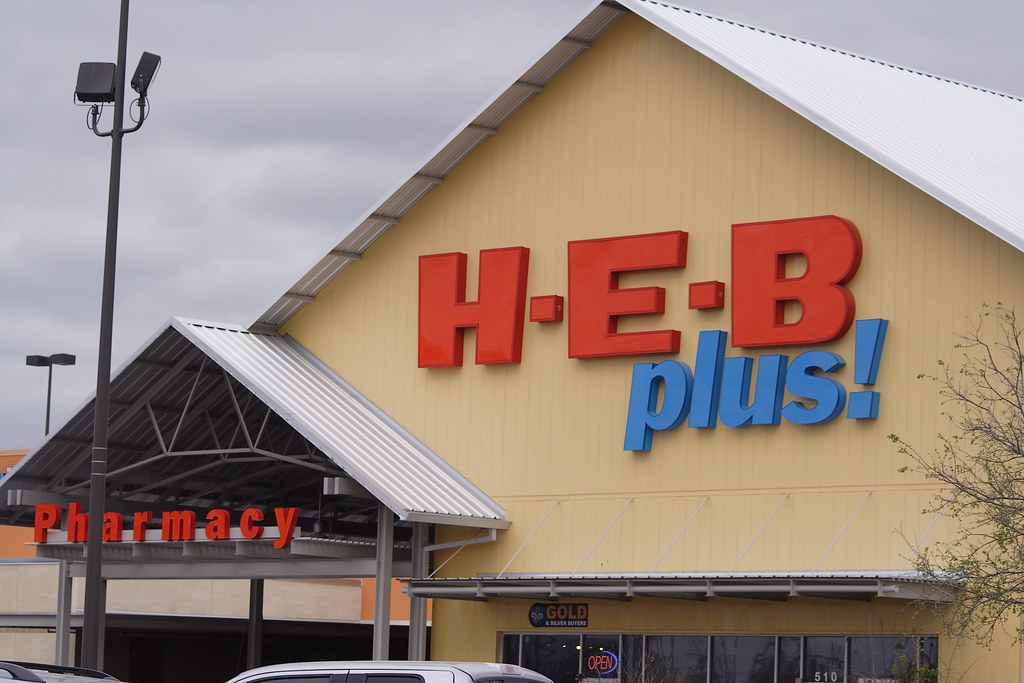
Beloved in Texas, H-E-B consistently ranks as one of the most customer-friendly chains, thanks to its excellent selection, competitive pricing, and strong community involvement. Its innovations and local focus make it a standout choice.
