
1. Bakelite

Early plastics like Bakelite are gaining traction again as collectors rediscover their place in design history. Because Bakelite production ended decades ago, every surviving piece is now inherently limited. Jewelry and small household objects made of Bakelite often display vibrant colors that modern plastics can’t quite replicate. That uniqueness is drawing younger collectors into the market.
Bakelite is also one of the earliest synthetic materials to achieve mass popularity, giving it strong nostalgia value. Items that were once inexpensive trinkets are now treated as miniature design statements. As more people learn how to authenticate it, competition for verified pieces is increasing. That rising demand is setting the stage for a price climb.
2. Rosewood Furniture
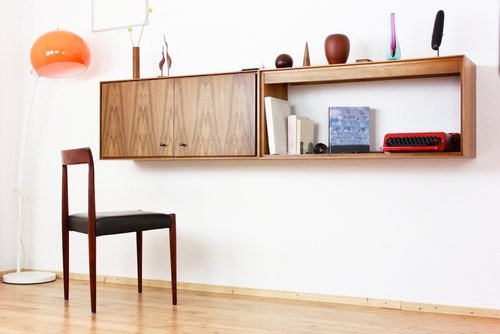
Rosewood is becoming harder to source thanks to international trade restrictions on several Dalbergia species. As supplies tighten, collectors are turning their attention to vintage and antique rosewood pieces. That renewed interest has quietly nudged prices upward at estate sales and auctions. If you’ve ever admired the deep, almost purplish grain, now’s the moment to start scouting.
Craftsmen prized rosewood for its stability and ability to hold intricate carvings, so older pieces often show off exceptional workmanship. That level of quality is expensive to reproduce today, which boosts the appeal of surviving antiques. Many mid-century designers also used rosewood, widening its collector base. With both scarcity and design heritage on its side, the material is poised for a stronger surge.
3. Cast Iron Cookware
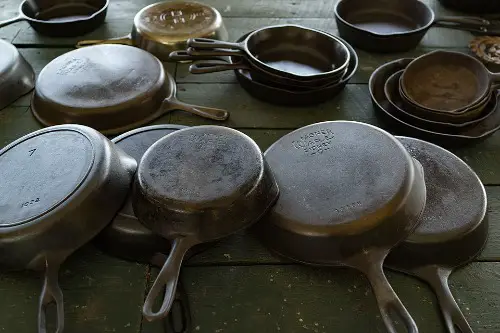
Vintage cast iron is getting harder to find in good condition, especially pieces from iconic makers like Griswold and Wagner. Collectors prize the smooth cooking surface that modern cast iron often lacks. Restoring rusted skillets has become a hobby in itself, but pristine originals remain the most valuable. With social media reviving interest in traditional cooking, the market is heating up.
Many chefs swear by antique cast iron for its heat retention and durability. Since these pieces can last generations, well-maintained examples are effectively heirlooms. Small details like logo variations or unusual mold numbers can greatly affect value. As knowledge spreads, collectors are racing to scoop up overlooked gems.
4. Refined Copperware
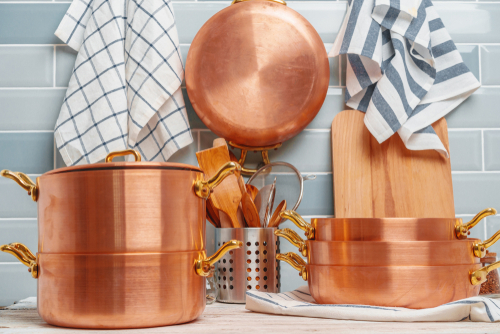
Antique copper pots and serving pieces are trending as people embrace “slow living” and artisanal kitchen aesthetics. High-grade copper is costly today, so vintage pieces often contain more metal value than their modern counterparts. Coppersmith traditions have also declined, making older hand-hammered items more desirable. This mix of rarity and functionality is drawing new buyers.
Collectors value copper that shows expert tinning, distinctive maker marks, or dovetailed seams. These features signal serious craftsmanship that’s difficult to replicate affordably now. Interior tin wear is common, but restoration is possible, which helps preserve long-term value. As top-tier examples grow scarce, prices are inching upward.
5. Tortoiseshell (Historic Pieces)

While modern trade is banned for ethical reasons, historic tortoiseshell items made before regulations remain legally collectible. They’ve become more sought-after as people recognize that no new pieces can ever enter the market. Fans appreciate the luminous, mottled patterns that only natural material could produce. That irreversible scarcity keeps nudging prices higher.
Collectors typically seek combs, boxes, and small accessories with documentation proving age. Since fakes and substitutes exist, authenticated pieces are especially prized. Museums feature tortoiseshell works prominently, which adds cultural weight to private collections. As awareness grows, older examples are disappearing quickly from the market.
6. Mahogany
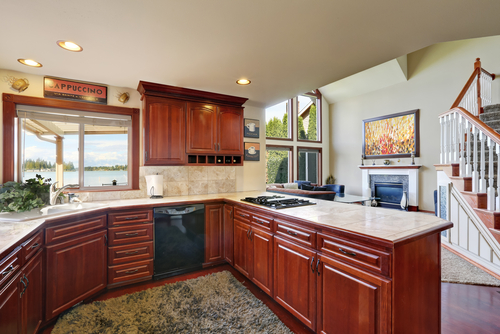
Antique mahogany furniture is benefiting from renewed demand for high-quality hardwoods. Many modern pieces use veneers or substitutes, making solid mahogany antiques stand out. The deep, reddish-brown finish of aged mahogany is difficult to mimic, even with advanced staining techniques. That authenticity is increasingly appealing to buyers seeking longevity.
Historic furniture styles—like Chippendale and Federal—often relied heavily on mahogany. As collectors revisit those movements, the material’s prestige resurges. Well-preserved patina can significantly raise value, especially on original surfaces. With tropical hardwood regulations tightening, older mahogany is poised for appreciation.
7. Linen Textiles

Antique linen tablecloths and bedding are gaining attention for their surprisingly strong durability. True flax-based linen softens with age yet retains excellent structural integrity. Because producing high-quality linen is labor-intensive, newer textiles rarely match the feel of antique fabric. That contrast is drawing collectors and decorators alike.
Hand-stitched hems, monograms, and regional weaving patterns can make individual pieces highly collectible. Many linens survived in households as “best” sets that saw little use, so they’re often in excellent condition. Designers are incorporating them into modern décor, boosting demand. As more people recognize the craftsmanship involved, prices are rising.
8. Oak Case Pieces
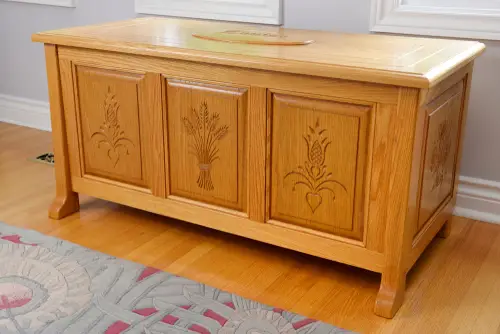
Solid oak cabinets, dressers, and sideboards from the late 19th and early 20th centuries are experiencing renewed interest. Their durability means they often survive moves and decades of use with minimal damage. The resurgence of cottage and farmhouse styles has put oak back in the spotlight. As a result, quality oak furniture is getting harder to snag cheaply.
Buyers are especially hunting for quarter-sawn oak, which shows dramatic “tiger stripe” grain patterns. These pieces were expensive to make and remain visually impressive today. Oak’s neutral tone also fits well with contemporary interiors, broadening its appeal. Given its versatility and longevity, demand is expected to climb.
9. Pewter Tableware
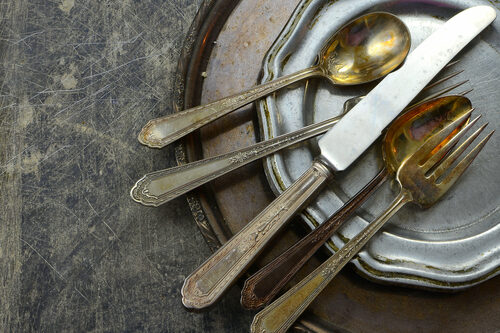
Historic pewter items are enjoying a comeback as collectors embrace understated metals. Older pewter often contains higher-quality alloys and hand-finished details. Because pewter tarnishes uniquely, antique pieces develop a soft sheen that modern versions lack. That visual warmth is attracting new admirers.
Collectors look for marks identifying specific pewterers, many of whom were local artisans. Some regions produced distinctive styles that command particular interest. Since pewter was widely used but often melted down, surviving examples are relatively scarce. That shrinking supply is motivating early buyers.
10. Bamboo and Rattan
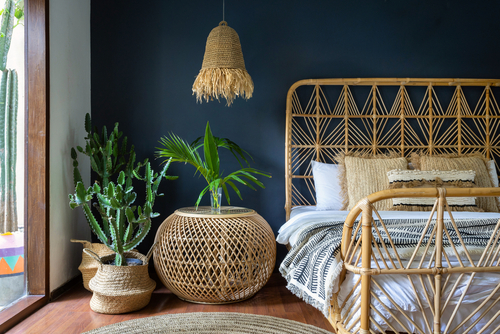
Vintage bamboo and rattan furniture from the 1940s–1970s is becoming popular again. These natural materials fit well with today’s eco-conscious interior trends. Older pieces often feature hand-wrapped joints and thoughtful construction that mass-produced modern versions skip. As interest in tropical modernism returns, these materials are catching new momentum.
Condition matters, but even slightly worn pieces can be restored. Designers love the light, airy look that bamboo and rattan bring to a room. Because high-quality vintage sets aren’t being produced anymore, collectors are combing thrift stores and auctions. That demand is creating upward pressure on prices.
11. Marble
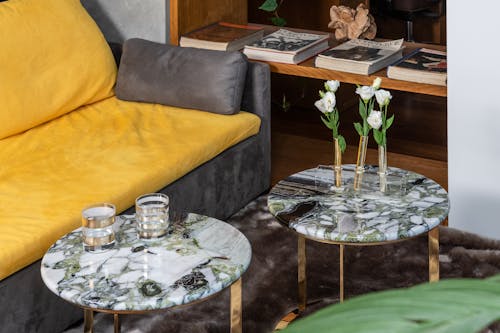
Antique marble tables, sculptures, and architectural salvage are rising in value as quarrying becomes more expensive. Many historic marbles come from sources that are now depleted or heavily restricted. Buyers appreciate the unique veining that can’t be duplicated with composites. As tastes shift back to natural materials, marble stands out.
Large, intact slabs are especially sought after because they’re difficult to transport without damage. Antique fireplace surrounds and tabletops often showcase stone quality no longer economical today. Restoration can bring back luster while preserving value. With supply limited, competition is strengthening.
12. Leaded Glass

Leaded and stained-glass windows from early 20th-century homes are becoming harder to find. Many were removed during renovations, and few artisans now produce them in traditional styles. Collectors love the rich colors and textural variations created by old glass formulas. That craftsmanship gives antique panels a glow modern reproductions can’t achieve.
Architectural salvage shops report steady increases in interest. Panels featuring geometric Arts and Crafts designs are especially desirable. Because installation requires care, well-preserved pieces command higher prices. Once homeowners realize how rare intact windows are, values tend to rise.
13. Early Aluminum

Early aluminum objects from the late 19th and early 20th centuries are catching collectors’ attention. At the time, aluminum was surprisingly expensive and considered a luxury material. Decorative pieces like trays or ornate frames showcase that period’s fascination with the “metal of the future.” As more people learn this backstory, demand is picking up.
These items often feature detailed repoussé work that’s uncommon today. Aluminum’s resistance to corrosion means well-preserved examples remain bright and lightweight. Because production shifted to industrial uses, decorative pieces became less common over time. That scarcity is starting to push prices upward.
This post 13 Antique Materials Nearing a Price Surge was first published on Greenhouse Black.
