
1. Cast Iron Doorstops from the Early 1900s
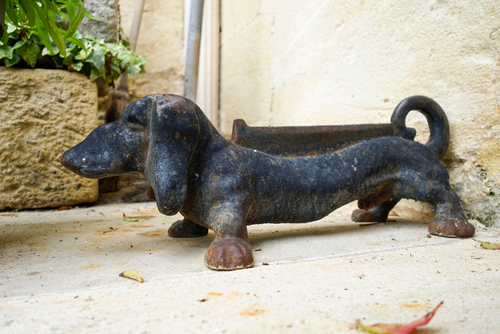
Collectors notice old cast iron doorstops because many were made by identifiable foundries like Hubley or Bradley & Hubbard. These pieces often feature figural designs, animals, or floral motifs that newer reproductions don’t capture well. Original paint, even when worn, is more desirable than later repaints. Most owners walk past them thinking they’re just heavy and rusty, not realizing some sell for hundreds.
These doorstops mattered historically because they were functional household items before central heating reduced drafts. The weight, casting detail, and maker’s marks help date them accurately. Collectors flip them over to check for mold seams and signatures. A chipped edge hurts value less than a modern repaint does.
2. Early American Pressed Glass Tableware
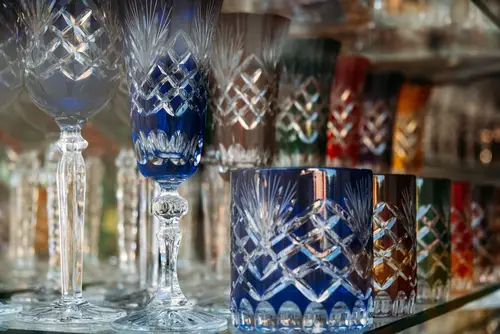
Pressed glass from the mid-1800s often looks plain until you recognize specific patterns. Collectors spot it by sharp mold details and a faint iridescence from age. Patterns like “Sandwich” or “Daisy and Button” were mass-produced but are now scarce in complete sets. Owners often assume it’s cheap because it isn’t cut crystal.
The reason collectors care is that pressed glass tells the story of early industrialized home goods. Pieces made before 1870 typically show more wear on the base from long use. Chips on rims are common, but cracks significantly reduce value. Matching pattern names to manufacturers is what separates a casual glance from a serious find.
3. Stoneware Crocks with Cobalt Decoration
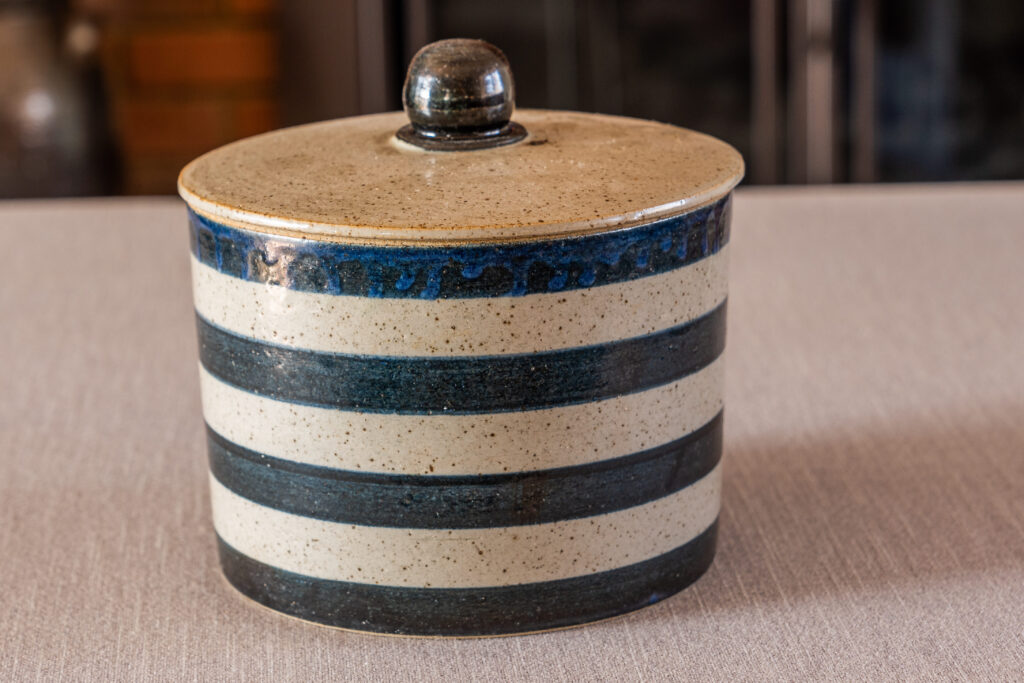
Collectors always look for salt-glazed stoneware crocks with blue cobalt designs. The cobalt was hand-applied, so brush strokes and uneven motifs are a good sign. American examples from the 19th century were often used for food storage and pickling. Many people pass them by assuming they’re modern farmhouse décor.
The real appeal lies in regional makers and condition. Hairline cracks are common, but large structural breaks hurt value. Cobalt birds, flowers, or capacity numbers are especially collectible. A plain crock might be worth modestly, while a decorated one can be dramatically more valuable.
4. Hand-Carved Wooden Butter Molds
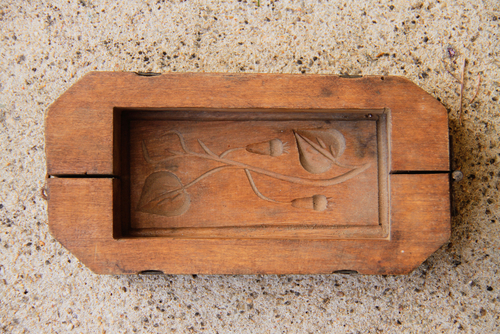
Antique butter molds are easy to miss because they look like simple kitchen tools. Collectors notice the hand-carved stamps featuring wheat, animals, or geometric designs. These were used in the 18th and 19th centuries to mark homemade butter. Most owners don’t realize they were often carved by local artisans.
The reason they’re included is their folk-art quality. Wear from repeated pressing actually adds authenticity. Cracks from age are acceptable if the carving remains clear. Each mold reflects regional farming traditions and domestic life.
5. Victorian Oil Lamps with Original Shades
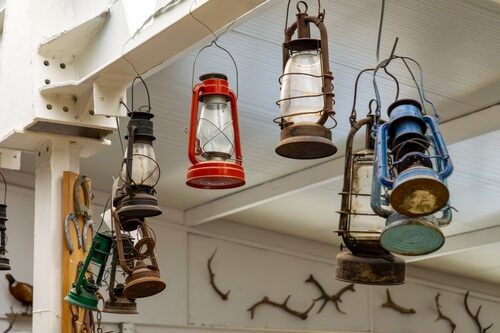
Oil lamps themselves are common, but collectors focus on ones with original glass shades. Hand-painted, etched, or cranberry glass shades are especially sought after. Many lamps get separated from their shades over time. Owners often see mismatched parts and assume nothing is special.
Collectors include these because complete examples are increasingly rare. The font, burner, and shade should match stylistically and by period. Chips on the shade matter more than base wear. Original condition tells a clearer story than restored shine.
6. Apothecary Bottles with Pontil Marks
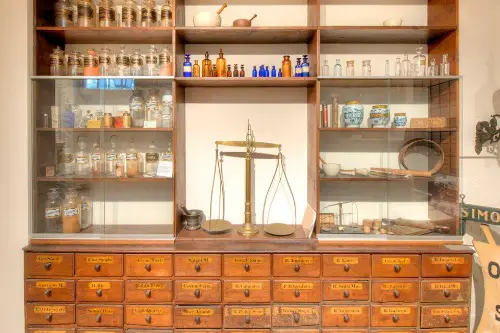
Old apothecary bottles stand out to collectors when they show hand-blown features. A pontil mark on the base is a strong indicator of age. Embossed labels or original paper labels add to desirability. Most people think they’re just old jars.
These bottles matter because they predate modern pharmaceutical packaging. Color variations like cobalt blue or amber are more collectible than clear glass. Bubbles and asymmetry are signs of early production, not flaws. Collectors use these clues to date them accurately.
7. Lithographed Advertising Tins Before 1930
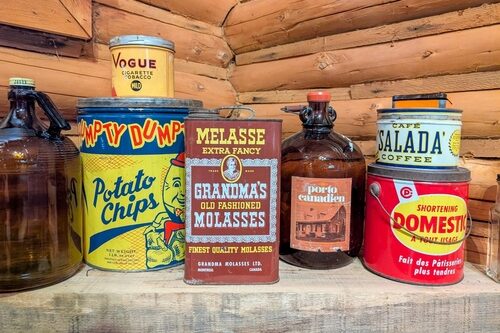
Collectors scan shelves for old tins with bright lithographed graphics. Early examples advertised food, tobacco, or household goods. Wear to the surface is expected and even preferred to heavy restoration. Owners often see rust and assume the tin is worthless.
These tins are included because they document early branding and consumer culture. Graphics, typography, and brand recognition all affect value. Hinges and lids matter a lot to collectors. A dented but original tin usually beats a pristine reproduction.
8. Sterling Silver Napkin Rings
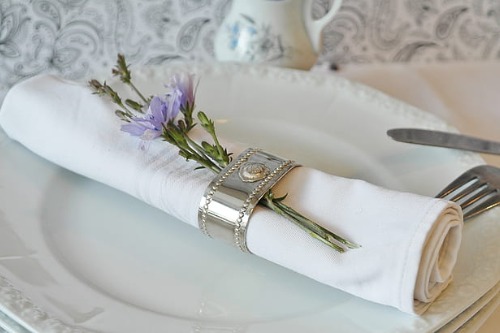
Napkin rings are commonly overlooked because they’re small and monogrammed. Collectors check for sterling hallmarks rather than silver-plate stamps. Victorian and Edwardian examples were often wedding or christening gifts. Many owners dismiss them as outdated personal items.
The reason collectors want them is material value plus craftsmanship. Monograms don’t ruin value and can even help date the piece. Dents are fixable, but deep cracks are not. Sets are rarer than singles and command higher prices.
9. Early Electric Fans with Brass Blades
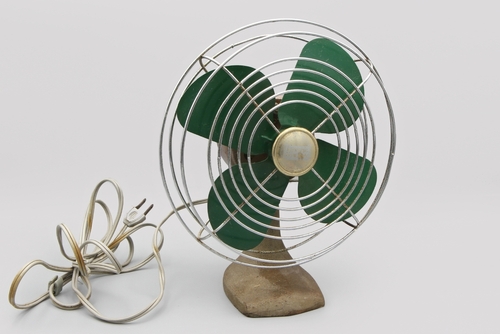
Collectors spot early fans by their heavy cast bases and exposed brass blades. Companies like Emerson and General Electric produced them in the early 1900s. Original finishes and working motors are a big plus. Most people walk past them thinking they’re unsafe junk.
These fans matter because they mark the transition to household electricity. Cage design and blade shape help date them. Rewired cords are acceptable if done safely. Original tags or badges significantly increase interest.
10. Studio Pottery with Artist Signatures
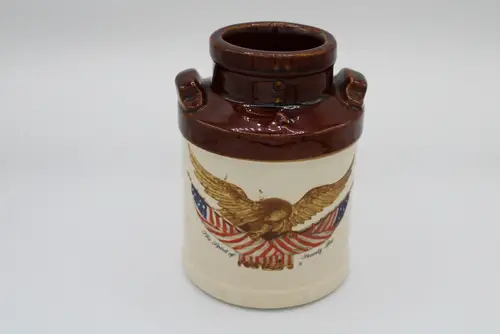
Collectors flip pottery over to check for signatures or chop marks. Mid-20th-century studio potters often signed their work discreetly. Glaze drips and irregular forms are part of the appeal. Owners frequently mistake these for hobby ceramics.
They’re included because studio pottery bridges craft and fine art. Known makers can be researched and verified. Chips on rims reduce value more than glaze flaws. Each piece reflects an individual artist rather than factory production.
11. 19th-Century Quilts with Natural Dyes
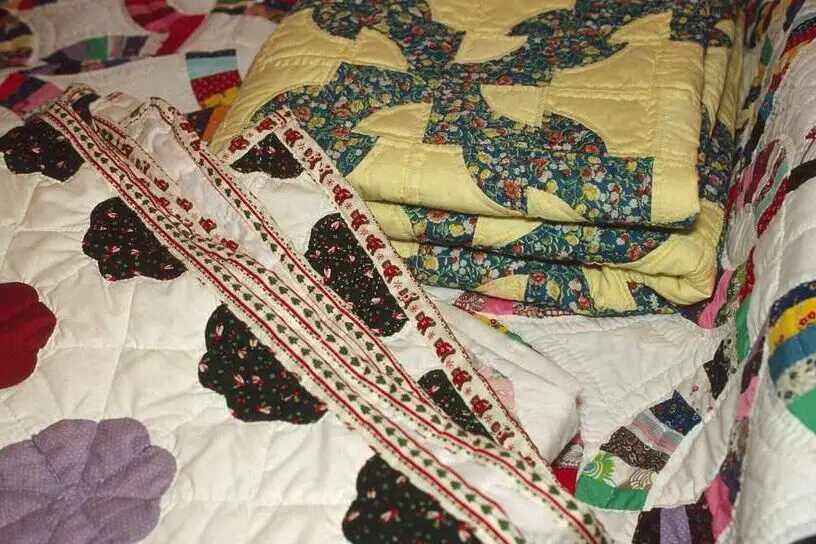
Collectors recognize antique quilts by hand stitching and fabric wear. Natural dyes fade differently than modern synthetic colors. Patterns like Log Cabin or Double Wedding Ring are especially desirable. Many owners see stains and think the quilt is ruined.
Quilts matter because they preserve domestic history. Repairs are common and acceptable if period-appropriate. Even fragments are collected for study and display. Condition is judged holistically, not by perfection.
12. Art Nouveau Bookends in Spelter or Bronze
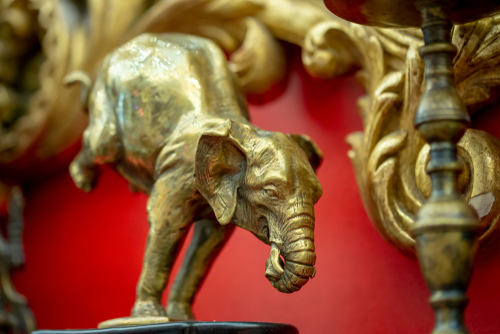
Bookends from the early 1900s often feature flowing lines and figural designs. Collectors check weight and patina to distinguish real metal from later casts. Female figures, florals, and mythological themes are common. Owners often think they’re just old office décor.
These are included because they reflect a distinct design movement. Matching pairs are far more valuable than singles. Original finishes are preferred over polished surfaces. Chips in spelter matter less than missing pieces.
13. Wooden Spice Boxes with Sliding Lids
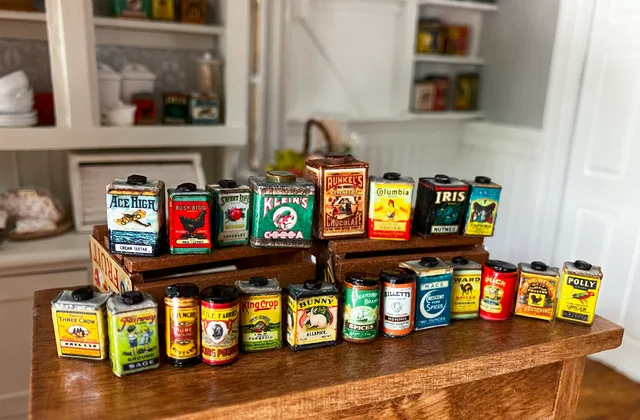
Collectors notice spice boxes by hand-cut joints and uneven interiors. These boxes were used before standardized kitchen cabinetry. Sliding lids often shrink or warp with age. Many people mistake them for modern rustic storage.
They’re valued because they show early kitchen organization. Tool marks help authenticate them. Repairs are common and acceptable if old. Original compartments add to interest and value.
14. Early Phonograph Accessories and Needle Tins
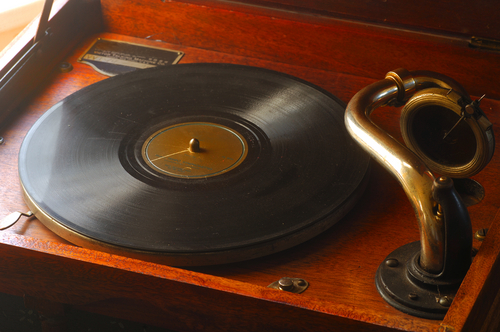
Collectors look beyond phonographs to their accessories. Needle tins, record sleeves, and brushes were often discarded. Original graphics and intact lids are key. Owners usually overlook these small items entirely.
They’re included because ephemera completes a historical picture. Branding helps date the phonograph era precisely. Condition matters, but rarity matters more. These pieces are small, but they anchor larger collections.
This post 14 Antiques Collectors Spot That Most Owners Walk Past was first published on Greenhouse Black.
