
1. Brown Victorian Furniture
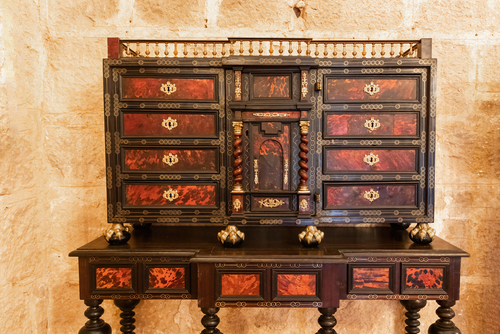
People often assume heavy oak sideboards and bookcases are impossible to sell because they feel dark and old-fashioned. Buyers still want them because solid Victorian furniture is durable, repairable, and made from old-growth wood. Interior designers use these pieces to anchor modern rooms and add contrast to white walls. They’re also popular with homeowners who want storage that will outlast flat-pack furniture.
Condition and scale are the key reasons these pieces move. Smaller cabinets, adjustable shelving, and original hardware make them especially desirable. Even worn finishes aren’t deal breakers, since many buyers plan to refinish or limewash them. The assumption that “brown furniture is dead” doesn’t match how consistently it sells.
2. Formal China Cabinets
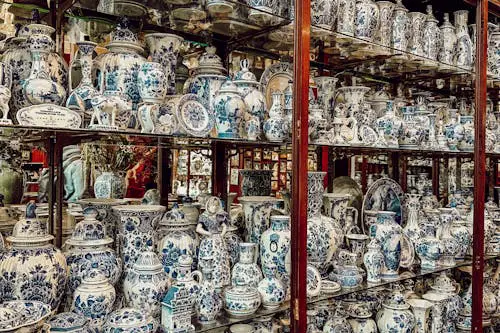
China cabinets are often dismissed as useless because fewer people host formal dinners. Buyers still seek them out for creative storage beyond dishes. They’re used to display books, art objects, barware, and collectibles. Glass-front cabinets also work well in small spaces where visual openness matters.
The reason they sell is versatility. Cabinets with adjustable shelves and intact glass are especially appealing. Mid-century and early 20th-century examples blend easily with modern decor. What looks outdated in a dining room becomes practical in a home office or kitchen.
3. Vintage Cast Iron Cookware
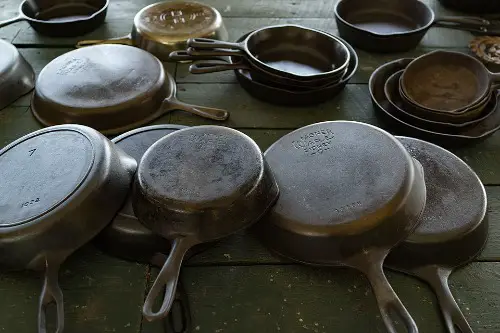
Old cast iron skillets are frequently mistaken for rusty junk. Buyers actively hunt for early American makers like Griswold and Wagner. These pans cook evenly and are lighter than many modern cast iron versions. Properly seasoned, they outperform new cookware.
The demand exists because quality cast iron isn’t truly obsolete. Collectors value specific logos, sizes, and production eras. Even heavily rusted pans can be restored, which keeps them out of the scrap pile. What looks unusable to one person is a project piece to another.
4. Manual Typewriters
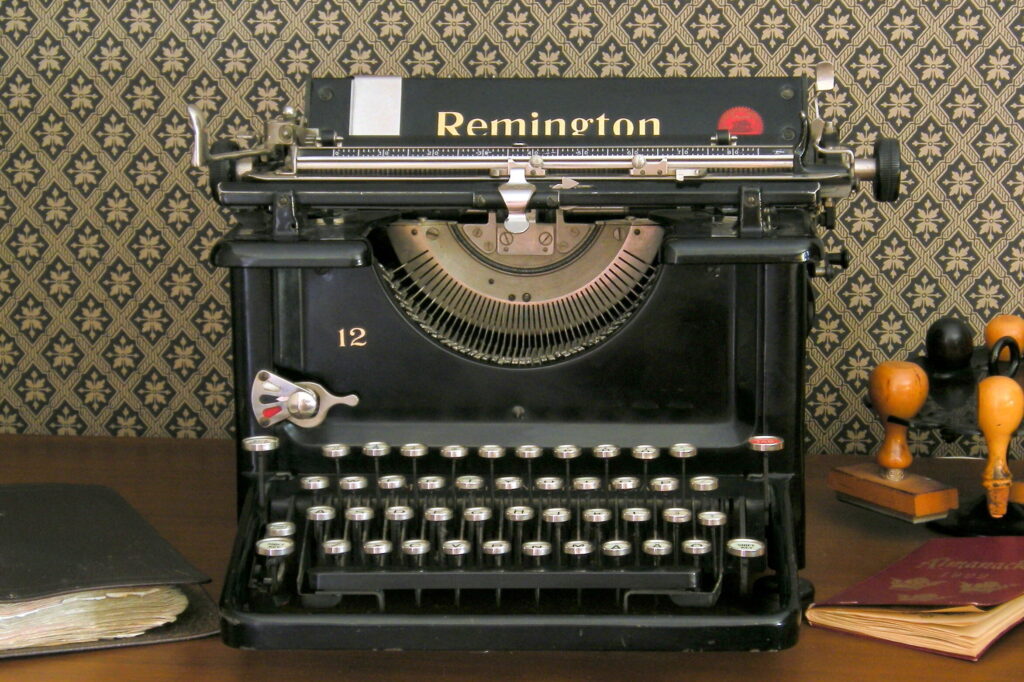
Many people assume typewriters lost all value once computers took over. Buyers want them for writing, display, and mechanical reliability. Brands like Royal, Underwood, and Olympia remain popular. They’re also used in art studios and by writers who prefer distraction-free tools.
The appeal comes from both function and nostalgia. Portable models are especially desirable because they’re easy to use and store. Even non-working machines sell as decor if they’re complete. Their tactile quality is something modern devices can’t replicate.
5. Old World Globes

Outdated globes are often seen as inaccurate and therefore useless. Buyers like them precisely because they show historical geography. Changes in borders and place names make them conversation pieces. Designers use them as sculptural accents in offices and libraries.
Age, size, and stand materials all matter to buyers. Paper globes with wood or metal bases tend to sell best. Visible wear is often acceptable because it adds character. Their educational value shifts from reference to history.
6. Vintage Advertising Tins
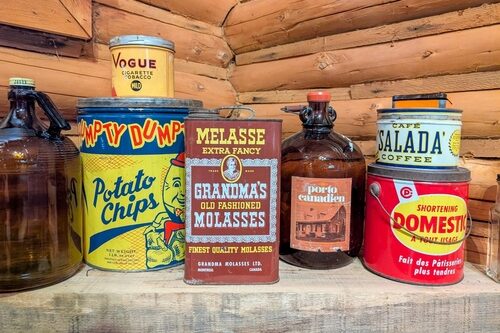
Advertising tins are sometimes mistaken for empty containers with no purpose. Buyers collect them for graphic design, branding history, and display value. Early food, tobacco, and household product tins are especially popular. Their bold colors and typography stand out in modern spaces.
The reason they sell is visual impact combined with nostalgia. Condition matters, but even rusted examples can attract buyers. Rare products or regional brands increase interest. What looks like clutter to one person is wall art to another.
7. Apothecary Bottles
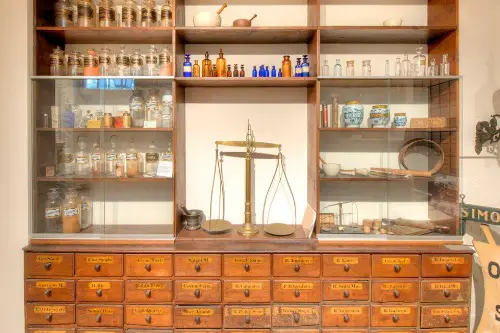
Old medicine bottles are often assumed to be worthless because they’re empty. Buyers value them for color, embossing, and historical context. Cobalt blue, amber, and green glass are especially sought after. They’re commonly used in decor, photography, and collections.
The market exists because each bottle tells a story. Embossed drugstore names and unusual shapes add appeal. Even chipped bottles sell if the color is right. They’re small, affordable antiques with wide aesthetic use.
8. Treadle Sewing Machines
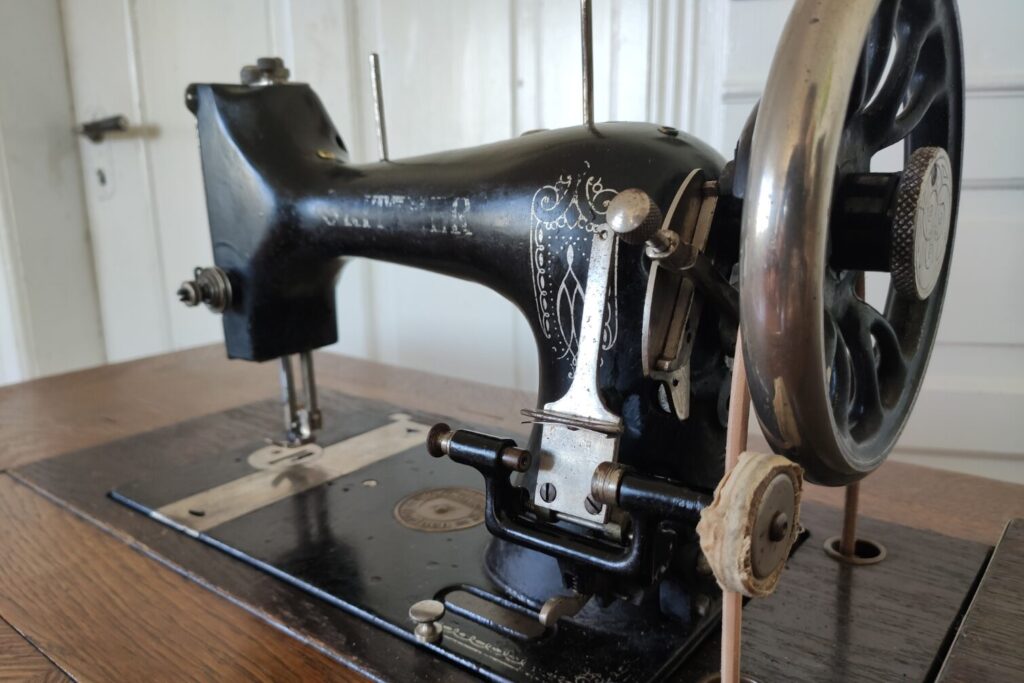
Large treadle sewing machines are often written off as bulky and broken. Buyers want them for their cast iron bases and craftsmanship. Many are still functional, especially well-known brands like Singer. Others are repurposed into desks or tables.
The reason they sell is structural quality. The iron bases are nearly indestructible and visually striking. Wood cabinets with original drawers add value. What seems impractical becomes adaptable furniture.
9. Unsigned Oil Paintings
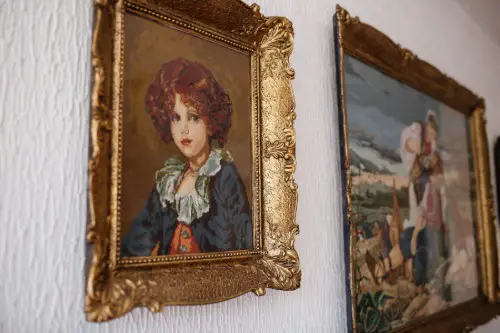
People often assume oil paintings without famous names are unsellable. Buyers look for them as affordable “decor art.” Landscapes, still lifes, and portraits are especially popular. The frame can be as valuable as the artwork itself.
The demand comes from aesthetics, not authorship. Designers use these paintings to add warmth and texture. Age-related wear is usually acceptable and even desirable. They’re a low-risk way to buy original art.
10. Worn Persian and Oriental Rugs
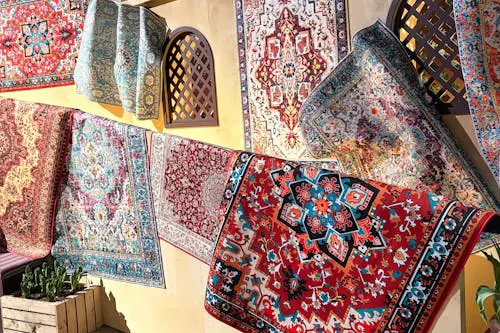
Frayed rugs are frequently assumed to be beyond saving. Buyers still want them for their patterns, dyes, and craftsmanship. Even damaged rugs can be used in low-traffic areas. Some are cut down or layered for design purposes.
The reason they sell is material quality. Hand-knotted wool rugs age better than most modern carpets. Natural dyes fade beautifully rather than looking worn out. Imperfection is part of their appeal.
11. Bakelite Items

Bakelite jewelry and objects are often mistaken for cheap plastic. Buyers actively seek authentic Bakelite for its early plastic history. It’s heavier, warmer, and more durable than it looks. Jewelry, radios, and telephones are especially popular.
The market exists because Bakelite represents a specific design era. Color and condition drive value more than size. Tests can confirm authenticity, which reassures buyers. Once identified, these items rarely linger unsold.
12. Hotel and Restaurant Silver
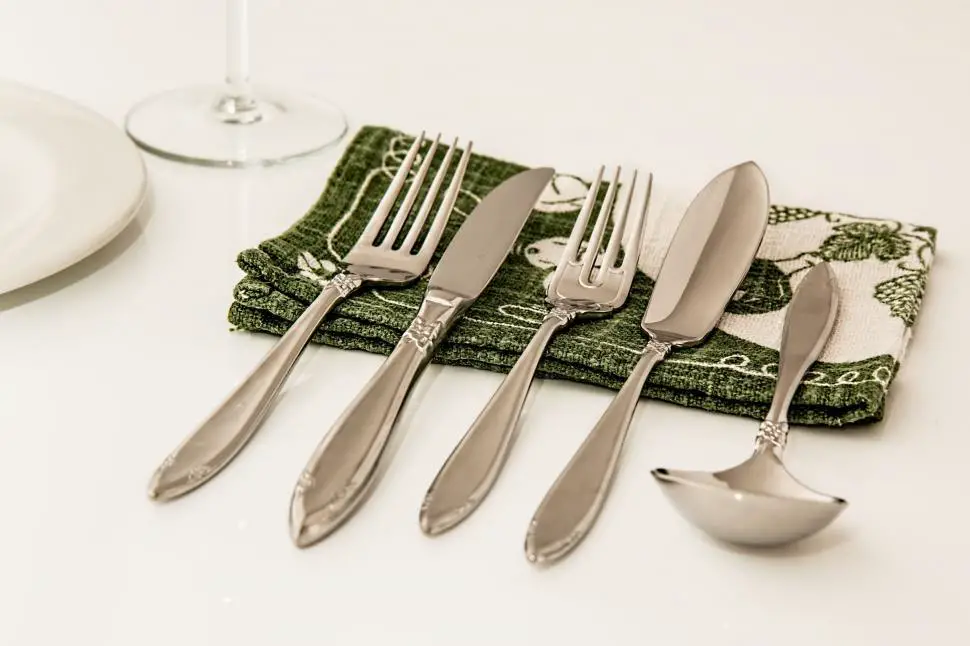
Monogrammed silverware is often dismissed as unwanted. Buyers collect it for weight, durability, and uniform design. Hotel silver was made to withstand heavy use. It’s often thicker than household flatware.
The appeal comes from practicality and history. Sets can be mixed without worrying about missing pieces. Some buyers melt it for value, while others polish and use it daily. What seems too personalized still finds a market.
13. Old School Desks and Chairs
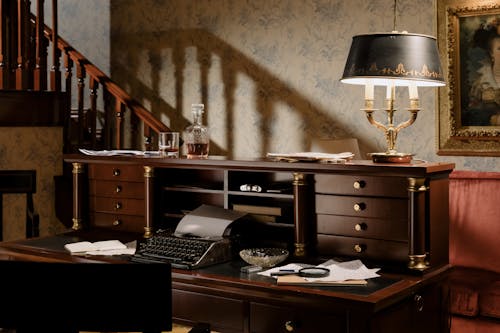
School furniture is often assumed to be uncomfortable, unattractive, and only useful in institutional settings. Buyers still want these pieces because they’re built to survive decades of daily use. Solid wood desks and cast iron chairs appeal to people creating home offices or studios. Their simple lines work surprisingly well in modern interiors.
What keeps them selling is durability and nostalgia. Adjustable features, ink wells, and original hardware add interest. Even scratched surfaces are usually accepted as part of their history. These pieces succeed because they combine function with character.
14. Vintage Suitcases and Trunks
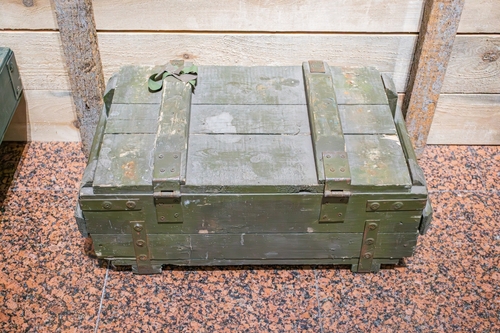
Old suitcases are frequently seen as awkward storage with outdated styling. Buyers use them as decorative storage, side tables, or stacked accents. Leather, canvas, and hard-sided cases all have dedicated followings. Trunks are especially popular in small homes where storage matters.
The appeal comes from both form and function. Original labels, hardware, and patina add value. Matching sets are rare but not required to attract buyers. What once traveled the world now anchors a room visually.
15. Antique Mirrors With Worn Silvering
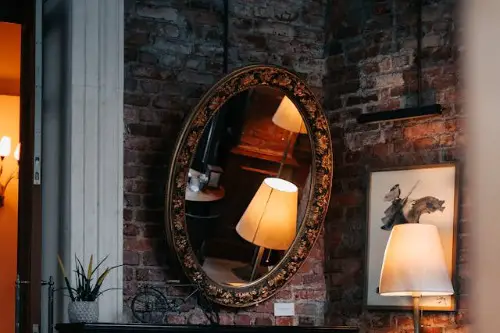
Spotted or cloudy mirrors are often assumed to be damaged beyond usefulness. Buyers actively seek them out for their softened reflections and age. The wear adds depth rather than detracting from function. They’re especially popular in bathrooms, hallways, and dressing areas.
The reason they sell is atmosphere. Original frames and beveled glass increase demand. Designers use them to avoid overly sharp reflections in modern spaces. Imperfection makes them feel intentional, not broken.
16. Vintage Door Hardware
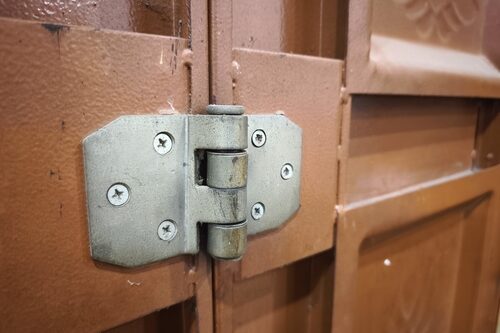
Old doorknobs and lock sets are commonly mistaken for scrap metal. Buyers want them to restore period homes accurately. Glass, brass, and porcelain knobs are especially desirable. Matching backplates add to their value.
The market exists because modern replacements often look generic. Original hardware fits better and feels more substantial. Even mismatched sets sell for creative reuse. What seems obsolete solves a real restoration problem.
17. Early Electric Fans
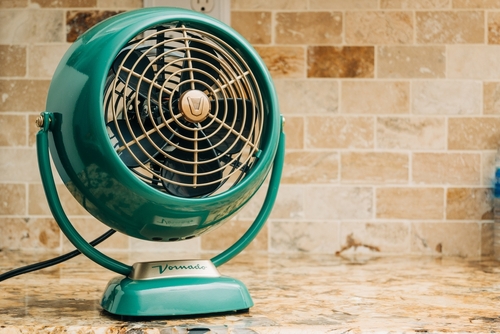
Metal bladed fans are often assumed to be unsafe or nonfunctional. Buyers collect them for industrial design and mechanical quality. Brands from the early 20th century are especially sought after. Many are restored and used daily.
The appeal comes from materials and movement. Brass blades, open cages, and heavy bases stand out visually. Even non-working fans sell as decor. They’re valued as much for sculpture as airflow.
18. Vintage Taxidermy and Natural History Pieces

Mounted animals and specimens are often considered outdated or unsettling. Buyers collect them for curiosity cabinets and educational displays. Birds, insects, and small mammals are especially popular. Ethical sourcing and age matter to collectors.
The reason they sell is rarity and craftsmanship. Glass eyes, natural poses, and original bases increase value. Even imperfect examples attract interest. These items appeal to buyers drawn to science and history.
19. Antique Tools
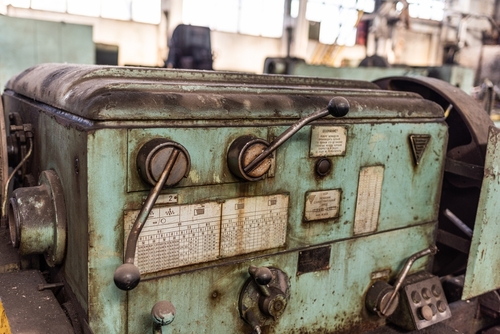
Old hand tools are frequently mistaken for rusted junk. Buyers want them for woodworking, blacksmithing, and decor. Tools made before mass production often perform better than modern versions. Wooden handles and forged metal add appeal.
The demand exists because quality tools don’t become obsolete. Certain makers and markings drive interest. Even incomplete sets sell individually. What looks worn out still has working life left.
20. Vintage Lamps With Outdated Wiring
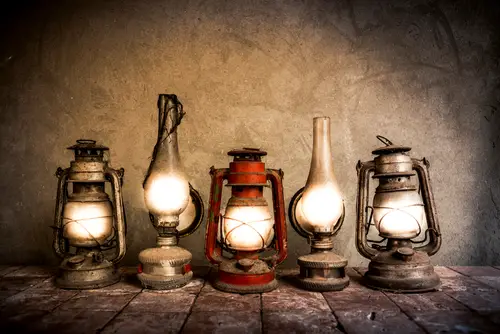
Old lamps are often dismissed as unsafe or unfashionable. Buyers know wiring can be replaced easily. Ceramic, metal, and glass bases remain highly collectible. Shades can be updated without losing character.
The reason they sell is design flexibility. Mid-century, Art Deco, and Victorian lamps all have strong markets. Original switches and finials add value. These lamps bridge old aesthetics with modern function.
21. Antique Clocks That Don’t Run
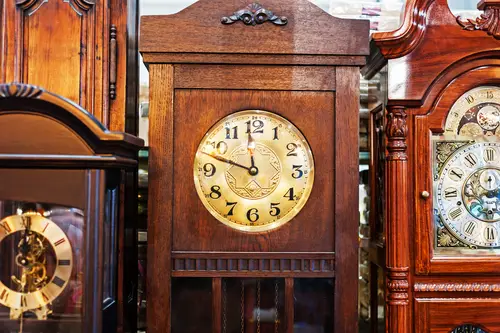
Non-working clocks are often assumed to be worthless. Buyers collect them for cases, dials, and movement parts. Longcase, mantel, and wall clocks all attract interest. Visual presence matters as much as accuracy.
The appeal comes from craftsmanship and scale. Wood cases and painted faces draw decorators. Some buyers restore them, others display them as-is. Timekeeping becomes secondary to design.
22. Early Photographic Equipment

Old cameras and darkroom tools are frequently mistaken for obsolete tech. Buyers want them for display, collecting, and experimental photography. Large format cameras are especially desirable. Brass lenses and wooden bodies add visual impact.
The market exists because photography history remains relevant. Even incomplete setups sell for parts or decor. Makers and materials influence value more than condition. These pieces represent the foundations of modern imaging.
This post 22 Antiques People Assume Nobody Wants — Except Buyers Do was first published on Greenhouse Black.
