
1. Big Sur Coastline, California
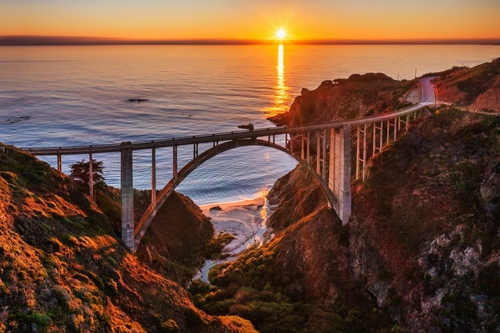
For decades, RVers could pull off Highway 1 and spend the night with one of the best ocean views in the country. That’s changed as Monterey County has steadily restricted overnight parking along the coast due to congestion, safety concerns, and environmental damage. Many former informal pullouts are now clearly posted with no-overnight-parking signs. What used to feel like spontaneous coastal freedom now requires advance campground reservations, often months ahead.
These changes didn’t happen overnight, and that’s what frustrates longtime RV travelers. Each new restriction was introduced as a response to increased traffic, illegal dumping, and emergency access issues. While the goals are understandable, the result is far fewer legal places for RVers to stop. Big Sur remains stunning, but it’s no longer forgiving to travelers without a plan.
2. Florida Keys, Florida
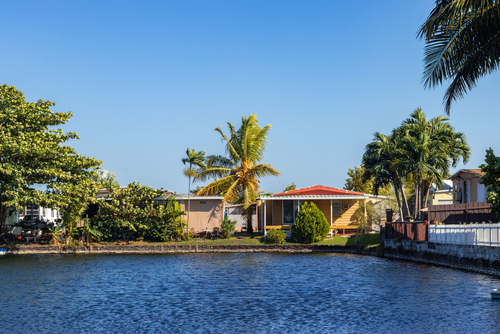
The Florida Keys used to be a bucket-list destination for RVers chasing warm weather and turquoise water. Over time, Monroe County has tightened enforcement against overnight parking outside of licensed campgrounds. Local ordinances now make it illegal to sleep in vehicles in most public areas. This has effectively pushed RVers into a small number of expensive private parks.
The pressure comes largely from limited land and a growing full-time population. As housing shortages worsened, enforcement against vehicle dwelling increased. Even short overnight stops are risky without a paid reservation. RVers passing through quickly discover that flexibility in the Keys is a thing of the past.
3. Sedona Area, Arizona
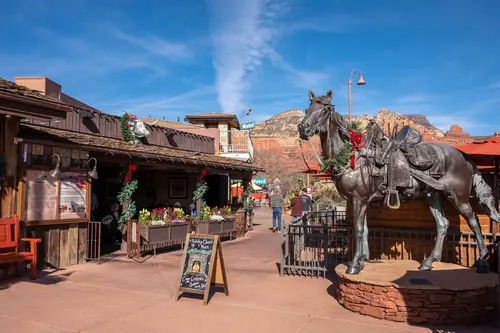
Sedona was once a haven for dispersed camping on nearby Forest Service and BLM land. Increased visitation led to significant closures around popular trailheads and scenic corridors. Red Rock Ranger District has implemented permit systems and physical barriers in several areas. The goal has been to protect fragile desert soil and reduce overcrowding.
For RVers, this means fewer large, accessible places to camp legally near town. Roads that once accommodated rigs are now restricted by vehicle length or closure gates. Even experienced boondockers find options shrinking each year. Sedona is still welcoming, but only if you know exactly where you’re allowed to be.
4. Jackson Hole Area, Wyoming
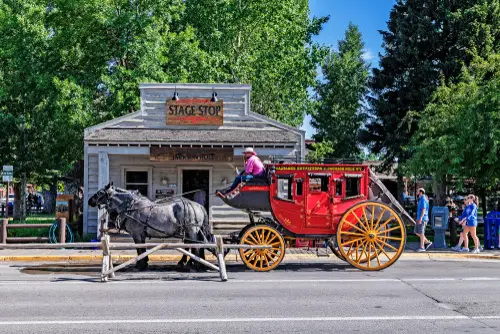
Jackson Hole sits near Grand Teton and Yellowstone, making it incredibly popular with RV travelers. Teton County has steadily increased enforcement against overnight parking and roadside camping. Many informal spots on public land have been closed or limited by time restrictions. Wildlife protection and traffic safety are often cited as reasons.
The growth of tourism has changed how local authorities manage RV use. What worked when fewer people visited simply doesn’t scale anymore. RVers now need to secure campground space well in advance during peak seasons. Spontaneous overnight stays are becoming rare in this region.
5. San Diego Coastal Areas, California
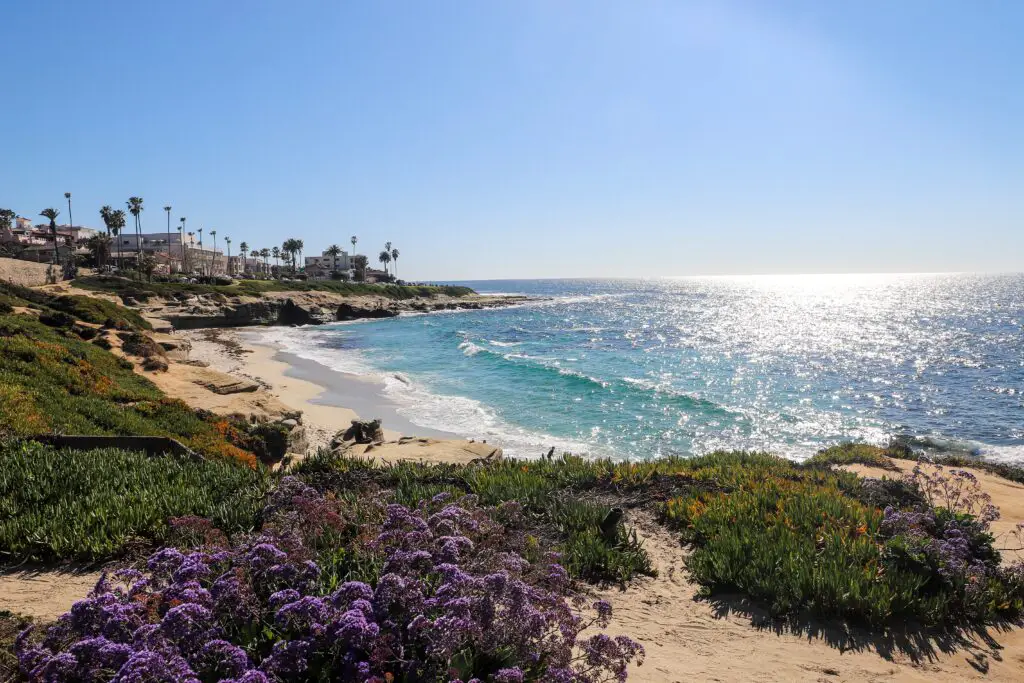
San Diego was once known for being relatively tolerant of vehicle dwellers and RV parking. In recent years, the city has passed and expanded ordinances restricting oversized vehicle parking overnight. Coastal neighborhoods, in particular, pushed for stricter enforcement. Many streets now have time limits or outright bans.
These changes were largely driven by resident complaints and sanitation concerns. While some designated safe parking programs exist, they are limited in scope. RVers traveling the coast often find themselves pushed inland. Beachfront flexibility is no longer something visitors can count on.
6. Lake Tahoe Basin, California and Nevada
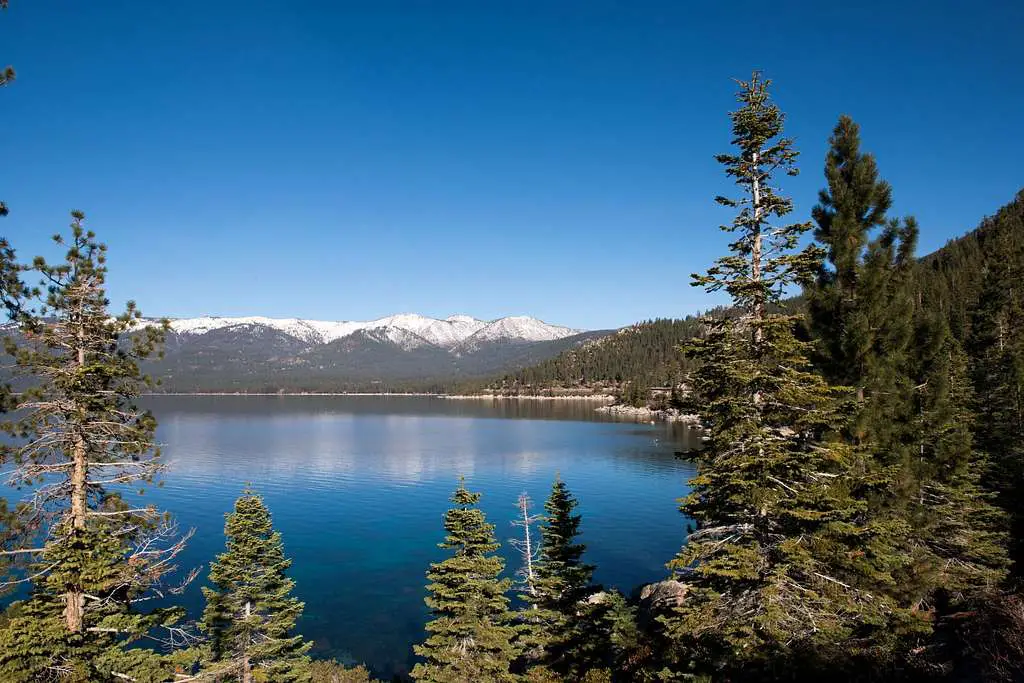
The Lake Tahoe area has long been a magnet for outdoor-loving RVers. Local jurisdictions have increased parking enforcement to protect water quality and manage traffic. Overnight parking bans are common around the lake’s most scenic areas. Snow removal and wildfire evacuation routes have also played a role.
Because the basin spans two states, rules can change quickly from one town to the next. This creates confusion for travelers trying to stay compliant. Many former roadside spots are now heavily patrolled. RVers must plan carefully or risk costly tickets.
7. Moab, Utah
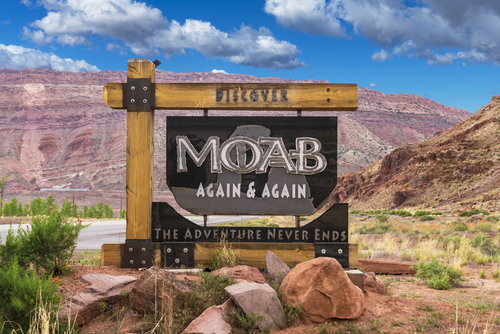
Moab exploded in popularity with the rise of social media and outdoor recreation. BLM land around town has seen significant restrictions, including designated camping zones only. Dispersed camping is no longer allowed in many areas close to town. These changes were made to address resource damage and overcrowding.
For RVers, the impact is immediate and noticeable. Campsites that once offered solitude now require permits or reservations. Larger rigs have fewer suitable options than ever. Moab remains incredible, but it demands far more planning than it used to.
8. Mount Hood National Forest, Oregon
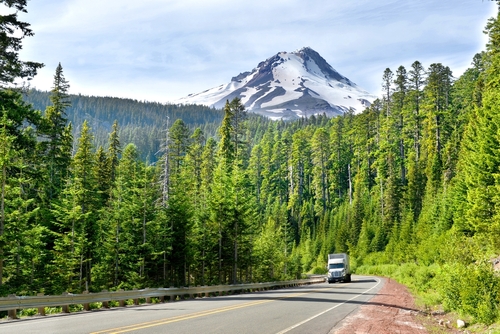
Mount Hood National Forest has historically offered abundant dispersed camping opportunities. Over time, the Forest Service has closed or limited access to areas suffering from overuse. Trash accumulation and illegal fire rings were major factors. Seasonal closures have also increased to reduce wildfire risk.
RVers now face narrower windows for legal camping. Many access roads are gated or restricted to smaller vehicles. What was once a casual overnight stop now requires research and backup plans. The forest is still open, but not as flexible as before.
9. Boulder Area, Colorado
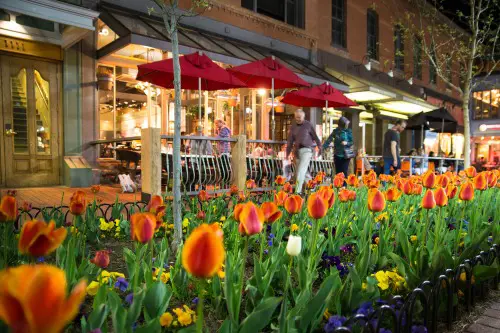
Boulder is known for its outdoor culture, but it has tightened rules around vehicle sleeping. City ordinances prohibit overnight parking in many areas, especially near open space land. Enforcement has increased alongside rising housing costs. RVs are often targeted due to size and visibility.
These policies were intended to balance community concerns with public land access. For RV travelers, the result is fewer legal overnight options near town. Nearby public lands also face growing pressure and restrictions. Boulder is welcoming during the day, but much harder at night.
10. Acadia National Park Vicinity, Maine
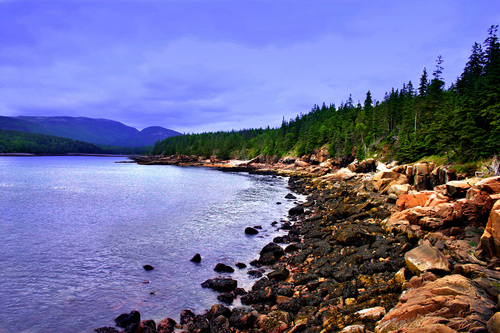
Acadia and the surrounding towns attract massive seasonal crowds. Local communities have restricted overnight roadside parking to manage traffic flow. Many former informal spots are now posted or monitored. Campgrounds fill quickly during peak months.
The coastal geography leaves little room for overflow camping. RVers without reservations often struggle to find legal places to stay. Towns have become less tolerant of overnight vehicle use. Acadia is still accessible, but spontaneity is increasingly difficult.
11. Flagstaff Area, Arizona
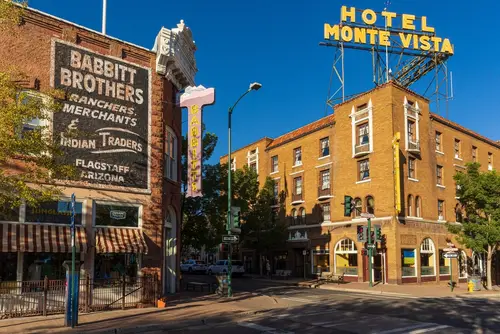
Flagstaff sits at the crossroads of several major travel routes and public lands. Coconino National Forest has implemented stricter dispersed camping rules near the city. Some areas now have stay limits or require permits. These changes aim to reduce long-term camping impacts.
RVers passing through may be surprised by how quickly spots fill up. Popular forest roads are often crowded or restricted. What used to be easy overnight stops now take more effort to find. Flagstaff remains RV-friendly, but only with preparation.
12. Outer Banks, North Carolina
The Outer Banks have always been sensitive to environmental pressures. Local governments have tightened overnight parking rules along beach access roads. Many towns prohibit sleeping in vehicles entirely. These rules are meant to protect dunes and manage tourism flow.
For RVers, this means fewer ocean-adjacent options. Campgrounds are often the only legal choice. Enforcement tends to increase during peak travel seasons. The beaches are still beautiful, but access comes with more rules.
13. Santa Fe Area, New Mexico
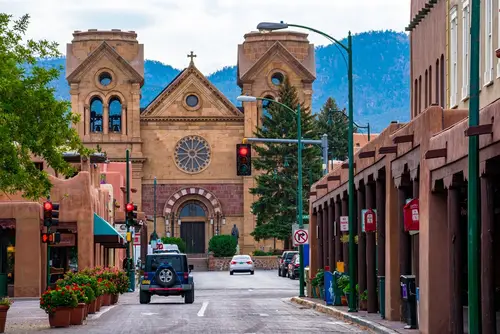
Santa Fe has seen increasing restrictions on overnight vehicle parking. City ordinances limit where and how long RVs can park. Nearby public lands have also faced growing pressure and regulation. Cultural preservation and neighborhood concerns are often cited.
These gradual changes add up for travelers. RVers may find fewer low-cost options near town. Areas that once felt welcoming now require careful navigation of local rules. Santa Fe is still worth the visit, but it’s no longer as easy to stay.
This post 13 Areas RVers Are Losing Access To Slowly was first published on Greenhouse Black.
