
1. Home prices always rise nationally over time

There’s a long-standing belief that U.S. home prices only move in one direction if you zoom out far enough. Historically, that has mostly been true at the national level, which makes the assumption feel safe. But recent years have shown sharper regional divergence, with some metros seeing real declines while others surge. By 2026, people may finally internalize that national averages hide meaningful and lasting local losses.
The reason this assumption may break is simple math and migration. Population growth is slowing, and some regions are losing residents outright. Insurance costs, taxes, and climate exposure are also creating pressure that didn’t exist at scale decades ago. In that environment, “always up” becomes a riskier bet depending on where the home is located.
2. Mortgage rates will snap back to 3 percent any day now

For years, buyers have assumed today’s higher mortgage rates are a temporary glitch that will quickly reverse. That belief is rooted in the unusually low-rate era after the Great Financial Crisis, which trained everyone to expect cheap money. But inflation has proven more persistent than many forecasts predicted, and central banks have been clear about avoiding a rapid return to ultra-loose policy. By 2026, more people may accept that today’s rates are closer to a new normal than a short-lived spike.
This matters because it changes how buyers plan, not just when they buy. If rates stay structurally higher, affordability calculations have to adjust permanently rather than waiting for a rescue. Builders, lenders, and consumers all behave differently when they stop assuming relief is right around the corner. That shift alone could reshape demand patterns in many markets.
3. Remote work permanently killed cities

At the height of remote work, it felt obvious that dense urban living was on the way out. Office vacancies soared, and many households relocated to suburbs or smaller metros. But hybrid work has proven more durable than fully remote models, pulling people back toward job centers at least part of the week. By 2026, the narrative that cities are obsolete may finally lose its grip.
Housing demand follows jobs, amenities, and social gravity. Cities still concentrate higher-paying roles, cultural institutions, and infrastructure in ways smaller markets can’t fully replicate. As employers recalibrate attendance expectations, proximity starts to matter again. That doesn’t mean a full reversal, but it does weaken the idea of a one-way exodus.
4. Starter homes are gone forever
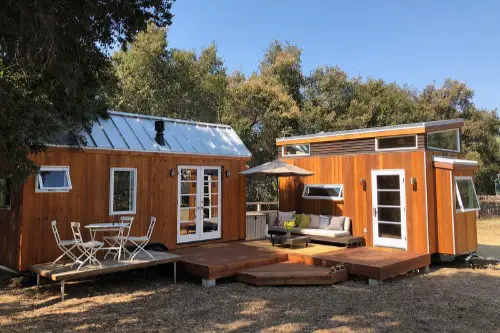
Many buyers now assume entry-level homes simply don’t exist anymore. Prices rose quickly, and builders focused on larger, higher-margin properties. That made the disappearance of starter homes feel permanent rather than cyclical. By 2026, this assumption may soften as policy and market incentives shift.
Several states and cities are already reforming zoning to allow smaller homes, duplexes, and accessory units. Builders are also responding to affordability pressure by shrinking square footage and simplifying designs. These changes don’t create cheap housing overnight, but they do reintroduce lower price points. Over time, that challenges the idea that first-time buyers have no physical options left.
5. Renting is always cheaper in the short run
A common rule of thumb says renting is the safer short-term financial choice. That has often been true when home prices and rates are high. However, rents have climbed rapidly in many regions, sometimes outpacing ownership costs on a monthly basis. By 2026, more households may realize that the math isn’t as one-sided as it once was.
This shift depends heavily on local conditions, but the trend is real. Limited rental supply and strong demand have pushed rents higher, while some ownership costs have stabilized. When rent increases become unpredictable, the “flexibility premium” of renting loses appeal. That weakens the assumption that renting automatically protects your budget.
6. Investors will dominate single-family housing forever

The rise of institutional investors buying single-family homes created a powerful narrative. Many assumed Wall Street would permanently outcompete individual buyers. But investor activity is highly sensitive to financing costs, rent growth, and regulation. By 2026, that dominance may look far less inevitable.
Returns have already compressed as prices rose and borrowing costs increased. Some jurisdictions are also scrutinizing bulk ownership more closely. When margins thin, large investors pull back faster than owner-occupants. That dynamic could reopen space for traditional buyers in certain markets.
7. Housing supply can’t meaningfully increase

It’s become fashionable to say the U.S. simply cannot build enough housing. Labor shortages, land constraints, and regulation all play a role, making the problem feel unsolvable. Yet permitting and construction do respond to sustained demand and political pressure. By 2026, the idea of permanently frozen supply may start to crack.
Incremental changes add up over time. Accessory dwelling units, multifamily rezonings, and faster approvals can meaningfully boost supply without mega-projects. These aren’t silver bullets, but they are measurable. As new units come online, the fatalism around supply may ease.
8. Millennials will delay homeownership indefinitely

For years, millennials were labeled the generation that would never buy homes. Student debt, high prices, and delayed family formation reinforced that storyline. But demographics are relentless, and millennials are aging into peak home-buying years. By 2026, this assumption may finally feel outdated.
Life events drive housing decisions more than headlines. Marriage, children, and job stability tend to push people toward ownership over time. Even if buying happens later, it still happens. That reality undercuts the idea of a permanently sidelined generation.
9. Climate risk won’t affect home values until far in the future

Many homeowners treat climate risk as a distant concern. Floods, fires, and storms are seen as long-term issues that won’t affect today’s prices. But insurance markets are reacting much faster than housing markets historically have. By 2026, this disconnect may be harder to ignore.
Rising premiums and coverage withdrawals change affordability in real time. When insurance becomes scarce or expensive, buyers notice immediately. That pressure can show up in prices, not just abstract risk models. As a result, climate exposure may start influencing valuations sooner than expected.
10. The 30-year fixed mortgage is untouchable
The 30-year fixed-rate mortgage is often treated as an unchangeable pillar of U.S. housing. It’s deeply ingrained culturally and politically. Still, lenders adapt when affordability strains persist. By 2026, more buyers may rely on alternatives without seeing them as risky outliers.
Adjustable-rate mortgages, rate buydowns, and shorter terms are already making a comeback. These products aren’t new, but they’re being used more deliberately. As long as underwriting remains conservative, they can expand access responsibly. That evolution challenges the idea that one loan type must dominate forever.
11. Homeownership automatically equals stability

Owning a home is often framed as the ultimate form of financial and personal stability. While that can be true, it assumes people stay put long enough to absorb transaction costs. In a more mobile labor market, that assumption doesn’t always hold. By 2026, the trade-offs may be discussed more openly.
Selling a home is expensive and slow compared to ending a lease. When jobs, caregiving, or health needs change quickly, flexibility has real value. Ownership still offers benefits, but they aren’t universal. Recognizing that nuance marks a break from the one-size-fits-all housing narrative.
This post Assumptions About Housing That May Finally Break in 2026 was first published on Greenhouse Black.
