
1. Vintage Star Wars Action Figures from Kenner (1977–1985)

If you tucked away original Star Wars action figures from the late 1970s and early 1980s and never put them on a shelf, you may be sitting on serious value. Figures produced by Kenner between 1977 and 1985 are especially sought after by collectors. Characters like Luke Skywalker, Darth Vader, and Boba Fett can command high prices. The key factor is that they were never opened or displayed.
Collectors pay a premium for examples that remain sealed on their original blister cards. Once opened, even careful display introduces light exposure, dust, and minor wear. Cardback creases, yellowed bubbles, or price sticker residue all reduce value. A figure that stayed untouched in an attic, protected from sunlight, often survives in far better condition than one proudly displayed in a bedroom.
2. First-Edition Harry Potter Books
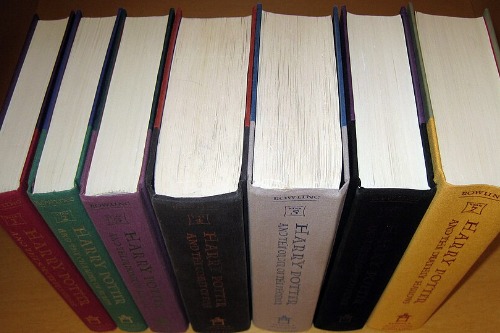
Early printings of Harry Potter and the Philosopher’s Stone can be remarkably valuable, particularly true first editions from 1997. The original UK print run by Bloomsbury was limited, with only 500 hardcover copies produced. Specific issue points, such as certain text errors on the copyright page, help confirm authenticity. Copies that were bought and stored away rather than read repeatedly are the most desirable.
A book that was never displayed on a sunny shelf typically retains a tight spine and crisp dust jacket. Sunlight can fade the jacket, and handling can cause edge wear and creasing. Collectors look closely at page condition, inscriptions, and whether the jacket is price-clipped. An attic-stored copy that avoided display often shows fewer of these common flaws.
3. 1960s Barbie Dolls in Original Packaging
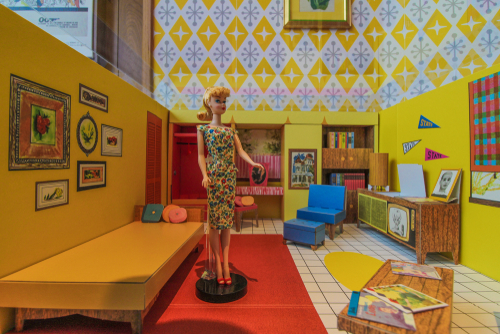
Original 1960s Barbie doll models from Mattel are highly collectible, especially early versions with specific markings and outfits. The earliest Barbies from 1959 through the mid-1960s can be worth thousands in excellent condition. Hair style, face paint, and body markings all factor into value. Dolls that were never removed from their boxes tend to bring the strongest prices.
Display often leads to faded vinyl, brittle limbs, and missing accessories. Original packaging, including stands and booklets, significantly boosts desirability. Once exposed to light and air, plastic can discolor and fabrics can deteriorate. An attic-kept doll that remained boxed avoids many of those issues and is far more appealing to serious collectors.
4. Sealed Early Video Games for the Nintendo Entertainment System
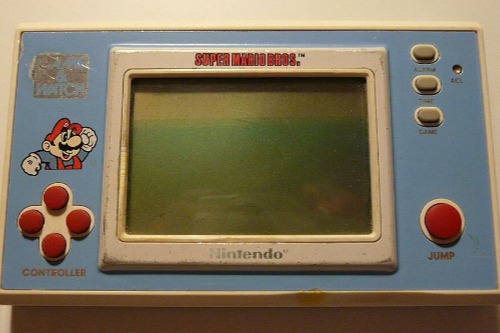
Unopened games for the Nintendo Entertainment System, especially black-box titles from the mid-1980s, can fetch substantial sums. Titles like Super Mario Bros. were produced in large numbers, but sealed copies are rare today. Grading services evaluate the condition of the box, seal, and corners. A game that was never displayed or opened typically retains a tight factory seal.
Displayed boxes often suffer from sun fading and shelf wear. Even minor dents or tears in shrink wrap can significantly affect graded value. Because many children opened and played their games immediately, untouched examples are scarce. An attic-stored copy that avoided light and handling stands a much better chance of achieving a high grade.
5. Vintage Comic Books from the Silver Age
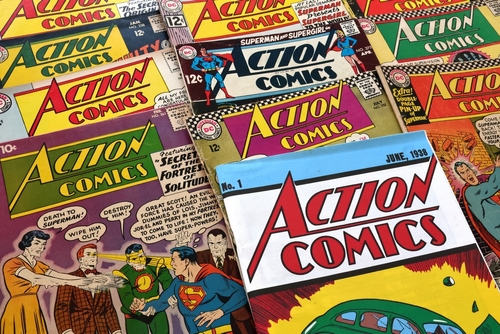
Silver Age comics from the late 1950s through 1970, such as early issues of The Amazing Spider-Man, are highly collectible. First appearances of major characters are particularly valuable. Condition is graded on a detailed scale that considers creases, spine ticks, and page quality. Copies that were never displayed often retain brighter covers and better page integrity.
Sunlight exposure can fade inks and turn pages brittle over time. Displaying comics without proper protection also increases the risk of edge wear and accidental bending. Even slight discoloration can lower a comic’s grade significantly. An attic copy that stayed bagged, boarded, and out of sight may earn a much higher grade than one framed on a wall.
6. Unworn Vintage Band T-Shirts

Original concert shirts from major tours, such as those from The Rolling Stones in the 1970s and 1980s, can command impressive prices. Authentic shirts from specific tours are especially sought after. Tags, stitching style, and fabric composition help date and verify them. Shirts that were never worn or displayed generally bring the strongest offers.
Displaying a shirt on a wall can stretch the fabric and cause fading. Cotton fibers weaken with light exposure and repeated washing. Collectors value vibrant graphics and intact seams. A shirt that remained folded in a box often shows richer colors and fewer signs of age.
7. Vintage Movie Posters Stored Flat
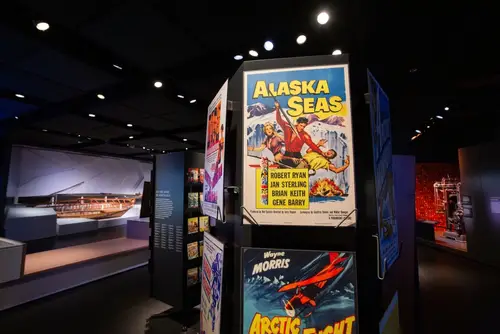
Original theatrical posters, such as those from Jaws, are far more valuable when they were never hung. Posters from the 1960s and 1970s were often printed in limited quantities for theaters. Pinholes, tape marks, and fold wear drastically reduce value. A poster that stayed rolled or stored flat without display damage stands out.
Hanging a poster introduces small holes and adhesive residue. Light exposure can cause noticeable fading, particularly in red and yellow inks. Even careful framing can leave impressions or discoloration over decades. An attic-stored poster that avoided walls and windows often retains sharper colors and cleaner edges.
8. 1950s and 1960s Baseball Cards
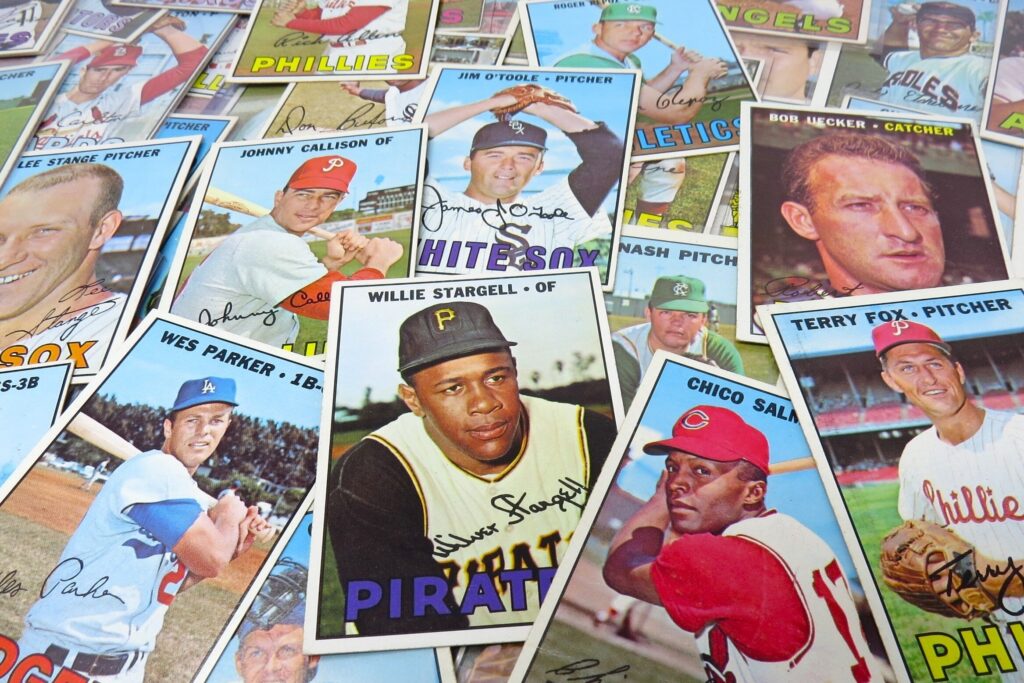
Mid-century baseball cards, especially from companies like Topps, are prized by collectors. High-grade examples of stars such as Mickey Mantle can reach extraordinary prices. Centering, corner sharpness, and surface gloss all factor into grading. Cards that were never displayed or handled extensively usually score higher.
Pinned cards or those taped into scrapbooks often show holes or residue. Even being kept loose in a drawer can cause corner wear. Professional grading companies scrutinize even tiny imperfections. A stack that remained undisturbed in its original packaging is far more likely to achieve a top-tier grade.
9. Vintage Advertising Signs with Original Paint
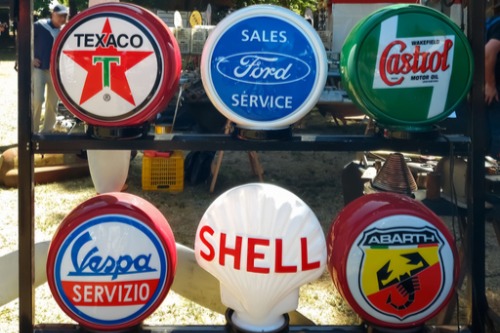
Mid-20th-century metal advertising signs can be surprisingly valuable. Signs promoting brands like Coca-Cola are particularly collectible. Condition of the paint and enamel is critical to value. Signs that were never displayed outdoors tend to retain stronger color and less rust.
Outdoor display exposes metal to moisture and temperature changes. Sunlight can fade paint and cause cracking over time. Even small areas of rust can lower a sign’s desirability. An attic-stored sign that avoided weathering often shows brighter graphics and minimal corrosion.
10. First Pressing Vinyl Records Still Sealed
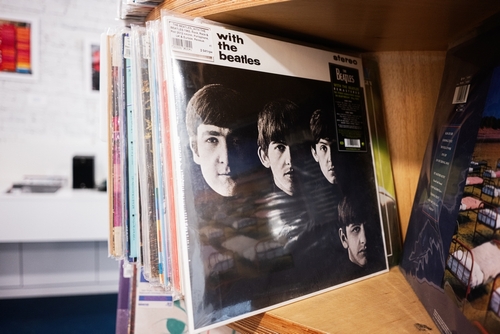
Original pressings of classic albums, such as The Beatles (White Album), can be highly valuable when sealed. Collectors distinguish between first pressings and later reissues by label details and matrix numbers. A sealed copy provides strong evidence that the vinyl inside remains unplayed. That unplayed status is a major driver of value.
Records displayed outside their sleeves risk warping and surface scratches. Even careful handling can introduce hairline marks that affect sound quality. Album covers can fade or develop ring wear from pressure. A copy that sat unopened in an attic often retains sharper corners and a cleaner cover.
11. Unopened LEGO Sets from the 1980s and 1990s
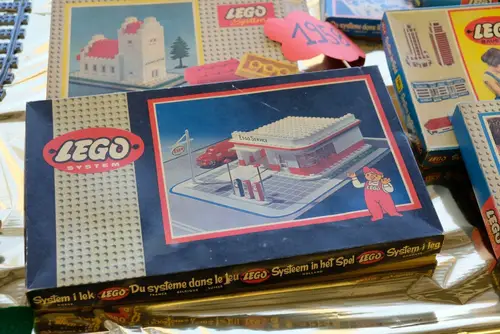
Certain retired LEGO sets from the 1980s and 1990s have appreciated significantly. Sets tied to popular themes can be especially desirable. Collectors prefer boxes that remain factory sealed with intact tape or shrink wrap. A set that was never opened or displayed often commands a strong premium.
Once assembled, pieces can be lost or replaced with later versions. Boxes displayed on shelves often show creases and sun fading. Even slight crushing can reduce collector interest. An attic-kept, sealed set avoids these common condition issues and is more appealing to serious buyers.
12. Early Apple Computer Products in Original Boxes
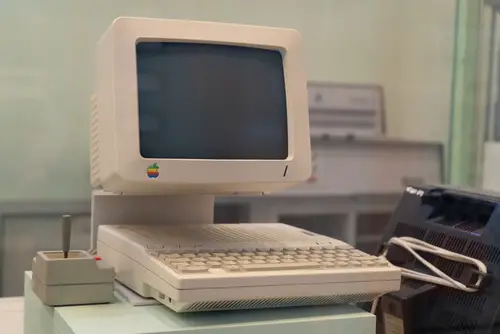
Early consumer electronics from Apple Inc., including models from the 1980s, are collectible. Complete systems with original packaging, manuals, and accessories are particularly desirable. Condition of plastics and printed materials affects value significantly. Units that were never displayed in sunlight often show less yellowing.
Ultraviolet light can cause plastic casings to discolor over time. Missing cables or documentation reduces completeness and price. Collectors prize examples that look as close to new as possible. An attic-stored system that remained boxed typically retains cleaner surfaces and more original components.
13. Designer Handbags Kept in Dust Bags
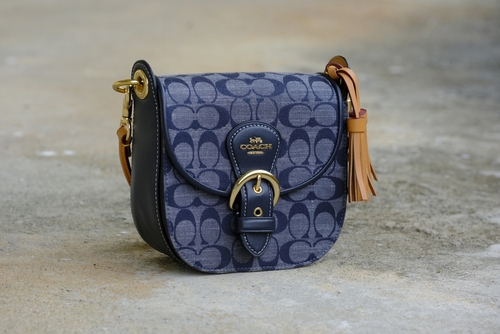
Luxury handbags from brands like Hermès can appreciate when preserved properly. Certain models and leathers are produced in limited quantities. Original packaging, dust bags, and receipts all strengthen resale value. A bag that was never carried or displayed often appears nearly new.
Displaying a handbag can expose it to light, dust, and accidental scuffs. Leather can fade or dry out when left in open air. Hardware may tarnish more quickly outside protective storage. A bag kept tucked away in its dust bag generally maintains better structure and finish, making it more attractive on the resale market.
This post 13 Attic Items That Gain Value Because They Were Never Displayed was first published on Greenhouse Black.
