
1. Working from home
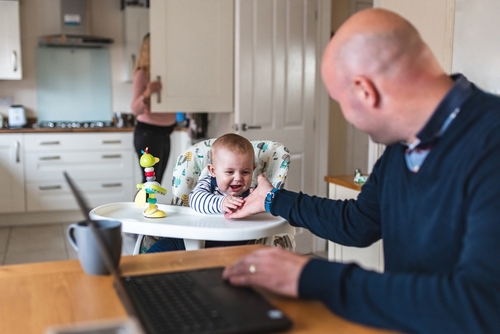
Not long ago, people apologized for working from home as if it were a personal favor or a sign they weren’t serious. They’d overexplain childcare, repairs, or “just this one day.” The assumption was that real work only happened under fluorescent lights. Now many people openly defend remote work as legitimate, productive, and often better for focus.
The shift happened because data piled up during the pandemic showing productivity didn’t collapse. Companies also saw reduced overhead and wider talent pools. Workers experienced fewer commutes and more control over their time. What used to sound like an excuse now sounds like a rational preference backed by results.
2. Taking mental health days

Mental health days used to come with awkward apologies and vague explanations about “not feeling well.” People felt pressure to hide anxiety, burnout, or depression behind physical symptoms. The idea that your brain could need rest like your body was not widely accepted. Today, many workers clearly name mental health as a valid reason to take time off.
This change came as mental health research became more mainstream and less stigmatized. Employers began recognizing burnout as a real risk to retention and performance. Public figures and athletes speaking openly helped normalize the language. As a result, people now defend mental health days as preventative care, not weakness.
3. Setting boundaries at work

Employees once apologized for not answering emails at night or declining extra projects. Being “always available” was framed as dedication rather than erosion of personal time. Saying no could quietly brand you as difficult or unmotivated. Now, more people openly defend boundaries as necessary for sustainable work.
Burnout studies and mass resignations forced companies to confront unrealistic expectations. Clear boundaries have been linked to better long-term performance and morale. Labor conversations shifted toward fairness instead of martyrdom. What was once a sheepish refusal is now often framed as professionalism.
4. Going to therapy

Therapy used to be something people mentioned in whispers, if at all. Many apologized for needing help, as if it meant they were broken or unstable. Pop culture often portrayed therapy as a last resort for serious crises. Today, people casually mention therapy and defend it as routine self-maintenance.
This shift followed greater visibility of mental health education and online resources. Insurance coverage expanded in some regions, making therapy more accessible. Social media also normalized conversations about coping and emotional skills. Therapy is now commonly defended as proactive, not reactive.
5. Not drinking alcohol

Choosing not to drink once required lengthy explanations at dinners and parties. People apologized to hosts or assured others they weren’t judging. Drinking was treated as the default social behavior. Now, many people confidently defend sobriety or reduced drinking as a health choice.
Research linking alcohol to sleep disruption, cancer risk, and mental health issues became more widely known. The rise of sober-curious movements and nonalcoholic options helped normalize alternatives. Social pressure began to ease as more people opted out. What once sounded antisocial now sounds informed.
6. Wearing masks when sick

Before COVID-19, wearing a mask in public often came with apologetic explanations. In many Western countries, it was seen as excessive or strange. People worried about looking paranoid or dramatic. Now, many openly defend masking when sick as basic courtesy.
The pandemic rewired public understanding of airborne illness. People saw firsthand how quickly viruses spread in shared spaces. Masking became associated with protecting others, not fear. What used to prompt awkward looks now has a clear public-health rationale.
7. Correcting how people pronounce your name

People long felt rude correcting mispronunciations of their names. They often apologized and accepted incorrect versions to avoid discomfort. This was especially common for names outside dominant cultures. Today, more people defend correcting names as a matter of respect.
Conversations about identity and inclusion made names more visible as personal markers. Workplaces increasingly emphasize getting names right as part of belonging. Digital tools also made pronunciation easier to learn. What once felt nitpicky is now framed as basic courtesy.
8. Discussing salary

Talking about pay used to be something people apologized for or avoided entirely. Salary discussions were labeled impolite or risky. This silence often benefited employers more than workers. Now, many people openly defend salary transparency as a fairness issue.
Research showed that pay secrecy contributes to wage gaps. Labor laws in several countries explicitly protect pay discussions. Online platforms made anonymous sharing easier and more common. What once felt taboo is now argued as necessary for equity.
9. Delaying marriage or children

People used to apologize for not hitting traditional life milestones on schedule. They’d explain finances, careers, or “not being ready yet.” Deviating from the timeline was treated as something to justify. Today, many defend delayed or alternative paths as intentional choices.
Economic realities like housing costs and student debt reshaped expectations. Studies also showed people marry later without worse outcomes. Cultural narratives expanded beyond one life script. What once sounded like indecision is now often described as thoughtful planning.
10. Using accessibility tools

Using captions, screen readers, or ergonomic tools once came with apologies. People feared being seen as needy or inconvenient. Accessibility was treated as an exception rather than a norm. Now, many defend these tools as universally helpful.
Research showed captions improve comprehension for non-disabled users too. Remote work made accessibility features more visible and normalized. Laws and standards reinforced their importance. What once felt like a special request is now framed as smart design.
11. Taking all your vacation time

Employees once apologized for taking full vacation allotments. They worried about appearing lazy or replaceable. Unused PTO was often worn as a badge of honor. Today, more workers defend using all their time off as responsible.
Studies linked rest to better productivity and lower turnover. Some companies even began encouraging or mandating time off. Cultural conversations shifted from hustle to sustainability. What once felt indulgent is now seen as necessary maintenance.
This post Behaviors People Used to Apologize For — Now Defend was first published on Greenhouse Black.
