
1. Formal Dining Rooms
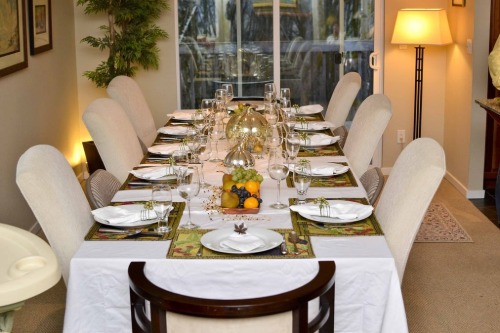
Buyers often say they’d rather have flexible space than a room reserved for holidays and hosting guilt. Many families eat at kitchen islands or casual dining tables and rarely use a formal dining room at all. The room can feel wasted, especially in smaller homes where every square foot matters. It also adds furnishing pressure, because an empty dining room looks unfinished.
Builders keep including them because they’re easy to standardize in floor plans. Appraisers still recognize formal dining rooms as a value-neutral or value-positive feature in many markets. They also help segment space clearly, which makes plans easier to market on paper. From a design standpoint, it’s simpler than reengineering layouts for adaptable multipurpose rooms.
2. Oversized Jetted Bathtubs
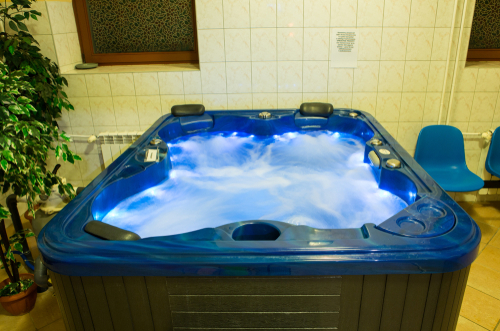
Many buyers don’t want jetted tubs because they’re hard to clean and rarely used. The jets can harbor mold if not meticulously maintained, which turns off hygiene-conscious homeowners. Most people prefer a larger walk-in shower with good water pressure instead. The tub often ends up taking valuable bathroom space that could be used for storage or a double vanity.
Builders still install them because they’ve long been associated with “luxury” in primary bathrooms. Plumbing layouts are already designed around these tubs in many model plans. Removing them can require redesigning drain locations and framing. They also photograph well in listings, even if buyers don’t plan to use them.
3. Carpet in Main Living Areas

Buyers increasingly prefer hard flooring like hardwood, engineered wood, or luxury vinyl. Carpet stains easily, traps allergens, and wears out faster in high-traffic areas. Many homeowners replace it immediately after moving in, which feels wasteful. It also limits furniture placement and style flexibility.
Builders include carpet because it’s significantly cheaper upfront than hard flooring. It helps keep base home prices lower for marketing purposes. Carpet also hides minor subfloor imperfections during construction. From a scheduling standpoint, it’s fast to install near the end of a build.
4. Two-Story Foyers
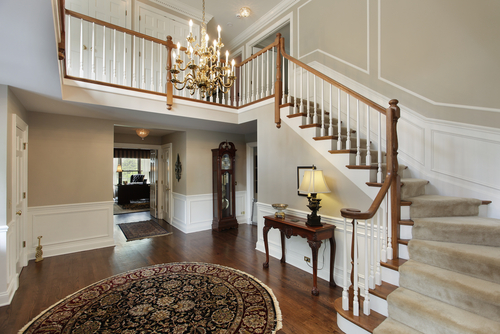
Buyers often describe two-story foyers as echoey and inefficient. They add vertical drama but don’t add usable square footage. Heating and cooling these spaces can be less energy-efficient. Many homeowners would rather have an extra room or closet instead.
Builders keep them because they make homes feel impressive during walkthroughs. Tall foyers photograph well and create a strong first impression. Structurally, they’re already engineered into many popular suburban plans. They also allow staircases to be showcased prominently, which still sells emotionally.
5. Built-In Desk Nooks
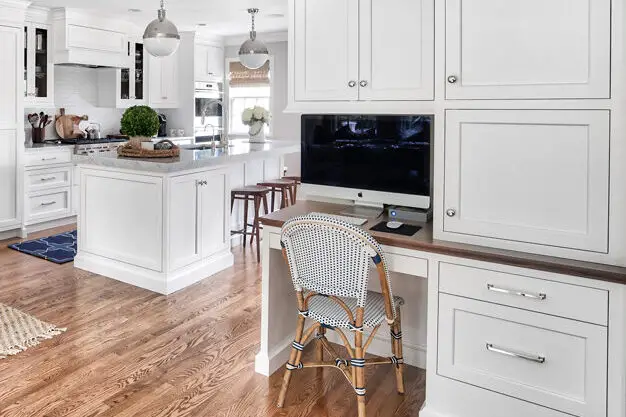
Desk nooks were once marketed as perfect home organization solutions. Buyers now find them too small for real work and too permanent to repurpose easily. With remote work, people want dedicated offices or flexible rooms. Built-ins can feel awkward when laptops, monitors, and cords don’t fit well.
Builders include them because they’re inexpensive ways to suggest functionality. A desk nook helps fill odd wall spaces without changing structural layouts. They photograph nicely when staged with a chair and a plant. Removing them would often require rethinking cabinetry packages.
6. Pot Fillers Over the Stove
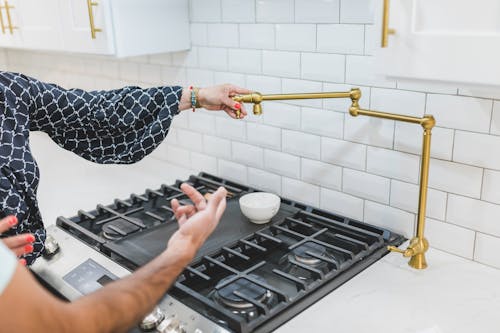
Buyers are increasingly indifferent or negative about pot fillers. They add another plumbing fixture that can leak and require maintenance. Many people point out that you still have to carry the heavy pot back to the sink anyway. For households that don’t cook large meals often, it feels unnecessary.
Builders keep installing them because they signal “chef’s kitchen” to buyers touring the home. The cost is relatively low when plumbing is installed during construction. They’re also trendy features that linger long after buyer preferences shift. In competitive markets, builders hesitate to remove anything perceived as upscale.
7. Granite Countertops Instead of Quartz
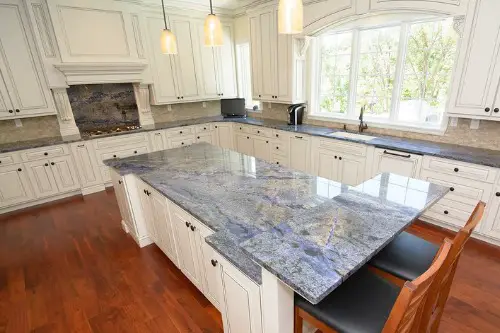
Many buyers now prefer quartz for its durability and low maintenance. Granite requires sealing and can stain if neglected. The natural variation that once felt luxurious can now feel visually busy. Buyers also worry about chipping along edges.
Builders still use granite because it’s often cheaper in bulk contracts. Supply chains for granite are well-established in many regions. Some buyers still ask for “natural stone,” and granite satisfies that expectation. It also allows builders to offer quartz as a paid upgrade.
8. Media Rooms with Tiered Seating
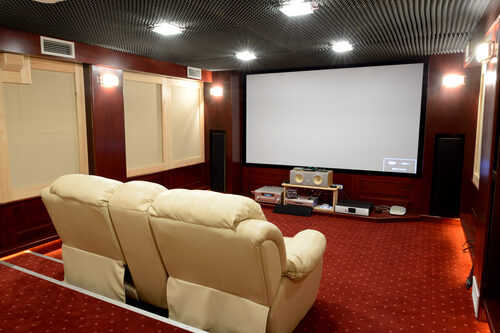
Buyers increasingly favor flexible bonus rooms over dedicated media spaces. Fixed tiers limit how the room can be used as needs change. Families now stream content on multiple devices rather than gathering for movie nights. The space can feel dated if the theater setup isn’t used.
Builders include media rooms because they differentiate listings from similar homes. The framing and risers are straightforward during construction. They also appeal to a specific buyer segment, even if it’s smaller. Marketing a “home theater” still sounds exciting in brochures.
9. Microwaves Over the Range

Many buyers dislike over-the-range microwaves because they’re awkward to access. Shorter users struggle with height, while taller users find them intrusive. Venting performance is often weaker than a dedicated range hood. Aesthetically, they block clean sightlines in modern kitchens.
Builders install them because they save space and reduce appliance costs. Combining two functions simplifies kitchen layouts. It also avoids the expense of custom cabinetry for a built-in microwave. From a code and installation standpoint, it’s a familiar, low-risk choice.
10. Small, Closed-Off Laundry Rooms
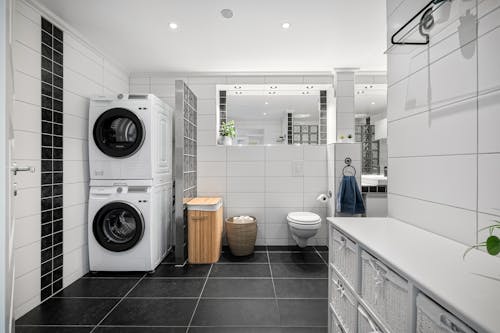
Buyers increasingly want laundry rooms with storage, folding space, and airflow. Tiny rooms make appliances feel cramped and inconvenient. Poor ventilation can trap heat and humidity. People using laundry daily notice these issues quickly.
Builders keep laundry rooms small to prioritize bedrooms and living areas. Plumbing and venting are easier when the footprint is compact. Enlarging the room often means reducing adjacent spaces. Many builders assume buyers will accept laundry as a purely functional zone.
11. Open Kitchen Shelving
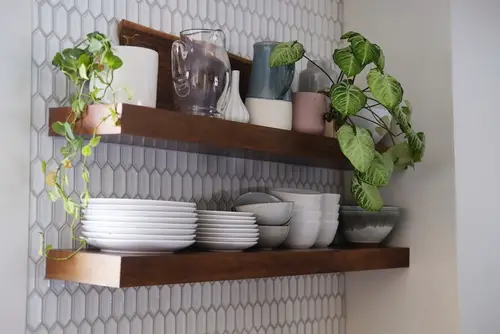
Buyers often complain that open shelves collect dust and look messy fast. They require constant styling to look good in real life. Everyday dishes rarely match the curated look from model homes. Storage capacity is also reduced compared to closed cabinets.
Builders include open shelving because it’s cheaper than full cabinetry. It aligns with design trends seen in magazines and show homes. Shelving lightens the visual weight of kitchens during tours. Even if buyers plan to replace it later, it helps sell the space initially.
This post Builders Still Include These Features Even Though Buyers Don’t Want Them was first published on Greenhouse Black.
