
1. Columbus, Ohio

Columbus appeals to buyers looking for economic stability rather than rapid appreciation. Its mix of education, healthcare, government, and tech jobs feels resilient. Buyers appreciate that prices have grown steadily instead of explosively. That predictability has become a feature, not a drawback.
Quality-of-life considerations are front and center. Commute times, walkability, and access to parks come up early in searches. Buyers want neighborhoods that function well day to day. Columbus offers balance, and that balance resonates right now.
2. Tampa Bay, Florida

Buyers still love the beaches and year-round warmth, but they are scrutinizing the true cost of ownership more closely now. Home insurance premiums have risen sharply in many coastal Florida markets, and some policies are harder to secure at all. That has made monthly budgets less predictable, especially for first-time buyers. People are now asking detailed questions about flood zones, roof age, and wind mitigation before they fall in love.
At the same time, demand hasn’t disappeared, it’s just more selective. Homes farther inland or built to newer construction standards are getting more attention than waterfront properties that once felt untouchable. Buyers are also paying closer attention to HOA reserves and the risk of special assessments. Tampa Bay is still desirable, but the math matters more than it used to.
3. Austin, Texas

Austin was a poster child for pandemic-era price surges, and buyers remember that clearly. Now they are watching inventory levels and price reductions with a much more patient eye. Higher mortgage rates have cooled bidding wars that once felt unavoidable. Many buyers feel they finally have negotiating room again.
Property taxes are also part of the recalculation. Texas has no state income tax, but annual property tax bills can be substantial. Buyers are running long-term cost scenarios instead of focusing only on list price. Austin still attracts interest, but buyers no longer assume it will always go up.
4. Boise, Idaho

Boise gained national attention during the remote-work boom, and buyers haven’t forgotten how fast prices rose. Now they are evaluating whether current prices still match local wages. Some buyers are reconsidering commute realities as remote work becomes less flexible. Others are weighing lifestyle appeal against geographic isolation.
Environmental factors have entered the conversation as well. Seasonal wildfire smoke and air quality are concerns buyers raise during showings. People want to know how often smoke affects daily life and whether homes are equipped with good filtration systems. Boise still appeals, but buyers are adjusting expectations.
5. San Francisco, California

Buyers are approaching San Francisco with far more caution than they did a few years ago. Condo prices have softened in several neighborhoods, encouraging a slower, more deliberate search. Remote and hybrid work have reduced the premium once placed on proximity to downtown offices. That shift has reshaped what feels worth paying for.
HOA finances are under closer scrutiny than ever. Buyers carefully review reserves, deferred maintenance, and the likelihood of special assessments. Single-family homes remain competitive, but negotiations are more common. San Francisco still has pull, just without the sense of inevitability.
6. Detroit, Michigan
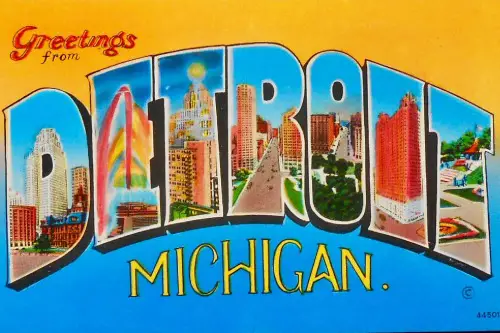
Detroit is drawing buyers who are priced out elsewhere and open to upside potential. Home prices remain low relative to other major metros, which changes what’s possible for first-time buyers. Neighborhood selection matters greatly, and buyers are doing detailed local research. The city rewards preparation more than impulse.
There is also growing interest in Detroit’s cultural and economic revival. Buyers are tracking infrastructure projects, business development, and community investment. At the same time, they budget realistically for older housing stock and maintenance costs. Detroit feels intentional now, not speculative.
7. Phoenix, Arizona

Phoenix continues to draw attention for job growth and relative affordability compared to coastal cities. At the same time, buyers are thinking more seriously about extreme heat and long-term livability. Triple-digit summers are no longer an abstract concern for people planning to stay put. Cooling costs and energy efficiency now weigh heavily in decisions.
Water access has also become a practical question rather than a political one. Buyers ask about water rights, HOA landscaping rules, and municipal planning. Newer homes with desert-adapted designs are standing out more. Phoenix isn’t being avoided, but buyers are looking with clearer eyes.
8. Raleigh-Durham, North Carolina

The Research Triangle continues to attract buyers tied to tech, biotech, and higher education. Job opportunities feel durable, even amid broader economic uncertainty. Buyers are paying closer attention to where growth is actually happening within the region. Submarket choice matters more than the metro label.
Infrastructure and traffic are also bigger considerations now. Buyers ask about road expansion, public transit plans, and school capacity. They want to understand how growth will affect daily life five or ten years out. Raleigh-Durham still feels promising, but buyers want specifics.
9. Nashville, Tennessee
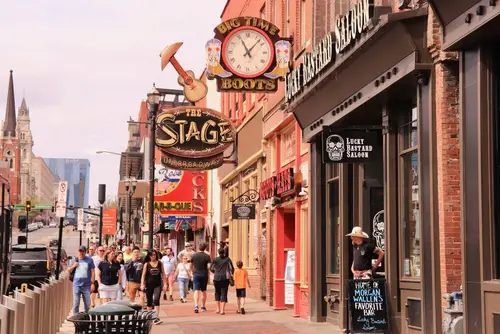
Nashville’s popularity hasn’t vanished, but buyers are more measured. Rapid price increases over the past decade have made affordability a real concern. Buyers are carefully comparing Nashville to other Southern metros with similar amenities. The city is no longer seen as a bargain by default.
Tourism also plays into buyer thinking. Short-term rental regulations and neighborhood character matter more than before. Buyers want clarity on zoning and long-term policy direction. Nashville still excites, but buyers want fewer surprises.
10. Denver, Colorado

Denver remains attractive for its outdoor lifestyle and strong job market. However, buyers are more conscious of how much they’re paying for that access. Rising home prices combined with higher interest rates have narrowed budgets. Buyers are prioritizing location and condition more sharply.
Wildfire risk and insurance costs have entered mainstream buyer discussions. People want to understand defensible space, building materials, and coverage availability. Newer homes in lower-risk areas are in higher demand. Denver still appeals, but risk assessment is now part of the process.
11. New Orleans, Louisiana
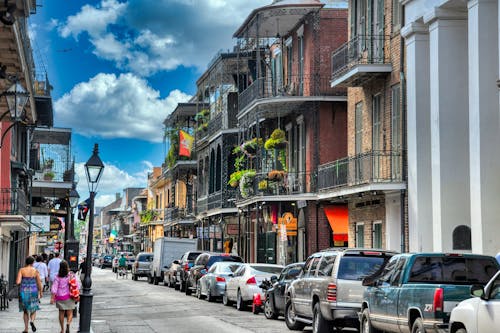
New Orleans continues to charm buyers with culture and architecture. At the same time, buyers are much more focused on resilience. Flood risk, insurance costs, and elevation are key considerations. These factors now influence which neighborhoods feel viable.
Buyers also look closely at infrastructure and city services. Power reliability and drainage improvements come up frequently. Historic homes attract interest, but buyers budget carefully for upkeep. New Orleans remains unique, but buyers are planning with realism.
12. Minneapolis–St. Paul, Minnesota

The Twin Cities are appealing to buyers seeking strong amenities and relative affordability. Buyers appreciate the balance of job opportunities, parks, and cultural institutions. Home prices feel grounded compared to coastal markets. That stability is attractive in uncertain times.
Climate is viewed differently now as well. Harsh winters are weighed against lower climate risks like wildfires or hurricanes. Buyers are thinking long term about resilience and infrastructure. Minneapolis–St. Paul feels practical, not flashy, and that’s working in its favor.
13. Las Vegas, Nevada

Las Vegas continues to attract buyers from higher-cost states. No state income tax and relatively affordable housing remain strong draws. However, buyers are thinking more about sustainability than they used to. Heat and water concerns are part of nearly every serious discussion.
The job market also factors in more heavily. Buyers look beyond hospitality and tourism for economic diversity. Newer master-planned communities attract attention for efficiency and amenities. Las Vegas still draws interest, but buyers are thinking past the Strip.
14. Atlanta, Georgia
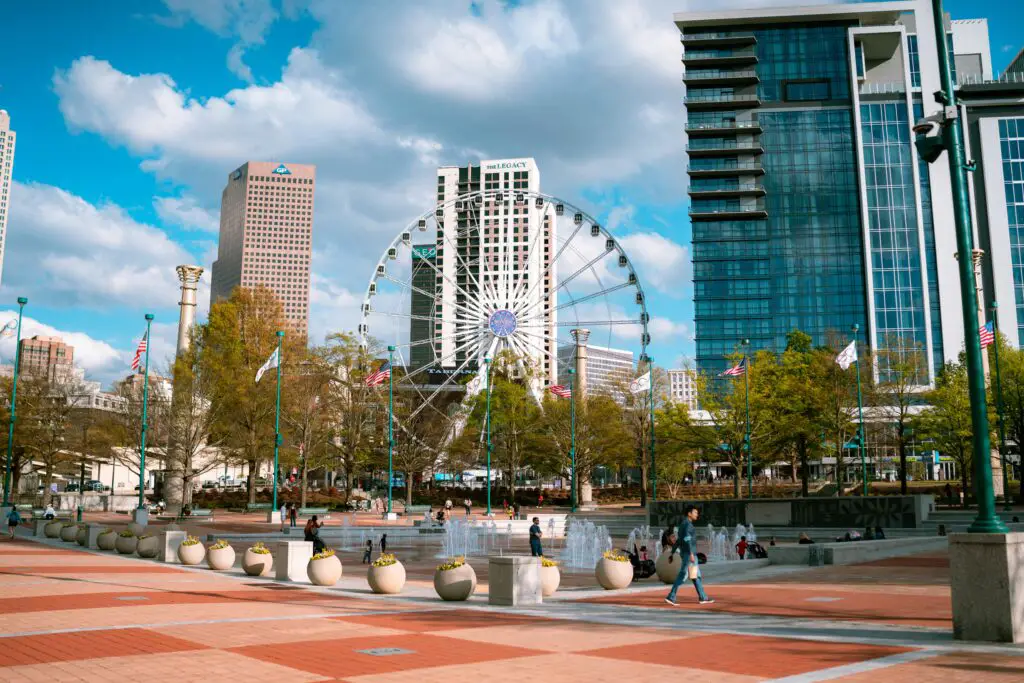
Atlanta appeals to buyers for its size, job diversity, and cultural influence. Buyers are looking more carefully at sprawl and commute times than in the past. Neighborhood selection can dramatically affect daily life. That reality is shaping search strategies.
Housing stock variety is another factor. Buyers compare older intown homes with newer suburban builds more carefully. School districts, transit access, and future development plans all weigh heavily. Atlanta still offers opportunity, but buyers are choosing with intention.
This post Buyers Are Looking at These Places Differently Now was first published on Greenhouse Black.
