
1. Leaving Trash Behind
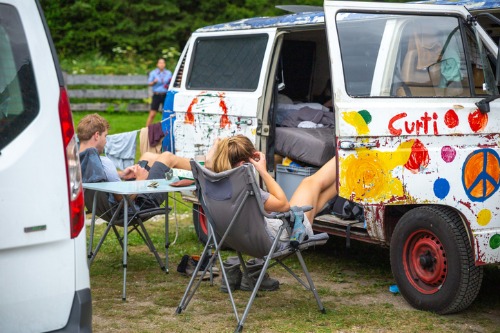
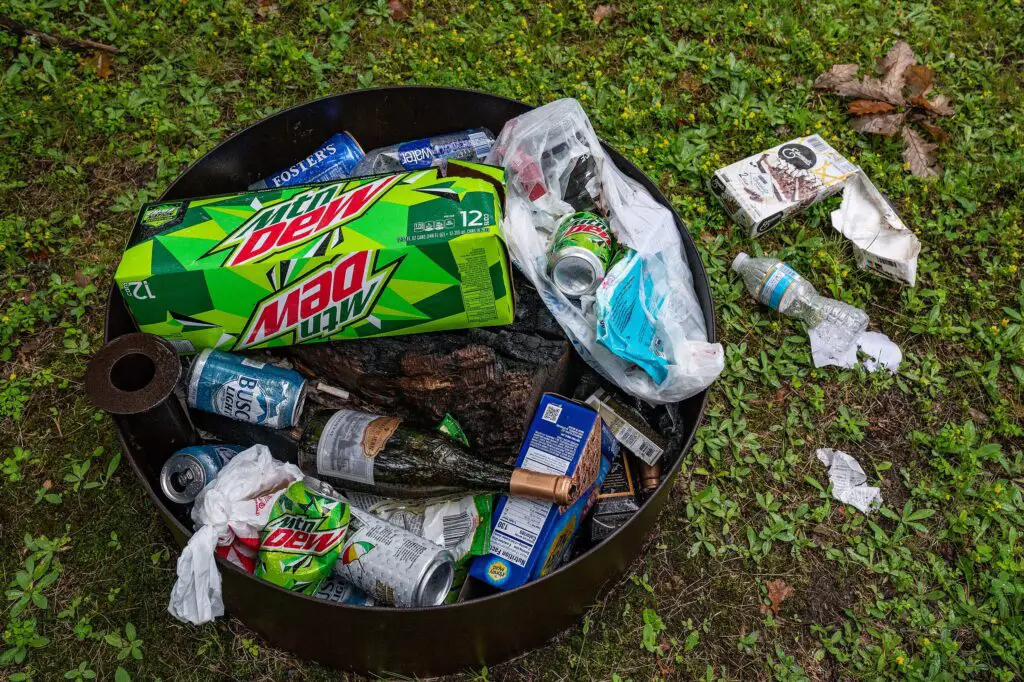
Nothing gets you booted from a private camping group faster than leaving a messy campsite. When you pack up and leave, everything you brought in should go back out—no exceptions. Trash attracts animals, damages the environment, and makes the next camper’s experience miserable. Group admins often hear from campground hosts about repeat offenders, and those names circulate quickly.
Even biodegradable items like fruit peels and coffee grounds can take months to break down and disrupt local wildlife habits. Leaving litter behind signals carelessness, not adventure. Private camping communities pride themselves on “Leave No Trace” ethics, so anyone ignoring that rule is seen as disrespecting the land. You might get a warning once—but after that, you’re out.
2. Ignoring Quiet Hours
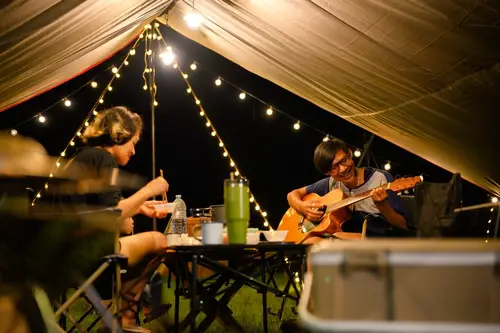
Campgrounds set quiet hours for a reason—to give everyone a chance to rest and enjoy nature’s peace. Blasting music, yelling around the fire at midnight, or letting your dog bark nonstop are all fast tracks to complaints. In private groups, repeat noise violations are often reported by other members who value tranquility. It’s not about being uptight—it’s about respecting shared space.
Most private campgrounds set quiet hours between 10 p.m. and 7 a.m., and enforcement can be strict. Even generators and loud air conditioners are expected to go off during that time. When you ignore these guidelines, you’re showing that your fun matters more than everyone else’s comfort. And that’s the kind of attitude that doesn’t last long in member-only groups.
3. Cutting Through Other Campsites
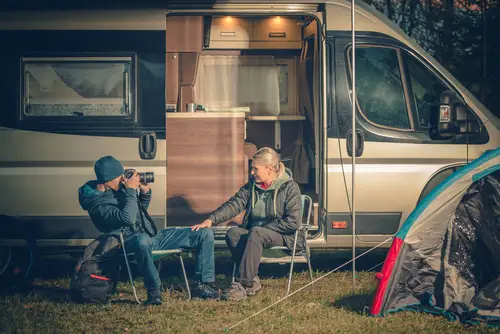
Walking through someone else’s campsite might seem harmless, but it’s one of the biggest etiquette no-nos in camping culture. Each site is considered personal space, and uninvited foot traffic makes campers feel disrespected or unsafe. Many private group members have stories of strangers cutting through just to save a few steps to the restroom. It feels invasive—and it’s one of the fastest ways to make enemies.
Even if the shortest path to the lake or trailhead cuts through another spot, find another route. Respecting boundaries shows you understand camping culture and personal privacy. In tightly knit private groups, respect is everything, and violations are remembered. A moment of impatience can get your name quietly dropped from future invites.
4. Leaving Campfires Unattended
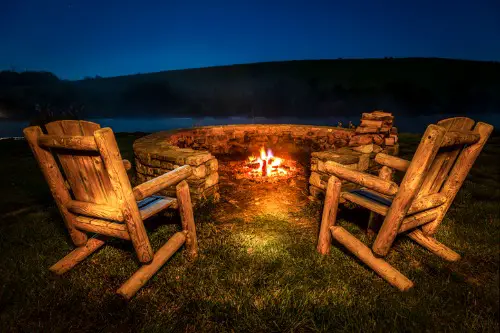
Nothing will get you blacklisted faster than being careless with fire. Unattended or improperly extinguished campfires cause thousands of wildfires every year, and private group owners take that seriously. Even a small ember left smoldering can spark disaster hours later. It’s not just bad behavior—it’s dangerous and illegal in many states.
If you’re camping with others, assign someone to watch the fire at all times. Before bed or departure, douse it thoroughly with water, stir the ashes, and douse again until it’s cold. Groups often share reports with each other about negligent campers to protect their reputation and access. Fire safety isn’t negotiable—it’s a core value in responsible camping.
5. Ignoring Pet Rules

Pet policies aren’t optional—they’re there to protect wildlife, other campers, and your own furry friend. Letting your dog roam unleashed, bark nonstop, or leave waste behind can get you uninvited from private events. Even if you think your pet is friendly, not everyone feels the same way. In campgrounds, safety and courtesy trump personal preference.
Private group members are often animal lovers, but they also know one bad experience can ruin a trip for everyone. If your dog chases deer, digs up someone’s tent line, or growls at kids, it’s a problem. Following leash laws and cleaning up waste shows you respect shared spaces. Break that trust, and you’ll likely lose your camping privileges.
6. Overstaying Checkout Times
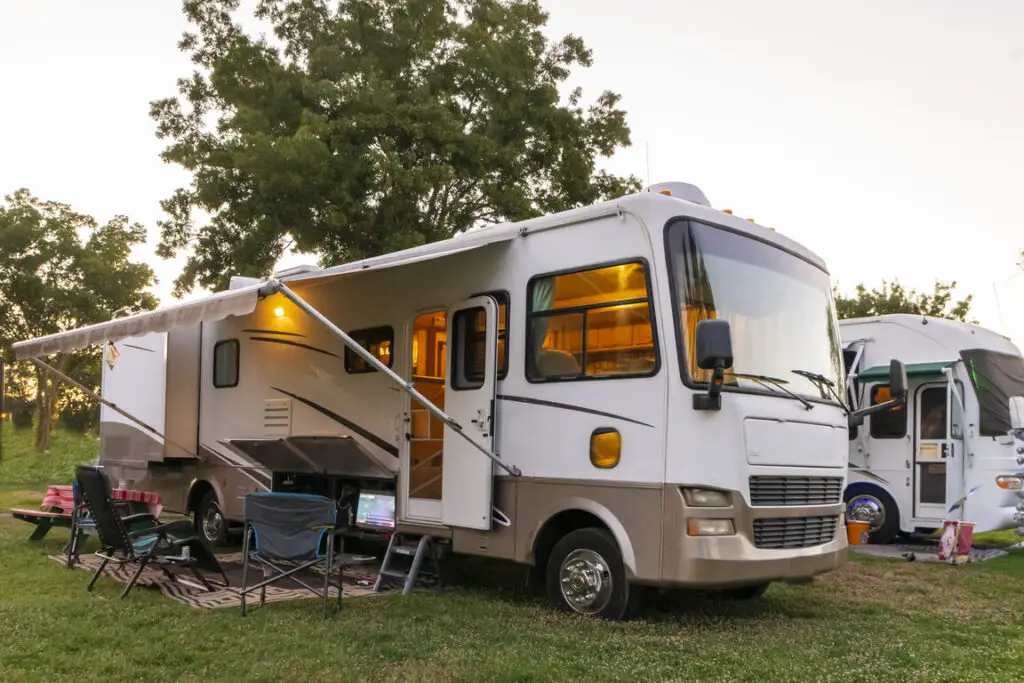
Check-out times exist so the next camper—and the host—can prepare the site. Staying late without permission creates a domino effect, delaying check-ins and cleaning schedules. Private campgrounds often operate on tight timelines, and inconsiderate guests throw off the entire rhythm. It’s seen as disrespectful to both staff and other members.
If you want a late checkout, always ask ahead and expect to pay a fee. Sneaking in extra hours without approval feels entitled, especially in small, invitation-only communities. Word spreads quickly in private networks about people who “push their luck.” It’s better to leave early and be welcomed back than stay late and never be invited again.
7. Dumping Waste Improperly
Dumping gray or black water anywhere except designated stations is a huge red flag. It contaminates the environment and can even violate local health regulations. Private camping groups often partner with campgrounds that have strict waste policies, and one bad actor can ruin those partnerships. Dumping waste on the ground isn’t just gross—it’s a serious breach of trust.
Even biodegradable soaps can pollute natural water sources when used irresponsibly. Always know where dump stations are located and use proper equipment. If a host catches you cutting corners, expect to be reported to group admins. Responsible disposal keeps the land—and your reputation—clean.
8. Ignoring Site Boundaries
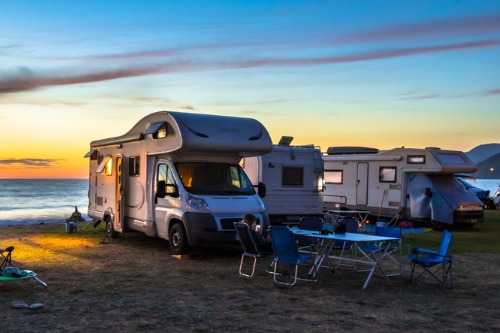
Every campsite has a boundary, and staying within it is part of good etiquette. Spreading your gear, hammocks, or vehicles beyond your reserved area encroaches on others’ space. In crowded private campgrounds, space is precious, and crossing lines—even unintentionally—can start conflicts. Campers value personal space as much as privacy.
Always check your site map or markers before setting up. If you need extra room, ask management instead of assuming. It shows maturity and respect for your neighbors. Groups tend to remember campers who play by the rules—and those who don’t.
9. Leaving Food Out Overnight
Leaving food out isn’t just messy—it’s dangerous. It attracts raccoons, bears, and other wildlife, putting everyone at risk. Private group campgrounds are often in rural or wilderness areas, where one careless act can lead to an animal becoming habituated to humans. That usually ends with the animal being relocated—or euthanized.
Proper food storage is basic outdoor safety. Use bear-proof containers, sealed bins, or your locked vehicle to store food and trash. When you leave items out, it’s not only inconsiderate but can also lead to property damage and fines. Responsible campers protect both people and wildlife.
10. Being Disrespectful to Hosts or Staff
Camp hosts and staff keep things running smoothly, and rudeness toward them spreads through private networks fast. Complaining aggressively, ignoring their rules, or refusing to follow instructions marks you as high-maintenance. Even if there’s a legitimate issue, how you handle it matters. Respect and kindness go a long way in tight-knit communities.
Private groups often get exclusive access to certain campgrounds because they maintain a good reputation. If you jeopardize that relationship, you’ll be seen as a liability. A bad attitude can undo years of goodwill built by the group. When you treat hosts with respect, you’re helping preserve that access for everyone.
11. Hosting Unapproved Guests
Bringing unregistered guests might seem harmless, but it violates campground safety and liability rules. Every person on-site needs to be accounted for in case of emergencies. Private groups often have membership vetting processes, and sneaking in outsiders undermines that trust. It also increases noise, crowding, and strain on shared resources.
If you want to invite someone, always check the group’s policy first. Some campgrounds limit guests per site, while others require pre-approval. Breaking those rules suggests you’re not trustworthy. Private groups rely on accountability—and once you lose that, you’re off the invite list.
12. Ignoring Fire Bans or Rules
When a campground issues a fire ban, it’s not optional—it’s about safety. Lighting a fire during a restriction is both illegal and reckless. One spark can ignite acres of forest, especially during dry seasons. Private campgrounds often operate under tight insurance policies, and a single violation can jeopardize their permits.
Always check current fire conditions before lighting anything. Even small charcoal grills or candles may be restricted during certain alerts. Violating these rules makes other campers nervous—and makes you look careless. In most private groups, it’s the ultimate dealbreaker.
This post 12 Campground Behaviors That Get You Blacklisted in Private Groups was first published on Greenhouse Black.
