
1. Quiet Hours Start Before the Clock Says So
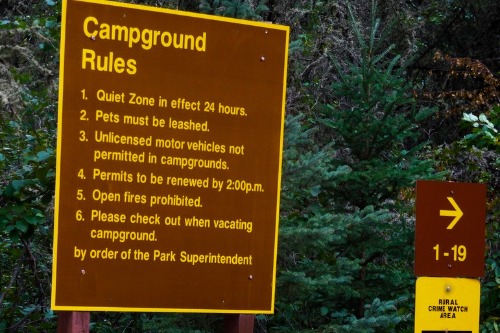
Most campgrounds post quiet hours, but seasoned campers ease into them early. Sound carries farther outdoors, especially across water or in still evening air. Lowering voices, clinking dishes gently, and skipping loud games after dusk helps everyone wind down. The reason is simple: people turn in at different times, and courtesy smooths over those differences.
Early mornings work the same way in reverse. Coffee grinders, tailgates, and enthusiastic conversations can shatter sleep at dawn. Even if quiet hours technically end, many folks are still sleeping. Being mindful buys you goodwill when you want the same grace later.
2. Your Campsite Is Not a Shortcut
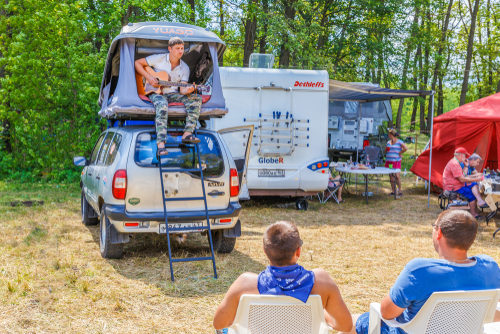
It can be tempting to cut through an empty-looking site to reach the bathroom or trail. That space is still someone’s temporary home, even if they’re out hiking. Walking through it can feel intrusive and unsettling. The reason this matters is that campsites are paid-for spaces, not shared walkways.
Sticking to roads and designated paths also prevents accidental damage. Guy lines, grills, and gear can be hard to see, especially at night. Trampling grass or knocking into equipment creates avoidable problems. Respecting boundaries keeps the campground feeling calm and orderly.
3. Headlights Are for Driving, Not Lighting Up Camp
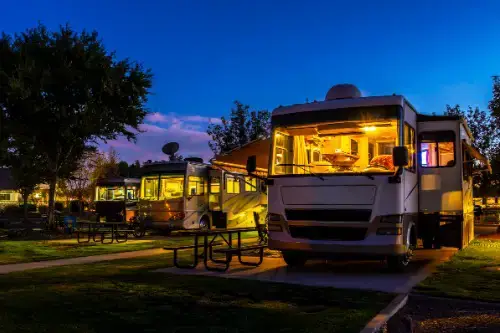
When you pull into a campground after dark, headlights can flood neighboring tents. Switching to parking lights or a dim setting once you’re parked makes a big difference. People’s eyes adjust to low light quickly in camp environments. The courtesy here is about preserving that night vision and sense of peace.
The same goes for vehicle alarms and remote locks. Repeated beeps echo more than you think in quiet woods. Taking an extra second to lock manually can spare others a rude awakening. It’s a small effort with a big impact.
4. Leashes Aren’t Just a Rule, They’re Reassurance
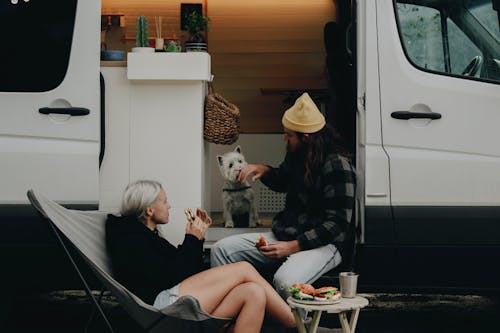
Even the friendliest dog can make someone nervous. Leashes signal control and consideration, not mistrust of your pet. Wildlife, children, and other dogs all add unpredictability. Keeping dogs leashed reduces conflict and keeps everyone safer.
It also prevents dogs from wandering into other campsites. Food smells, toys, or campfire scraps are strong temptations. Not everyone wants a surprise canine visitor. The courtesy here respects both personal comfort and campground harmony.
5. Campfire Smoke Is a Shared Experience
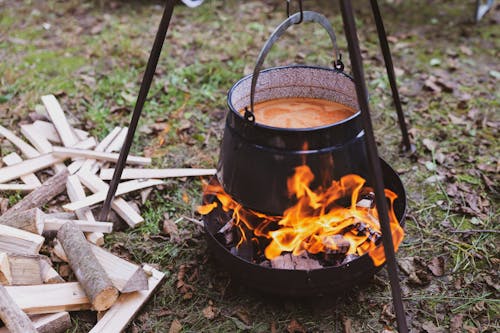
Campfire smoke never rises straight up for long. Wind shifts can funnel it directly into nearby tents and campers. Being flexible about fire size or timing shows awareness of others. The reason this matters is that smoke can trigger allergies, asthma, or just plain discomfort.
If smoke is consistently blowing toward another site, adjusting or extinguishing the fire is the kind move. Using dry wood helps reduce excess smoke. Checking in with neighbors can prevent silent frustration. Courtesy fires keep the mood warm without making the air miserable.
6. Generators Announce Your Presence Loudly
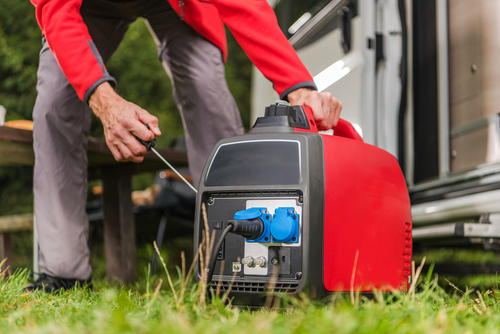
Generators are sometimes necessary, but they dominate the soundscape. Using them only during allowed hours is the bare minimum. Limiting runtime and choosing quieter models goes further. The reason for this courtesy is that constant mechanical noise breaks the outdoor atmosphere people came for.
Placement matters too. Pointing exhaust away from other sites reduces fumes and sound. Letting neighbors know when you’ll run it sets expectations. A little communication can prevent a lot of irritation.
7. Lights Should Help You See, Not Be Seen From Space
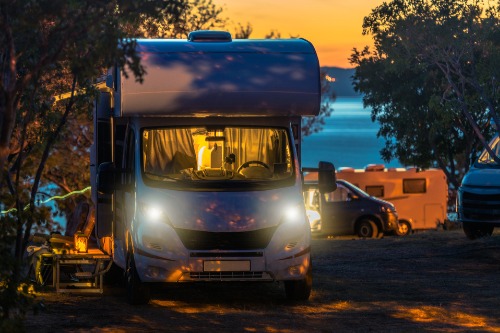
Bright lanterns and LED strings can turn a campsite into a stadium. While festive, they can shine directly into nearby tents. Using warmer, lower-intensity lighting keeps things cozy. The courtesy here preserves the nighttime ambiance and people’s ability to sleep.
Turning off unnecessary lights before bed also helps wildlife. Artificial light disrupts nocturnal animals and insects. Thoughtful lighting respects the natural setting. It’s about blending into the campground, not overpowering it.
8. Shared Water Sources Aren’t Personal Utilities
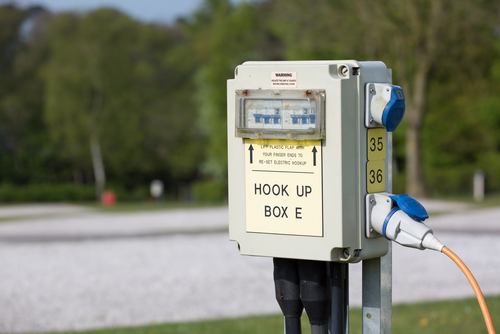
Campground spigots are meant for quick fills, not extended washing sessions. Others may be waiting with empty jugs or cooking plans. Keeping your turn brief keeps lines moving. The reason for this courtesy is fairness and basic efficiency.
Avoid washing dishes or gear directly at the spigot unless clearly allowed. Food scraps can attract animals and clog drains. Using designated wash areas prevents messes. Everyone benefits when shared resources stay clean and accessible.
9. Trash Management Is a Group Responsibility

Leaving trash out, even “just for a bit,” invites animals. Once animals learn campsites mean food, problems escalate fast. Securing trash protects both campers and wildlife. The courtesy here is proactive prevention, not cleanup after the fact.
Using the right bins and following sorting rules also matters. Overflowing or misused bins create more work for staff. Packing out what you pack in keeps the campground pleasant. Clean camps reduce pests and preserve access for future visitors.
10. Kids and Bikes Still Follow Campground Flow
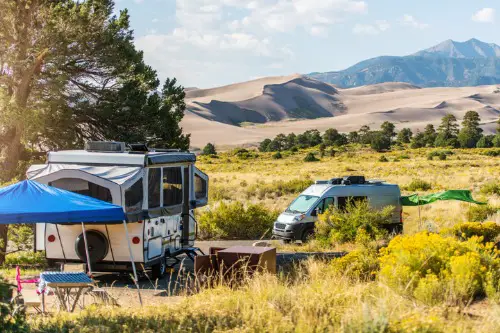
Campgrounds feel relaxed, but roads are still active. Kids on bikes or scooters should be guided to ride carefully. Cutting through sites or speeding downhill can cause accidents. The reason for this courtesy is shared safety in close quarters.
Encouraging kids to greet neighbors and respect boundaries helps too. It builds a friendly atmosphere rather than tension. Most campers are happy to share space when respect is shown. Clear expectations prevent misunderstandings.
11. Morning Pack-Ups Can Be Quietly Efficient
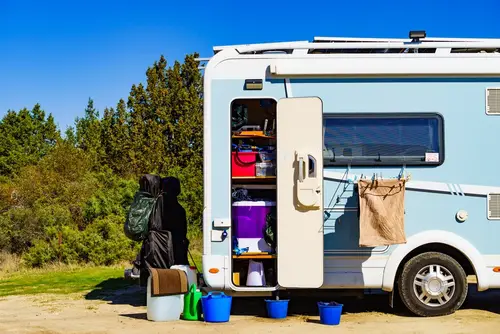
Breaking camp early doesn’t have to sound like a construction zone. Slamming doors, shaking rugs, and loud packing echo in the morning stillness. Preparing some gear the night before reduces noise. The courtesy here acknowledges that others may be savoring their last hours of sleep.
Using soft voices and gentle movements goes a long way. If you need to leave very early, parking further from tents can help. Thoughtful departures leave good final impressions. Ending your stay considerately is part of being a good camper.
This post Campground Courtesy Rules That Aren’t Written Anywhere was first published on Greenhouse Black.
