
1. Quiet hours actually matter
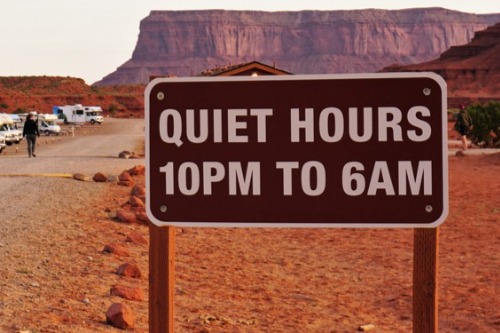
Many travelers don’t realize how strictly some campgrounds enforce quiet hours until a neighbor or ranger knocks on their door. These hours are usually posted at check-in and are meant to protect everyone’s sleep. Campgrounds often have sound that carries farther than you expect, especially in wooded or open areas. That’s why keeping voices low and electronics muted is such a big deal.
Once corrected, people quickly learn how disruptive late-night chatter or early-morning generators can be. Respecting quiet hours helps maintain a peaceful environment and keeps complaints to a minimum. It also prevents the campground from issuing warnings or asking guests to leave. The rule is there because everyone shares the same outdoor “walls.”
2. Don’t walk through someone else’s campsite
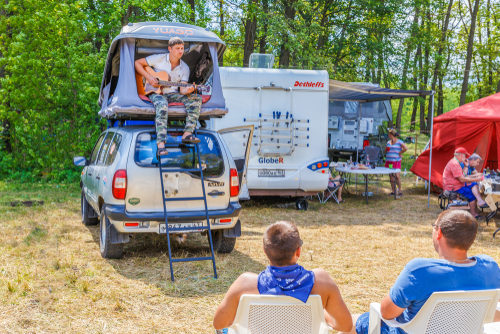
Cutting through campsites seems harmless until a host or camper politely mentions it’s not okay. Campsites are essentially temporary homes, and walking through them can feel intrusive. It can also startle pets or disrupt someone’s cooking setup. Most campgrounds consider pathways and roads as the only acceptable routes.
Once corrected, travelers realize how common this misunderstanding is and how easy it is to avoid. Sticking to designated paths helps prevent accidents, like tripping over tent lines or gear. It also preserves personal space, which is surprisingly valuable outdoors. The rule exists to keep privacy intact and reduce needless conflicts.
3. Keep food secured, even during the day

Many newcomers don’t realize how quickly wildlife will seek out unattended snacks. Rangers frequently remind campers that food attracts everything from ants to bears. Even a cooler left open for a few minutes can create a problem. Most campgrounds require food storage in locked containers or vehicles for this reason.
People learn fast when they’re corrected, often after a raccoon rummages through their table. Securing food protects both animals and campers by preventing dangerous encounters. It also keeps campsites clean and the ecosystem healthy. This rule exists because habituated wildlife can become aggressive or need to be relocated.
4. Don’t leave fires unattended
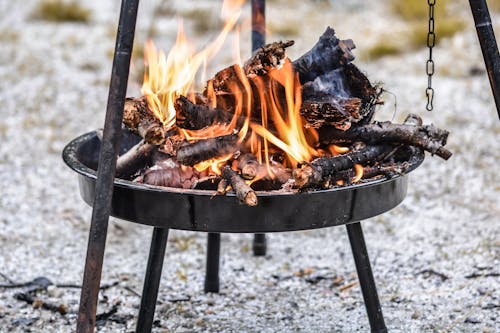
A neglected campfire is one of the most common reasons campers get warnings from staff. Even a small flame can spread with a sudden breeze. Many campgrounds have strict regulations because wildfires can start in seconds. Fire safety is one of the top priorities in outdoor recreation areas.
After being corrected once, people understand how serious fire risk really is. Keeping a fire supervised or fully extinguished protects the entire area. It also ensures the campground stays open, since fire bans are often triggered by unsafe behavior. The rule exists to prevent emergencies that can impact wildlife and communities.
5. Respect generator hours
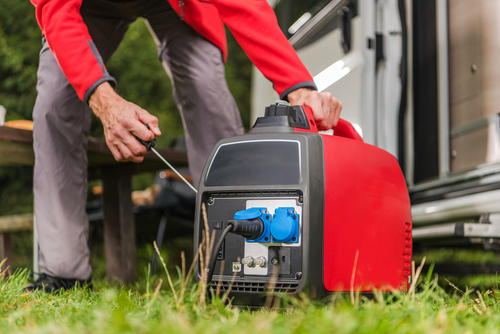
New campers often think they can run their generators whenever they want. But many campgrounds allow them only during specific daytime windows. Generators can be surprisingly loud, even the “quiet” ones. Hosts frequently remind travelers of these limits.
Once corrected, most people realize noise carries differently outdoors. This rule helps balance comfort—like using AC or charging batteries—with neighborly consideration. It also preserves the campground’s atmosphere for tent campers who rely on natural quiet. Generator hours exist so everyone can enjoy the space without constant engine noise.
6. Clean up after pets immediately

Travelers are often surprised by how quickly someone will speak up if they forget a pet waste bag. Leaving pet mess behind creates hygiene issues and ruins the area for others. Some campgrounds even issue fines for repeat offenders. Pets are welcome, but their owners must manage them responsibly.
After being corrected, people understand how many shared trails and grassy areas are affected. Cleaning up promptly keeps the environment healthy and pleasant. It also prevents wildlife from being affected by pet waste, which can introduce disease. This rule exists because high-traffic campgrounds depend on responsible pet management.
7. Keep dogs leashed unless in designated areas

Some campers assume outdoor spaces mean dogs can roam freely. But most campgrounds require leashes for safety reasons. Unleashed pets can approach wildlife, other dogs, or children unpredictably. Many campers only learn this after receiving a reminder from staff.
Once corrected, dog owners usually appreciate the reasoning. Leashes help prevent incidents that can escalate quickly. They also ensure dogs don’t wander into someone else’s campsite. This rule exists to keep both pets and people safe.
8. Mind your campsite lights at night
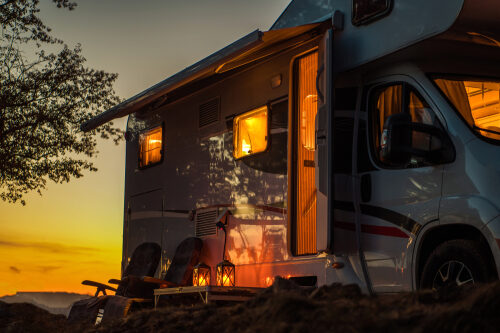
Bright string lights or spotlights can disturb neighbors trying to stargaze or sleep. Campgrounds often encourage low lighting after dark to preserve night visibility. Travelers sometimes learn this only after a friendly correction. Light pollution affects everyone in the area.
After that reminder, many people switch to dimmer lanterns or turn off nonessential lights. Reduced lighting keeps the campground peaceful and preserves natural darkness. It also helps wildlife maintain normal nighttime behavior. This rule exists to balance safety with environmental respect.
9. Don’t wash dishes in bathroom sinks
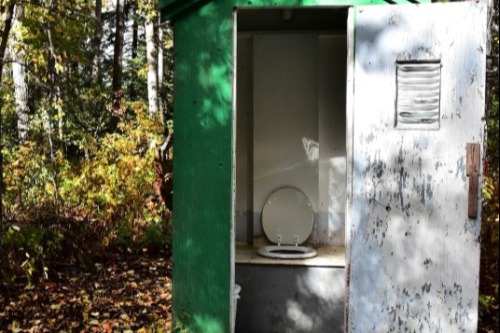
New campers often bring dishes to the restroom, not realizing campgrounds prohibit this. Food particles can clog drains and attract pests. Most campgrounds provide designated dishwashing stations for this reason. Staff or experienced campers frequently step in to correct the misunderstanding.
Once corrected, people find that the dish stations are better equipped and more hygienic. They keep food waste contained where it can be properly managed. They also reduce maintenance issues that affect everyone. The rule exists to protect shared facilities and prevent unnecessary plumbing problems.
10. Leave no trace—really
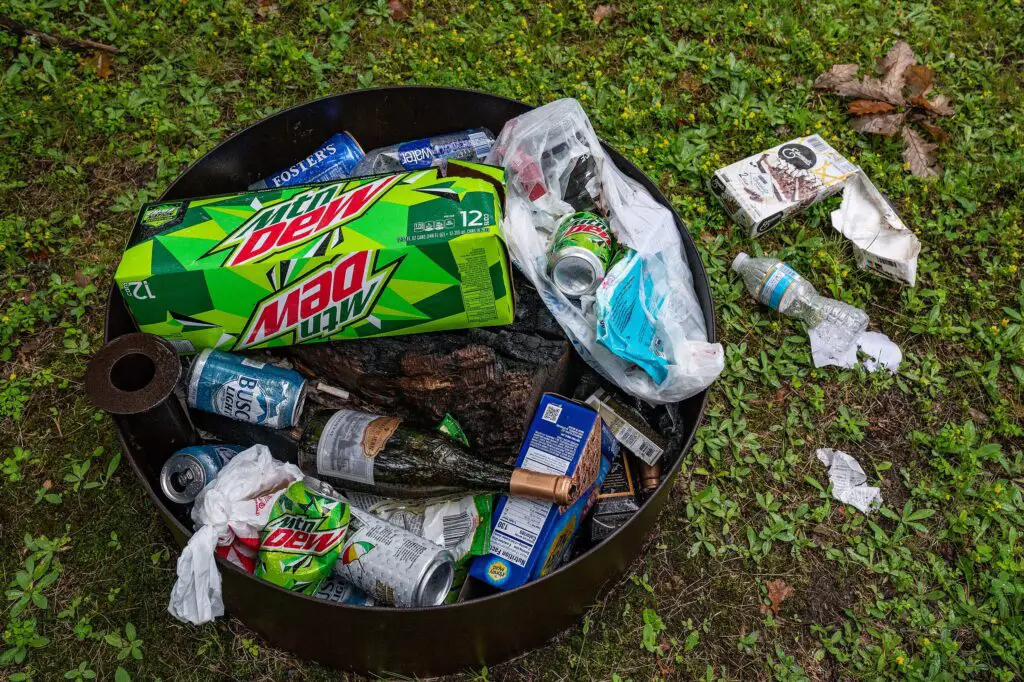
Some travelers think “leave no trace” just means picking up trash. But it also includes minimizing impact by not altering the environment. This means avoiding trench-digging, tree carving, or leaving rope marks on branches. Many campers only learn the full meaning after a gentle correction.
Once they do, they understand that these small actions add up across thousands of visitors. Proper behavior helps maintain natural areas for future use. It also keeps campground ecosystems healthy and resilient. The rule exists because conservation relies on cumulative responsibility.
11. Don’t hog shared facilities
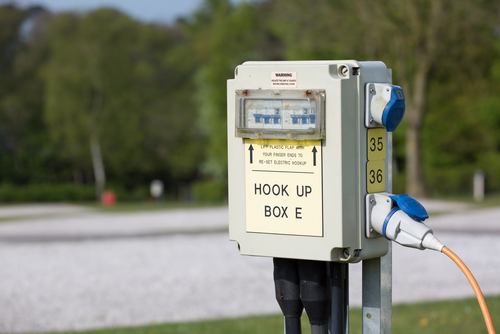
Whether it’s laundry machines, showers, or potable water spigots, some travelers unintentionally overuse shared amenities. It’s common for someone to get a reminder if they take too long or leave equipment running. Campgrounds rely on fairness to keep high-demand resources accessible. Not everyone realizes this until it’s pointed out.
Once corrected, travelers usually adjust easily. Sharing resources respectfully helps keep lines moving and reduces frustration. It also prevents excessive water or energy use, which impacts the entire campground. The rule exists to ensure everyone gets what they need without conflict.
12. Keep your campsite tidy, not sprawling
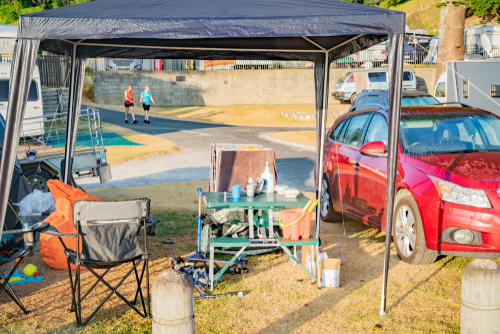
Beginners often spread gear far outside their designated area. Campground staff or neighbors will correct this if it blocks pathways or encroaches on another site. Sprawling setups can create hazards, like tripping obstacles or blocked roadways. It can also lead to disputes over space.
Once reminded, travelers typically reorganize quickly. Staying within your space maintains campground order and safety. It also prevents staff from having to enforce boundaries. The rule exists because limited space needs to be shared fairly.
13. Don’t feed wildlife
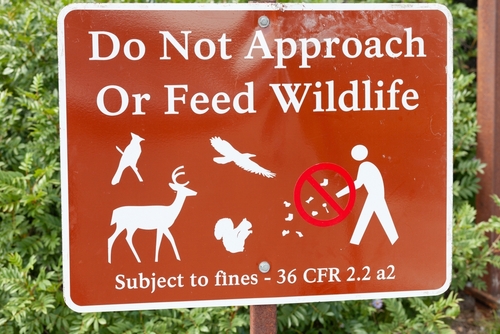
Some travelers offer food to wildlife thinking it’s harmless or cute. Rangers almost always step in to stop this behavior. Feeding animals changes their natural habits and can make them aggressive. It can even endanger their lives.
After being corrected, people realize how serious the consequences can be. Human food is unhealthy for wildlife, and dependence on it increases risk. It also leads animals to approach campsites regularly, creating safety issues. This rule exists to protect the entire ecosystem.
14. Respect bathroom and shower cleanliness
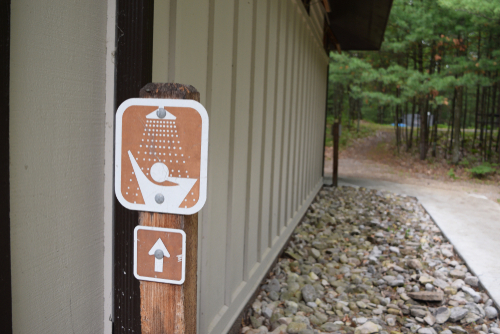
New campers sometimes leave wet floors, muddy footprints, or discarded toiletries behind. Staff or neighbors will often speak up because these areas are shared by everyone. Poor etiquette creates more work for campground teams and discomfort for other guests. Cleanliness keeps facilities usable throughout the day.
Once corrected, travelers understand how much traffic these spaces handle. Keeping them tidy improves everyone’s experience. It also reduces maintenance problems that can temporarily close restrooms. This rule exists because collective care keeps campgrounds running smoothly.
This post 14 Campground Etiquette Rules Travelers Learn Only After Being Corrected was first published on Greenhouse Black.
