
1. Stricter Fire Restrictions
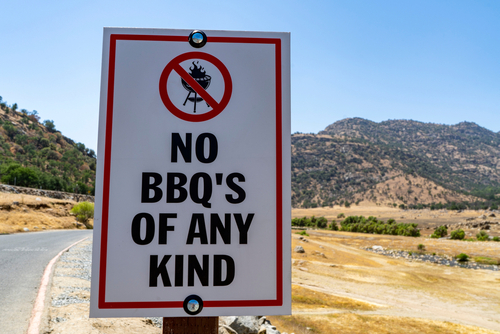
More RV visitors mean more chances for improper fire use. Campgrounds are expected to adopt stricter rules, especially during dry seasons. This could include smaller allowable fire sizes or bans during high-risk periods. The goal is to reduce wildfire potential when crowds are at their peak.
Fire pits may also be inspected more frequently to ensure compliance. Some parks might require campers to use only provided metal rings. Clear signage will likely appear at entrances and bathrooms. With increased visitation, these measures help protect both people and surrounding forests.
2. Stronger Enforcement of Speed Limits

With more families and kids biking around camp loops, speeding becomes a bigger concern. Campgrounds are likely to lower speed limits or enforce existing ones more strictly. This reduces accidents in high-traffic areas. It also reassures parents during peak travel seasons.
Speed bumps or additional signage may appear near playgrounds and restrooms. Rangers could increase patrol frequency to deter risky driving. Consistent enforcement helps create a safer atmosphere for walkers and cyclists. As RV traffic grows, these measures protect both guests and property.
3. Tighter Check-In and Check-Out Windows
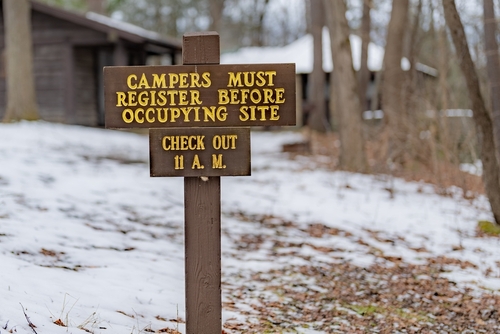
Overfilled campgrounds are dealing with longer lines and slow campsite turnover. Tighter check-in and check-out times help staff manage the flow more predictably. Guests may see firmer deadlines and automated reminders. This makes campsite management smoother and prevents backup at entrances.
These adjustments also give maintenance crews more time between occupants. As more RVs pass through, sites need quicker but more frequent inspections. That means fewer exceptions to posted times. The changes aim to improve efficiency and avoid overlap between incoming and departing campers.
4. Mandatory Advance Reservations
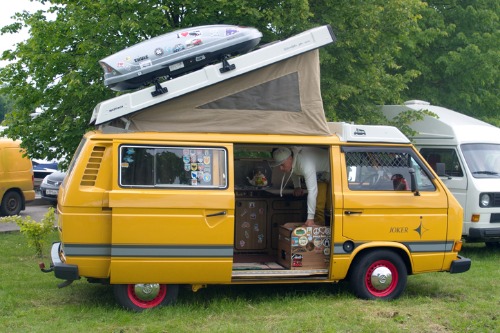
Same-day arrivals are becoming harder to accommodate in popular areas. To avoid overcrowding and frustrated travelers, many parks will move toward mandatory reservations. This helps managers forecast staffing and space more accurately. It also prevents traffic jams caused by drivers circling for last-minute openings.
Campers benefit from clearer expectations and fewer surprises. With demand rising, reservation systems ensure fair access and reduce disputes. Some parks may implement minimum-stay requirements during peak periods. These measures keep operations stable when visitor volume spikes.
5. Limits on the Number of Vehicles Per Site
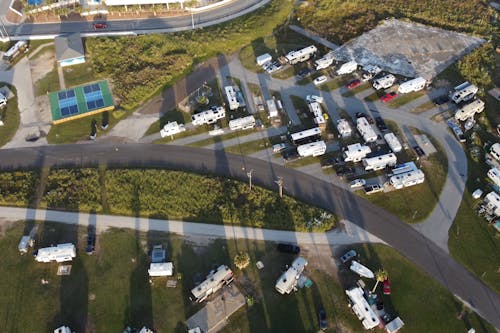
Campgrounds are seeing more families traveling together, often with multiple cars. As sites get cramped, managers will likely tighten vehicle limits to preserve safety. Overcrowded pads can block emergency access routes. Tighter rules help maintain clear paths for fire trucks and ambulances.
Campers may be asked to park extra vehicles in overflow areas. This ensures that individual sites stay manageable and organized. It also protects landscaping that gets damaged when cars spill outside designated pads. These changes focus on safety and long-term site upkeep.
6. Stricter Quiet Hours
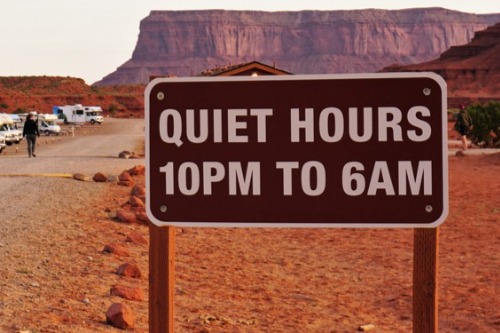
Many campgrounds are likely to enforce tighter quiet hours as RV parks become more crowded. With more rigs arriving late and generators running longer, noise complaints are going up. Managers will probably narrow the acceptable window for generator use to keep things peaceful. This helps reduce conflicts between early risers, night owls, and families trying to sleep.
Campgrounds may also increase patrols during quiet hours to make sure the rules stick. Staff are already stretched thin, so clearer enforcement helps them handle disputes faster. Guests will likely see posted reminders at check-in and around common areas. These changes are meant to keep the overall experience calm even as visitor numbers rise.
7. Crackdowns on Wastewater Disposal
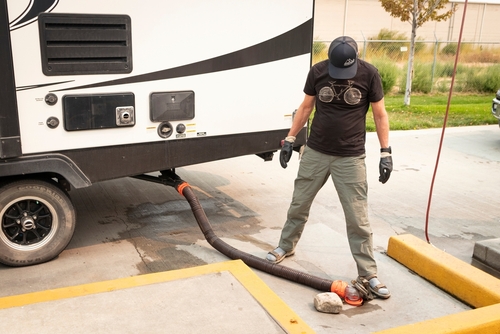
As wastewater mishandling grows with heavier use, campgrounds will tighten expectations. Improper graywater dumping causes sanitation issues that spread quickly in crowded areas. Managers may increase penalties or require demonstrations for new RVers on how to use dump stations. This ensures fewer breakdowns and cleaner facilities.
Some parks might add monitored dump hours to prevent misuse. Staff can assist when issues arise and stop problems before they escalate. Training materials will likely be added online and at check-in. These changes support environmental protection and smoother operations.
8. Enhanced Pet Control Rules

With more RVers come more pets, and not everyone follows leash etiquette. Campgrounds will likely tighten leash-length requirements and enforce them more consistently. This helps reduce conflicts between dogs and other guests. It also keeps wildlife from being harassed.
Some parks may require proof of vaccinations or restrict certain high-traffic areas. Clearer signage and improved pet-waste stations may appear as crowding increases. These steps help maintain cleanliness and safety for everyone. Expect more reminders to keep pets supervised at all times.
9. Higher Standards for Campsite Cleanliness
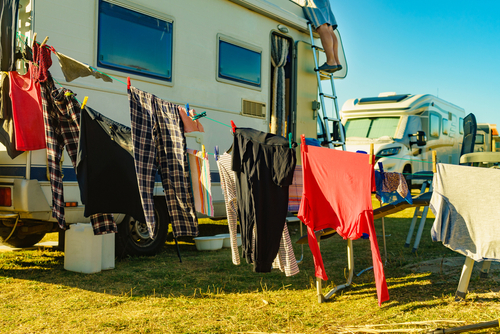
Overflowing trash bins and messy fire rings are becoming more common with rising visitor numbers. Campgrounds are likely to implement stricter cleanup expectations before checkout. This ensures that turnover remains manageable as staff deal with heavier workloads. Cleanliness rules help keep pests away and facilities in good shape.
Penalties for leaving debris may become more common. Some parks may add additional inspection rounds during peak seasons. This encourages campers to take responsibility for their impact. The goal is a smoother experience for the next guests and less strain on staff.
10. Curbs on Long-Term Stays

As demand rises, long-term stays can limit availability for travelers. Campgrounds may shorten maximum stays to keep space rotating. This helps ensure more visitors can access popular destinations. It also prevents sites from becoming semi-permanent residences.
Managers may introduce seasonal caps to distribute demand more evenly. These rules help maintain campground character and reduce wear on individual sites. They also make trip planning more predictable for short-term guests. This shift aims to keep campgrounds accessible and dynamic.
11. More Defined Rules for After-Dark Lighting

Bright campsite lights are becoming a major complaint as RV numbers grow. Campgrounds will likely implement stricter limits on outdoor lighting after dark. This helps preserve night skies and reduce disturbances to neighboring sites. It also supports wildlife that depends on natural light cycles.
Parks may require campers to use lower-lumens bulbs or shielded lights. Clear guidelines will help keep illumination from spilling into adjacent sites. Enforcement may include gentle reminders or written warnings. These changes promote a calmer environment for everyone.
12. Reduced Generator Use
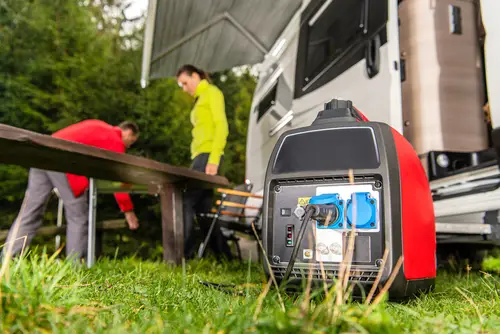
As RV traffic grows, generator fumes and noise are becoming more noticeable. Parks will likely shorten allowable generator blocks or restrict use to designated areas. This reduces air quality issues that become more pronounced when campsites are packed tightly. It also helps prevent disputes when one camper’s generator disrupts a whole loop.
Some campgrounds may introduce “no-generator zones” to appeal to tent campers or quiet-seeking visitors. These zones can help balance the needs of different camping styles. Enforcement may include fines or relocation if rules aren’t followed. The goal is to maintain a cleaner and quieter environment without banning generators outright.
This post 12 Campground Rules Expected To Tighten as RV Crowds Surge in 2026 was first published on Greenhouse Black.
