
1. Firewood must be purchased on-site

Many campgrounds prohibit bringing in your own firewood and insist you buy theirs. The official reason is to prevent invasive pests or diseases from spreading, which is a legitimate concern. But at the same time, selling bundles of wood at a premium becomes a tidy revenue stream for the campground. It’s not unusual to see $8–$12 for a bundle that would cost half that at a local grocery store.
The rule is often enforced strictly, with signs at check-in and staff checking campsites. That ensures campers don’t sneak in cheaper wood from outside. While the pest-prevention argument holds water, the markup is hard to ignore. For many campgrounds, firewood is less about safety and more about steady profit.
2. Extra fees for additional vehicles
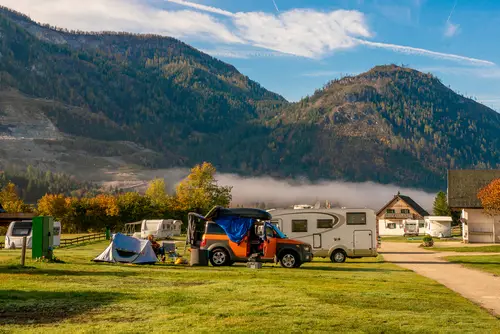
Campgrounds often allow just one vehicle per site, with an extra fee for a second car. This seems reasonable for managing limited parking space, but it’s also an easy upsell. Families or groups traveling with multiple vehicles almost always end up paying more. It’s a cost that adds up quickly when campsites charge per night.
In practice, many campgrounds could accommodate a second vehicle without issue. The rule is less about space management and more about maximizing revenue per site. By restricting vehicles, campgrounds create an opportunity to charge more for something guests often can’t avoid. It’s a subtle way of turning logistics into profit.
3. Strict check-in and check-out times
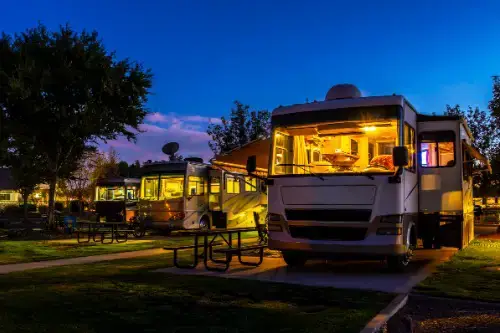
Most campgrounds enforce check-in after mid-afternoon and check-out by mid-morning. On the surface, it’s about giving staff time to clean and prepare sites. But with minimal turnover tasks compared to hotels, those time windows are often longer than truly necessary. The tighter the window, the more likely campers are to pay for an extra night.
Many campers would gladly pay a little extra for late check-out, and campgrounds know it. Some explicitly offer that as an add-on option, essentially monetizing time. This means guests end up paying more just to linger a few extra hours. What looks like a scheduling rule is really a revenue tactic.
4. Mandatory resort or amenity fees
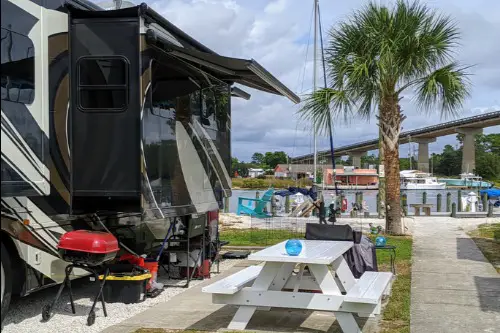
Some campgrounds tack on “resort fees” or “amenity fees” to every booking. These are supposedly for access to things like pools, playgrounds, or Wi-Fi. But whether or not campers use those amenities, everyone pays. It’s an easy way to pad the nightly rate without technically raising the base price.
For families who just want a rustic tent site, the fee feels unnecessary. It transforms basic camping into something that resembles a resort stay. Campgrounds count on guests overlooking these charges when comparing costs. It’s a hidden money-maker disguised as an inclusive perk.
5. Restrictions on outside food or drinks at facilities
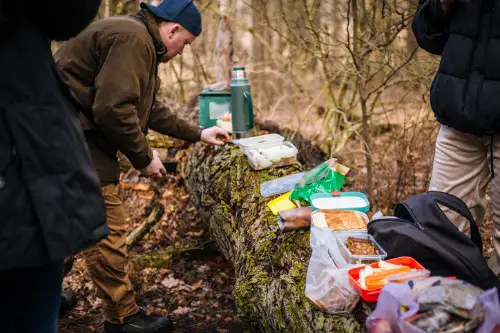
At some campgrounds, you’re not allowed to bring your own snacks or beverages into pools, clubhouses, or activity areas. The stated reason is usually safety or cleanliness. But in reality, it funnels campers toward buying overpriced concessions on-site. Just like at a stadium or movie theater, the markup can be shocking.
Families on a budget end up paying way more for simple food they could’ve packed themselves. While the rule keeps areas cleaner, it’s also a financial trap. By controlling the environment, campgrounds ensure that every soda, sandwich, or ice cream puts more money in their pocket. That makes “no outside food” less about safety and more about sales.
6. Pay-to-use showers and laundry

Coin-operated showers and laundry facilities are common at many campgrounds. On the surface, charging a few quarters per use seems harmless. But over the course of a multi-day stay, those small fees add up significantly. For a family of four, showering daily can easily cost an extra $20 or more.
These facilities don’t require much upkeep beyond basic cleaning and water bills. Yet campgrounds turn them into an ongoing source of revenue. Campers end up rationing their showers or laundry loads to avoid the costs. It’s a system built to squeeze out just a bit more per guest.
7. Wi-Fi that costs extra—or is intentionally limited

Many campgrounds advertise free Wi-Fi but throttle it to the point of being unusable. To get reliable service, you often have to pay for a “premium” package. This creates a tiered system where campers pay more to do basic things online. Given how much people rely on connectivity, it’s a lucrative setup.
Campgrounds know guests will pay extra to keep kids entertained or stay connected to work. Limiting the free option nudges people into upgrading. Instead of treating Wi-Fi as a modern necessity, they treat it as a profit center. It’s less about offering a service and more about creating scarcity.
8. Pet fees and breed restrictions

Bringing your dog often means paying an extra nightly fee. The official reasoning is liability and cleaning costs, but many pet owners never cause issues. In reality, it’s a convenient way to tack on more charges for something families rarely leave behind. Over a weeklong stay, pet fees can rival the cost of an additional site.
Some campgrounds even impose breed restrictions, nudging owners of larger dogs to board them instead. That pushes those campers toward other costly solutions. While pets may create minor risks, the flat-rate fee doesn’t reflect actual costs. It’s a rule designed more for revenue than fairness.
9. Site upgrades for location or hookups

Campgrounds frequently charge extra for sites with better views, closer proximity to facilities, or full hookups. While that seems reasonable in theory, the price differences can be steep. Sometimes the “upgrade” is as simple as being a few steps closer to the pool. Yet guests often pay double just to avoid a longer walk.
By designating certain sites as “premium,” campgrounds create a tiered pricing structure. The basic sites then feel less desirable, pushing campers toward the pricier options. It’s a classic upsell strategy in disguise. Instead of being about logistics, it’s about encouraging higher spend.
10. Strict cancellation policies
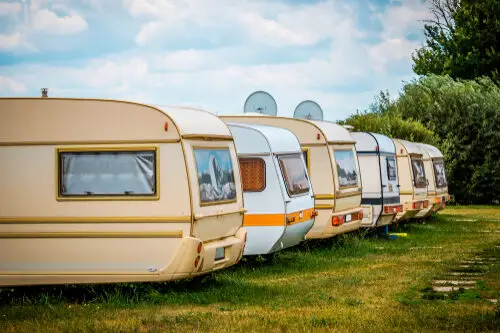
Cancellation windows at campgrounds are often far stricter than hotels. Some keep a hefty portion of your payment even if you cancel weeks in advance. The justification is that demand is high and sites are limited. But those sites usually get rebooked quickly, meaning the campground profits twice.
This policy pressures guests into either showing up no matter what or forfeiting money. It’s particularly tough for families with unpredictable schedules. Instead of a fair refund system, it becomes a cash safety net for the campground. It’s one of the clearest examples of profit disguised as policy.
11. Paid activities and rentals

Many campgrounds advertise fun extras like kayaks, paddleboards, or guided tours. But nearly all of them come with hefty rental fees. While it makes sense to charge for equipment, the prices often exceed what local outfitters would charge. Campers end up paying a premium for convenience.
Even activities like mini-golf or bike rentals sometimes cost more than expected. These extras transform a basic camping trip into something that feels like a resort vacation. The idea is to keep guests spending on-site instead of exploring cheaper options nearby. It’s a smart business move, but undeniably profit-driven.
12. Seasonal or holiday surcharges
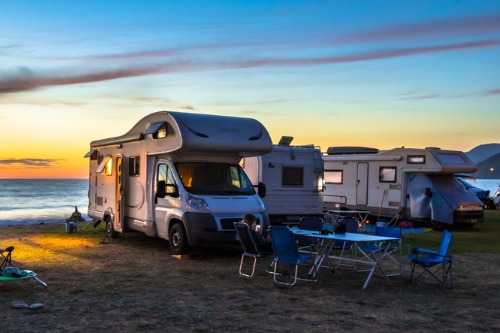
Campgrounds often raise prices dramatically during peak weekends and holidays. The explanation is higher demand, which is true. But the increases can be so steep they far outpace the actual added costs of operation. Families hoping for a Fourth of July trip may end up paying double the normal rate.
This strategy capitalizes on tradition and timing. Campgrounds know that holidays are non-negotiable for many families, so they can charge accordingly. It’s not about covering expenses; it’s about maximizing revenue when guests are least likely to cancel. Essentially, the calendar becomes a pricing tool.
13. “Minimum night” stays on weekends
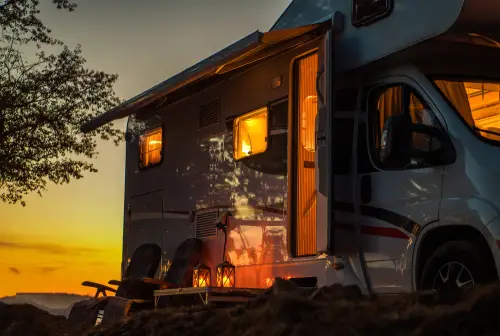
On busy weekends, many campgrounds require a two- or three-night minimum booking. Officially, it’s to reduce turnover and keep things running smoothly. But it’s also a way to guarantee more revenue per site. Even if you only want a single night, you’ll have to pay for more.
This policy can make camping less accessible for spontaneous or budget-minded travelers. It forces guests to commit to longer—and more expensive—stays than they might prefer. For campgrounds, it reduces flexibility but increases income predictability. It’s another rule where the real winner is the bottom line.
This post 13 Campground Rules That Are Really About Making More Money was first published on Greenhouse Black.
