
1. Sneaking in extra guests
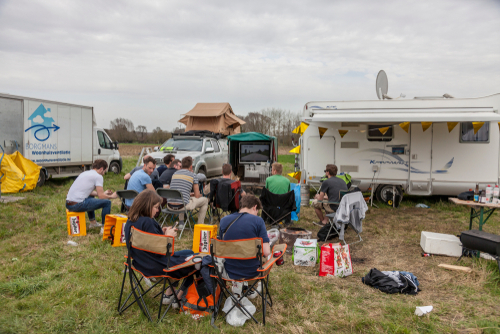
It might seem harmless to bring a few extra friends without paying for them, but most campgrounds have strict limits for a reason. Extra people mean more wear on bathrooms, more trash, and higher noise levels that affect everyone. Rangers and hosts usually track site occupancy, so it’s easy for them to notice when you’ve exceeded it. Once caught, you’ll likely be asked to leave — and your name could end up on a do-not-book list.
Trying to dodge fees this way creates trust issues between campers and staff, and it’s one of the fastest ways to lose your camping privileges. Campground operators share notes, especially in smaller communities, so word spreads quickly. Many also use reservation systems that flag problem guests. If you want more people at your site, just pay the small extra-person fee — it’s far cheaper than being blacklisted.
2. Dumping gray water on the ground
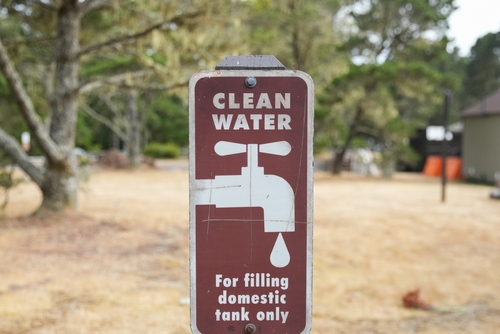
Some campers assume it’s fine to pour dishwater or shower runoff onto the grass, but gray water can harm the local environment. Soap, grease, and food bits attract animals and pollute soil and waterways. Most campgrounds have designated gray-water disposal stations, and skipping them is a violation of health and sanitation rules. Even a small amount of gray water can cause odors or slick patches that ruin the next camper’s experience.
Campground hosts watch closely for this because it creates long-term maintenance issues. Once you’re marked as someone who dumps water improperly, your name can easily make its way through park networks. It’s especially serious at national and state parks, where environmental violations are documented. Taking the time to dispose of gray water properly shows respect for both the land and the next visitor.
3. Cutting down trees or branches for firewood
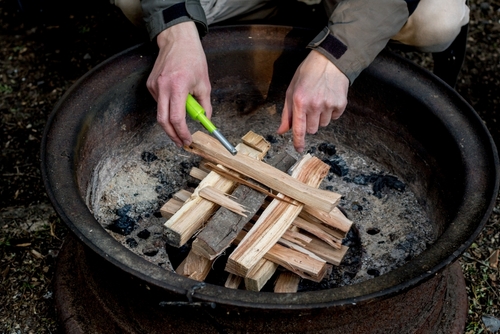
Gathering firewood feels like a classic camping move, but cutting live or standing trees is a major rule violation. Many people don’t realize that even dead branches play a role in forest ecosystems, providing shelter and nutrients. When campers start hacking away at trees, it damages the landscape and can quickly escalate to safety hazards. Rangers are trained to spot fresh cuts, and they take it seriously.
Most campgrounds either sell firewood or allow gathering only from specific areas. Bringing your own wood is even better because it prevents the spread of pests like the emerald ash borer. Getting caught chopping wood outside of approved areas can mean immediate eviction. To stay on good terms with campground staff, always ask before you collect anything from nature.
4. Ignoring quiet hours
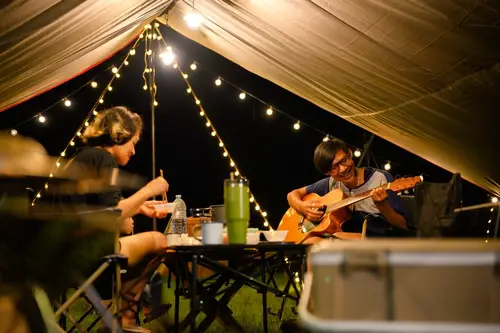
Late-night laughter and music might seem harmless, but campground quiet hours exist so everyone can rest. Sound travels farther in open outdoor spaces, especially at night when everything else is silent. Many campers choose these areas for peace and nature’s sounds — not for someone’s midnight playlist. Once rangers receive multiple noise complaints, they rarely give second chances.
Ignoring quiet hours shows disregard for others, which is a quick way to be labeled as a “problem camper.” Campground databases often log behavior issues, and loud guests top that list. A single night of partying can get you banned from future stays. Keep the noise down, and you’ll stay welcome wherever you go.
5. Leaving trash behind

Leaving even small bits of litter can have big consequences in a shared natural space. Food wrappers, bottle caps, and cigarette butts attract wildlife and can harm animals. Rangers who find trash after you leave can easily trace it back to your reservation number. Campgrounds are strict about this because it takes so much extra time and money to clean up.
“Pack it in, pack it out” isn’t just a saying — it’s the core of responsible camping. Repeat offenders often get reported to management or regional networks. Once your name is attached to a messy site, you’ll have trouble booking again. Keeping your campsite spotless is the simplest way to stay in good standing.
6. Ignoring pet rules
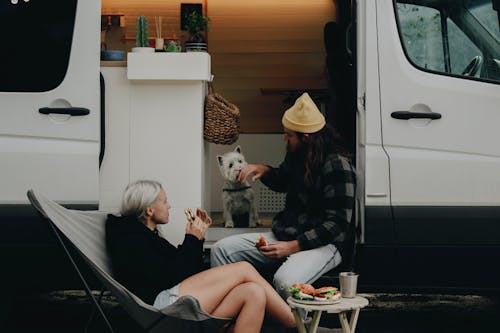
Many campgrounds allow pets but only under specific conditions — leashes, waste pickup, and quiet behavior. Letting your dog run loose or bark nonstop creates safety issues and disturbs wildlife. Some campgrounds have even had animals injured by off-leash dogs, prompting stricter enforcement. It’s not unusual for guests to be removed mid-stay for repeated violations.
Staff members remember problem pets just as much as problem people. Dog owners who ignore the rules are often banned for life from pet-friendly areas. Campgrounds have limited staff, so they rely on campers to follow the leash and cleanup policies themselves. Keeping your pet under control helps preserve those privileges for everyone.
7. Using someone else’s campsite
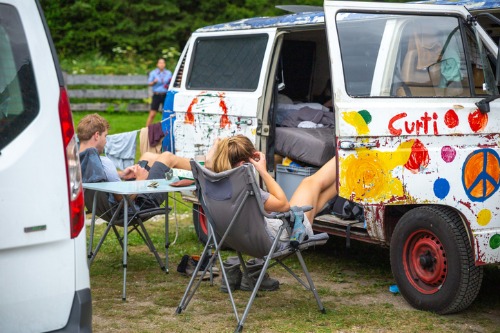
Arriving early and claiming a spot that’s not yours might seem like a clever shortcut, but it’s a surefire way to make enemies fast. Campgrounds run on reservations, and hosts monitor who’s assigned to each site. When you set up camp in the wrong place, you throw off the system and inconvenience the rightful campers. It’s considered trespassing, even if it’s an honest mistake.
If you’re ever unsure about your assigned site, check in with the host before unpacking. Some campgrounds will note “site jumpers” in their internal records to prevent repeat behavior. In busy areas, this can even result in a suspension from the booking system. Always confirm before claiming — it keeps the peace and your record clean.
8. Disrespecting fire bans
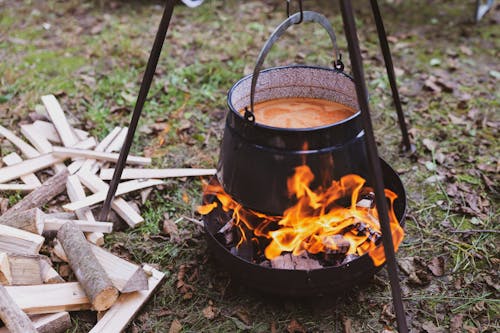
When conditions are dry, fire bans are put in place to prevent wildfires — not to ruin your fun. Starting a campfire anyway, even in a fire ring, is a major infraction. Rangers patrol regularly during bans, and one small flame can earn you an immediate ejection. Fires are the number-one cause of campground closures and long-term damage.
Many campers underestimate how fast fire can spread in drought conditions. Being caught violating a ban can even result in fines or legal charges. Once your name is associated with fire safety issues, most campgrounds won’t take a risk letting you back in. Use a camp stove or lantern instead — it’s safer and rule-compliant.
9. Feeding wildlife
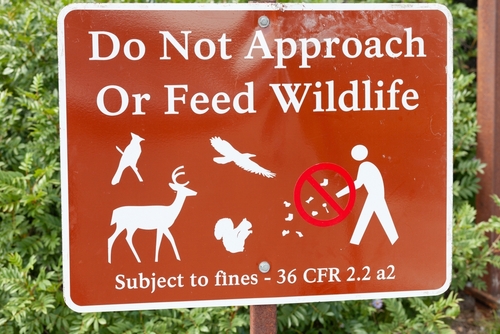
Feeding animals may feel kind, but it teaches them to depend on humans — and that quickly turns dangerous. Raccoons, bears, and even birds can become aggressive once they associate campsites with food. Many campgrounds have had to euthanize animals that lost their fear of people because of handouts. Rangers have zero tolerance for this kind of behavior.
Leaving food out is considered the same as feeding in many parks, so clean up immediately after meals. If staff catch you tossing scraps, they’ll note it in your file. This type of violation can ban you from multiple campgrounds in a network. Admire wildlife from afar and keep the snacks to yourself.
10. Breaking speed limits inside the campground

It’s easy to think the posted 5 or 10 mph limit is excessive, but those low speeds protect both people and animals. Kids, pets, and wildlife often dart across roads unexpectedly. Going even a little too fast can cause serious accidents. Campground hosts and cameras often record license plates of habitual speeders.
Driving violations are taken seriously because they pose direct safety risks. Once you’re flagged, many parks will refuse your future reservations. Campgrounds share this information with other facilities under the same management. Slow down — you’ll enjoy the scenery and keep your name off any lists.
11. Using generators outside allowed hours
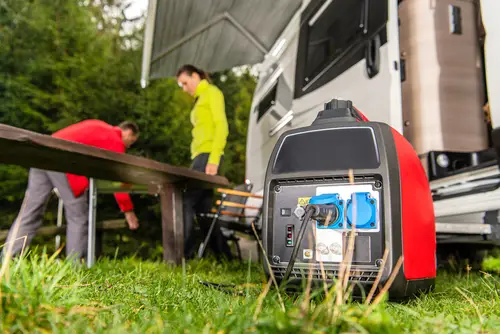
Generators are convenient but noisy, and most campgrounds have set times when you can run them. Ignoring those quiet hours frustrates everyone around you and drains the peaceful atmosphere. Rangers often rely on guest complaints to track generator misuse. When those pile up, you could lose your camping privileges fast.
Even if your generator is quieter than most, rules apply equally to everyone. Some campgrounds now require “quiet generators” only because of repeated violations. If you’re listed as a noisy guest, it’s hard to get that mark removed. Following generator schedules is one of the simplest ways to show campground courtesy.
12. Washing dishes or clothes in bathrooms

Public restrooms aren’t meant for cleaning camp gear or laundry, even if it seems more convenient. Soap and food debris clog drains and attract pests, causing maintenance problems. Many campgrounds post signs against it, but violations still happen daily. Hosts can and do track who’s responsible through schedules or cameras.
Once reported, you might find your future bookings denied — it’s considered misuse of facilities. Instead, look for a designated dishwashing area or bring a portable basin. These setups prevent contamination and keep everyone’s shared spaces cleaner. Respecting facility rules shows you’re a camper who gets it.
13. Failing to register or pay for your stay
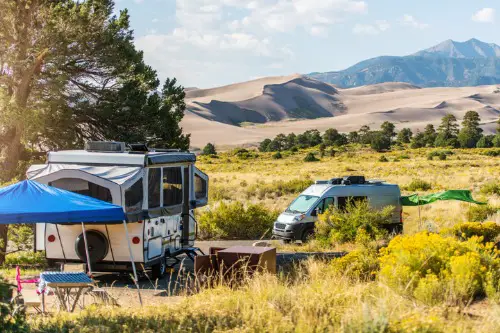
Some campers assume they can slip in late and leave early without anyone noticing. But nearly all modern campgrounds use digital systems and license plate checks to monitor occupancy. Failing to register or pay counts as trespassing or theft of services. Once caught, you’ll likely be banned — and possibly fined.
Campground hosts share information about non-paying guests across multiple sites. It’s one of the most common reasons people get permanently blacklisted. Paying upfront also ensures you’re covered in case of emergencies or liability issues. Always check in properly, even if you’re arriving after hours.
14. Leaving campfires unattended
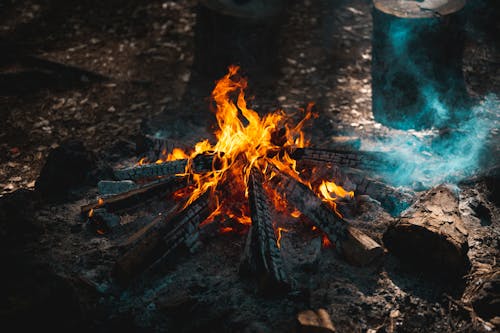
Even if you think a fire is “almost out,” leaving it alone is one of the biggest mistakes a camper can make. Winds can pick up embers and start wildfires in seconds. Rangers often find smoldering pits long after guests leave, and those incidents are recorded seriously. It’s not just rule-breaking — it’s a potential disaster.
Every campground has strict rules about extinguishing fires completely before bed or checkout. Being identified as the camper who left a fire burning can result in immediate blacklisting. Hosts talk, and your reputation will spread across nearby parks. Always drown, stir, and feel for heat — it’s your ticket to camp again safely.
15. Flying drones over campsites
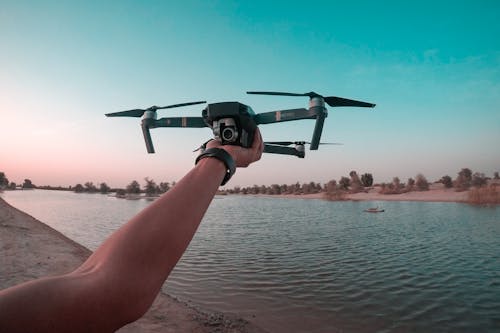
It might seem harmless to grab a few aerial shots, but most campgrounds prohibit drones for a reason. The buzzing sound disrupts wildlife and shatters the peace other campers paid to enjoy. Privacy is another major issue — no one wants to be filmed while relaxing at their site. Once staff receive complaints, your registration can be flagged and your future reservations denied.
Many parks now track drone incidents by permit numbers or vehicle plates. Even if your drone doesn’t crash or cause harm, simply flying it where it’s banned can get you blacklisted. The rules are clearly posted at check-in, so pleading ignorance rarely works. Save your flight for open-designated areas far from campsites.
16. Reserving multiple sites under fake names
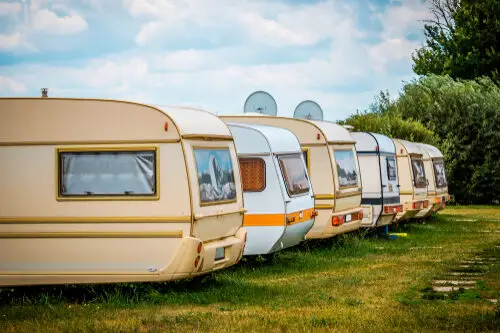
Some campers think they can secure extra space by using different accounts or friends’ names. This tactic is unfair to others and clogs up limited availability, especially during peak seasons. Hosts compare reservation data often, and mismatched details stand out fast. Once caught, your entire group may lose booking privileges.
Campgrounds share these violations across regional systems, meaning one fake booking can haunt you for years. It’s also considered a breach of terms and could trigger cancellation without refund. If you need more space, talk to staff about group-site options instead. Playing games with the system almost always backfires.
17. Charging electric vehicles from random outlets
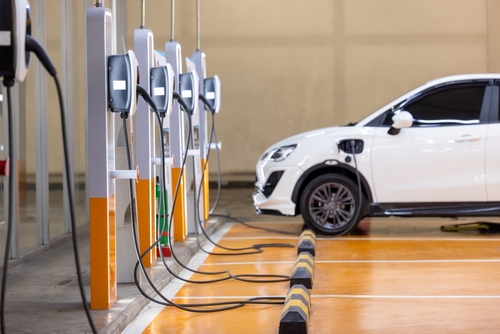
With EVs becoming more common, some campers assume they can plug in anywhere power is available. However, using bathroom or utility outlets without permission strains the system and risks tripping circuits. Campground staff view unauthorized charging the same way they view electricity theft. You could be fined or asked to leave immediately.
Many parks now offer designated EV-charging spots for a small fee, so there’s no need to sneak power. Trying to “borrow a few volts” from maintenance sheds or restroom plugs looks suspicious and inconsiderate. Once reported, your name goes into the database as a rule violator. Always ask before plugging in — it’s just good camping etiquette.
18. Leaving food or coolers unattended
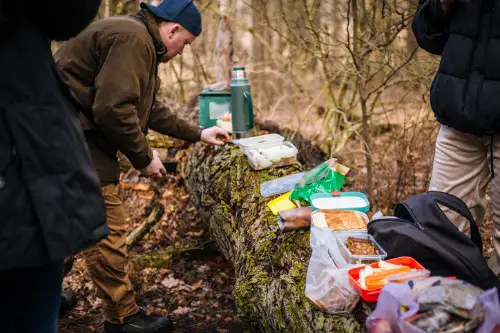
Even if your cooler is latched tight, unattended food draws animals fast. Raccoons, bears, and even squirrels quickly learn which sites offer easy snacks. Rangers take unattended food seriously because it endangers both animals and humans. Camps that get repeated wildlife calls often trace them back to careless guests.
Some campgrounds fine visitors for food negligence, while others go straight to banning. Leaving a cooler out is treated like feeding wildlife — and the consequences are the same. Once your name’s in the incident log, other parks will think twice before approving your reservation. Store food in your car or bear box every single time.
19. Hogging shared amenities
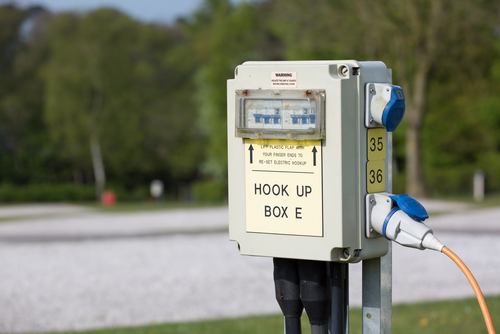
Whether it’s the laundry room, dish station, or communal grill, monopolizing shared facilities rubs everyone the wrong way. Staying too long or leaving a mess makes you look inconsiderate and creates unnecessary tension. Rangers regularly monitor these spots to prevent disputes. If your name keeps popping up in complaints, expect a warning — or worse.
Campgrounds operate on mutual respect, and abusing shared spaces is a fast way to lose it. Some now track time limits or post usage logs for fairness. Repeat offenders quickly find themselves banned from group areas or even the entire site. Keep your time short, your space clean, and everyone stays happy.
20. Ignoring check-out times
Packing up late might feel harmless, but check-out times exist so staff can prepare for new arrivals. Staying past your window delays maintenance, trash pickup, and site resets. It’s not just inconsiderate — it disrupts the entire campground schedule. Hosts who deal with repeat offenders don’t forget their names.
Many parks now use digital systems that automatically record late departures. If you exceed your time regularly, it can result in additional charges or permanent bans. A quick heads-up to staff if you’re running behind can prevent issues. Leaving on time shows respect for both the crew and the next camper in line.
21. Using fireworks or sky lanterns

Fireworks might seem like a fun finale to your camping trip, but they’re a top-tier rule violation. Sparks, smoke, and debris pose major fire hazards — especially in dry areas. Campgrounds operate under strict safety codes, and setting off fireworks violates nearly all of them. Even a single sparkler can trigger eviction without warning.
Sky lanterns fall under the same category, often traveling miles before landing. Once reported, you’ll likely find yourself banned from the entire park network. These rules aren’t about spoiling fun — they’re about keeping everyone safe. Stick to glow sticks or campfire storytelling if you want a memorable night show.
This post 21 Campground “Shortcuts” That Get You Blacklisted Without Warning was first published on Greenhouse Black.
