
1. Taking Over More Space Than You Paid For
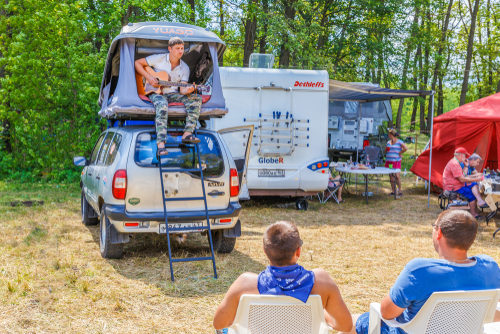
It’s easy to spread out—awnings, chairs, rugs, maybe even a hammock—but remember, that space next to you probably belongs to someone else. Many campers unintentionally cross boundaries by setting up too close to another site. When you block access or sprawl into another spot, it makes newcomers feel unwelcome and cramped. Campgrounds are designed with space limits for a reason.
Being mindful of your footprint helps everyone feel like they have their own bit of nature to enjoy. Keep your gear within your reserved pad or site lines. If you’re unsure where your space ends, ask the campground host—they’ll appreciate you checking. Sharing limited outdoor real estate politely is one of the golden rules of camping.
2. Leaving Your Generator Running All Night
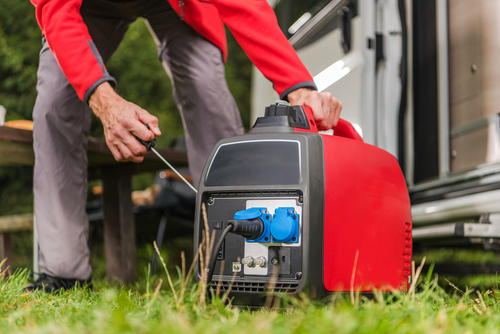
Few things ruin a peaceful night under the stars faster than the drone of a generator. While you might need it for your fridge or AC, running it late into the night keeps everyone within earshot awake. Most campgrounds have “quiet hours” for this exact reason—usually between 10 p.m. and 6 a.m. It’s considerate (and often required) to switch it off and rely on battery power after dark.
Your neighbors came to enjoy the sounds of crickets, not the hum of your portable power plant. If you really need electricity overnight, consider investing in solar panels or a quieter inverter generator. Even just placing it behind your rig or using a noise-reducing box can make a big difference. Respecting shared peace makes the whole campground more enjoyable for everyone.
3. Playing Music Loud Enough for the Whole Campground
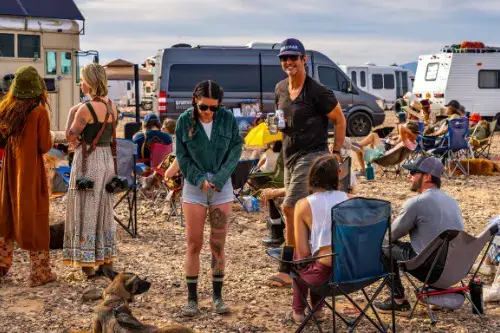
You might think your playlist is fire, but not everyone wants to hear it echoing through the trees. Sound carries far in open spaces, especially at night. What feels like background music to you can be a major disturbance to someone a few sites over. Everyone’s idea of “camping vibes” sounds different, so it’s best to keep your tunes to your own site.
If you want music, use a small Bluetooth speaker at a low volume, or wear earbuds when it’s late. Campgrounds are often filled with people trying to disconnect from noise, not swap one kind for another. Remember, even daytime quiet hours might exist in some parks. Keeping it mellow earns you instant respect from your camping neighbors.
4. Leaving Lights Blazing All Night
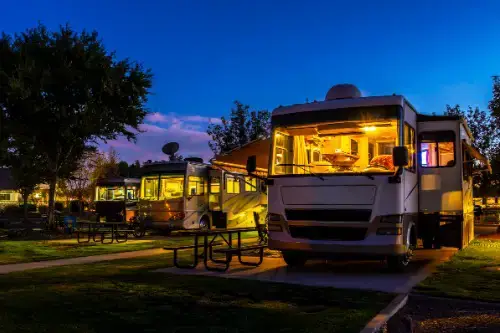
Floodlights and LED strips can make your site look like a runway, but they also wreck the night sky for everyone nearby. Many campers specifically choose remote sites to enjoy stargazing, and excess light ruins that experience. Plus, bright lights attract bugs and can make it harder for others to sleep. A little darkness can go a long way.
Instead, try dim lanterns, solar path lights, or motion sensors for essential visibility. Not only do they conserve power, but they also help preserve that magical nighttime atmosphere. Turning lights off when you head to bed shows you’re thinking beyond your own campsite. It’s a small gesture that makes the outdoors more enjoyable for everyone.
5. Ignoring Quiet Hours Altogether
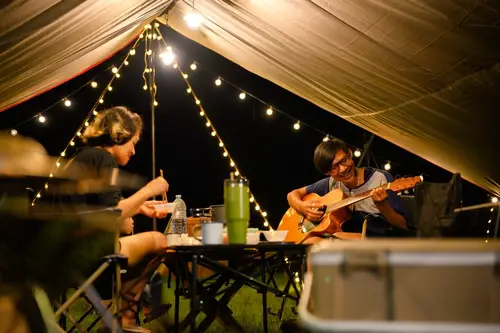
Quiet hours aren’t just suggestions—they’re campground etiquette 101. Late-night laughter, barking dogs, or slamming RV doors can travel far, especially in the stillness of a forest or desert. Many campers rise early for hikes or fishing, so your midnight bonfire stories can ruin their sleep. It’s not about being boring; it’s about mutual respect.
If you want to hang out late, lower your voices and keep it cozy. You can always pick up the conversation over coffee in the morning. Setting an example helps everyone relax, and most people will mirror your volume. Being the considerate camper earns you more friendly waves and fewer side-eyes.
6. Cutting Through Other People’s Campsites
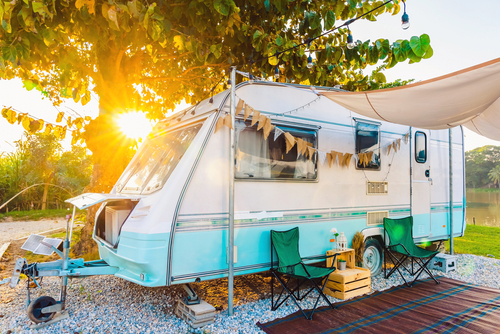
It might seem like a shortcut to the bathrooms or the trailhead, but walking through someone else’s site feels invasive. Campers treat their space like a temporary backyard, and cutting through breaks that sense of privacy. Even if it’s a few steps quicker, it’s better to take the long way around. Nobody wants to wake up to strangers strolling past their picnic table.
Make a habit of sticking to the designated paths and roads. Kids especially need reminders about this—it’s easy for them to wander. Respecting boundaries helps everyone feel comfortable and secure. Think of it as the unwritten “fence” between you and your neighbors.
7. Leaving Food or Trash Out Overnight
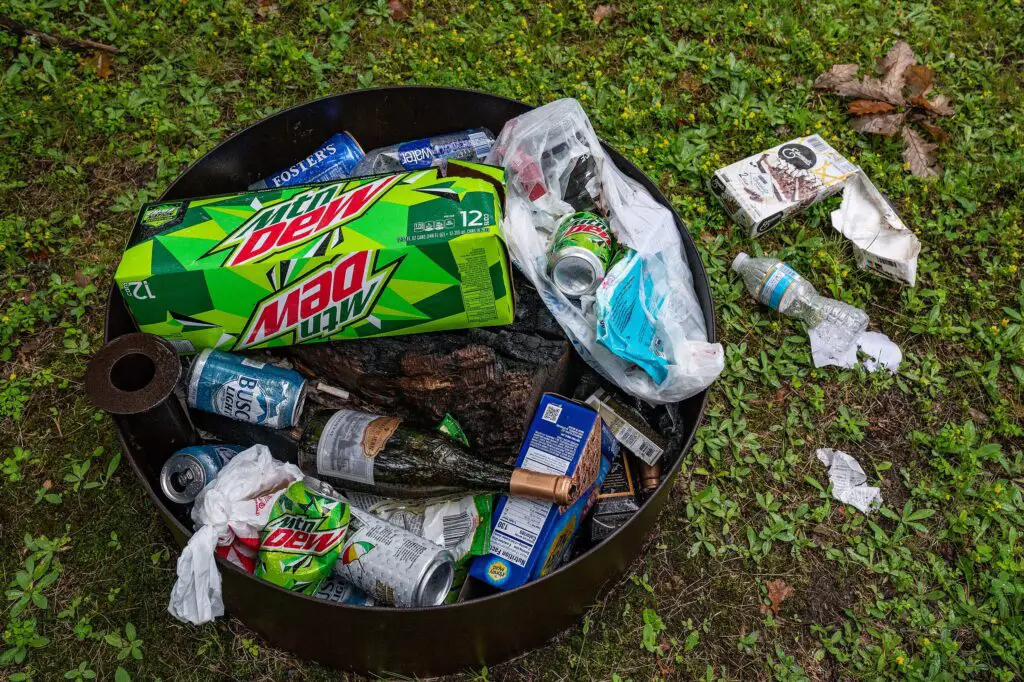
Leaving out food, wrappers, or even coolers is an open invitation for wildlife—and that affects everyone nearby. Raccoons, bears, and coyotes have great noses and little respect for boundaries. Once they learn there’s food in the area, they’ll keep coming back. This creates safety risks and can lead to animals being relocated or destroyed.
Most parks provide bear boxes or recommend sealing everything in your car or RV. Even small crumbs attract pests like ants and mice. Cleaning up before bed isn’t just about neatness; it’s about protecting nature and your fellow campers. No one wants to wake up to a raccoon party next door.
8. Letting Dogs Roam Off-Leash

Your dog might be friendly, but that doesn’t mean everyone else—or every dog—feels the same. Unleashed pets can scare children, chase wildlife, or wander into other campsites. Most campgrounds have leash rules not to punish dogs, but to keep them and others safe. It also helps prevent surprise “gifts” on someone else’s campsite.
Keep your pup close and under control, and clean up after them promptly. A long lead or tie-out gives them freedom without bothering others. If they bark a lot, try to distract or comfort them before complaints start. Responsible pet ownership makes camping pleasant for everyone.
9. Arriving or Leaving at Odd Hours with Noise

Sometimes travel schedules can’t be helped, but rolling in at midnight or revving up your diesel engine at dawn can wake the entire campground. Headlights, door slams, and leveling jacks echo loudly when most people are sleeping. If you know you’ll arrive late, choose a site where setup noise will be minimal. Quiet entry is the mark of a seasoned camper.
When departing early, prep as much as possible the night before. Avoid running engines or generators near sleeping neighbors. Little touches, like using a flashlight instead of headlights, show you care about others’ comfort. The less disturbance you cause, the more welcome you’ll be anywhere you camp.
10. Burning Trash in the Fire Pit
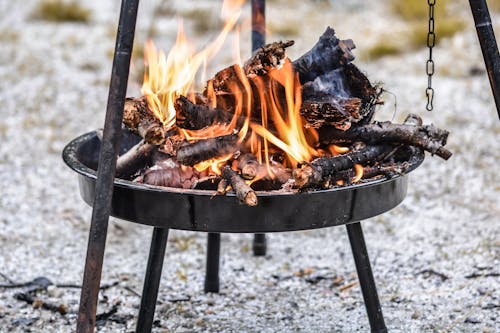
It might seem harmless to toss paper plates or cans into the fire, but it’s actually unsafe and inconsiderate. Many materials release toxic fumes or leave behind sharp residue. The smell can linger and drift into neighboring sites, making it unpleasant for everyone. Plus, melted plastics and foil can damage fire rings.
Always dispose of trash properly in designated bins. Keep fires limited to clean, dry wood. A neat, well-tended campfire not only burns better but also respects the shared environment. Nobody wants to breathe in someone else’s melting garbage.
11. Letting Kids or Teens Run Wild
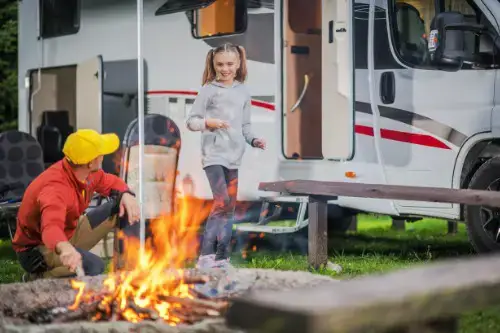
Camping is great for kids to explore, but unsupervised play can quickly turn chaotic. Loud games, bike races through other sites, or endless screaming can wear down nearby campers. Most people love seeing families enjoy nature, but not when it feels like recess just landed next door. A little guidance keeps fun from turning into frustration.
Set boundaries for where your kids can go and remind them about quiet zones. Encourage nature-friendly activities like scavenger hunts or hikes instead of campsite chaos. Kids can have fun without driving neighbors crazy. It’s about balance, not restriction.
12. Dumping Gray Water on the Ground
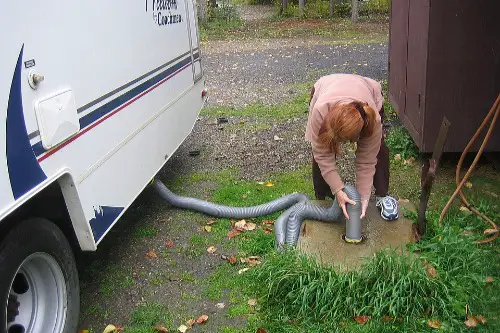
Some campers think gray water—used sink or shower water—is harmless, but it often contains soap, grease, and food waste. Dumping it on the ground can attract pests and harm local plants. Most campgrounds prohibit it for good reason. It can also smell unpleasant and leave a soggy mess near others’ sites.
Use designated dump stations or carry a portable tank if your rig doesn’t have a built-in option. Even biodegradable soaps aren’t safe to pour out just anywhere. Following proper disposal rules protects the land and your reputation. Clean camping keeps everyone’s surroundings fresh and safe.
13. Overstaying Your Check-Out Time
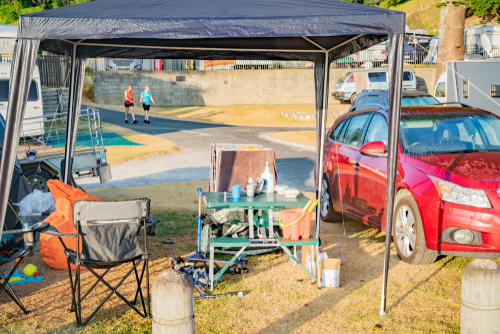
It’s tempting to linger for “just another hour,” but campgrounds often have tight turnover schedules. When you don’t leave on time, the next campers can’t set up promptly, and staff can’t clean or maintain the site. It can cause a ripple effect of frustration. Treat check-out times like you would at a hotel.
Packing up early helps things run smoothly for everyone. If you really want more time, ask the host about a late check-out—some places allow it for a small fee. Being considerate helps keep the community vibe friendly. The next camper will appreciate your punctuality.
14. Acting Like the Rules Don’t Apply to You

Every campground has rules for safety, cleanliness, and courtesy—but some folks treat them like optional suggestions. Whether it’s parking where you shouldn’t, ignoring fire bans, or blasting fireworks, rule-bending ruins it for others. It can even get you fined or kicked out. Following the basics helps protect the whole camping experience.
If you’re unsure about a policy, ask before assuming. Rules exist because someone, somewhere, caused a problem before. Respecting them shows you care about nature and your fellow campers. It’s the best way to ensure everyone enjoys their slice of the outdoors in peace.
This post 14 Campsite Habits That Make Neighbors Dread Parking Next to You was first published on Greenhouse Black.
