
1. San Jose, CA
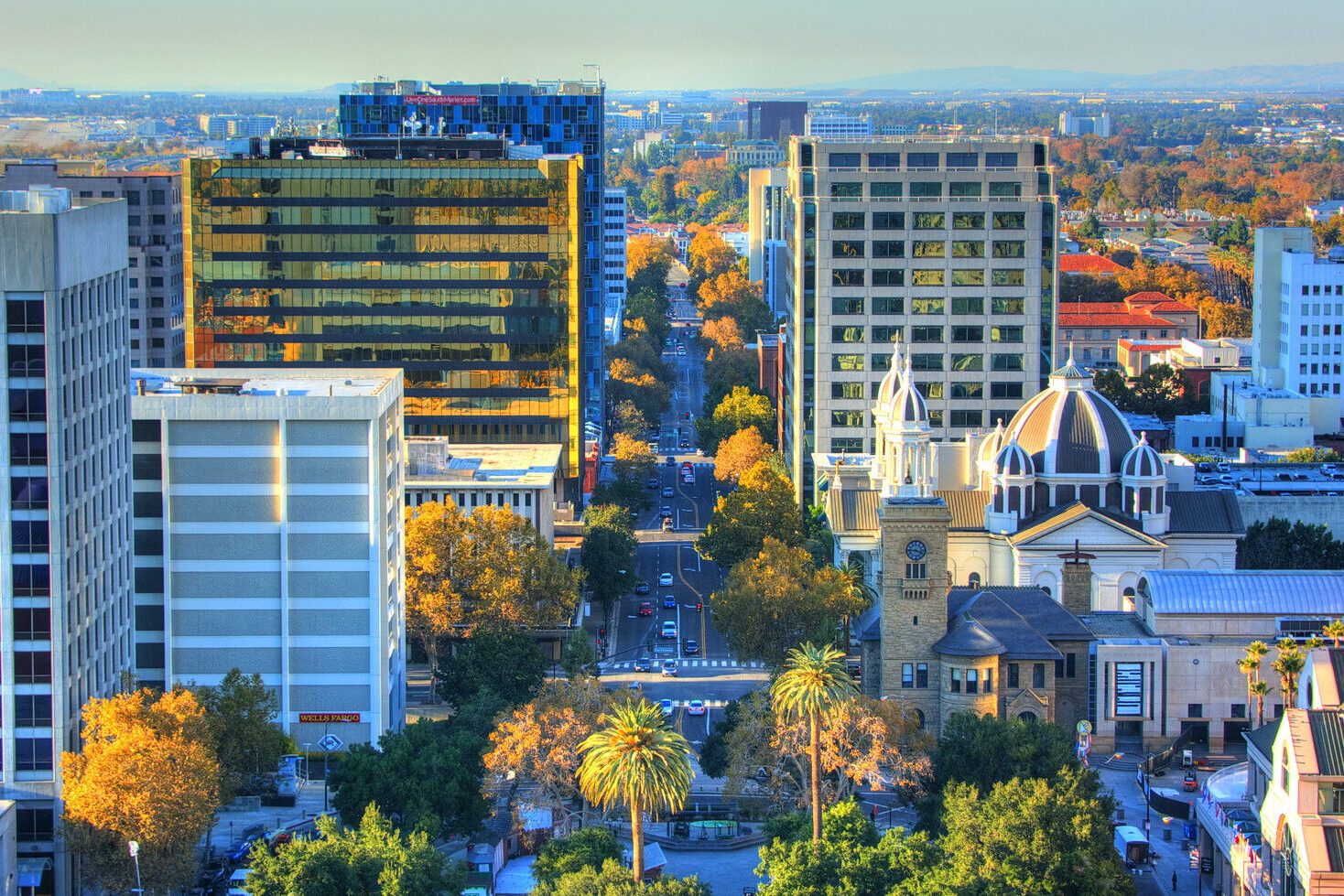
San Jose has seen meaningful price softening as the tech industry recalibrated. With more engineers allowed to work remotely, living next to the office is no longer a requirement. That shift took pressure off the housing market and cooled demand. Even so, people are still leaving.
For many residents, the city feels expensive without offering the lifestyle perks of nearby San Francisco or coastal towns. Commute traffic remains a problem despite fewer daily office trips. Families in particular are moving to cheaper metros where their housing dollar goes further. Lower prices haven’t changed that equation enough.
2. San Francisco, CA

San Francisco is the poster child for falling prices paired with an ongoing exodus. Home values and rents have come down from their peak as tech layoffs and remote work changed the city’s math. Even with discounts, many residents still feel the cost of living is out of sync with what the city offers day to day. That disconnect is pushing people to cash out and move on.
Beyond price, quality-of-life concerns keep coming up in conversations with former residents. Issues like visible homelessness, property crime, and empty downtown offices have altered how the city feels. Some people hoped lower prices would spark a rebound, but many decided the cultural reset is taking too long. For them, cheaper still isn’t cheap enough.
3. Oakland, CA
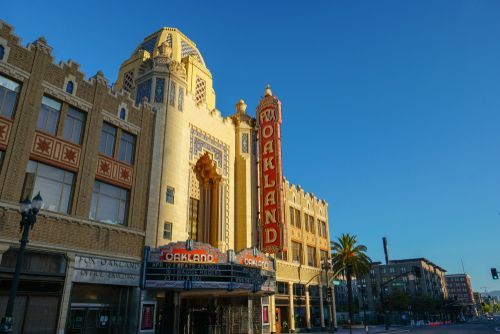
Oakland’s housing prices have dropped alongside San Francisco’s, but the population slide has continued. The city benefited from Bay Area spillover for years, and now that trend has reversed. Buyers can find better deals than they could a few years ago, yet demand hasn’t fully returned. That tells you the issue isn’t just price.
Concerns about public safety and schools are frequently cited by departing residents. Higher taxes compared to neighboring cities don’t help, especially for families. Some longtime locals are moving inland or out of state entirely. The savings just don’t feel worth the trade-offs anymore.
4. Portland, OR
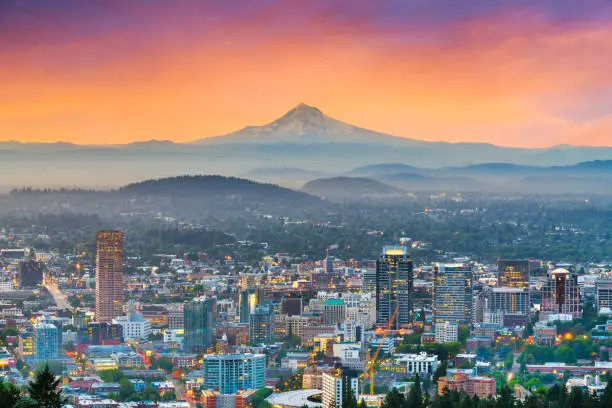
Portland’s housing prices have dipped from their pandemic highs, but the city continues to lose residents. The change is noticeable after years of steady growth. Buyers now have more leverage, which would normally attract newcomers. Instead, many are hesitant.
Ongoing concerns about downtown recovery, homelessness, and public safety weigh heavily on decisions. Some former residents say the city feels stuck between identities. Remote workers who moved in during boom years are now leaving for smaller towns. The softer prices aren’t enough to reverse the mood.
5. Seattle, WA
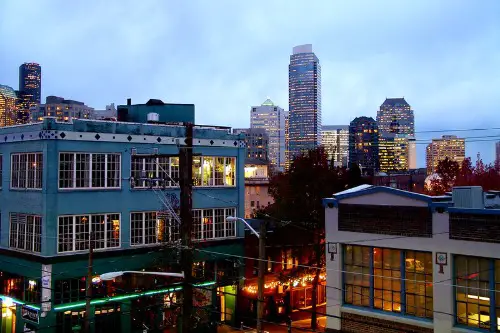
Seattle’s real estate market has cooled, with prices and rents coming down modestly from their peak. Tech layoffs and hiring freezes played a big role in that shift. While the city remains expensive, it’s no longer rising at the same pace. Yet people are still heading out.
High taxes, traffic, and housing costs relative to space continue to frustrate residents. Like San Francisco, remote work untethered many people from the city. Some moved to suburbs, others left the region entirely. A slight price dip hasn’t changed their long-term plans.
6. Austin, TX

Austin is a standout example of prices dropping sharply after years of explosive growth. Home values corrected as supply surged and demand cooled. For buyers, it finally looks more affordable than it did in 2021 or 2022. Still, net migration has slowed and some residents are leaving.
Rising property taxes and infrastructure strain caught up with the city. Longtime locals say Austin lost some of the charm that once justified the cost. Newer arrivals who overpaid are more willing to move on. Cheaper homes don’t erase those growing pains.
7. Boise, ID
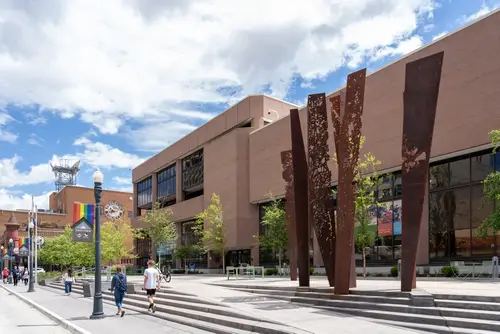
Boise’s pandemic-era boom reversed enough to push home prices down from their highs. The city had one of the fastest run-ups in the country, and the correction was noticeable. That should have helped retain residents. Instead, some are heading elsewhere.
Wages in the region haven’t kept pace with housing costs, even after the drop. Remote workers who moved in during COVID are reevaluating their options. Limited cultural amenities compared to larger cities also play a role. For many, Boise no longer feels like a bargain.
8. Phoenix, AZ

Phoenix saw home prices cool and dip after years of rapid appreciation. The metro added a lot of housing, which eased pressure on the market. Buyers have more choices now than they did recently. Even so, some residents are leaving.
Extreme summer heat is a growing factor people cite openly. Rising insurance and utility costs add to the burden of homeownership. Some retirees and families are choosing milder climates. Lower prices don’t fully offset the environmental concerns.
9. Las Vegas, NV

Las Vegas home prices have softened after a pandemic surge fueled by relocations. As demand cooled, price cuts became more common. The city still attracts newcomers, but it’s also seeing people head out. That balance is shifting.
The local job market is heavily tied to tourism and hospitality, which feels risky to some households. Water scarcity concerns in the region also weigh on long-term decisions. Residents who came for affordability are reassessing. Falling prices haven’t erased those worries.
10. Chicago, IL

Chicago has experienced population decline for years, and housing prices have remained relatively flat or down in many neighborhoods. Buyers can find value compared to coastal cities. Yet the city keeps losing residents overall. That trend hasn’t changed.
High property taxes are a major driver behind the exits. Concerns about public safety and government finances come up frequently. Families in particular are moving to suburbs or other states. Even stable or lower prices can’t compete with those pressures.
11. St. Louis, MO
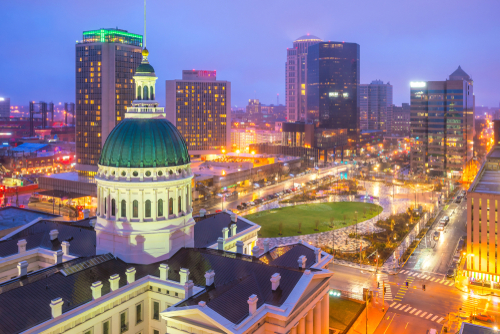
St. Louis offers some of the most affordable housing of any major metro, and prices have softened in parts of the city. Despite that, population decline continues. Affordability alone isn’t enough to draw people in. Many are still leaving.
Public safety concerns and uneven economic development shape perceptions of the city. Job growth has lagged behind faster-growing regions. Younger residents often move away for career reasons. Cheap housing doesn’t fix those structural challenges.
12. New Orleans, LA
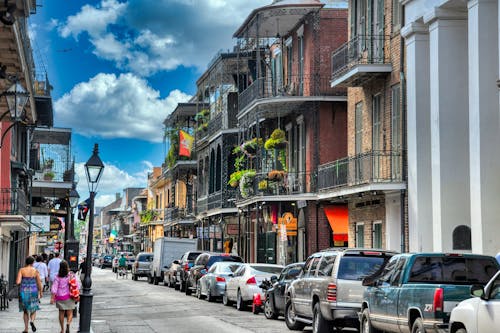
New Orleans home prices have cooled following hurricane disruptions and rising insurance costs. Some neighborhoods saw values dip as demand weakened. Even with lower prices, residents are departing. The trend has been steady.
Climate risk plays a big role in these decisions. Flood insurance and property maintenance costs keep climbing. Jobs outside tourism and hospitality are limited. For many families, the math no longer works.
13. Baltimore, MD
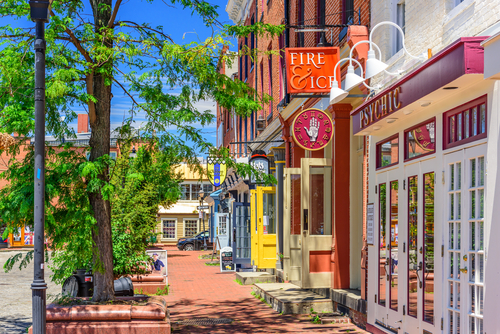
Baltimore’s housing prices remain relatively low and have softened in some areas. The city has struggled with population loss for decades. Affordability should be a selling point. Instead, departures continue.
Concerns about crime and school quality often top the list of reasons. Economic opportunity varies widely by neighborhood. Some residents move just a few miles away to surrounding counties. Lower prices haven’t changed those patterns.
14. Detroit, MI

Detroit has pockets where prices have dipped or stagnated despite broader revitalization efforts. The city still faces long-term population decline. Buyers can find inexpensive homes, but many sit vacant. That reality shapes perceptions.
While downtown and select neighborhoods have improved, others continue to struggle. Job growth isn’t evenly distributed across the city. Some residents leave for suburbs or other states with more stability. Even low prices can’t overcome uncertainty for everyone.
This post Cities People Are Fleeing — Even Though Prices Are Dropping was first published on Greenhouse Black.
