
1. Overusing Harsh Chemical Cleaners
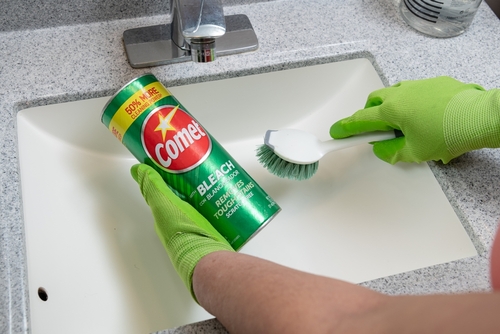
It’s tempting to reach for the strongest cleaner when tackling tough grime, but harsh chemicals can do more harm than good. Over time, bleach and ammonia-based products can strip finishes from surfaces like countertops, tile, and wood. This leaves them dull, porous, and more prone to stains or damage. A gentler, pH-balanced cleaner often gets the job done without destroying protective coatings.
Beyond surface wear, harsh cleaners can also degrade sealants and grout. That’s why even bathroom tiles can start to look older despite frequent cleaning. Natural alternatives like vinegar or baking soda are safer for both your home and your lungs. It’s a small switch that helps your home age gracefully instead of prematurely.
2. Scrubbing Floors Too Often
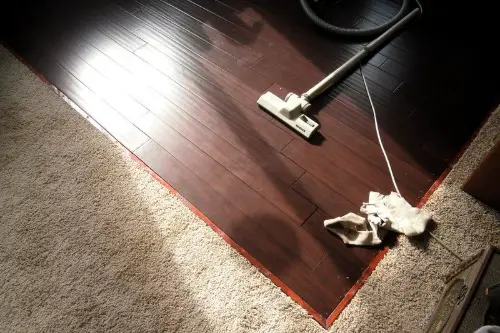
Daily mopping might feel satisfying, but overdoing it can wear down protective finishes—especially on wood or laminate floors. Moisture seeps into cracks, causing boards to swell or warp. Even vinyl floors can start to dull from too much friction and water exposure. Instead, dry sweep more often and deep-clean only as needed.
Frequent scrubbing also pushes dirt and grit into seams, acting like sandpaper over time. This creates micro-scratches that make floors look aged before their time. Using a microfiber mop or lightly damp cloth protects the finish and still keeps things tidy. A gentler rhythm preserves that “freshly installed” look far longer.
3. Ignoring Ventilation When Cleaning
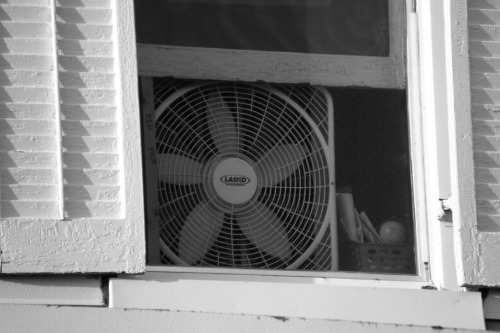
Many people close up windows to “trap” the smell of clean, but poor ventilation can actually age your home. Cleaning products release moisture and fumes that can linger, breaking down paint and fabrics. Over time, this trapped humidity encourages mildew growth and discoloration. Simply cracking a window can make a huge difference.
Good airflow helps materials dry faster and reduces musty smells. It also prevents condensation from settling on walls and windowsills. In older homes especially, trapped moisture is one of the fastest routes to visible wear. Think of ventilation as part of your cleaning routine—not an afterthought.
4. Using Too Much Water on Wood Surfaces
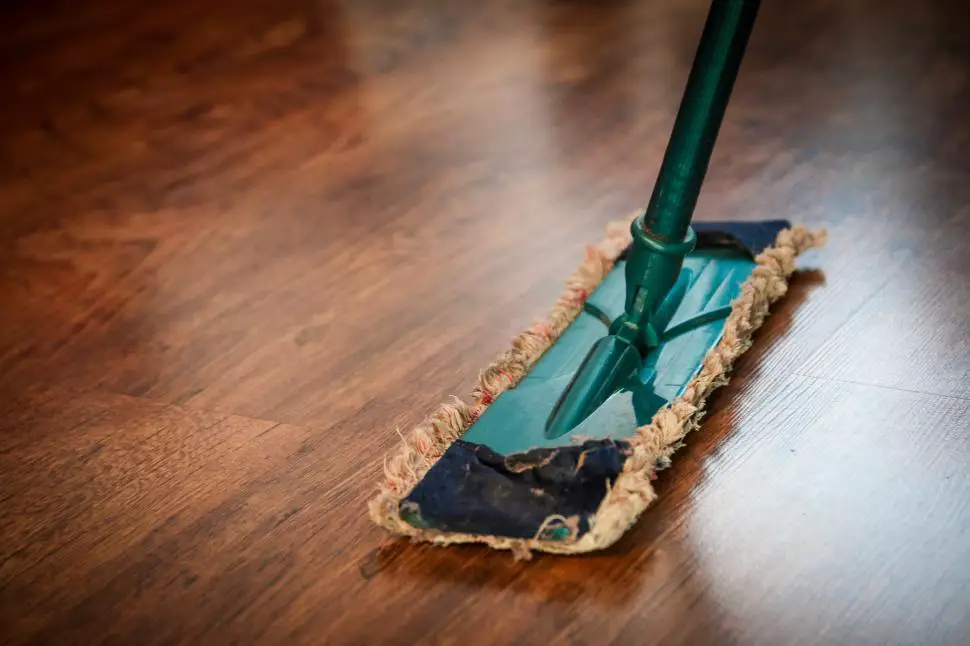
Water is a silent destroyer when it comes to wood furniture and floors. A soaked mop or dripping rag can cause swelling, staining, or even rot. Even sealed wood has microscopic pores that absorb moisture over time. Instead, use a lightly damp cloth and wipe dry immediately.
Too much water also dulls finishes and leads to cloudy spots that are tough to fix. It’s one of those cleaning mistakes that looks harmless in the moment but leaves lasting damage. If you want a deeper clean, use wood-safe cleaners sparingly and follow up with a dry buff. Your furniture and floors will thank you.
5. Forgetting to Clean Light Fixtures
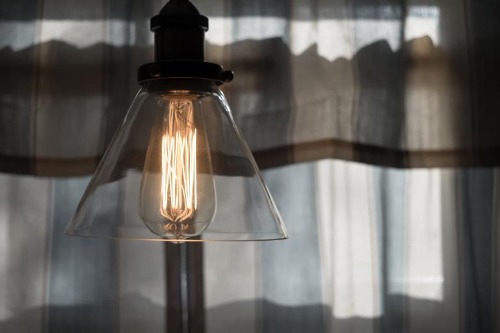
Dusty light fixtures don’t just look bad—they change the entire tone of your space. Layers of grime can block light, making rooms look dim and tired. This dullness often gets mistaken for aging decor or old paint when it’s really just dirt. Cleaning them regularly keeps both the light quality and your room’s vibe youthful.
Ignoring fixtures also lets heat build up inside bulbs and shades, which can cause yellowing or cracking over time. Glass and metal fixtures, in particular, lose their shine when neglected. A quick wipe with a microfiber cloth every few weeks can keep them bright and safe. It’s a small task with a surprisingly big impact on how “fresh” your home feels.
6. Over-Polishing Furniture
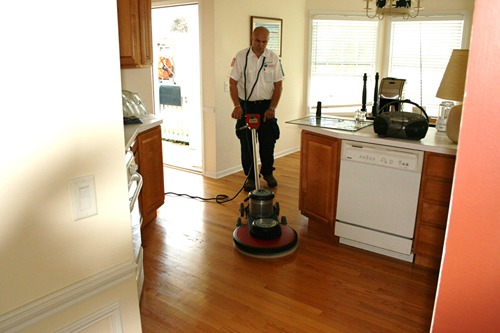
Polish seems like a treat for your wood furniture, but too much can actually create buildup. That waxy residue traps dust, dulls the finish, and can even attract grime. Over time, it makes furniture look greasy instead of gleaming. A light touch every few months is more than enough.
Constant polishing can also clog wood’s pores, preventing it from breathing properly. This can lead to cracking or uneven color changes as the material ages. Instead, focus on gentle dusting and spot care for scratches or dryness. Your furniture will age more naturally and beautifully with less interference.
7. Ignoring Your Vacuum Filter
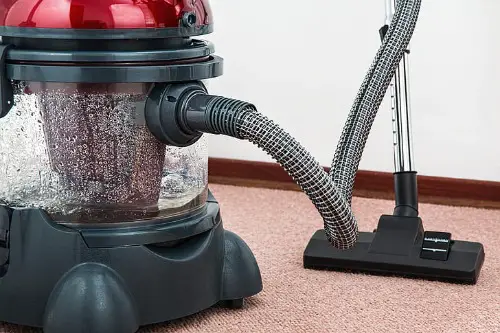
If your vacuum seems less effective, it’s probably not your imagination—it might be a clogged filter. When filters are dirty, they blow dust back into the air and onto surfaces you’ve just cleaned. That fine dust settles into fabrics, rugs, and vents, dulling everything over time. Cleaning or replacing the filter keeps your whole home truly clean.
Neglecting this step also makes your vacuum motor work harder, shortening its lifespan. You might notice more lingering odors, too, as debris builds up inside the machine. A fresh filter every few months helps maintain indoor air quality and keeps furniture fresher. It’s an easy fix for a cleaner, newer-feeling space.
8. Using Abrasive Pads on Delicate Surfaces
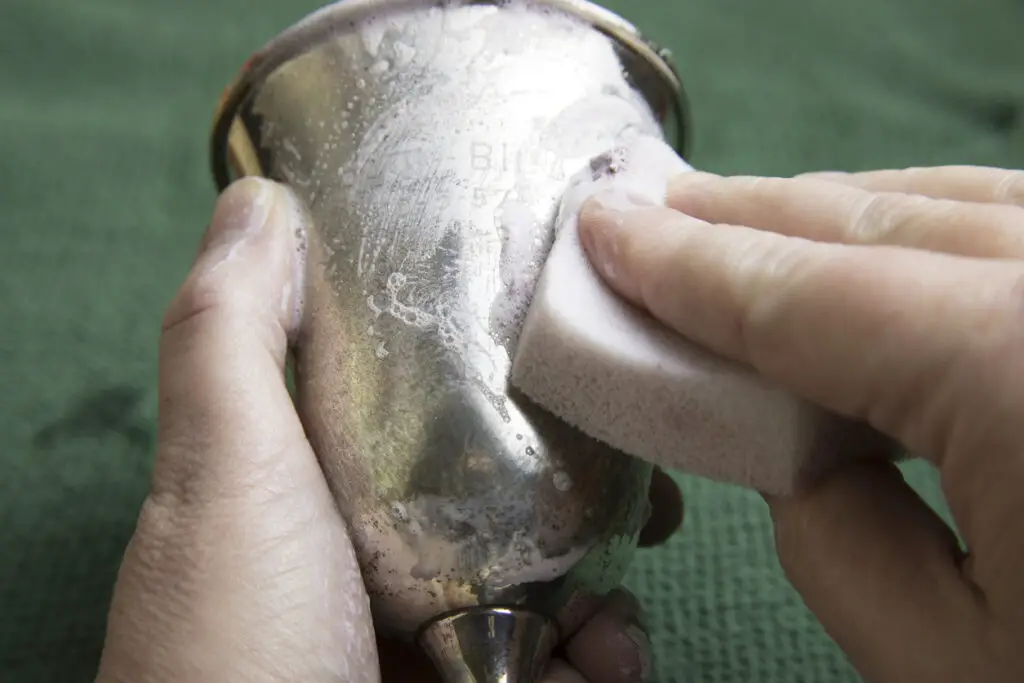
A scouring pad feels powerful, but that “power” often means micro-scratches. On stainless steel, enamel, or glass, these tiny scratches catch dirt and make surfaces look perpetually dingy. Over time, those marks become visible dull spots that no amount of cleaning can fix. Always check that your cleaning tools are surface-safe.
Soft sponges or microfiber cloths can remove grime without leaving scars behind. Even sinks and countertops benefit from gentler scrubbing methods. If you need extra grit, baking soda paste or a non-scratch pad does the trick safely. A little caution now saves a lot of restoration later.
9. Neglecting Door Handles and Switch Plates
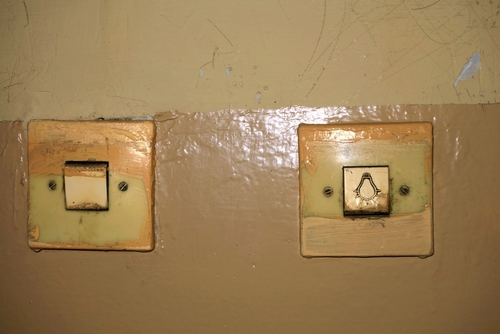
They’re some of the most-touched surfaces in your home, yet they often get skipped. Dirt, oil, and cleaning product residue build up around handles and switches, slowly discoloring paint and metal. This grime not only looks bad but also wears down finishes over time. Regular wiping can keep these high-touch zones looking crisp.
Neglect also leads to stubborn grime rings that are hard to remove later. These spots make walls and doors appear older, even if everything else is spotless. Using a mild soap solution and microfiber cloth is all it takes. It’s a small detail that keeps rooms looking fresh longer.
10. Skipping Window Tracks and Frames
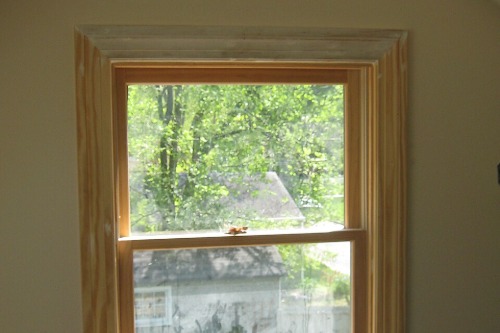
Clean glass won’t save you if your window frames are grimy. Dust and debris trapped in window tracks trap moisture, which can cause mold or corrosion. That damage spreads to paint, seals, and hardware—making windows look decades older than they are. A quick vacuum or toothbrush scrub prevents buildup.
Left unchecked, that grime can even affect how smoothly your windows open and close. It’s a functional and aesthetic issue rolled into one. Cleaning the full window—not just the pane—preserves both beauty and performance. Fresh frames make the whole room feel brighter and newer.
11. Using Too Much Laundry Detergent
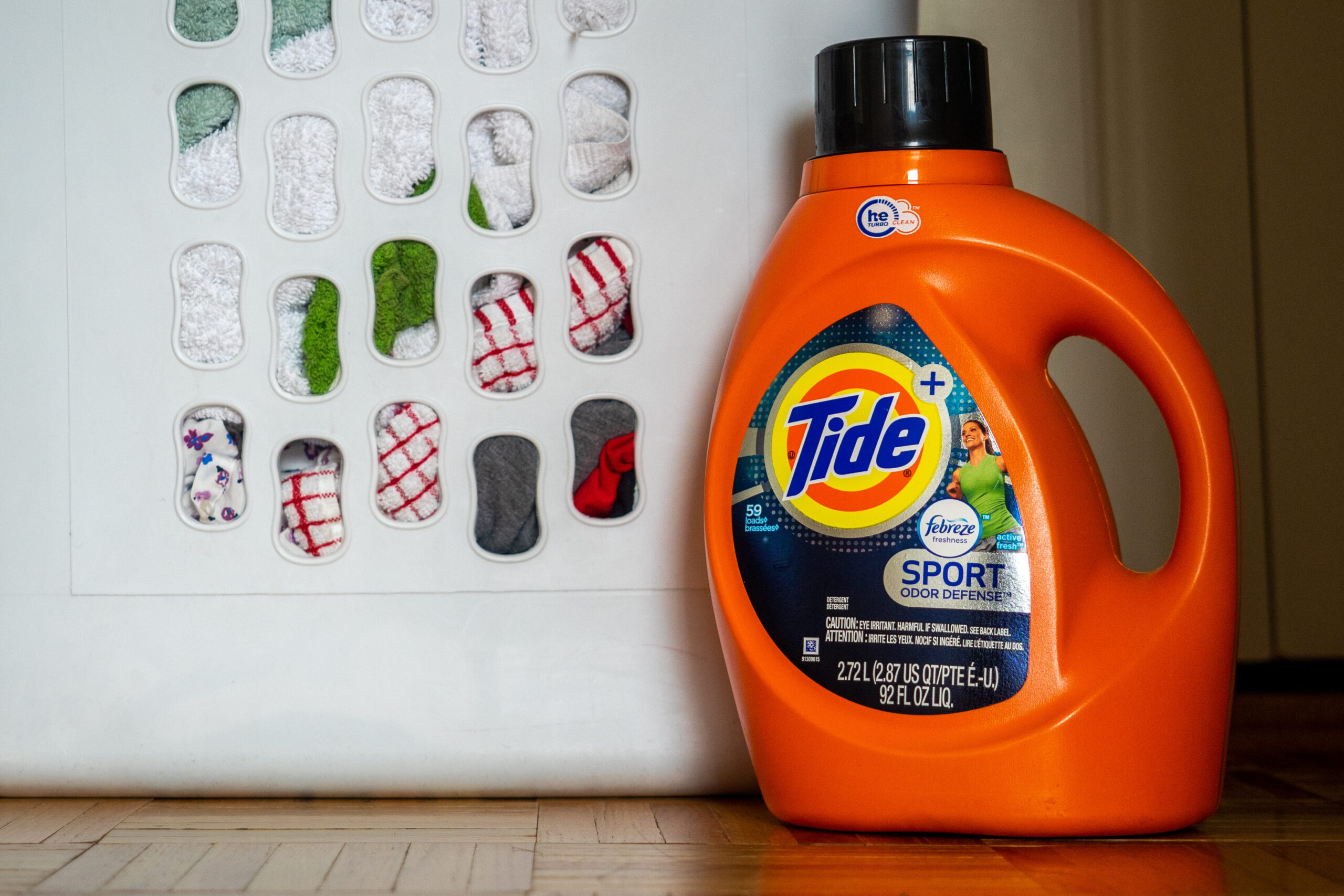
More soap doesn’t mean cleaner clothes—it actually means residue. Excess detergent clings to fabrics and washing machine parts, leaving a sticky film that traps dirt. That film can discolor clothes and make your washer smell musty. Over time, it also encourages buildup in pipes and hoses.
Residue left on fabrics makes them look dull and feel rough, giving off that “old towel” vibe. It can even wear fibers faster, shortening the lifespan of linens and upholstery. The fix is simple: measure detergent properly and run an occasional rinse cycle. Your fabrics—and your home—will stay fresher longer.
12. Ignoring Baseboards and Trim
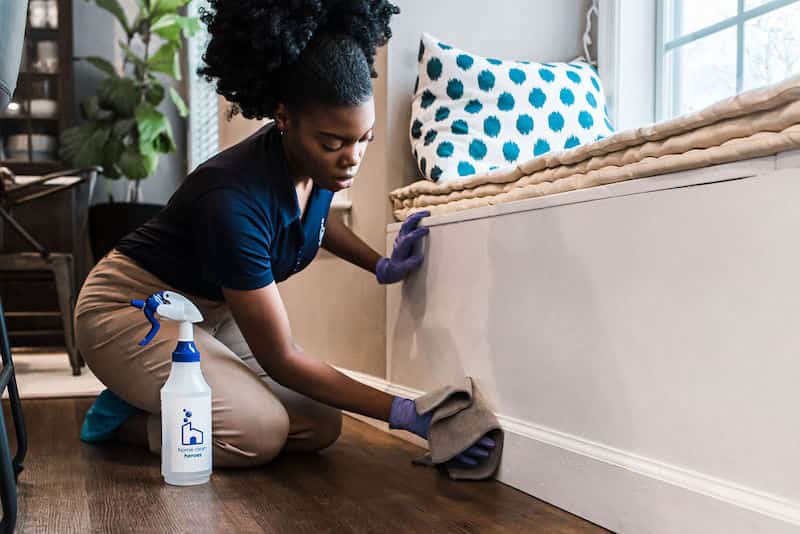
These areas tend to gather dust and scuffs that go unnoticed until they look shabby. Over time, that grime becomes embedded, dulling paint and making rooms feel dated. Clean trim lines frame a space, so when they’re dirty, everything around them looks older, too. A quick swipe every few weeks prevents that tired look.
Neglecting baseboards also allows moisture and dirt to damage the paint, especially in kitchens and bathrooms. Once buildup hardens, it’s harder to remove without stripping the finish. A damp cloth or soft brush is usually all you need. Clean edges make every room feel sharper and more cared-for.
13. Forgetting to Deep-Clean Upholstery
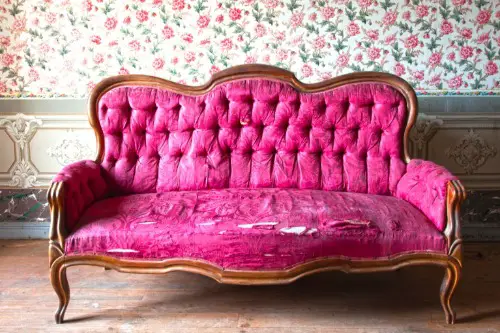
Vacuuming the floors but skipping the couch is a common mistake. Upholstery absorbs dust, oils, and odors that gradually dull fabrics and fade colors. Even if it looks clean, it can harbor particles that break down fibers over time. Regular vacuuming and yearly deep cleans help preserve texture and color.
Neglecting furniture care can make an entire room seem older, even with fresh paint or decor. Cushions start to look flat, and fabrics lose their vibrancy. A good deep-clean revives them instantly, restoring softness and freshness. Think of it as rejuvenation for your living room.
This post 13 Cleaning Habits That Accidentally Age Your Home Faster was first published on Greenhouse Black.
