
1. Using Abrasive Scrubbers on Stainless Steel

It’s tempting to grab a scouring pad when grime won’t budge, but abrasive scrubbers scratch stainless steel. Those tiny scratches dull the finish over time and make the surface more prone to staining. Once the protective coating is compromised, the metal becomes more susceptible to corrosion spots. It may look tough, but stainless steel needs gentler treatment than many people expect.
A better approach is using a soft microfiber cloth paired with a mild cleaner. This removes grime without grinding it into the metal. Many manufacturers even warn that abrasive tools void warranties. If you’re investing in high-end appliances, it’s worth treating them with the right tools from the start.
2. Overusing Vinegar on Stone Surfaces
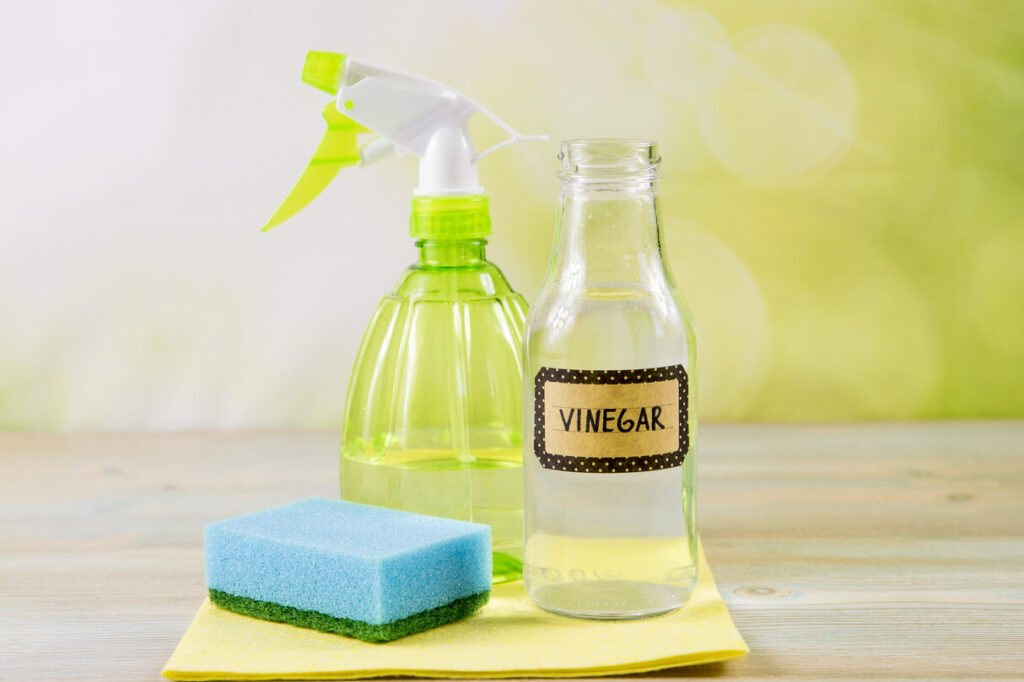
Vinegar feels like a miracle cleaner, but it’s too acidic for marble, granite, and other natural stones. Over time, the acid etches the stone, leaving dull patches that can’t simply be polished away. Etching also weakens the surface, making it more vulnerable to stains and water marks. It’s one of those slow-damage habits people don’t notice until it’s too late.
The safer choice is a pH-neutral stone cleaner. These products clean without compromising the stone’s integrity. When properly maintained, sealed stone countertops can last decades without visible wear. Vinegar, unfortunately, fast-forwards that aging process.
3. Using Bleach on Chrome Fixtures

Bleach feels like the strongest path to “really clean,” but it’s harsh on chrome. It can discolor the plating and accelerate corrosion. Over time, bleach breaks down the protective layer designed to keep chrome shiny. That leads to pitting and a permanently cloudy appearance.
If you want chrome to last, gentle soap and water do the job surprisingly well. You can also use diluted rubbing alcohol for tougher spots. Chrome is more delicate than it looks, and its shine depends on preserving its thin plating. Bleach damages exactly what makes it look new.
4. Leaving Water Sitting on Hardwood Floors

A quick spill seems harmless, but water left sitting on hardwood can warp the boards. Wood absorbs moisture easily, and even small puddles can cause swelling or staining. Over time, this weakens the finish and creates uneven coloring. It’s one of the biggest reasons beautiful wood floors age prematurely.
Cleaning wood floors should involve minimal moisture. Using a slightly damp mop is usually enough to lift dirt without soaking the surface. Manufacturers often specify avoiding steam mops for the same reason—heat plus moisture is damaging. Keeping floors dry preserves both the structure and the finish.
5. Scrubbing Nonstick Cookware with Metal Utensils
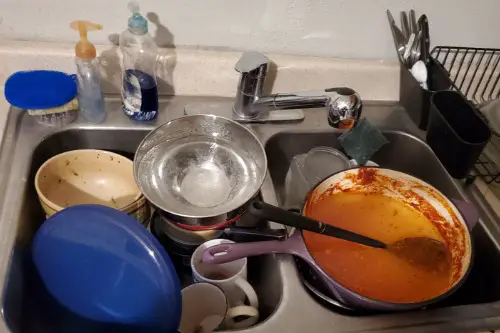
Metal utensils might feel efficient, but they scrape the nonstick coating. Those scratches eventually cause peeling, which ruins both the performance and safety of the cookware. Damage to nonstick surfaces also makes sticking worse, creating a frustrating cycle. Most people don’t realize how quickly even light scraping can add up.
Switching to silicone or wooden utensils prevents that wear. Nonstick pans are engineered for delicate handling. Once the coating is compromised, it can’t be repaired. Protecting it is the only way to make these pans last.
6. Using Too Much Detergent in High-Efficiency Washers
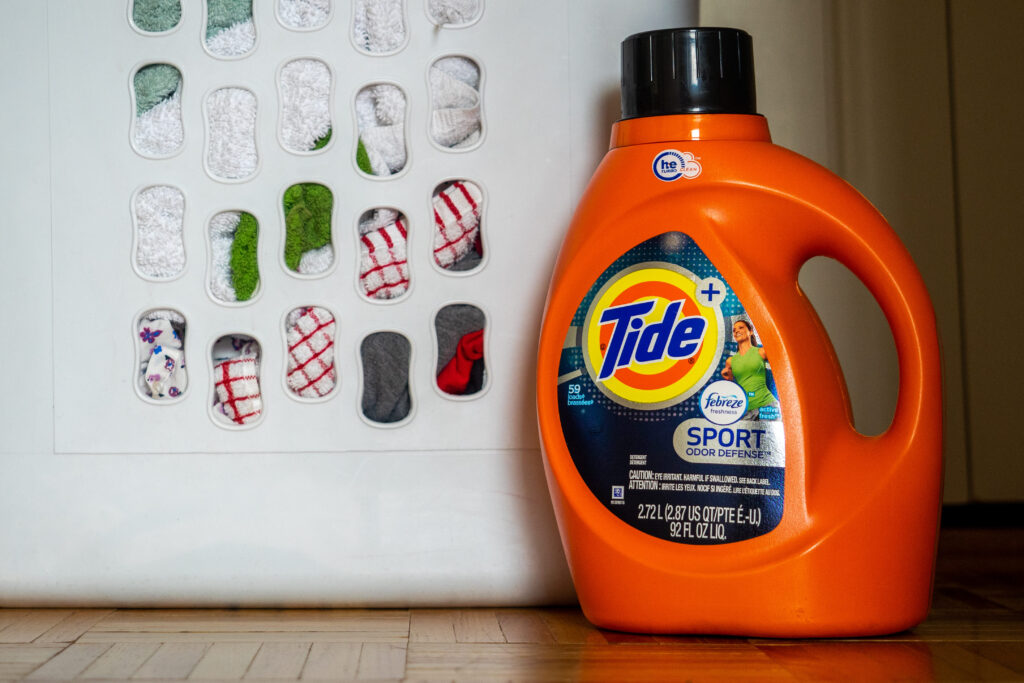
High-efficiency washers aren’t designed for lots of suds, and extra detergent causes residue buildup. That buildup clings to internal components and can even damage sensors. It also leaves clothes feeling less clean, since the machine can’t rinse out the excess. Over time, this strain shortens the washer’s lifespan.
Sticking to the recommended detergent amount keeps the system functioning smoothly. Many machines even have specific HE detergent guidelines. Using more doesn’t improve cleaning power—it just overloads the machine. It’s one of the simplest habits to fix for better longevity.
7. Spraying Cleaner Directly on Electronics
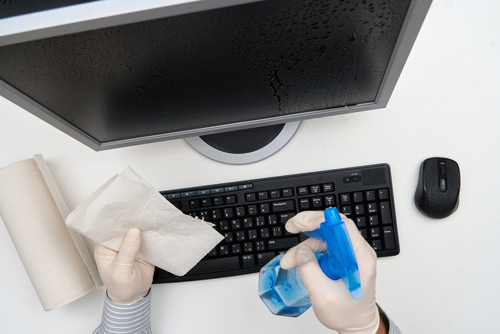
Spraying liquid directly onto screens or keyboards can force moisture into seams. This puts internal components at risk of corrosion or short circuits. Even small amounts of liquid can leave streaks or distort protective coatings on screens. It’s a common mistake that quietly causes expensive repairs.
The safer method is spraying the cleaner onto a cloth first. This keeps moisture controlled and away from sensitive openings. Microfiber cloths also protect delicate surfaces from scratches. A little care prevents big problems for phones, TVs, and laptops.
8. Using Harsh Chemicals on Brass Fixtures
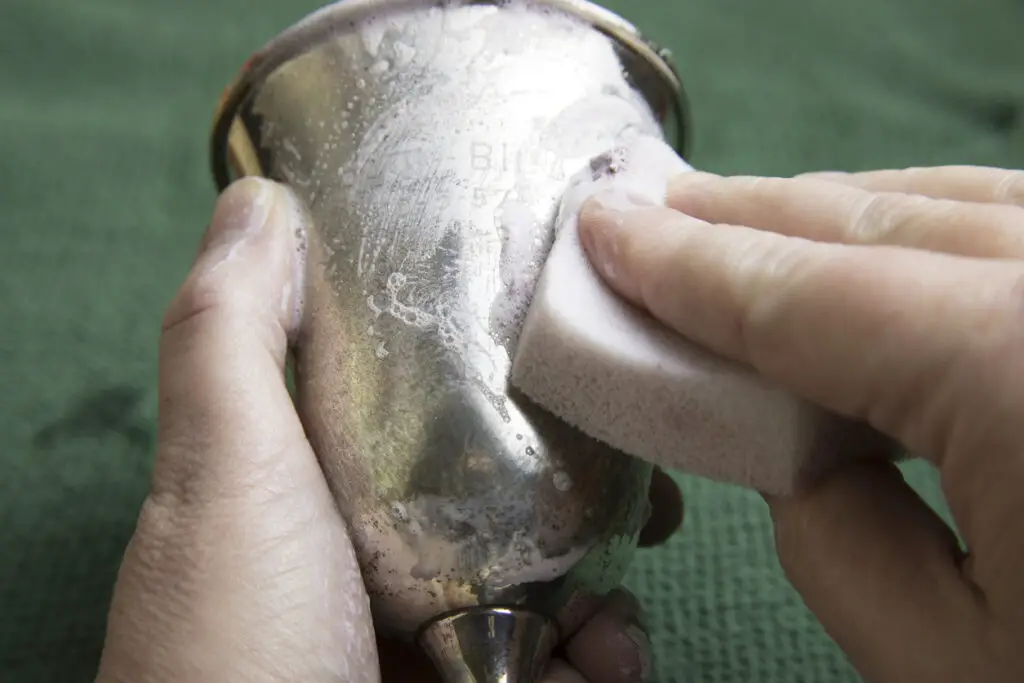
Brass often has a lacquer coating that harsh chemicals break down. When that coating is stripped, the metal tarnishes more quickly. It also becomes more sensitive to moisture and fingerprints. People are often surprised how fast brass loses its luster after aggressive cleaning.
Mild soap and water or a designated brass cleaner maintain the finish without harming the lacquer. Polishing too frequently or too intensely can also cause damage. With gentle upkeep, brass ages beautifully instead of prematurely. It’s all about preserving the protective layer.
9. Ignoring Filter Cleaning in High-End Vacuums
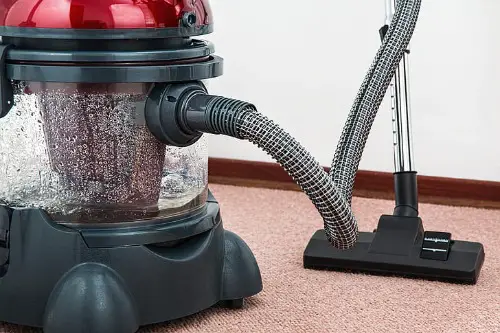
Letting vacuum filters clog forces the motor to work harder. This leads to overheating, which shortens the lifespan of the machine. Suction also drops significantly long before the vacuum appears damaged. Many people don’t realize the filter is the heart of the system.
Regular cleaning or replacement keeps airflow strong. Manufacturers specify schedules for a reason—they’re designed to prevent motor strain. A clean filter supports the vacuum’s full performance. Skipping this step slowly erodes that expensive investment.
10. Using Steam Mops on Unsealed Floors
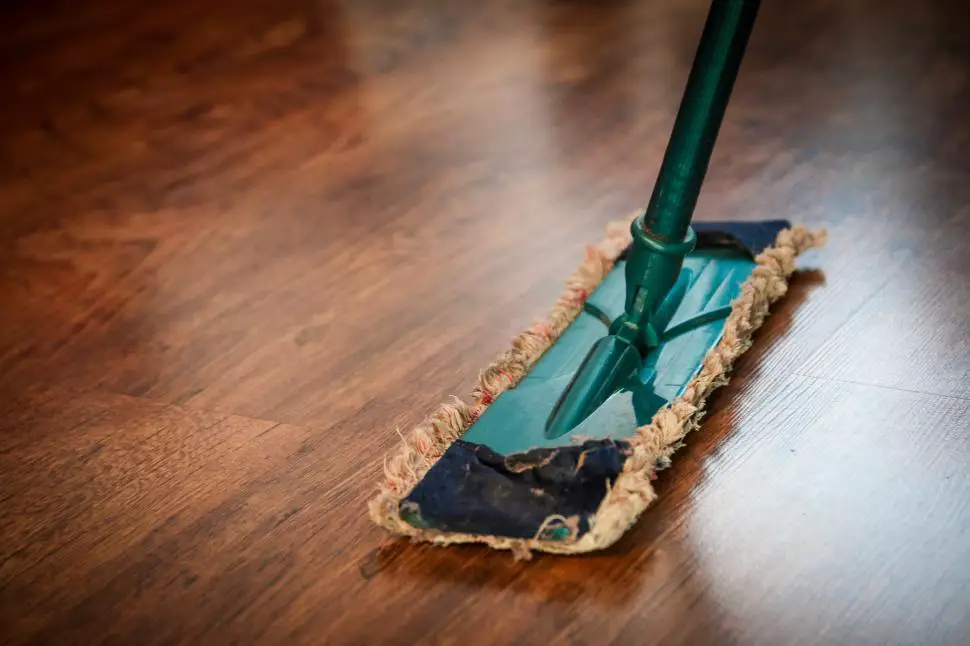
Steam mops push hot moisture deep into cracks and gaps. On unsealed or older floors, this causes warping and lifting. The steam can also break down adhesives used for engineered flooring. What feels like a thorough clean may actually be structural damage over time.
Unsealed floors need dry or barely damp cleaning methods. Even sealed floors should be checked against manufacturer guidelines. Too much heat weakens protective coatings. Sticking with safe cleaning methods preserves the floor’s integrity.
11. Soaking Wooden Cutting Boards Overnight
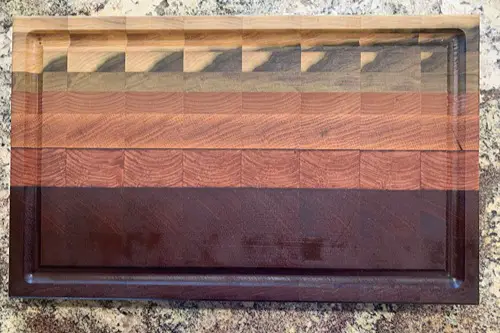
Wood absorbs water easily, and soaking causes it to swell. As it dries, the wood can crack or warp. Prolonged moisture also encourages bacterial growth in the grain. It’s one of the fastest ways to ruin a good board.
Cleaning should be quick, followed by thorough drying. A little food-safe oil can maintain the board’s condition. This simple habit keeps the wood from drying out or becoming brittle. Treating a board gently extends its life significantly.
12. Using Ammonia on Tinted Windows
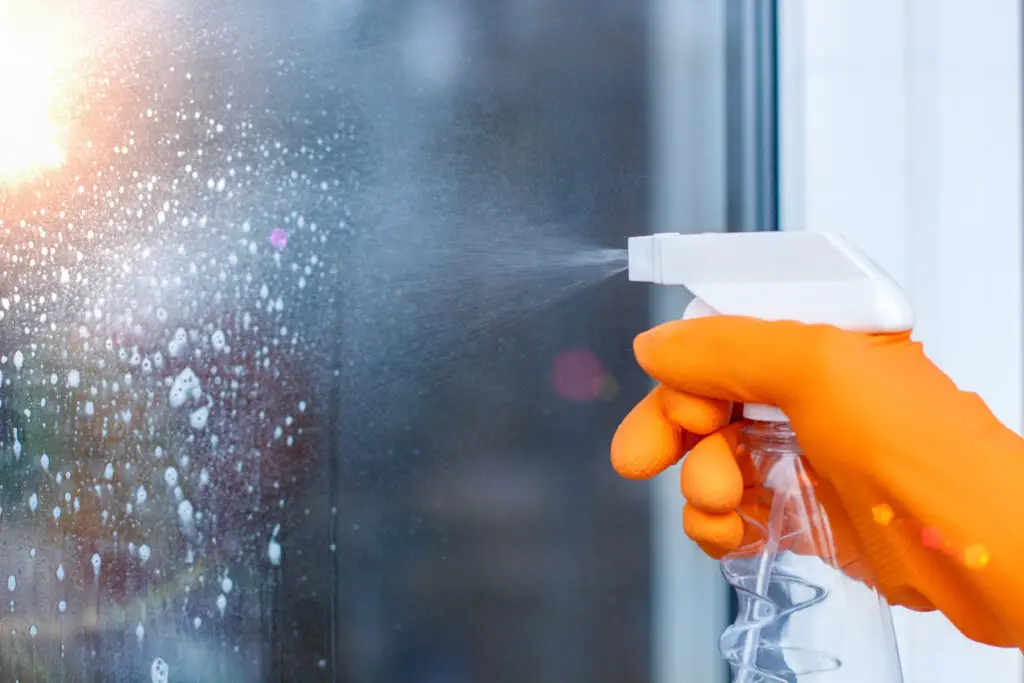
Ammonia breaks down the adhesive film used in window tinting. Over time, tints bubble, peel, or discolor. This is especially noticeable on car windows or specialty privacy films. The damage is slow but irreversible once it starts.
Tint-safe cleaners avoid ammonia entirely. They’re designed to clean without weakening the film. A soft cloth also helps prevent scratching. With the right products, tint stays clear and intact for years.
This post 12 Cleaning Habits That Quietly Destroy Expensive Fixtures was first published on Greenhouse Black.
