
1. Central Air Conditioning That Just Works
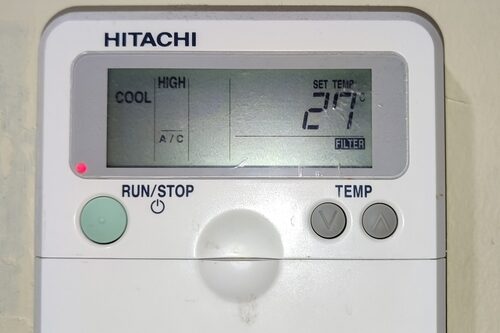
You don’t miss central air until you move somewhere without it and realize how loud and uneven window units can be. Central systems cool the whole home consistently instead of overworking one room and neglecting the rest. They also control humidity more effectively, which directly affects comfort and indoor air quality. In many regions, that moisture control makes the difference between a pleasant home and a clammy one.
Once it’s gone, the quiet is what people talk about most. Central air lets you keep windows closed, which reduces outside noise, pollen, and dust. You also don’t have to constantly adjust multiple units or worry about tripping breakers. It’s a background comfort that only becomes obvious when it disappears.
2. A Washer and Dryer Inside the Home
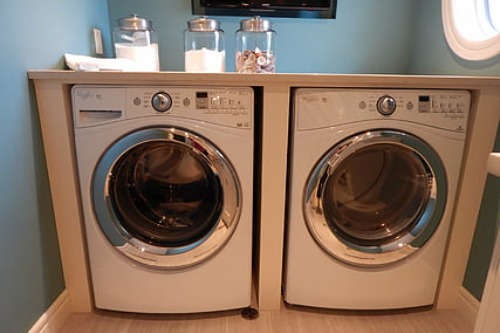
Having laundry machines at home feels normal until you’re hauling bags to a laundromat or shared basement. In-home machines save hours every week by eliminating travel, waiting, and scheduling around availability. They also allow you to do smaller, more frequent loads instead of marathon laundry days. That flexibility matters for families, people with physical limitations, and anyone with a busy schedule.
People miss the ability to multitask while laundry runs quietly in the background. Forgetting a load overnight is inconvenient but manageable when it’s just steps away. Shared or off-site laundry often means rushed cycles and lost items. The privacy and control of home laundry is something people rarely appreciate upfront.
3. Good Water Pressure in the Shower
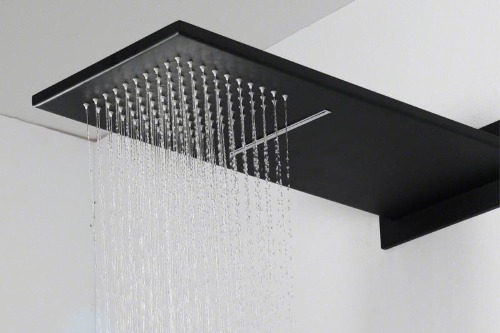
Water pressure is easy to overlook until it’s weak, inconsistent, or unpredictable. A steady, strong flow makes showers faster, more effective, and simply more pleasant. It also helps with rinsing shampoo, cleaning tubs, and filling containers efficiently. Older plumbing, shared systems, or pressure regulators can dramatically change this experience.
After moving, people often realize how much they relied on that daily reset. Poor pressure can turn a relaxing routine into a frustrating chore. It’s one of those features that affects your mood without you consciously noticing it. When it’s gone, every shower becomes a reminder.
4. Plenty of Electrical Outlets in the Right Places

Homes with enough outlets feel effortless, while homes without them feel constantly inconvenient. Modern life depends on charging phones, laptops, appliances, and smart devices. Older homes often lack outlets where people actually need them, forcing reliance on power strips and extension cords. This isn’t just annoying, it can also be a safety concern.
Once you move into a place with fewer outlets, the workarounds pile up quickly. Furniture placement becomes dictated by wall access rather than comfort. You also become more aware of how often devices need power throughout the day. Adequate outlets are a quiet foundation for modern living.
5. A Thermostat You Can Actually Control
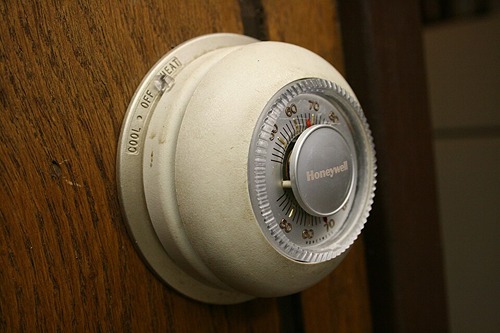
Having full control over your home’s temperature is something renters especially miss. Programmable or smart thermostats let you adjust settings based on time, weather, and occupancy. This improves comfort while also reducing energy use. Shared or locked systems remove that flexibility entirely.
People notice the loss when they’re too hot at night or too cold in the morning with no fix. Small adjustments can make a big difference in sleep quality and productivity. Not being able to fine-tune the temperature feels surprisingly restrictive. Control, more than the exact temperature, is what people miss.
6. Quiet, Solid Interior Doors
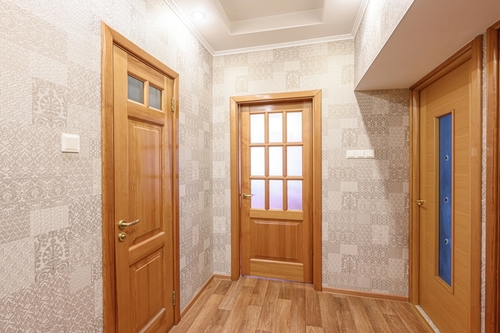
Well-built doors reduce noise between rooms and provide real privacy. Hollow-core or poorly fitted doors allow sound to travel easily, which becomes obvious in shared households. Solid doors also help regulate temperature by limiting airflow between rooms. This matters in homes with different sleep schedules or work-from-home setups.
After moving to a place with thinner doors, people notice every conversation and footstep. Closing a door no longer creates separation or calm. Privacy starts to feel fragile instead of reliable. It’s a small construction detail with a big daily impact.
7. A Pantry or Dedicated Food Storage Space

A pantry keeps food visible, organized, and easy to rotate. Without one, groceries spill into cabinets, counters, or random closets. This increases food waste because items get forgotten or duplicated. It also makes meal prep slower and more stressful.
People miss being able to see everything at a glance. Stocking up during sales or emergencies becomes harder without proper storage. Even small pantries create a sense of order and readiness. Once it’s gone, kitchens feel cluttered no matter how clean they are.
8. Windows That Actually Open and Close Properly
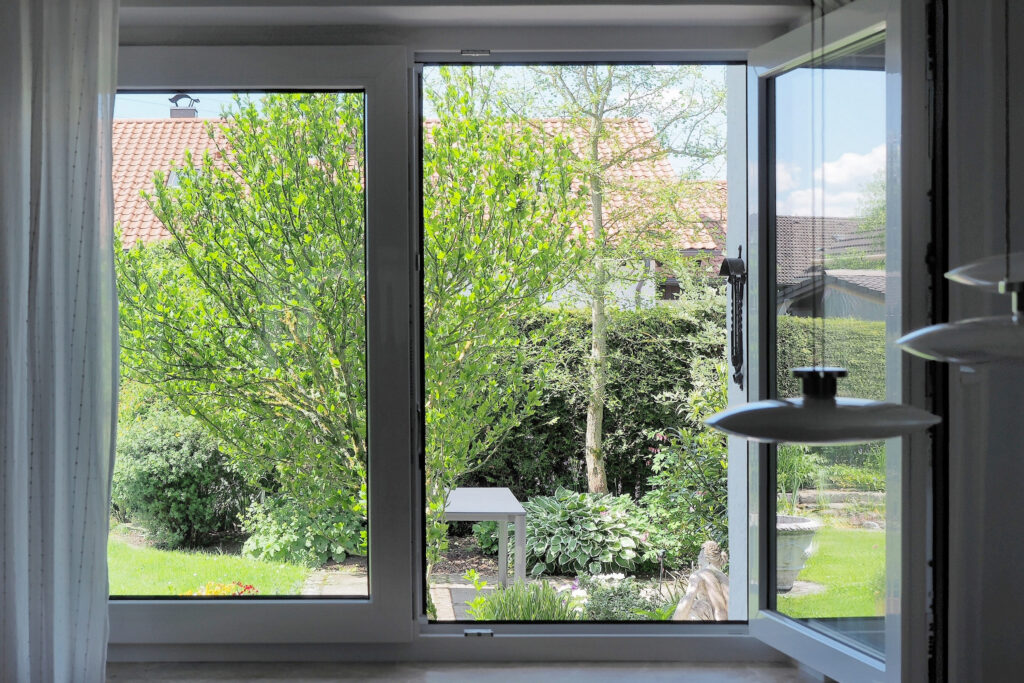
Functional windows matter for ventilation, safety, and comfort. Windows that stick, rattle, or won’t stay open make it harder to regulate airflow naturally. They also affect insulation and energy efficiency. Poorly maintained windows can even be a security concern.
After moving, people notice how often they used fresh air without thinking about it. Cross-breezes and quick ventilation disappear when windows don’t cooperate. You also become more aware of drafts and outside noise. Good windows quietly support daily comfort.
9. Adequate Storage Closets
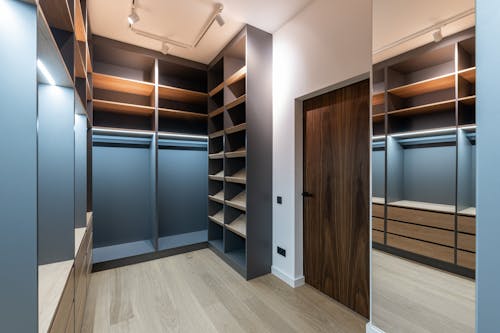
Closets prevent living spaces from becoming storage zones. When closets are well-sized, seasonal items, cleaning supplies, and luggage stay out of sight. Homes without enough closets force people to improvise with shelves and bins. That clutter adds visual and mental noise.
People miss the ability to put things away easily. Tidying takes longer when there’s no clear place for items to go. Storage affects how calm or chaotic a home feels. Once it’s gone, even minimal belongings feel overwhelming.
10. Reliable Hot Water Capacity

Hot water that lasts through a full shower feels basic until it doesn’t. Small or aging water heaters can run out quickly, especially in multi-person households. This limits shower length, laundry timing, and dishwashing. It also forces people to schedule routines around tank recovery time.
People notice immediately when hot water becomes a shared resource. Rushed showers and cold surprises become common. The loss affects mornings and evenings the most. Reliable hot water supports comfort and predictability.
11. A Layout That Separates Noise Zones
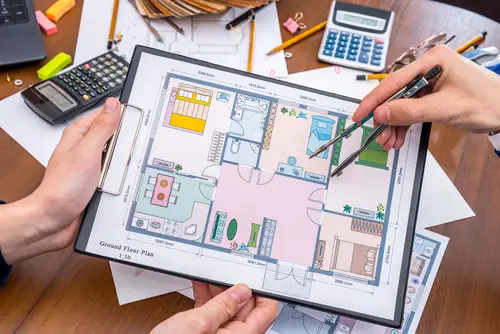
Homes with thoughtful layouts separate bedrooms from loud living areas. This reduces sound transfer from TVs, kitchens, and entryways. It’s especially important for families, shift workers, and remote employees. Open plans can look appealing but often sacrifice acoustic comfort.
After moving to a noisier layout, people miss the old sense of retreat. Sleeping, working, or resting becomes harder when sound travels freely. You start planning activities around who might be disturbed. Layout decisions quietly shape daily harmony.
This post Comfort Home Features People Miss Only After They’re Gone was first published on Greenhouse Black.
