
1. Bridgeport Milling Machines
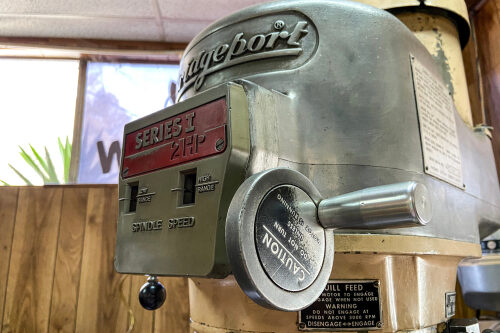
Bridgeport mills revolutionized small-scale manufacturing in the 20th century. The company’s precision vertical mills were once standard equipment in machine shops worldwide. Today, early models are coveted by collectors of industrial antiques. Even a nonfunctional Bridgeport can serve as a centerpiece in a workshop-themed space.
Collectors love their sheer mass and mechanical artistry. These machines represent the peak of American industrial ingenuity. Many are still operational, quietly turning out parts in hobbyist garages. They remind us of a time when mechanical skill was a cornerstone of innovation.
2. Stanley Hand Planes
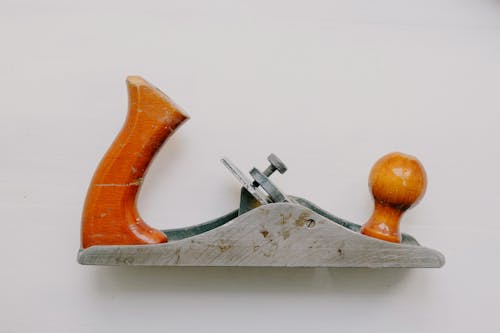
Before power sanders took over, Stanley hand planes were the pride of any craftsman’s bench. The No. 4 smoothing plane, in particular, has become a collector’s favorite due to its precision and timeless design. Vintage examples with rosewood handles and brass fittings can now fetch impressive prices at auctions. They’re prized not just for function but for the artistry of their construction.
Many collectors seek out early 20th-century models stamped “Stanley Rule & Level Co.” for authenticity. These tools often feature patented adjustments that revolutionized woodworking at the time. Even casual DIYers admire their balance and the satisfying feel of a perfect shave of wood. They represent an era when craftsmanship mattered more than mass production.
3. Millers Falls Hand Drills
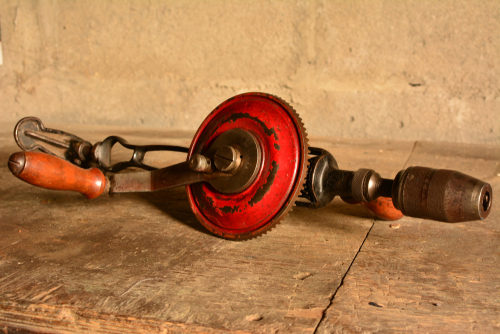
Before cordless drills were a thing, the hand-cranked Millers Falls models were essential in every shop. Their cast-iron frames and wooden handles gave them both heft and beauty. Collectors love the red enamel paint and nickel plating that distinguished this Massachusetts company’s tools. A well-kept No. 2 hand drill can now command prices far beyond its original cost.
These drills were made with precision gears that run smoothly even today. Many hobbyists restore them just to appreciate the engineering inside. Their charm lies in simplicity—no batteries, no cords, just mechanics. They’re a reminder that craftsmanship once relied more on skill than speed.
4. Black & Decker Workmates
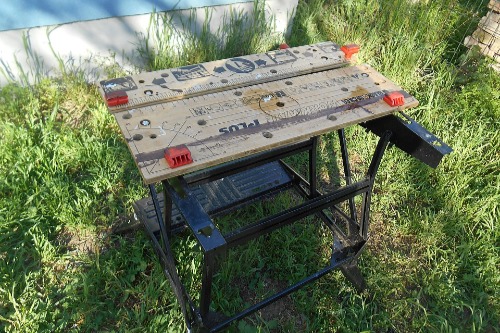
When Ron Hickman invented the Workmate in the 1970s, it changed how people used their garages. These foldable workbenches became a staple for DIY projects and small workshops alike. Early versions, especially those made in the UK with solid beech tops and cast aluminum frames, are now collectible. The design won awards and remains beloved by tinkerers and designers.
Collectors look for models with the original orange and silver paint scheme. Unlike modern versions, they were overbuilt to last a lifetime. Some even display them as examples of functional industrial design. They symbolize a golden age of home innovation when working with your hands was celebrated.
5. Craftsman Socket Sets
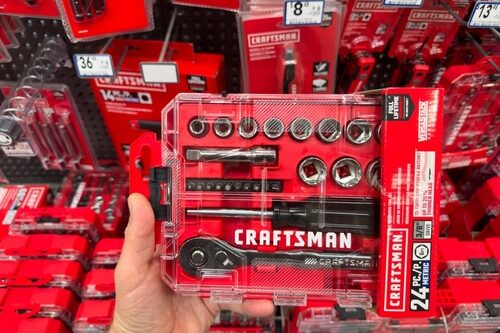
For decades, Craftsman was synonymous with “guaranteed for life.” Early socket sets, especially those made in the 1940s and 1950s, have gained collector status. They often came in stamped metal boxes with neat, organized trays. Vintage versions marked “Made in USA” hold special appeal due to their solid steel construction.
Collectors admire the brand’s heritage and the nostalgia it evokes from mid-century garages. These tools were part of postwar America’s DIY explosion. Many families passed them down like heirlooms, and the older sets still perform flawlessly. They’re a tangible connection to generations of home mechanics.
6. Disston Hand Saws
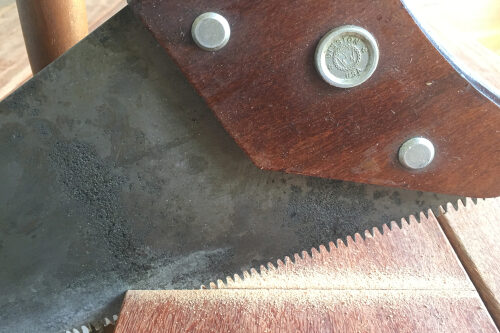
Henry Disston’s saws were once found in nearly every carpenter’s toolbox. Known for their high-carbon steel and decorative medallions, Disston saws have become prized collectibles. The Disston D-8, with its skew back and applewood handle, is especially desirable. Collectors appreciate the craftsmanship and attention to detail that modern tools rarely match.
Restored examples can still cut beautifully, even after a century. Many enthusiasts hang them as wall art for their elegant shape and engraved blades. The medallions alone—tiny brass badges stamped with the Disston logo—are collectible on their own. They’re not just tools; they’re history in hand-forged form.
7. Snap-on Wrenches
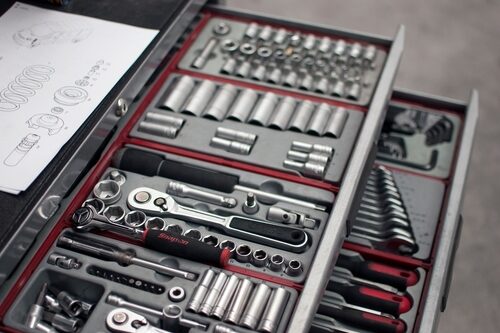
Snap-on tools were once the mark of a serious mechanic, built for durability and exacting tolerances. Now, early chrome vanadium wrenches from the 1930s to 1950s are sought after by both collectors and gearheads. Their engraved logos and weighty feel stand in stark contrast to modern lightweight alloys. It’s not unusual to find vintage Snap-ons displayed more like jewelry than tools.
Collectors appreciate how these wrenches helped shape American automotive history. During World War II, Snap-on supplied tools for military vehicles, making wartime sets especially desirable. Many are still perfectly functional after decades of use. The combination of utility and legacy makes them hard to resist.
8. Lufkin Tape Measures
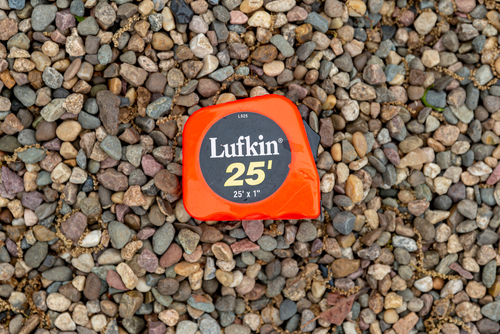
Before digital measuring tools, Lufkin ruled the pocket tape market. Their early steel and cloth tapes, often housed in brass or nickel-plated cases, are now collectible. The brand’s roots stretch back to the late 1800s, making their older models appealing to both tool and advertising collectors. They were designed to survive hard use, and many still function perfectly.
Collectors look for models with engraved or enamel logos. Some feature patent dates that trace the evolution of measurement technology. The smooth rewind mechanisms and compact size make them tactile pleasures to handle. They’re small but significant pieces of everyday history.
9. Ridgid Pipe Wrenches
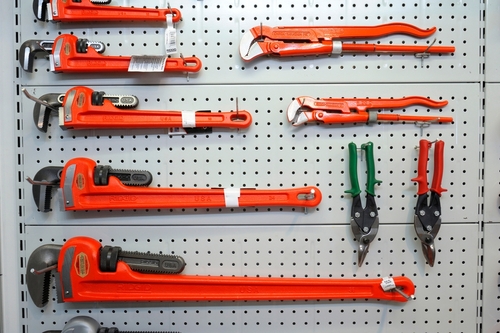
Ridgid pipe wrenches were built to last—and they did. Their distinctive orange handles and rugged teeth are instantly recognizable. Older cast-iron versions, especially those stamped “Elyria, Ohio,” are now collectible. They embody the practical beauty of well-made industrial tools.
Collectors appreciate how little the design has changed in nearly a century. The vintage wrenches often show decades of honest wear, giving each a unique patina. Some enthusiasts even restore them for display, polishing the steel until it gleams. They’re icons of mechanical reliability and American grit.
10. Monkey Wrenches
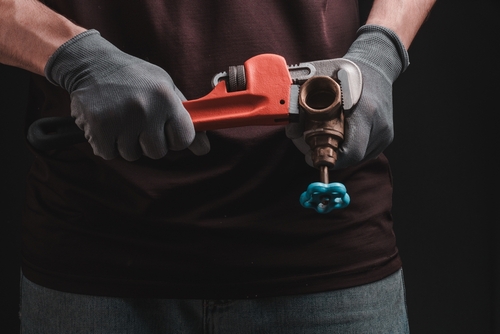
Before adjustable wrenches became standard, the monkey wrench was the go-to tool. Heavy, simple, and built from solid steel, it’s now a nostalgic favorite among tool collectors. Early models by Coes and Stillson are particularly valuable. Their wooden handles and hand-forged jaws mark a different era of manufacturing.
Collectors appreciate them as early engineering marvels. They’re often displayed in collections alongside other pre-adjustable tools. Each example tells a story about the evolution of mechanical design. What was once ordinary is now a tangible link to the origins of toolmaking.
11. Champion Blower & Forge Tools
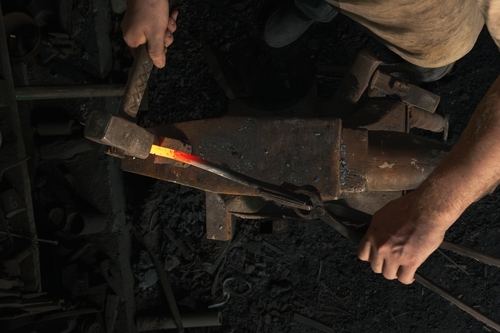
Champion Blower & Forge made blacksmith and mechanic tools from the late 1800s through the early 20th century. Their hand-cranked grinders and blowers are now prized for their rugged construction and ornate castings. Collectors love the industrial design, which combined form and function elegantly. Restored versions often end up as statement pieces in vintage-themed workshops.
Many enthusiasts seek out the cast-iron crank blowers, which still work beautifully for hobby forges. The brand’s embossed logos and intricate castings make them visually striking. Each tool reflects the precision of early American manufacturing. They’re a favorite among collectors who love both mechanics and history.
12. Delta Rockwell Band Saws
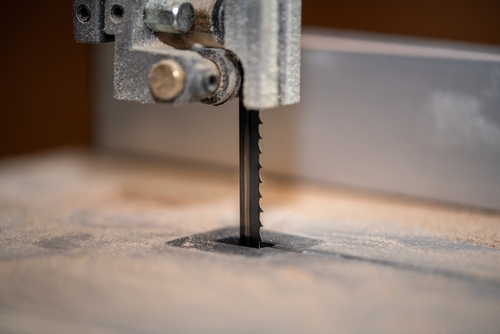
Delta Rockwell’s woodworking tools were once the gold standard in home shops. Their early band saws, with art deco-inspired bases and cast-iron frames, are now collectible. These machines are prized for their durability and design integrity. Even when nonfunctional, they’re valued for their sculptural quality.
Collectors seek out pre-1960s models with original badges and intact guards. Many are restored and used daily by modern woodworkers. They stand as proof that old machines were built to be repaired, not replaced. Each restored saw carries both nostalgia and practicality.
13. Plomb Tool Sets
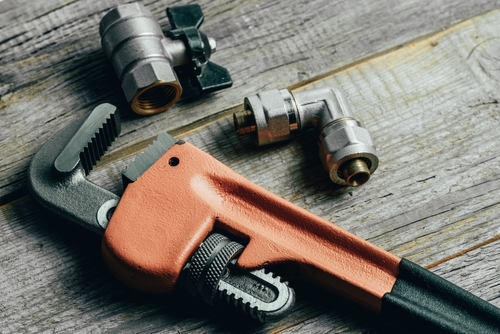
Before becoming Proto, the Plomb Tool Company was a major name in early 20th-century mechanics’ tools. Sets from the 1930s and 1940s are now highly collectible. The chrome finishes and distinct logos make them easy to spot. Many collectors hunt for complete sets in their original metal cases.
Plomb tools helped define professional-grade standards long before “lifetime warranty” became common. Their wartime production adds another layer of historical intrigue. Each wrench or ratchet feels solid and deliberate in hand. They’re a snapshot of an era when precision was built, not promised.
14. Vulcan Anvils
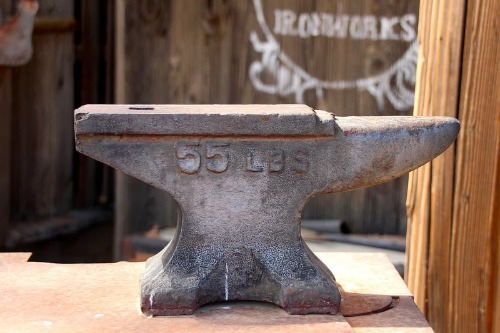
Anvils might not seem like garage tools, but Vulcan’s smaller shop anvils were popular with serious tinkerers. Unlike most cast-steel anvils, Vulcan used a unique process bonding steel faces to cast iron bodies. This made them quieter and cheaper to produce, a clever innovation for the time. Today, those same anvils are collector favorites for their hybrid construction.
Collectors look for the trademark arm-and-hammer logo cast into the side. Restored examples often feature in workshops as functional art. Each one carries dings and scars from decades of use, telling its own story. They’re enduring symbols of strength, both literal and historical.
This post 14 Common Garage Tools Now Considered Industrial Collectibles was first published on Greenhouse Black.
