
1. Parking Overnight at Rest Stops Beyond the Time Limit

Many rest stops along highways have posted limits—often 8 or 12 hours—for parking. Staying past that can trigger a fine or even a knock from a state trooper. These limits are there to keep traffic flowing and prevent people from setting up semi-permanent camp spots. If you need real rest, plan to move to a nearby campground or designated overnight lot before your timer’s up.
Even if no one seems to be checking, many rest stops now have cameras and license plate monitoring systems. They record how long you’ve been there and automatically flag vehicles that overstay. Some states, like California and Oregon, have recently tightened enforcement because of overcrowding. It’s better to be cautious than wake up to a citation under your windshield wiper.
2. Sleeping on Residential Streets
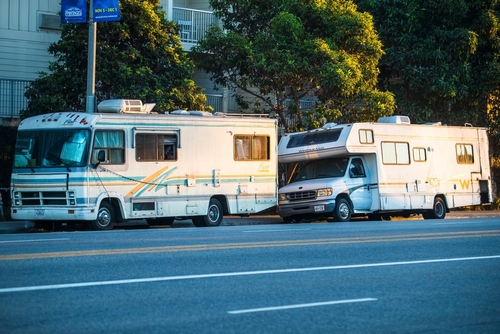
It might feel safe and quiet, but parking overnight on residential streets is one of the easiest ways to get fined—or towed. Many cities ban overnight vehicle habitation in neighborhoods to prevent congestion and discourage long-term campers. Even if the street doesn’t have signs, local ordinances often still apply. Residents who see an unfamiliar van may report it to local authorities.
This is especially true in areas like Los Angeles, San Diego, or Seattle, where “no dwelling in vehicles” rules are heavily enforced. Police or parking enforcement can issue citations just for sleeping inside, even if you’re legally parked. To stay under the radar, research city-specific codes about overnight vehicle use. Apps like iOverlander can help find safer alternatives.
3. Using 24-Hour Business Parking Lots Without Permission
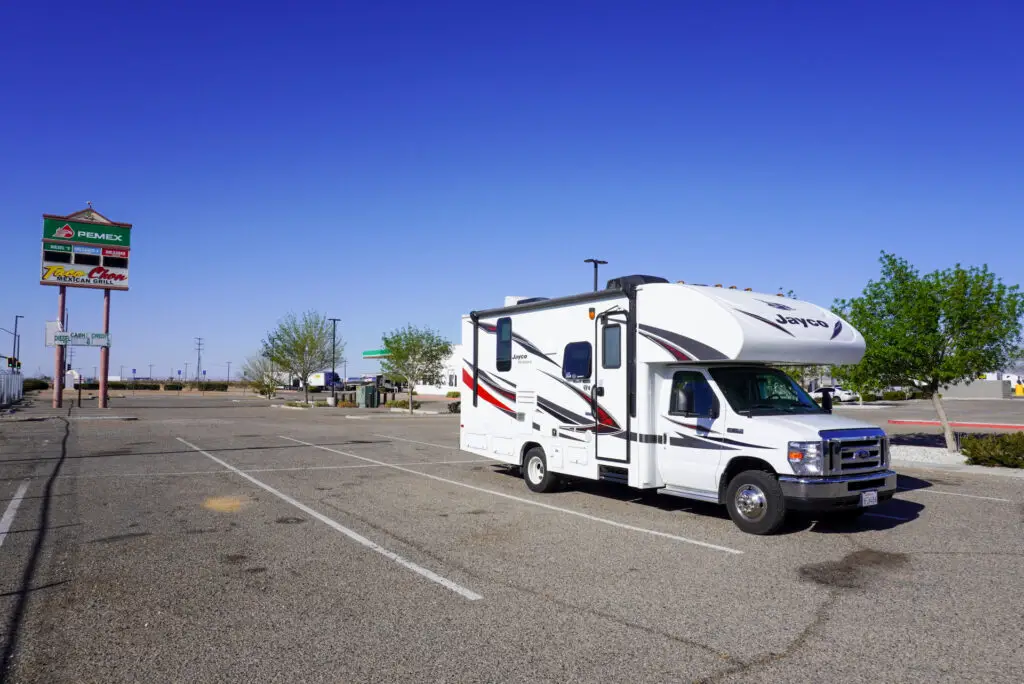
Many travelers assume 24-hour lots—like Walmart or Cracker Barrel—are fair game for overnight parking. While some locations do allow it, corporate policies vary and individual managers make the final call. Increasingly, these lots are posting “No Overnight Parking” signs due to liability and security issues. Ignoring those signs can lead to fines or even towing.
Even if the store used to allow overnight stays, policies can change without warning. Always check with the manager before settling in for the night. A friendly conversation can sometimes earn you permission—and avoids a 2 a.m. knock from security. Plus, respectful campers help keep the option open for others.
4. Parking Too Close to Trailheads or Beach Access Points

Trailheads and beach lots are tempting for their scenic morning views. But many of these locations are designated “day-use only,” and enforcement can be strict. Rangers patrol these areas to prevent illegal camping and preserve public access. Parking there overnight can cost you a fine or get your vehicle locked behind a gate until morning.
Even if you’re just catching a few hours of sleep, the rules usually don’t distinguish between resting and camping. If the sign says “no overnight parking,” take it seriously. These regulations protect the land and help limit littering and fire risk. Instead, look for nearby dispersed camping areas or designated overnight pull-offs.
5. Ignoring Metered Parking Rules After Hours
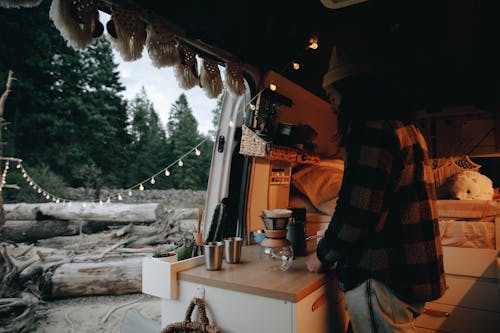
Many travelers think meters don’t apply at night—but that’s not always true. Some cities, like San Francisco and New York, enforce meter rules 24/7 in busy areas. Sleeping in a metered spot that still requires payment can result in a ticket before sunrise. The same goes for time-limited zones that roll over early in the morning.
Always check the signs carefully before calling it a night. The “free after 8 p.m.” rule doesn’t exist everywhere, and some meters automatically restart before dawn. Modern parking enforcement systems can detect unpaid meters remotely. Setting an alarm to feed the meter is rarely worth the stress.
6. Camping Out in Public Parks or City Lots

Public parks might seem quiet and safe, but most have curfews. After-hours presence—especially in a vehicle—is typically prohibited. Many park systems issue steep fines to discourage loitering or overnight stays. Local police often patrol just after closing time, so even arriving late doesn’t guarantee privacy.
City-owned lots are also risky, especially near municipal buildings or recreation centers. These spaces are intended for daytime visitors, not overnight campers. Even if you’re parked neatly, you could be cited for trespassing. Always look for signage indicating “overnight parking prohibited” before you settle in.
7. Taking Up Multiple Spaces
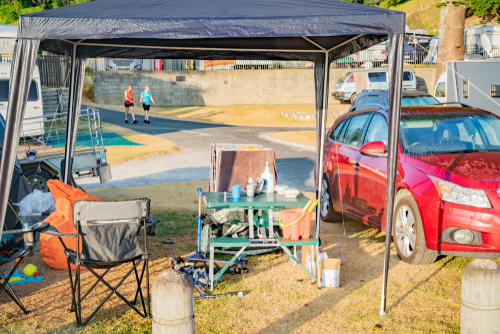
When you’re driving a larger camper van or RV, it can be tempting to straddle two spaces for extra room. Unfortunately, that’s a quick way to earn a ticket—or a complaint from nearby drivers. Even if the lot looks empty at night, it might fill up early in the morning. Enforcement officers don’t care that your rig doesn’t quite fit the lines.
Always seek out oversized vehicle spots or find a lot that accommodates long vehicles. Parking diagonally or over the lines is considered inconsiderate and illegal in most cities. Some van-lifers even carry collapsible cones or markers to help fit safely within a single space. Being mindful of others is not just polite—it can save you money.
8. Forgetting Local “No Overnight Parking” Zones

Some towns post broad “No Overnight Parking” ordinances covering entire districts. These are often meant to discourage van-lifers and long-term travelers from settling in. Even if individual streets lack signs, the ordinance still applies citywide. Enforcement officers know these zones and routinely patrol them.
Before you stop, research the town’s municipal code online or in travel apps. Tourist-heavy areas often have strict rules to keep streets clear. Violations can cost anywhere from $50 to $300 depending on the city. Planning ahead saves both frustration and fines.
9. Parking Near Schools or Government Buildings
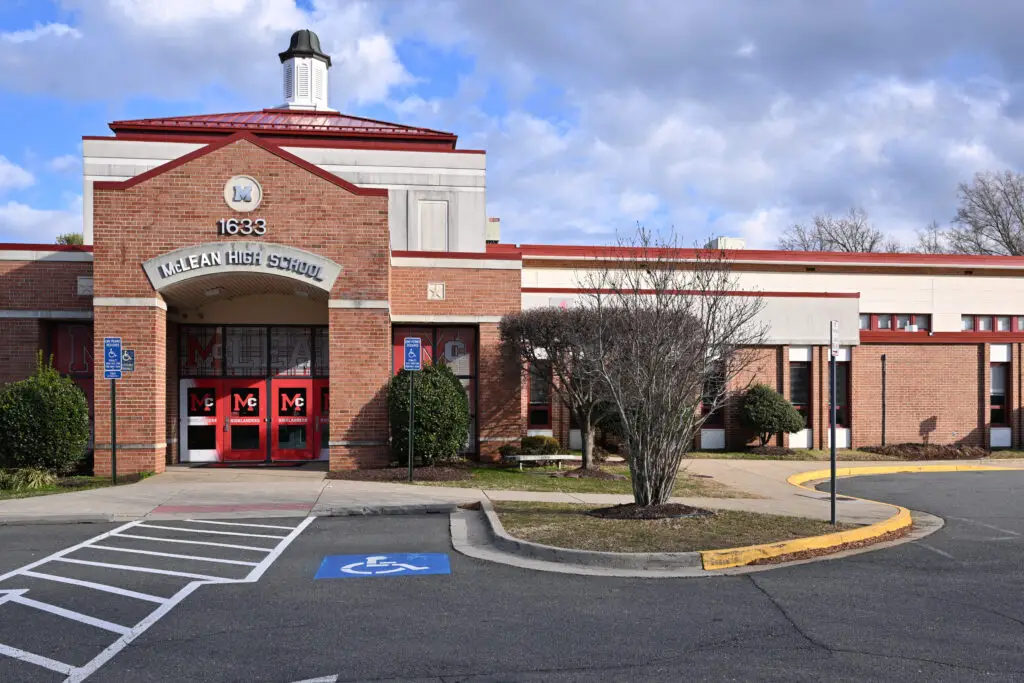
Security around schools and government offices is tighter than ever. Even a harmless van parked overnight can raise alarms. Police might assume suspicious intent, leading to questioning or towing. Most municipalities explicitly ban overnight parking near these areas.
Even if you park after hours, many lots have surveillance that flags lingering vehicles. You might not see the “No Parking” sign until it’s too late. Choosing these spots out of convenience can backfire fast. It’s safer—and smarter—to find neutral commercial areas instead.
10. Blocking Access Roads or Driveways
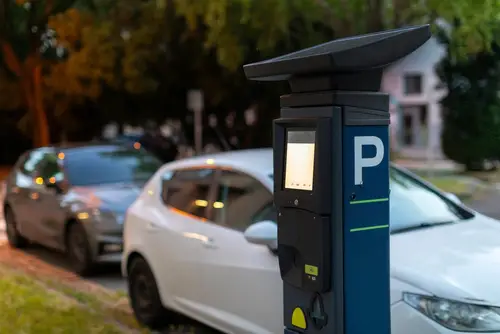
It might seem obvious, but it happens all the time—especially on narrow backroads or crowded urban streets. Blocking a driveway, fire lane, or emergency access area is an automatic fine. In rural areas, landowners may call law enforcement if they find a camper parked too close to their property entrance. Even if you think you’re off the main path, you could still be obstructing access.
Always leave room for large vehicles like trucks or fire engines to pass. Some roads look quiet at night but serve as maintenance routes or early delivery paths. If there’s any doubt, move along to a wider pull-off. It’s better to lose a little sleep than face a hefty obstruction ticket.
11. Overstaying in Casino or Truck Stop Lots

Casinos and truck stops are known havens for overnight travelers—but only within limits. Most allow one night of rest, not long-term parking. Overstaying can lead to booting or towing, especially if you’re taking up trucker spaces. Truckers rely on these lots for mandated rest breaks, so hogging a spot hurts everyone.
Some casinos have switched to permit systems where you must register with security. It’s a good idea to check before you park, even if it looks open. If you plan to stay multiple nights, move your rig between lots or to a nearby RV park. Respecting these informal rules keeps them open for others.
12. Relying on “Stealth Parking” in Cities
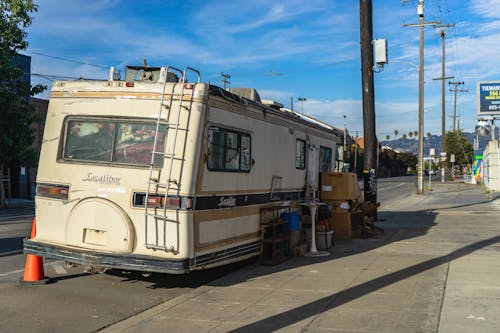
Stealth camping—disguising your van as a normal parked vehicle—used to work better than it does now. Cities have grown more vigilant about vehicle dwellers, especially since the pandemic. Enforcement officers look for condensation on windows, window covers, or blocked vents as giveaways. Once flagged, your plate might be logged and tracked for repeat offenses.
Even if you’re quiet and clean, stealth parking violates habitation laws in many urban areas. Tickets for “lodging in a vehicle” can cost hundreds. A better strategy is to rotate between legal overnight lots or designated safe parking programs. It’s less romantic than stealth, but far more sustainable.
13. Ignoring Seasonal or Weather Restrictions
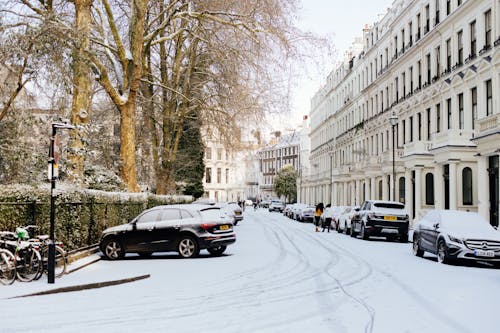
Certain areas ban overnight parking during snow or maintenance seasons. Street sweepers, snowplows, or flood prevention crews need full access to curbs. Ignoring temporary restrictions can result in towing and storage fees that cost more than a fine. These rules often change monthly or seasonally, so it’s easy to get caught off guard.
Always check posted seasonal schedules or city websites for updates. Some apps list temporary restrictions, but local notices are the most reliable. Don’t assume last week’s spot is still safe this week. Keeping an eye on local weather-related bans saves both your wallet and your home-on-wheels.
This post 13 Common Overnight Parking Techniques That Lead to Major Fines was first published on Greenhouse Black.
