
1. Excessive Garden Gnomes

A single garden gnome can be whimsical, but a crowd of them looks more like clutter than charm. Too many small figures scattered across a yard can make it seem busy and unkempt. Potential buyers may interpret that as a sign the homeowner lacks aesthetic restraint. In real estate, simplicity almost always wins.
Another issue is their style—many gnomes are painted in bright, unrealistic colors that clash with most landscapes. If they chip or weather unevenly, they create an even messier impression. Homebuyers want to picture their own style in the space, and a lineup of gnomes makes that harder. One well-placed, subtle statue works better than a dozen staring faces.
2. Plastic Pink Flamingos
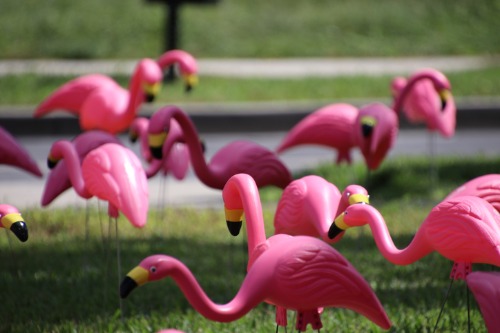
Once a kitschy nod to 1950s Americana, pink flamingos now tend to scream “dated” rather than “retro charm.” While they might make you smile, many homebuyers see them as tacky and overly artificial. Real estate agents often recommend removing them before showings because they can distract from a property’s natural appeal. Buyers tend to associate them with neglect rather than fun.
They also fade quickly in the sun, which makes them look shabby over time. When buyers see faded or cracked flamingos, they subconsciously think the home might be equally neglected. Even in areas where playful décor is common, they rarely add value. They’re better off as a party decoration than a permanent lawn feature.
3. Fake Animal Statues

Plastic deer, concrete dogs, or ceramic frogs can look cute at first glance—but often read as artificial and outdated. They break the illusion of a natural yard, which most buyers prefer. Many of these statues age poorly, collecting dirt and moss that make them look grimy. The result is more “haunted garden” than “peaceful retreat.”
Buyers are looking for curb appeal that feels fresh and clean, not staged or cartoonish. If the ornaments are cracked or leaning, they signal a lack of upkeep. Even high-quality ones can turn off buyers who see them as overly personal décor. Natural landscaping or bird-friendly features tend to make a much better impression.
4. Over-the-Top Holiday Displays
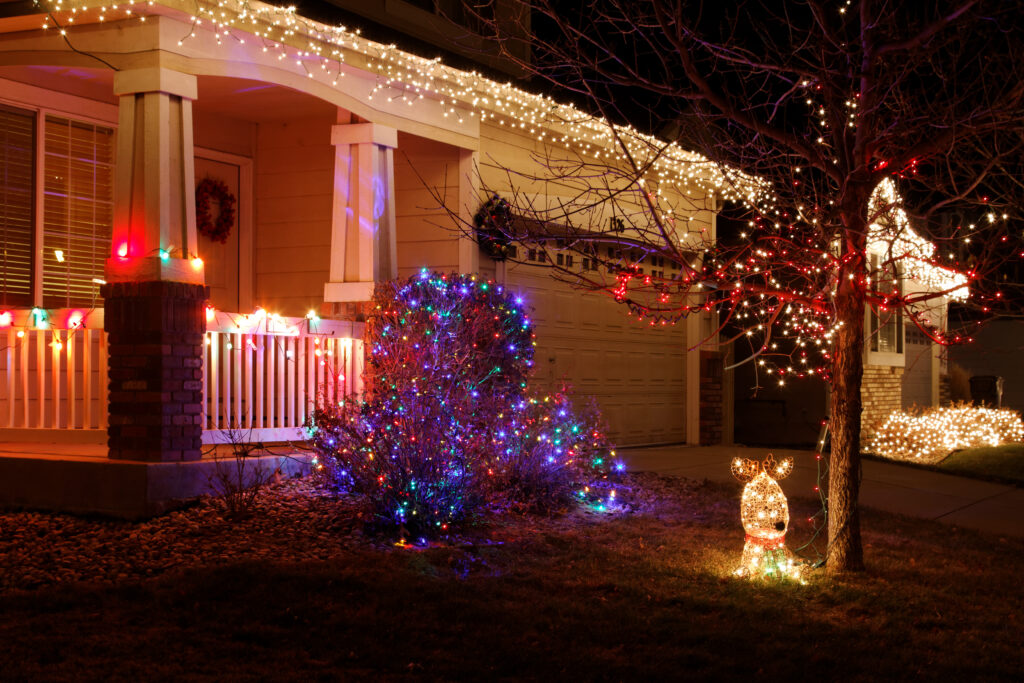
Leaving holiday decorations up long after the season can make a home seem neglected. A Santa in April or Halloween ghost in December suggests that maintenance might be an issue. Even during the right season, an excessive number of inflatables can overwhelm the space. It draws attention away from the home’s best features.
Potential buyers often view huge holiday displays as a sign of high energy bills or storage clutter. They might wonder where all those decorations are kept. Plus, large inflatables can damage grass and block pathways. Keeping seasonal décor tasteful and temporary helps maintain curb appeal year-round.
5. Political or Controversial Signs

While homeowners have every right to display their views, political or issue-based signs can alienate potential buyers. A yard full of campaign posters tells visitors more about the owner than the home. Real estate professionals often recommend removing them before listing. Neutrality sells better.
Buyers want to imagine themselves living there without feeling they’re stepping into someone else’s ideology. Even harmless slogans can stir emotion that distracts from the property itself. Signs also fade quickly, leaving behind uneven patches of grass or holes from stakes. It’s best to keep the yard message-free when trying to attract buyers.
6. Excessive Wind Chimes
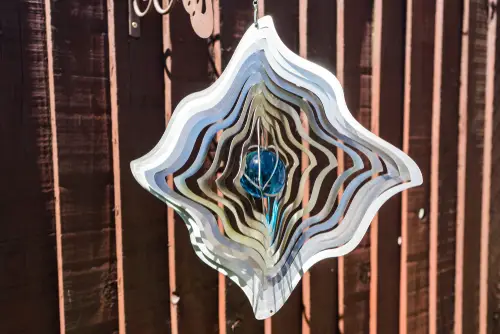
Wind chimes can sound peaceful to some, but they drive others crazy. When multiple chimes hang from every branch or porch post, the result is noisy and chaotic. Buyers might imagine sleepless nights and irritated neighbors. In many communities, too many chimes can even violate noise ordinances.
From a visual standpoint, they can look cluttered and mismatched. They also rust or tangle easily, adding to a sense of disorder. A single, subtle chime near the entryway is fine, but a collection makes the yard feel less serene. Buyers are drawn to quiet, not constant tinkling.
7. Yard Flaming Torches or Tiki Décor
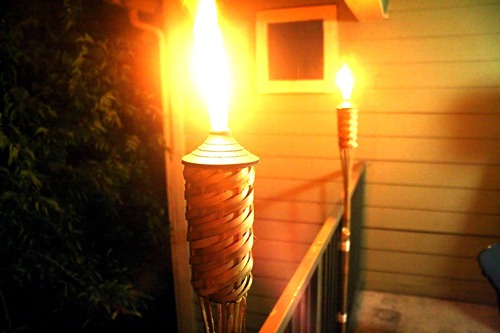
Tiki torches might suggest a tropical escape, but in most suburban settings they look out of place. They can also pose safety risks if left unattended or used in dry weather. Even solar versions can appear gimmicky when overdone. Buyers often see them as party props rather than lasting features.
They also tend to rust, leak, or attract insects. A few strategically placed lanterns or soft landscape lighting creates a much more upscale look. When buyers see torches, they often picture rowdy gatherings rather than quiet evenings. Save them for themed events, not permanent yard décor.
8. Overgrown or Artificial Topiary Animals

Sculpted shrubs shaped like animals or cartoon figures rarely impress modern buyers. They can look unnatural and require constant upkeep to stay recognizable. When neglected, they quickly turn lopsided or patchy. Instead of sophistication, they suggest wasted effort.
Artificial topiaries have similar problems—they fade, collect dust, and don’t blend with the landscape. Homebuyers today prefer organic shapes and native plantings. A simple, well-trimmed hedge reads as elegant and timeless. Overly sculpted greenery often just feels forced.
9. Excessive Lawn Ornaments or Signs
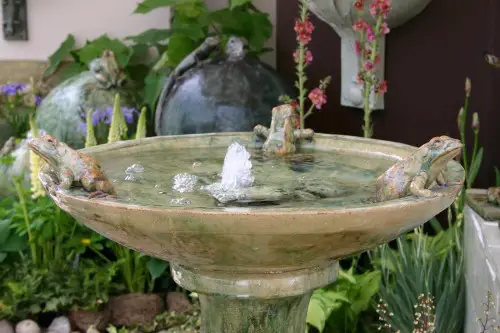
When every square foot of a yard features something—birdbaths, plaques, signs—it starts to feel like an outdoor flea market. Buyers prefer a sense of space and calm. Too many small objects break up the visual flow and make the property appear smaller. It’s visual noise.
Each piece might have sentimental value, but collectively they overwhelm the landscape. Buyers want to see the yard, not decode the owner’s personality through décor. One or two tasteful items can add charm; more than that detracts. Editing is key to curb appeal.
10. Fake Flowers or Silk Plants
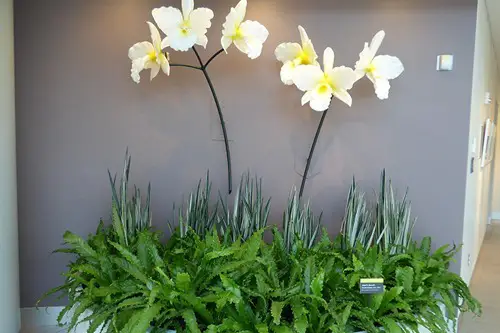
Plastic blooms might seem like an easy solution to upkeep, but they almost always cheapen the look of a yard. Sun exposure fades their color quickly, leaving them brittle and dusty. Even from a distance, most buyers can tell they’re not real. That breaks the illusion of a thriving, natural garden.
Real plants—even low-maintenance ones like succulents or native perennials—make a much better impression. Fake ones send a subtle message of neglect. They also don’t attract pollinators, which many buyers now value. A few minutes of real gardening beats months of plastic color.
11. Old or Rusted Metal Décor
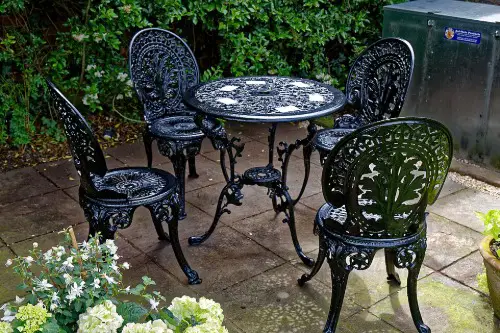
A wrought-iron bench or antique wheelbarrow can add character—but when rust takes over, it’s a different story. Rusted items make a property look aged and uncared-for. Buyers often interpret them as signs of deferred maintenance. If the décor looks corroded, they may worry about the roof or gutters too.
Restoration is possible, but few buyers want that project. Clean metal accents or fresh paint can keep the charm without the decay. A weathered look only works when intentional and balanced. Otherwise, it’s just a red flag—literally and figuratively.
12. Painted Rocks or DIY Art Projects

Hand-painted rocks, homemade signs, or repurposed furniture might hold personal meaning, but they rarely appeal to buyers. They can make a yard feel cluttered or overly personalized. The craftsmanship varies, and what feels creative to one person might look amateurish to another. Buyers want neutral spaces that invite imagination.
Even well-done DIY projects can clash with a home’s style or color scheme. Paint fades and peels, which looks messy. If you’re listing a home, it’s best to store personal art pieces until after the sale. Buyers should be admiring the house, not the hobby.
13. Reflective Gazing Balls
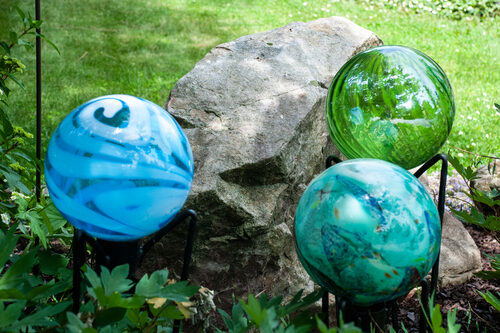
Gazing balls were once a symbol of elegance in Victorian gardens, but today they often seem out of step. Their reflective surfaces can create odd glare or distort the surroundings. When placed on pedestals, they sometimes look like leftovers from another era. Buyers might see them as dated rather than decorative.
They also tend to collect dirt and water, making them look dull or grimy. A simple birdbath or low fountain offers movement and life without the mirror effect. Modern buyers lean toward subtle garden features that blend with nature. Reflective orbs just don’t fit that aesthetic anymore.
14. Faux Wishing Wells
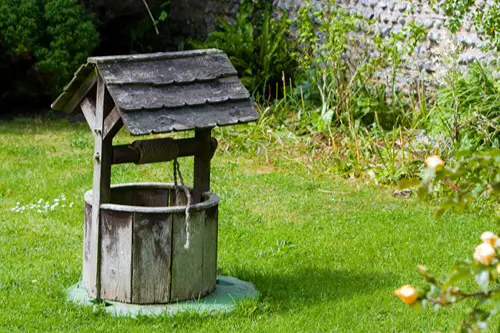
Once charming in cottage gardens, faux wishing wells now read as artificial and unnecessary. They’re bulky, weather quickly, and rarely complement a home’s architecture. Buyers today favor clean lines and low-maintenance landscaping. A wooden well in the corner just feels kitschy.
These wells often become storage spots for weeds or debris, which adds to the neglected look. They also block views and take up valuable lawn space. Removing them can instantly modernize a yard. A simple planter or stone feature achieves charm without the gimmick.
15. Excessive Solar Lights

Outdoor lighting can be beautiful, but too many solar lights create a cluttered, runway-like appearance. When lined up every few feet, they distract rather than highlight. Many buyers find them cheap-looking, especially if some stop working or fade unevenly. They can make a yard look overdone instead of inviting.
A better approach is to focus on quality rather than quantity—highlight pathways or trees selectively. Buyers appreciate a soft, cohesive glow, not a patchwork of mismatched bulbs. Uniform placement and consistent brightness go a long way. Too many lights simply overwhelm the night.
This post 15 Common Yard Ornaments That Signal Poor Taste to Buyers was first published on Greenhouse Black.
