
1. Vinyl Siding Instead of Fiber Cement
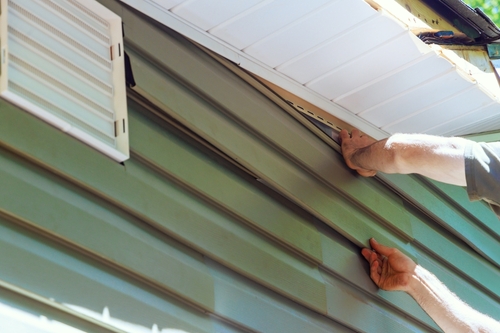
Vinyl siding might be cheap and quick to install, but it often signals “budget build” to potential buyers. It fades, warps, and cracks faster than higher-end materials, especially in areas with extreme temperatures. Over time, it also loses its shape, leading to wavy or uneven walls that make a house look dated. Fiber cement or engineered wood siding holds up better and adds a higher-quality feel that boosts curb appeal.
Buyers are getting savvier, and many can now spot vinyl from the street. When they see it, they immediately start calculating future replacement costs. That mental math often knocks thousands off what they’re willing to pay. Choosing a more durable siding material can mean the difference between a home that ages gracefully and one that looks worn out within five years.
2. Builder-Grade Windows
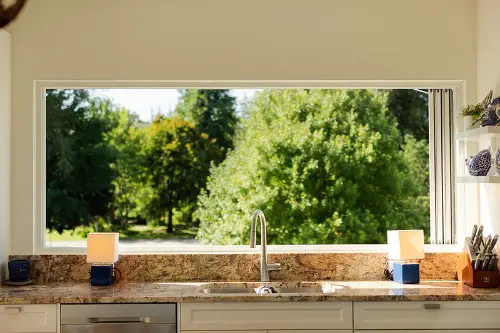
Cutting corners with builder-grade windows might save money upfront, but it’s a long-term loss. These low-cost options typically offer poor insulation and are prone to seal failures, condensation, and drafts. Not only does this make the home less energy-efficient, but it also creates a perception of low quality. Buyers know they’ll have to replace them sooner than later, and that’s a dealbreaker for many.
Energy-efficient, double- or triple-pane windows improve comfort, reduce utility costs, and make a new home feel truly “finished.” They also block noise better, which matters more in growing suburban areas. Homes with these upgrades photograph better and attract more serious buyers. So while good windows aren’t flashy, they’re one of the smartest investments a builder can make.
3. Cheap Laminate Countertops

Laminate has come a long way, but it’s still a red flag in a “new” home. Buyers today expect solid surfaces like quartz or granite because they signal durability and modern design. Laminate scratches easily, can bubble near sinks, and just doesn’t have that premium feel. Even mid-range buyers will see it as a corner cut.
Installing quartz or even butcher block in key areas like kitchens instantly elevates the perception of quality. Countertops are one of the first things people notice when touring a home. A solid surface tells them, “This was built to last.” Laminate, on the other hand, whispers, “We saved money wherever we could.”
4. Low Ceilings

Low ceilings might technically meet building code, but they feel claustrophobic in modern homes. Today’s buyers love open layouts and airy rooms that let in natural light. A ceiling height of eight feet, once standard, now feels outdated compared to nine or ten. That difference can make or break how spacious a home feels.
While raising ceilings adds cost, it dramatically increases perceived value. A taller ceiling allows for larger windows, more light, and even better airflow. Homes with this feature often sell faster and at higher prices. It’s a psychological effect — space equals luxury, and buyers are willing to pay for that feeling.
5. Narrow Driveways

A narrow driveway might seem like a small issue, but it’s one of the most common complaints among new homeowners. It’s inconvenient for parking multiple cars, and visitors end up blocking sidewalks or lawns. Worse, it can make the whole property look cramped or poorly planned. Functionality is key for curb appeal, and a tight driveway sends the opposite message.
Today’s families often have more than one car, sometimes three. A home that doesn’t easily accommodate them feels instantly less livable. Fixing it later means tearing up landscaping or concrete — an expensive hassle. A slightly wider driveway during construction prevents all that and makes daily life smoother.
6. Tiny Bathrooms

Cutting square footage from bathrooms is a classic builder mistake. While small bathrooms can technically “work,” they often feel cramped and dated right away. Buyers expect at least one spa-like retreat in a new home — not just a functional space. Skimping here makes the entire build feel lower-end.
Larger bathrooms also make staging easier, helping photos look more luxurious online. Dual vanities, walk-in showers, and soaking tubs all play into that high-end perception. Even a few extra feet can transform how a bathroom feels. Builders who ignore this end up with homes that look cheaper than they are.
7. No Mudroom or Drop Zone
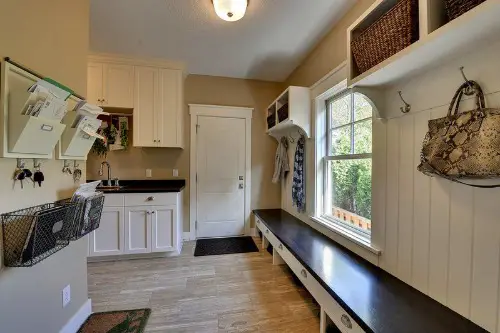
Modern life is messy — kids, pets, and grocery bags all need a place to land. A home without a mudroom or drop zone instantly feels less practical. Without one, clutter collects by the front or garage door, making even new homes look chaotic. Buyers notice this and think, “This place won’t stay clean.”
Including a small mudroom doesn’t require much space but adds huge functional value. It signals thoughtful design and livability. Even a built-in bench with hooks can make a big difference. In today’s market, convenience and organization are huge selling points.
8. Carpet in High-Traffic Areas
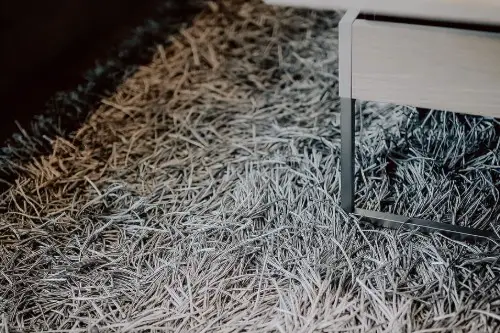
Carpet still has its fans, but putting it in living rooms or hallways is a fast way to cheapen a new build. It stains easily, traps allergens, and shows wear within a year or two. Buyers increasingly prefer hard flooring for both style and maintenance reasons. Even budget-friendly vinyl planks outperform carpet in durability and look.
When buyers see carpet in main spaces, they start budgeting for replacements immediately. That mental “to-do list” lowers perceived value. Hard floors, by contrast, feel cleaner and more modern. It’s a simple upgrade that pays off in resale and first impressions.
9. Dated Light Fixtures
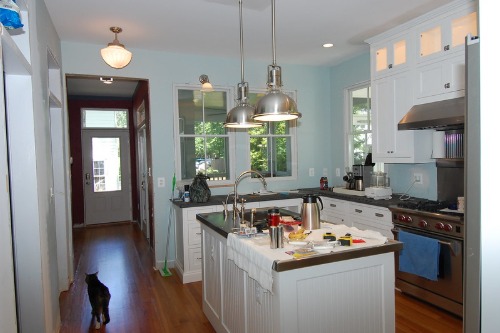
Lighting can make or break how a home feels — and builder-basic fixtures rarely impress. Those brushed-nickel flush mounts or fluorescent kitchen lights scream “cookie cutter.” Modern buyers expect lighting that feels intentional and stylish. It’s a small detail that carries big visual weight.
Replacing outdated lighting is one of the fastest ways to boost perceived value. Warm, layered lighting creates a cozy and inviting vibe that photos beautifully. Pendant lights, sconces, and statement fixtures help define spaces. Skipping this makes even new builds feel bland and outdated.
10. Poor Soundproofing
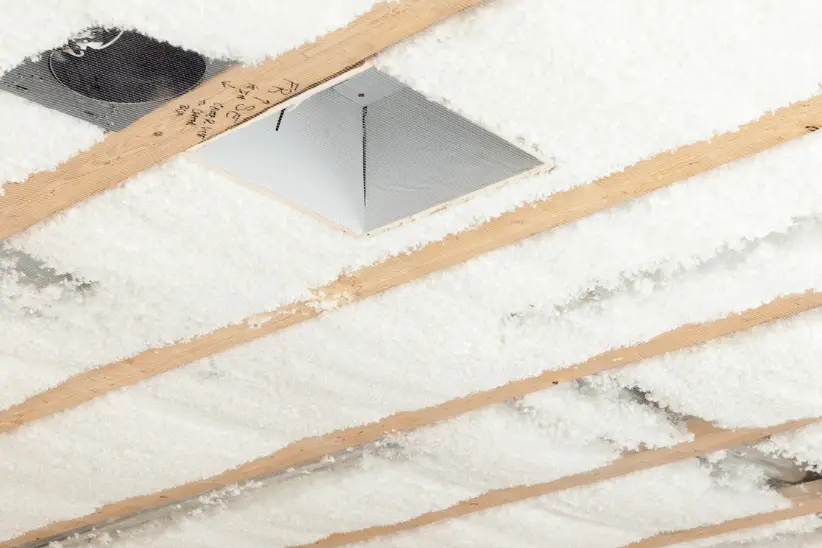
Nothing kills the “new home” experience like hearing every footstep or toilet flush. Many new builds use thinner walls or cheap insulation to cut costs, and it shows. Sound travels easily between rooms, and that cheapens the overall experience. Buyers notice immediately during open houses or walkthroughs.
Adding insulation or resilient channels costs less than many cosmetic upgrades but adds immense comfort. Soundproofing gives a home a sense of quality and calm. It’s one of those invisible details that make a property feel well-built. Skipping it signals rushed construction and corner-cutting.
11. Inconsistent Finishes
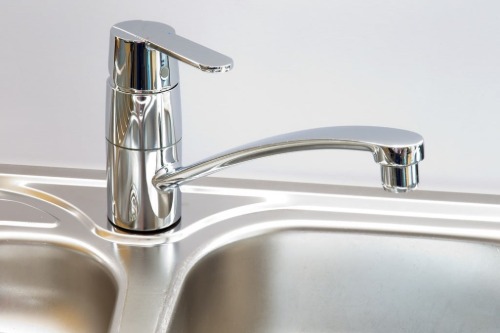
Mixing chrome faucets with black hardware or switching flooring between rooms can make a home feel disjointed. Inconsistent finishes tell buyers the builder didn’t have a cohesive design plan. That lack of continuity can make even expensive materials look mismatched. Buyers love harmony — it’s what makes a house feel high-end.
Consistency in finishes gives a polished, intentional look that buyers immediately trust. It’s not about luxury materials but thoughtful coordination. A cohesive palette makes rooms flow seamlessly. Builders who miss this step end up with homes that feel “off” without buyers knowing exactly why.
12. Skipping Landscaping

A bare yard or patchy grass instantly devalues a new build. Curb appeal matters — it’s the first impression and often the lasting one. Without landscaping, a home feels unfinished and cold, no matter how nice the interior is. Buyers equate neglected exteriors with hidden problems inside.
Simple touches like shrubs, mulch, and a tidy walkway transform perception. It shows pride and attention to detail, which buyers crave. Landscaping also photographs beautifully, making listings stand out online. A modest investment in greenery pays back tenfold in perceived value.
This post 12 Construction Choices That Instantly Devalue New Builds was first published on Greenhouse Black.
