
1. Vacuum-Seal Clothing Bags
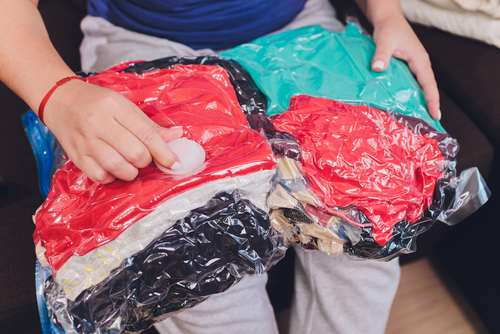
These bags make it easy to compress clothes for seasonal storage, but long-term use often damages fabrics. Textiles need airflow, and sealing them tightly can cause permanent creasing or fiber breakdown. When you finally open the bags, your clothes may look worn or smell stale. This turns an initially tidy solution into a maintenance headache.
Another issue is that the seals eventually fail, especially if the bags are stacked or stored in fluctuating temperatures. Once the seal leaks, everything reinflates and takes up more space than before. People often overpack them, which makes resealing even harder. What started as compact organization can balloon into unexpected bulk.
2. Over-the-Door Shoe Organizers
These seem convenient because they hang neatly and promise instant storage, but they often create clutter by encouraging you to stash random items in each pocket. Before long, you forget what’s in there, and things start piling up invisibly. This leads to duplicate purchases and misplaced essentials. The constant opening and closing of the door can also jostle items loose, making the space feel chaotic.
Many people also misuse them for heavier items like tools, bottles, or cords, which stretches the pockets and makes them sag. Once that happens, the organizer becomes unstable and harder to use effectively. The distorted pockets hide what’s inside even more, so you stop checking them altogether. Eventually, it turns into a dumping zone rather than a helpful storage solution.
3. Plastic Drawer Towers
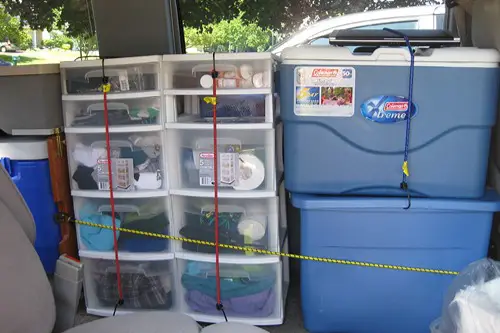
At first glance, these lightweight drawers seem perfect for quick organization, but they often buckle under the weight of everyday items. The thin plastic warps, making drawers jam or slide unevenly. This leads to frustration any time you try to access something inside. Eventually, people stop using them properly and start piling things on top or around them.
Because the drawers are semi-opaque, you can’t clearly see what’s inside, which encourages overstuffing. Items get buried, and the drawers become a chaotic mix of unrelated things. The lack of structural support also means they topple easily, especially in small spaces. Over time, this creates more disorder than they were meant to prevent.
4. Expandable Pot and Lid Racks
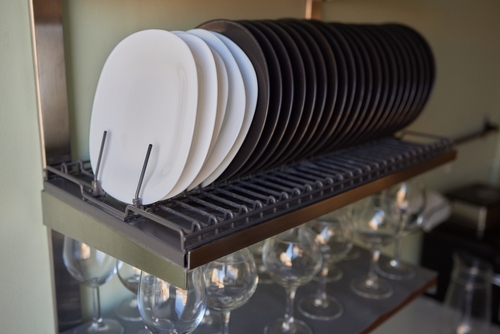
These racks promise adjustable organization, but they rarely stay configured the way you set them. Pots shift, lids fall through gaps, and the dividers bend under weight. This can turn a neatly arranged cabinet into a clattering mess every time you cook. Instead of simplifying meal prep, it adds noise and frustration.
Users often expand the racks too far, weakening their stability. Once they start wobbling, it’s hard to keep items aligned. The inconsistent spacing makes some cookware lean or fall over, creating wasted space. Eventually, most people abandon the system and revert to stacking everything again.
5. Clip-On Fridge Shelf Expanders
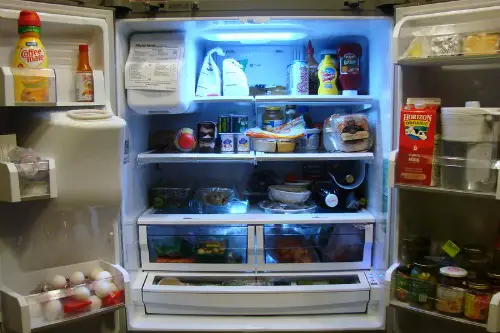
These little plastic add-ons look like a clever way to add space, but they often interfere with airflow in the refrigerator. Poor airflow means inconsistent temperatures, which can cause food to spoil faster. The shelves also slide easily when overloaded, spilling small items. What seems like extra room quickly becomes a source of constant cleanup.
The flimsy clips can loosen over time, especially in cold, moist environments. Once they shift, the shelves tilt and knock items into the back of the fridge. This makes it harder to keep track of perishable foods. The resulting food waste and frustration outweigh the “convenience.”
6. Stackable Fabric Bins
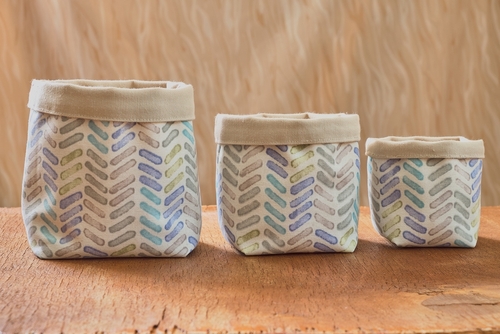
These bins look stylish, but they collapse inward when stacked unless completely full. Because they lack rigid structure, the sides bow and make it hard to pull them out without toppling the stack. This leads to rummaging, crumpled items, and lost belongings. The more you use them, the less shape they hold.
Their lids, if they have them, rarely fit tightly, leading to dust accumulation. You also can’t see inside easily, so items get forgotten. People tend to store miscellaneous items in them, turning them into “junk bins.” Over time, they become black holes rather than organizers.
7. Under-Bed Rolling Carts
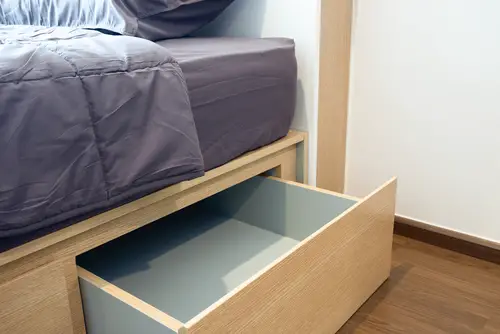
These seem like a perfect way to use dead space, but dust builds up quickly under beds. The carts collect allergens and require frequent cleaning, which most people don’t keep up with. Wheels often get caught on rugs or bed frames, making access annoying. Instead of simplifying storage, they make it feel like a chore.
They also encourage storing large, heavy items that are hard to retrieve in tight spaces. Once overloaded, the wheels can warp or break. The carts then stop rolling smoothly, making everything harder to reach. Ultimately, they turn into semi-permanent clutter under the bed.
8. Hanging Closet Shelves
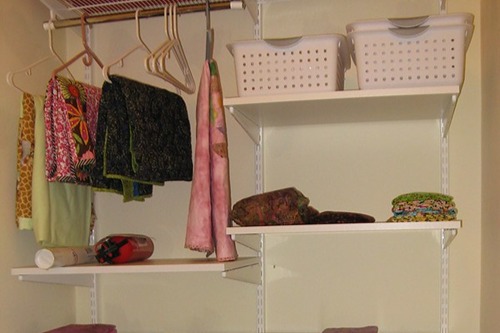
These fabric shelves sag dramatically over time, especially when used for sweaters or jeans. The bowing makes items slide forward and pile up unevenly. Each shelf becomes a sloppy stack rather than a clean compartment. This leads to constant refolding and reshuffling.
The Velcro or loops that attach them to the rod can also loosen. Once they tilt, stability gets worse, and items begin spilling onto the floor. Many people overfill them because they seem spacious at first. Eventually, the whole structure collapses or becomes unusable.
9. Lazy Susans in Small Cabinets
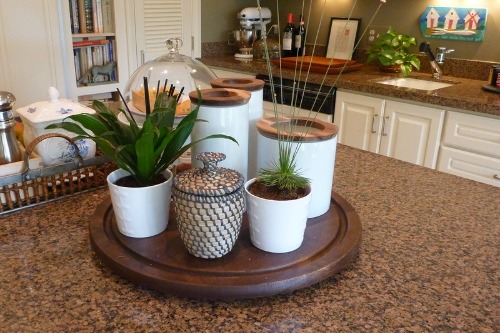
While great for certain items, they’re often misused in cramped or narrow cabinets. When the turntable is too large, items fall off the back or get stuck behind it. This forces you to remove the entire unit or empty the shelf to retrieve one thing. The extra effort defeats the purpose of convenience.
Heavy jars and bottles also cause wobbling and uneven spinning. Over time, this can warp the base or loosen mounting hardware. The movement scatters items, leading to spills or broken containers. Instead of reducing chaos, they create hidden messes.
10. Multi-Pocket Car Seat Organizers
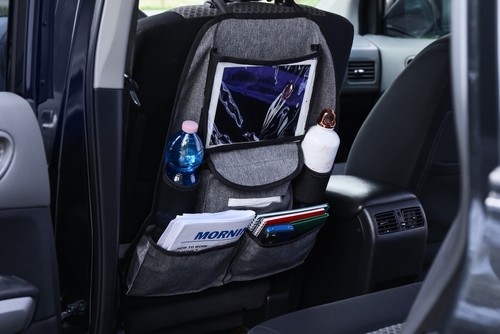
These catch-all organizers tempt people to stuff various items into every pocket. Before long, the car becomes harder to clean and harder to navigate. Items fall out when the seat moves or when passengers climb in and out. What started as neat separation becomes clutter on wheels.
Some pockets are too shallow for common items, causing things to slide out during driving. Heavier objects make the organizer sag or swing, adding to the chaos. Kids often overfill them, leading to a jumble of toys and snacks. Once overloaded, they make the car feel even more disorganized.
11. Tilt-Out Laundry Hampers
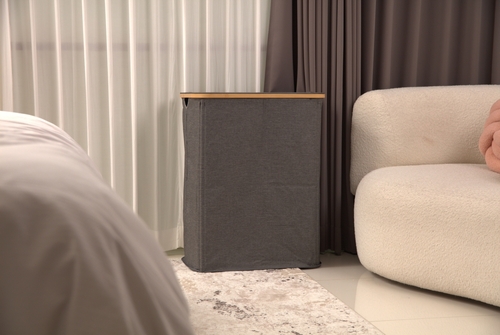
Tilt-out hampers look sleek, but the interior bins are often too small for typical laundry loads. Clothes pile up behind the hinge, preventing the door from closing properly. This leads to crammed, wrinkled clothes and awkward retrieval. The mechanism also weakens with frequent use.
They’re also harder to clean because the bins are built into the furniture. Odors and moisture can collect in corners you can’t easily reach. If used for damp towels, mold risks increase. The inconvenience outweighs the aesthetic appeal over time.
12. Magnetic Spice Jars
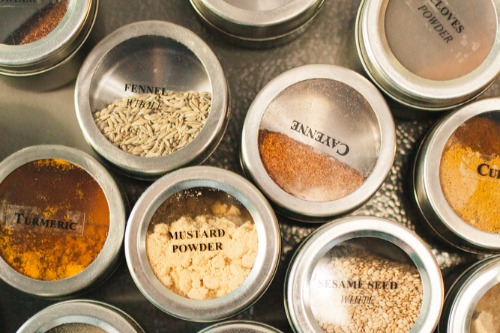
These seem like a clever space-saver, but spices degrade quickly when exposed to light. Most magnetic sets attach to fridge doors or metal backsplashes, which get warm. The temperature fluctuations can cause clumping and flavor loss. This results in spices that don’t taste as they should.
The magnets also weaken or slide over time, especially when bumped. Jars can fall, spilling expensive spices. Because the containers are small, they require frequent refilling, which adds more maintenance. Ultimately, they create visual clutter and extra work instead of simplifying cooking.
This post 12 “Convenient” Storage Products That Create Long-Term Chaos was first published on Greenhouse Black.
