
1. Doors That Won’t Close Properly
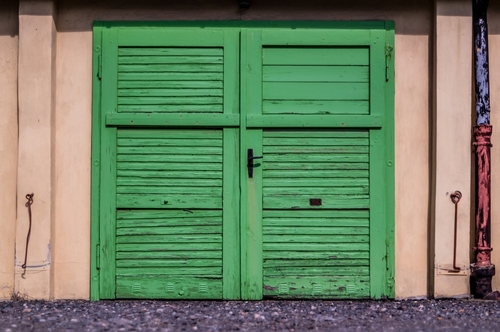
If you’ve noticed doors that scrape the floor or won’t latch, you might assume it’s just the wood expanding with humidity. But doors that suddenly go out of alignment can also mean your home’s frame has shifted. Foundation settling or structural movement can tweak the geometry of the door frame itself. When the frame twists even slightly, the door won’t hang true anymore.
You might try planing the edge or tightening hinges, but that’s just treating the symptom. Uneven floors, visible gaps at the top of the door, or nearby wall cracks can confirm deeper issues. Seasonal swelling usually affects multiple doors and resolves itself, but structural distortion won’t. If one stubborn door keeps misbehaving, it might be your home trying to tell you something.
2. Cracked Drywall
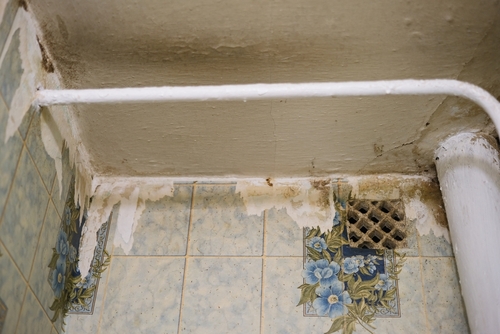
A little drywall crack might seem like nothing more than a cosmetic annoyance, but it can hint at deeper movement in your home’s foundation. When foundations shift due to soil settling or water issues, the stress shows up inside as fine or spreading cracks. Horizontal or stair-step cracks are especially worrisome, as they can point to uneven settling. If these cracks reappear after patching, that’s a sign you need a structural inspection.
Sometimes temperature changes or humidity can cause harmless hairline cracks, but it’s the pattern and recurrence that matter. Cracks above door frames or near windows often follow areas of structural stress. It’s easy to grab some spackle and paint, but that doesn’t solve what’s happening behind the walls. Before repainting, check whether the doors or windows in that area are sticking—they usually give away foundation shifts.
3. Sloping or Uneven Floors
A subtle tilt in your floors can be surprisingly easy to miss—until a marble rolls on its own. While older homes sometimes have harmless settling, new slopes or sagging areas often signal joist or foundation trouble. Wooden beams can weaken over time due to moisture or termite damage, allowing the structure to dip. If it’s getting worse, it’s rarely just “old house charm.”
Many people cover uneven floors with new flooring, rugs, or shims, thinking it’s just aesthetic. But the underlying issue could be load-bearing beams losing integrity. Using a long level can help you spot the true slope, and if the dip lines up with interior walls or support columns, that’s a clue. Structural engineers can pinpoint whether the foundation or the framing itself is to blame.
4. Gaps Between Walls and Ceilings
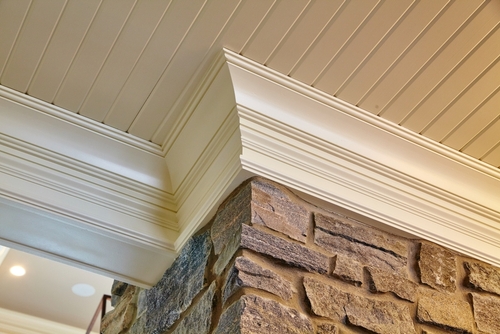
If you start seeing a shadow line where your walls meet your ceiling, don’t ignore it. Those gaps often mean the framing below is moving differently from the structure above. Moisture-damaged joists, foundation settlement, or even attic framing shifts can pull things apart. The wider or more uneven the gap, the greater the risk that something’s flexing where it shouldn’t.
Many homeowners just caulk the seam and repaint, but the gap will likely reopen. Movement that keeps happening means your house is still shifting. Sometimes, it’s related to roof load issues or attic humidity, not just cosmetic drywall separation. It’s a small visual clue that your home’s bones may be under stress.
5. Popped Nails or Nail Heads Showing Through Drywall
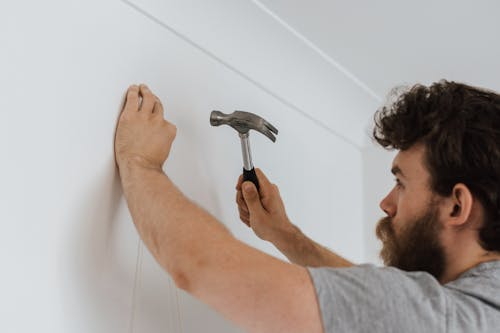
Tiny circles or bumps where nails poke through paint are easy to overlook. But if they keep returning after repair, they might be a red flag. Nail pops happen when framing lumber moves or flexes, pushing fasteners out of alignment. Repeated or clustered pops often suggest structural wood is shifting—sometimes from moisture or settling.
It’s tempting to tap them back in and repaint, but that doesn’t address the reason they moved. If they show up along a single line or near ceiling joints, it may reflect truss uplift or wall movement. In newer homes, this can even indicate improper framing connections. Keeping an eye on where they appear helps you catch early signs of bigger shifts.
6. Sticking Windows

A sticky window might just seem like old paint or humidity, but it can also mean your window frame is racking under stress. Foundation settlement or wall movement often makes window frames slightly out of square. When that happens, even brand-new windows can jam or refuse to close properly. Drafts or cracked caulking around them can also hint at movement.
If one or two windows always stick in the same place, the problem might be structural rather than seasonal. Compare with windows on other walls—if only one section of your house is affected, that’s telling. Painting or sanding the sash smooths symptoms, not causes. Persistent misalignment deserves a professional look.
7. Bulging or Bowed Walls
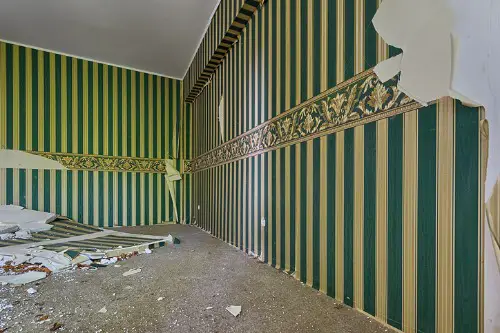
If a wall seems to be curving or bulging outward, that’s not just bad drywall—it’s potentially serious. Pressure from soil outside a foundation wall or long-term water damage can cause this distortion. In upper levels, bowed walls can result from overloaded framing or damaged studs. The key concern is that something is pushing where it shouldn’t.
You might see it as wavy paint or uneven reflections of light across the wall. Sometimes homeowners skim-coat or re-plaster to smooth it, unknowingly hiding a bigger hazard. Bowing in basements, in particular, can signal lateral foundation pressure from poor drainage. This is one case where aesthetics can mask urgent structural intervention.
8. Cracks in Tile or Grout
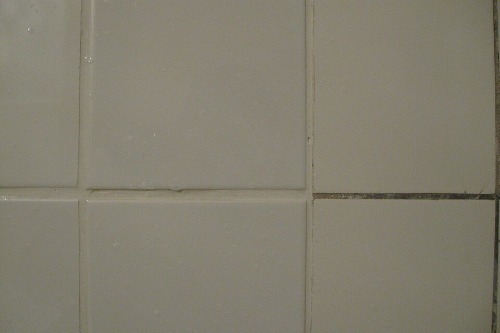
Tile is rigid, so when the surface below it shifts even slightly, it responds by cracking. Cracked grout lines or popped tiles can hint that the subfloor or concrete underneath is moving. This movement often stems from foundation settlement, moisture expansion, or joist deflection. It’s especially concerning if cracks follow a pattern or reappear after replacement.
People often just re-grout, assuming it’s wear and tear, but if the cracks return, something deeper’s at work. Flexible mortar or caulk can’t mask a shifting base. You might notice doors sticking nearby or gaps forming at baseboards too—these details often connect. Before you invest in new flooring, have the underlying structure checked.
9. Water Stains That Keep Coming Back
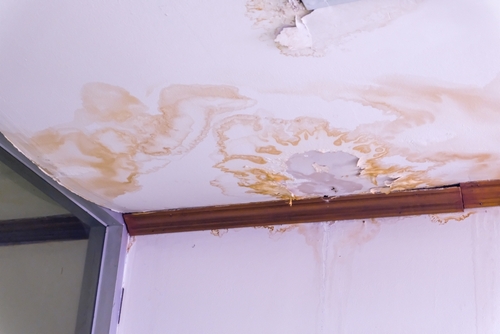
A recurring water stain, even after patching and painting, means water is still finding its way in. Leaks can rot framing or erode foundations long before visible damage appears. What starts as a “minor roof leak” can weaken beams or cause ceilings to sag. When water lingers, mold growth often follows—another sign of ongoing moisture intrusion.
Homeowners often fix the surface but ignore the source. If the stain darkens again after a rainstorm, the problem’s still alive. Chronic moisture around basements or crawl spaces is particularly dangerous to structural integrity. A moisture meter or inspection can tell you whether it’s a simple leak or a bigger problem eating away at your house.
10. Separating Countertops or Cabinets
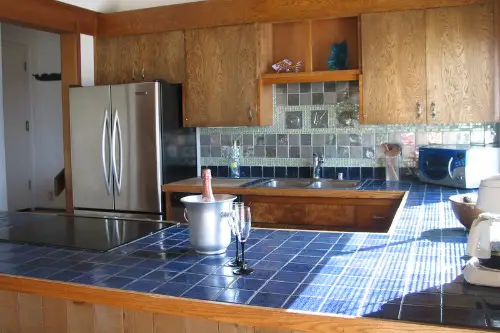
If your kitchen counters are pulling away from the wall, you might think it’s just poor installation. But shifting floors or walls can cause fixed structures like cabinets to drift apart. This separation often happens when one part of the house settles more than another. It’s a subtle yet clear signal of structural movement.
Re-caulking or pushing things back into place can hide the symptom but not the reason. Watch for matching cracks in backsplash grout or gaps widening over time. If the detachment keeps growing, it could mean a foundational shift underfoot. Kitchens often reveal these early because they’re filled with rigid, anchored surfaces.
11. Baseboards Lifting or Gapping
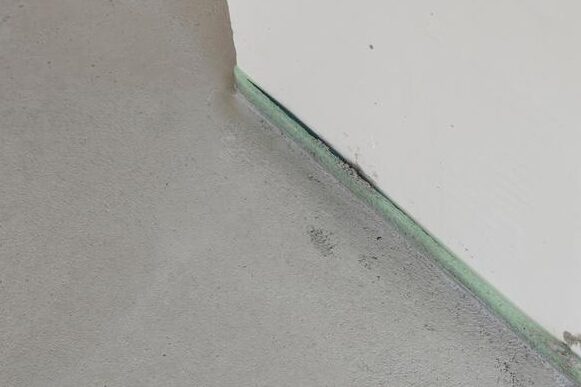
Baseboards separating from the wall or rising slightly might seem like a finishing flaw. But it can indicate the floor or wall beneath is moving independently. This happens when moisture, settling, or framing stress changes the relationship between horizontal and vertical elements. It’s especially common where floor joists are weakening or pulling away.
Simply nailing them back down won’t last if the underlying shift continues. Check whether gaps widen seasonally or remain constant—that helps identify cause. You might also notice cracked caulk lines or uneven trim nearby. Consistent movement means there’s structural motion happening behind your décor.
12. Sagging Roof or Ceiling Lines
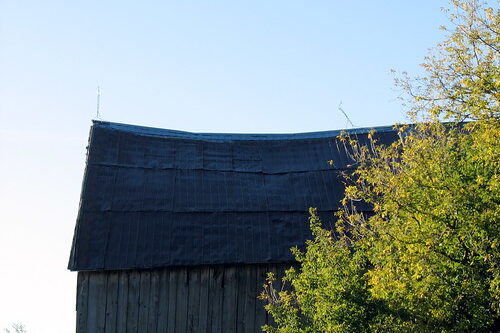
If your roofline dips or interior ceilings sag, don’t assume it’s just aging materials. Over time, water damage, overloaded rafters, or failing support beams can cause this visible slump. It’s often a sign that the load distribution in your home is off-balance. Ignoring it risks further structural failure, especially in older homes.
Homeowners might repaint or install new drywall to smooth the ceiling, but the stress will return. From the exterior, a sagging ridge line or uneven shingles confirm that framing members are bending. Moisture in the attic can accelerate this by softening wood. When your ceiling starts waving at you, it’s time to get a professional to look at your home’s skeleton.
This post 12 Cosmetic Repairs That Actually Signal Deeper Structural Problems was first published on Greenhouse Black.
