
1. Bare Lightbulbs
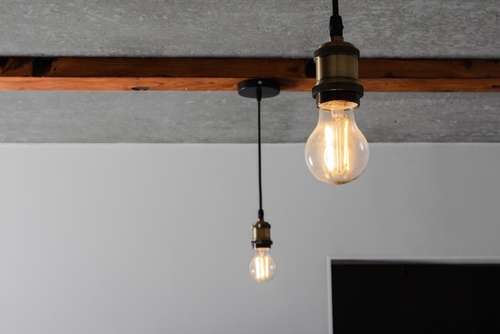
There’s something about a single exposed bulb dangling from the ceiling that screams “I haven’t unpacked yet.” People usually assume you haven’t figured out your lighting situation if the fixture isn’t covered. It’s also a universal moving-day look because many rentals start out this way. So even if it’s intentional, it can feel unfinished.
Bare bulbs also cast a harsh light that makes the room feel temporary. Most people associate warm, shaded lighting with a lived-in space. Without that softness, the room feels like a placeholder. Guests tend to interpret that as a sign you haven’t settled in.
2. Folding Chairs as Main Seating
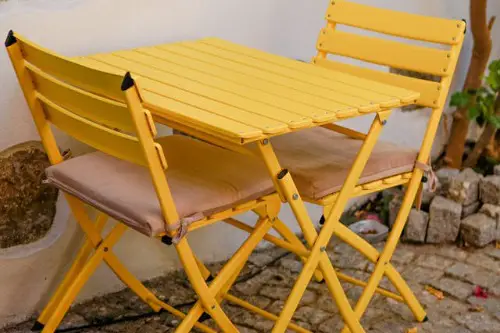
Folding chairs are practical, but they instantly give the impression that the real furniture hasn’t arrived yet. They’re commonly used during the transition period after a move. Even sturdy versions feel temporary by design. So people naturally assume you’re still waiting on a couch.
They’re also visually lightweight, which makes a room feel under-furnished. Full-sized chairs or sofas add both presence and comfort that folding chairs lack. Without that, the space feels like a pop-up arrangement. That’s why guests read them as a temporary fix.
3. A Mattress on the Floor
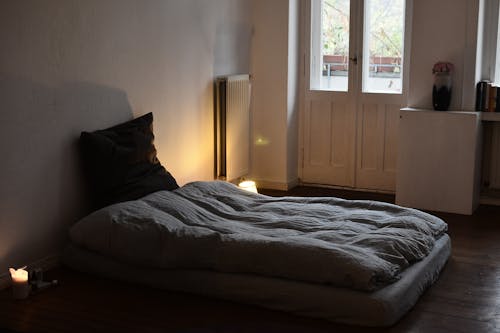
A mattress without a bed frame is the classic hallmark of newly relocated life. It’s one of the first things people put down when they’re too tired to assemble furniture. Even though it’s functional, it gives a transitional vibe. People tend to associate a full bed setup with stability.
A bed frame adds height, storage, and a sense of structure to a bedroom. Without those elements, the room looks sparse and unfinished. It can also make the space feel less intentional in its layout. That visual impression makes visitors think you haven’t fully moved in.
4. Plastic Drawer Units
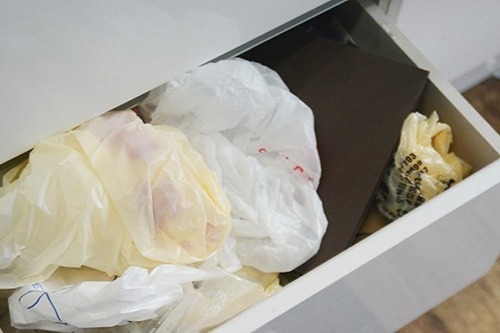
Plastic drawers are convenient during moves because they’re lightweight and cheap. But they rarely look like a final storage solution. People often use them when their “real” furniture hasn’t arrived. So when guests see them, they connect them with temporary living.
These units also have a utilitarian appearance that lacks the permanence of wood or metal furniture. They don’t anchor a room visually. Instead, they make the space feel like a stopgap. That’s why they often read as a sign of still-settling-in.
5. Unhung Art Leaning Against the Wall
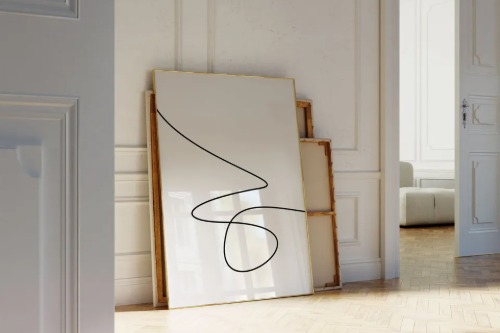
Art leaning on the floor or against a wall sends one clear message: “I haven’t decided where anything goes yet.” It’s a familiar sight for anyone who’s recently unpacked. Even if it’s styled deliberately, it’s still associated with transition. That impression sticks with visitors.
Hanging art takes time and commitment, so people assume you haven’t reached that stage. Leaning pieces suggest that decisions about the room layout are still in progress. It also makes the walls look bare. Together, those visual cues imply a recent move.
6. Temporary Paper Curtains or No Curtains at All
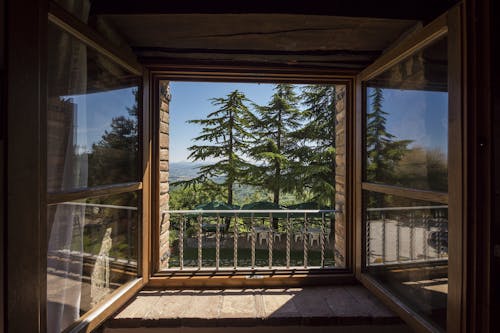
Paper shades or completely bare windows are a telltale sign of settling in. They’re often bought as quick solutions before real curtains go up. Their minimal look suggests the final design hasn’t been chosen. People pick up on that instantly.
Window treatments play a huge role in making a space feel finished. Without them, the room feels exposed and incomplete. Even simple curtains add softness and intention. So when they’re missing, it suggests you haven’t fully unpacked.
7. Cardboard Boxes Repurposed as Tables
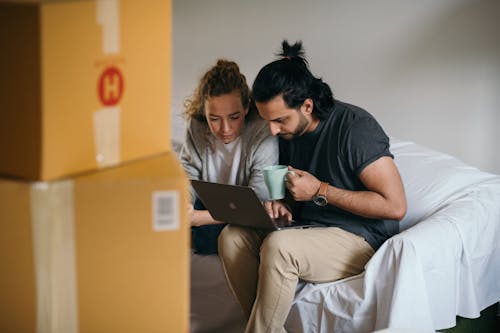
Using a box as a side table is practical but unmistakably temporary. It signals you needed a surface before furniture was available. People associate it with early moving days. That makes it hard to interpret as anything permanent.
Cardboard simply doesn’t have the stability or aesthetic of real furniture. Even if it functions fine, it visually shrinks the room. It reminds guests of packing rather than decorating. That connection makes them assume the move is recent.
8. A Single Rug That’s Clearly Too Small
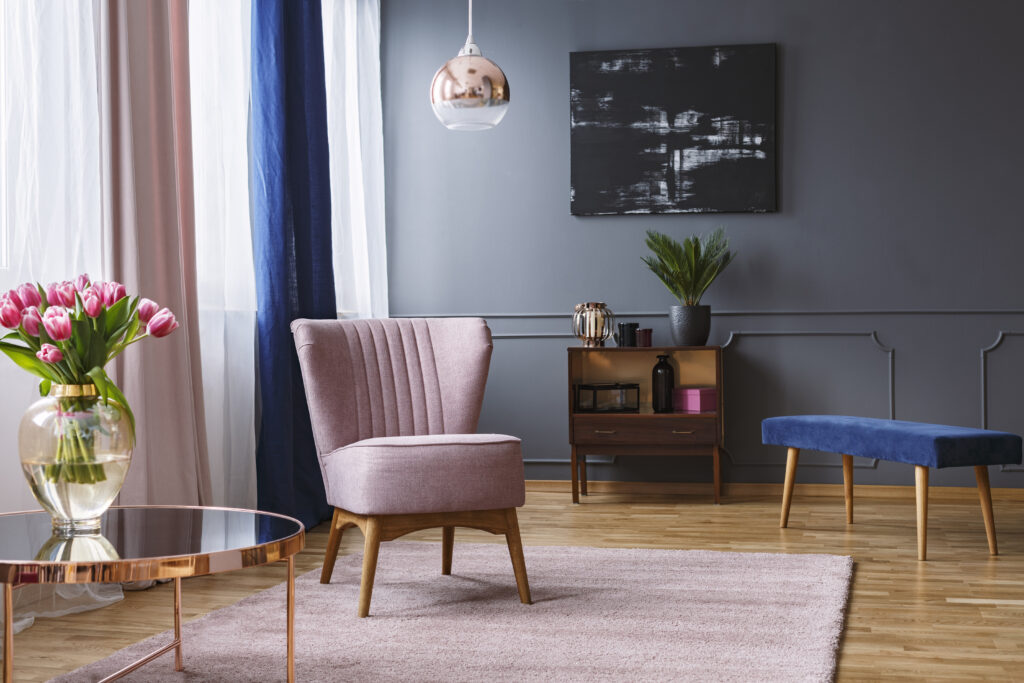
A tiny rug floating in the middle of a large room makes the space feel unfinished. It’s something people often use when they haven’t figured out the layout yet. It can also happen when the old rug doesn’t fit the new place. So guests read it as an interim solution.
Properly sized rugs anchor furniture and define areas. Without that grounding effect, the room feels disconnected. A too-small rug suggests you’re still experimenting. That experimental look often gets interpreted as newly moved in.
9. Overreliance on Plastic Bins for Storage
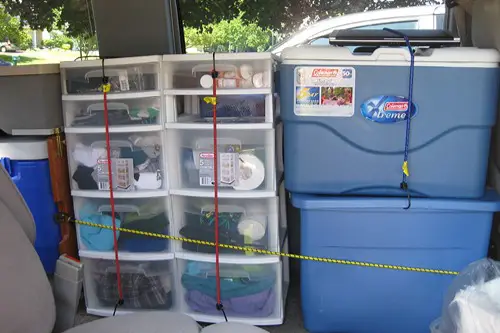
Plastic bins stacked in corners or along walls feel more like a storage unit than a home. They’re extremely common during the unpacking phase. When they’re visible, people assume you haven’t sorted everything yet. That assumption is hard to avoid.
Closed bins hide clutter but also hide personality. They don’t blend into a room like real storage furniture does. The effect is a space that seems in transition. Guests interpret that as “still unpacking.”
10. A Sparse Entryway
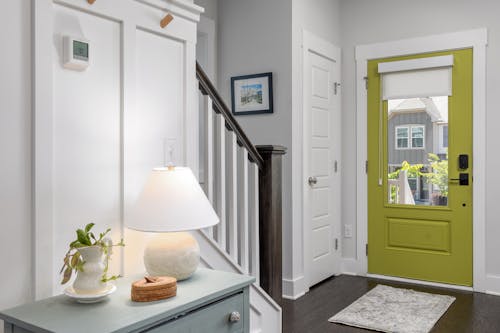
An empty entryway — no hooks, no table, no basket — suggests you haven’t established routines yet. Entryways are typically the first area people set up for convenience. So when it’s bare, guests assume you haven’t gotten to it. It communicates an early stage of settling.
Entry pieces also serve as visual anchors. Without them, the entrance feels like an empty box. That emptiness signals incompleteness. It’s an easy detail people subconsciously connect with moving.
11. Minimal or Mismatched Kitchen Essentials
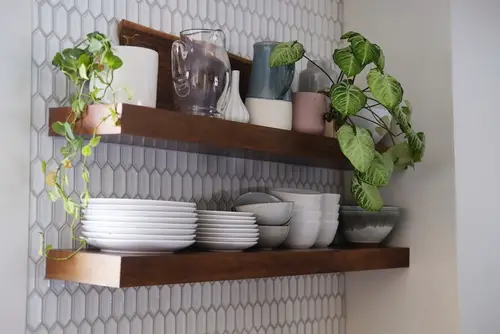
When someone has one pan, two plates, and a single mug, it’s classic “just moved” energy. Most people expand their kitchen setup once they’ve settled. Sparse or mismatched items suggest someone grabbed only the basics. So visitors assume the rest is still in boxes.
A well-stocked kitchen feels lived-in. When essentials are missing, it looks like you haven’t fully committed to the space. That lack of visual fullness stands out quickly. It’s one of the easiest tells that the move was recent.
12. Lamps Without Shades
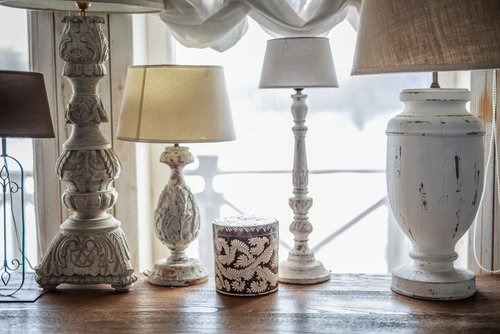
A lamp missing its shade immediately looks incomplete. It often happens when the shade didn’t survive the move or hasn’t been chosen yet. Even if the lamp works fine, the look is unmistakably transitional. People pick up on that subtle cue quickly.
Lamp shades soften light and finish the silhouette of a lamp. Without them, the lighting feels temporary and harsh. The lamp itself looks like a placeholder. All of that adds up to a “just moved in” impression.
13. A Single Plant Sitting in a Nursery Pot

Plants still in their original black nursery pots signal you just brought them home — or haven’t settled enough to repot them. Those containers are meant for transport, not display. So they instantly read as temporary. This is a small detail, but it stands out.
Planters add color, weight, and intention to a room. Without them, the plant feels like an afterthought. People often assume you’re still figuring out décor decisions. That assumption makes the entire space seem newly assembled.
14. Walls With Only One Piece of Art in a Large Room
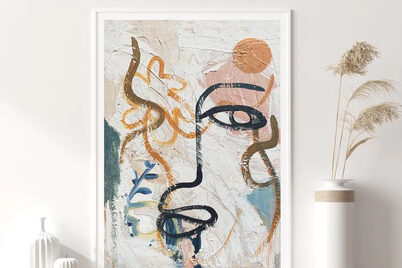
One lone piece of art on an otherwise empty wall can make a room feel barely started. People often hang one thing first and plan to finish later. That in-between stage is easy for visitors to recognize. It gives the sense that the decorating process has barely begun.
Balanced wall décor helps create a finished atmosphere. When most of the walls are bare, the room feels like a recent move-in. It suggests you’re still collecting or arranging pieces. That sense of waiting for more makes guests assume you haven’t fully settled.
This post 14 Decor Pieces That Make People Assume You Just Moved In was first published on Greenhouse Black.
