
1. Stoneware from Le Creuset
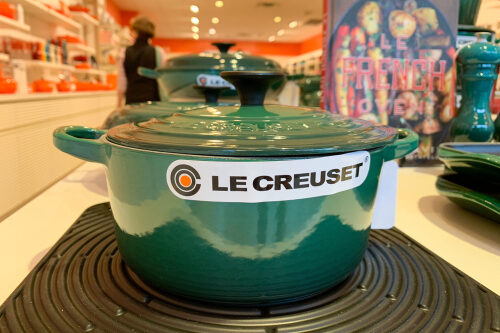
Colorful enameled pieces from Le Creuset often start out vibrant and glossy. The enamel coating is fused to cast iron at high temperatures, which makes it durable and resistant to chipping. Still, over time, tiny utensil marks and gentle dulling occur. The colors also soften slightly with years of use and washing.
Older Le Creuset Dutch ovens often show subtle wear around the handles and lid edges. That light aging contrasts beautifully with the still-saturated enamel. Because the brand has produced cookware since 1925, vintage pieces are easy to spot in well-loved kitchens. After 30 years, they feel less like trendy color pops and more like culinary heirlooms.
2. Cast-Iron Skillets from Lodge
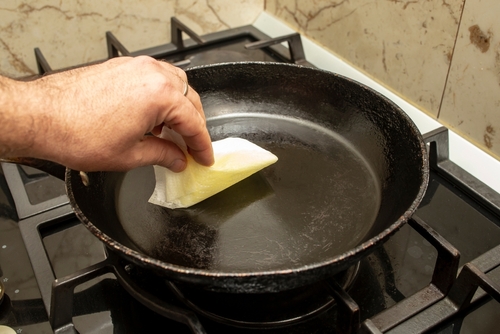
A basic cast-iron skillet from Lodge Cast Iron might not look like much when you first bring it home. It’s matte black, a little heavy, and often costs less than a dinner out. But give it a few decades of steady use and careful seasoning, and it develops a deep, glossy patina. That sheen isn’t manufactured—it’s built from layers of polymerized oil that bond to the iron over time.
After 30 years, the surface becomes smoother and darker, almost lacquered in appearance. Vintage pieces from Lodge’s Tennessee foundry are especially prized because they were cast in the United States with consistent quality. The long lifespan of cast iron means older skillets often outlive their owners. When displayed on a wall or hanging from a rack, that time-earned finish reads as heritage, not hardware-store bargain.
3. Solid Oak Furniture from Ethan Allen
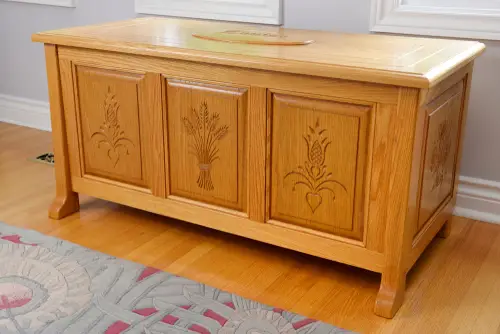
Solid wood pieces from brands like Ethan Allen were staples of late-20th-century homes. When new, oak dining tables and hutches can look bulky or overly traditional. The honey tones may even feel dated at first. But real hardwood darkens naturally as it oxidizes and absorbs light.
Over decades, that color shift adds depth and warmth you simply can’t fake with veneer. Minor dents and scratches blend into the grain rather than standing out. Because Ethan Allen used solid wood construction in many classic lines, those pieces are structurally built to last. Thirty years in, they often read as heirloom antiques instead of suburban showroom buys.
4. Brass Hardware from Baldwin
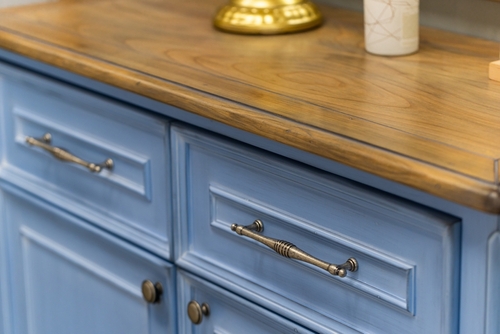
Unlacquered brass hardware from Baldwin Hardware starts off shiny and almost brassy-gold. In a new build, that gleam can look a little too polished. But brass is a living finish, especially when it isn’t sealed. It reacts to air and touch, gradually developing a patina.
After decades, the surface deepens into a rich, brownish-gold tone. High-touch areas become subtly lighter, creating natural contrast. This kind of aging is why historic homes often feature original brass knobs and hinges. What once seemed flashy ends up looking custom and quietly luxurious.
5. Leather Armchairs Inspired by Eames
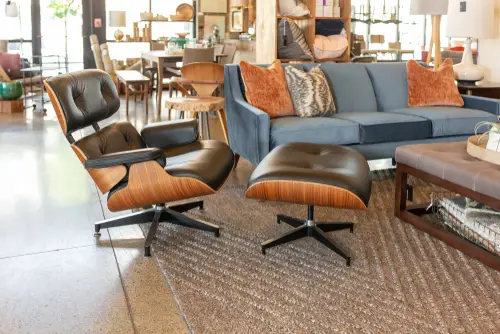
A new leather lounge chair inspired by the design of Charles and Ray Eames can feel stiff and overly smooth. Even high-quality leather often looks a bit uniform at first. But leather is one of those materials that improves with time and contact. Body oils and use soften the hide and bring out tonal variation.
After 30 years, creases form where people actually sit, not where a factory pressed them in. The color deepens and subtle variations emerge across the surface. If the chair follows the mid-century silhouette popularized by the Eames Lounge Chair, its shape remains timeless. Age transforms it from showroom piece to design classic.
6. Tiffany-Style Stained Glass Lamps
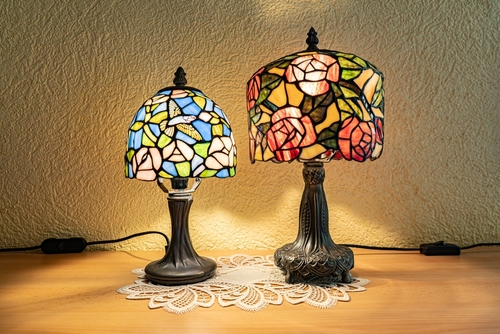
Lamps inspired by Louis Comfort Tiffany often look busy or overly ornate when brand new. The glass can seem bright and the solder lines stark. But over time, the metal framework darkens slightly and the colors mellow. The effect is especially noticeable with amber, green, and cream tones.
Dust and gentle wear also soften the overall appearance, diffusing the light more warmly. In older homes, these lamps start to feel architectural rather than decorative. The handcrafted look becomes more convincing as materials age naturally. After a few decades, the lamp feels less like a reproduction and more like a period piece.
7. Marble Countertops from Carrara
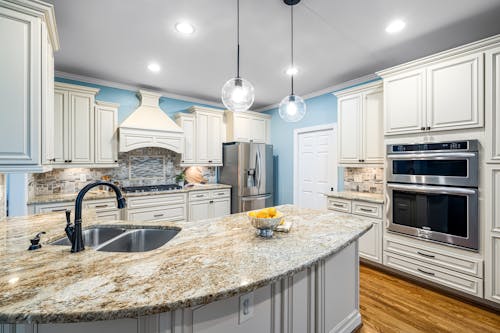
Carrara marble from Carrara is known for its soft gray veining and relatively uniform white background. When freshly installed, it can look stark and highly polished. Marble is also porous, which means it can etch and stain with acidic substances. While that scares some homeowners, it’s part of what gives marble character.
Over 30 years, small etches and subtle stains blend into a gentle, matte patina. The surface loses its high gloss and takes on a velvety finish. This aged look is often seen in historic European kitchens and bakeries. What began as a pristine slab eventually resembles something centuries old.
8. Copper Pots from Mauviel
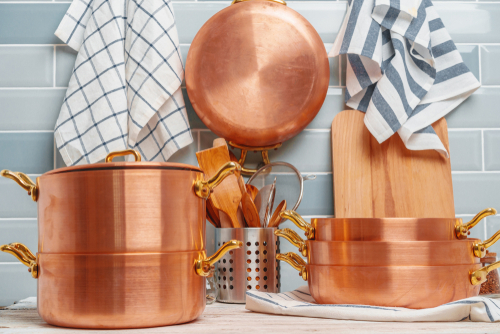
Copper cookware from Mauviel is famously bright when new. The reddish shine can feel almost too reflective in a modern kitchen. But copper oxidizes when exposed to air, gradually darkening. With use and polishing, it develops highs and lows in tone.
After decades, the exterior often shows a mix of warm browns and deeper russet shades. The tin or stainless lining inside may be replaced, but the copper body endures. Mauviel has been producing cookware in France since the 19th century, and older pieces are highly collectible. Hanging from a rack, well-aged copper reads as professional and storied.
9. Wrought Iron Bed Frames
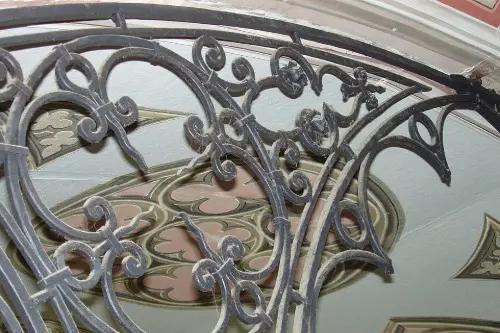
Simple wrought iron bed frames can look utilitarian at first. The black finish may seem flat or even industrial. But iron is incredibly durable and often powder-coated to prevent rust. Over time, minor chips and wear expose hints of metal beneath.
That subtle distressing adds dimension and authenticity. In older homes, slightly worn iron frames complement plaster walls and wood floors beautifully. Because wrought iron is heavy and long-lasting, many frames survive for generations. Thirty years later, what once felt basic can anchor a bedroom with understated elegance.
10. Oil Paintings in Traditional Frames
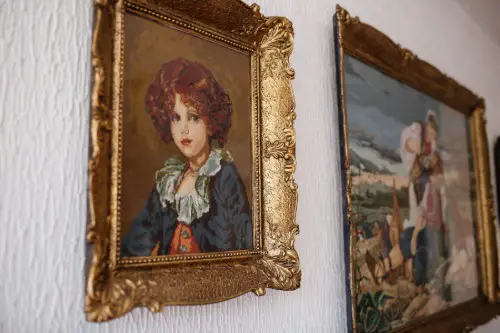
Original oil paintings, even from unknown artists, often need time to settle into a space. The paint layers cure and harden over years, and varnish can mellow. When newly framed, they may look overly glossy or bright. But oil as a medium is designed for longevity.
After decades, colors soften slightly and craquelure—fine surface cracks—may appear. This natural aging signals authenticity rather than wear. Traditional wooden frames also darken and gain small nicks that add depth. Together, painting and frame start to look like a collected treasure rather than a recent purchase.
11. Persian Wool Rugs
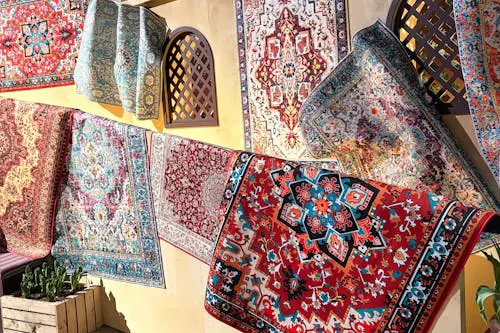
Authentic hand-knotted rugs from Iran—historically known as Persian rugs—are famous for their natural dyes and dense knot counts. When new, the colors can appear bold and even a little loud in a modern space. But those vegetable-based dyes mellow and soften over decades of light exposure and wear. The result is a subtle, complex palette that looks curated rather than purchased.
Wool fibers also compress and develop a low, velvety pile in high-traffic areas. That gentle fading and slight unevenness is what collectors call character, not damage. Older rugs often gain value precisely because their patterns have softened and blended. After 30 years, what once felt decorative starts to feel like a museum-worthy textile.
This post Decor Pieces That Only Look Expensive After 30 Years was first published on Greenhouse Black.
