
1. Art Deco Glamour
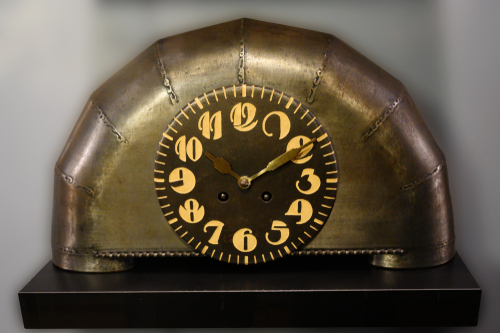
The glitzy geometry of Art Deco is making a confident comeback, and it’s not hard to see why. Born in the 1920s and showcased at the 1925 Exposition Internationale des Arts Décoratifs et Industriels Modernes in Paris, the style is known for bold symmetry, high-contrast color palettes, and luxe materials. Think brass accents, fluted details, and rich jewel tones that instantly elevate a room. In an era when many of us are craving a little drama after years of pared-back minimalism, Art Deco feels refreshingly unapologetic.
Designers are pulling inspiration from icons like the Chrysler Building, with its sunburst motifs and gleaming metallic finishes. We’re seeing more curved sofas, scalloped chairs, and geometric mirrors that nod directly to that period. The reason this trend is accelerating now is simple: people want their homes to feel special again. Art Deco offers structure and glamour at the same time, which makes it surprisingly adaptable to modern spaces.
2. Rattan and Wicker Furniture
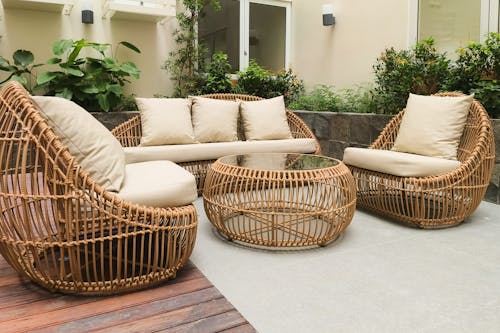
Rattan and wicker pieces, long associated with the 1970s, are weaving their way back indoors. While these materials have been used for centuries in tropical climates, they surged in popularity in American homes during the boho wave of the ’70s. Their lightweight look and organic texture make them feel relaxed but still intentional. As homeowners look for ways to warm up contemporary interiors, these natural fibers are an easy solution.
What’s different now is how they’re being styled. Instead of fully matching sets, designers are mixing a single rattan chair or pendant light into otherwise modern rooms. The renewed interest in natural materials and sustainability has also helped fuel the comeback. With people paying closer attention to craftsmanship and renewable resources, wicker suddenly feels relevant rather than retro.
3. Floral Chintz
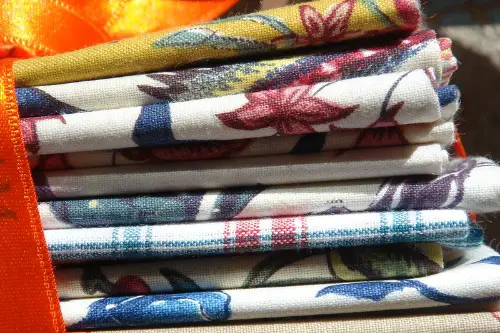
Chintz, the glazed cotton fabric covered in dense floral prints, was a defining look of 1980s interiors. It originally gained popularity in Europe after being imported from India in the 17th century, and it experienced several revivals before its big ’80s moment. For a while, it felt fussy and outdated. Now, it’s reappearing in a more edited, intentional way.
Part of the resurgence can be traced to renewed appreciation for traditional decorating styles often called “grandmillennial.” Designers are pairing chintz with clean-lined furniture to keep it from feeling overly frilly. The reason it’s cycling back so quickly is that people are rediscovering the comfort of pattern and softness. After years of gray walls and stark spaces, florals feel welcoming and personal again.
4. Terrazzo Surfaces
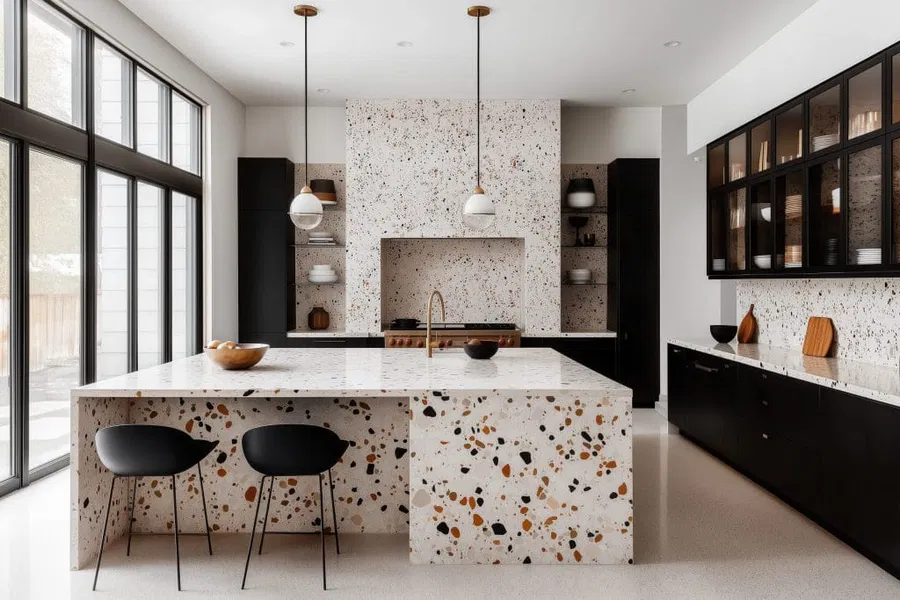
Terrazzo, the composite material made from chips of marble, quartz, or glass set in cement, dates back to 15th-century Italy. It became especially popular in mid-20th-century commercial buildings, including airports and schools, because of its durability. For a time, it was considered dated and overly institutional. Today, it’s enjoying a colorful revival.
Modern terrazzo features bolder, more playful chips and is showing up on everything from countertops to planters. Its durability and low maintenance make it appealing for busy households. There’s also a sustainability angle, since traditional terrazzo repurposed stone offcuts. That blend of history, practicality, and visual interest explains why it’s resurfacing so quickly.
5. Wood Paneling
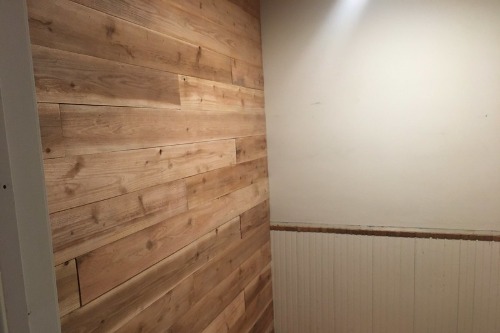
Wood paneling might instantly conjure images of 1970s dens, but it has deeper roots. Traditional paneling has been used in European interiors for centuries to add insulation and visual warmth. The heavy, dark-stained versions fell out of favor in the 1990s and early 2000s. Now, lighter finishes and vertical slats are redefining the look.
Instead of covering every wall, homeowners are using paneling as an accent to create texture. White oak and natural finishes keep it feeling contemporary rather than cave-like. The shift toward warmer color palettes has helped speed up its return. People are trading cool grays for earthy tones, and wood paneling delivers that warmth instantly.
6. Conversation Pits
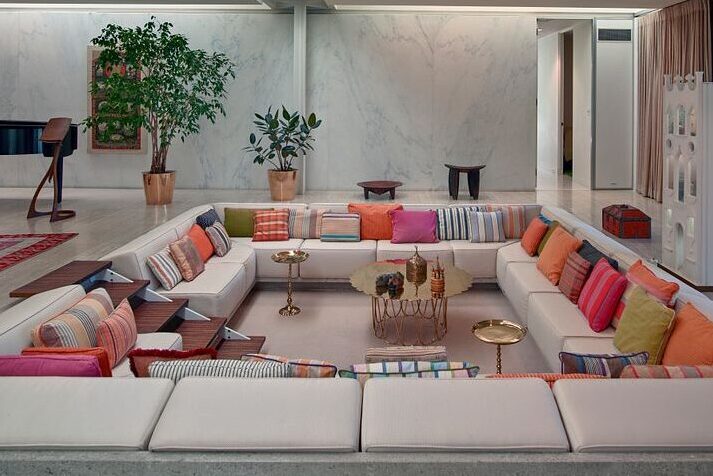
Sunken living rooms, commonly known as conversation pits, became a hallmark of 1960s and 1970s modern homes. Architects used them to create intimate gathering spaces within open floor plans. Over time, concerns about accessibility and changing tastes pushed them out of mainstream design. Lately, though, they’ve been popping up in high-end renovations.
The renewed interest reflects a broader desire for spaces that encourage connection. In open-concept homes, it can be hard to define cozy zones, and a sunken area does that naturally. Social media has also amplified the aesthetic appeal of built-in, sculptural seating. The fact that many homeowners are renovating rather than moving has made bold architectural features like this feel worth the investment.
7. Checkerboard Floors
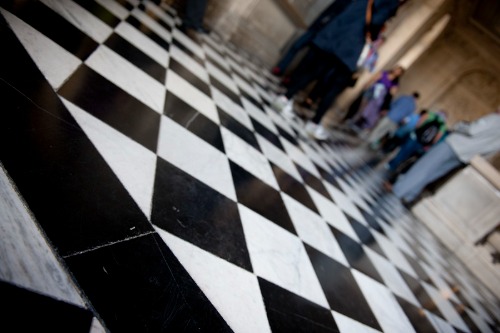
Checkerboard floors have been around for centuries, appearing in European palaces and later in American diners. The classic black-and-white pattern became especially popular in kitchens and entryways during the 1920s and 1950s. Eventually, it was overshadowed by solid tiles and hardwood. Now, it’s stepping back into the spotlight.
Designers are experimenting with softer color combinations, like cream and taupe, to modernize the look. The graphic pattern adds instant personality without requiring bold wall colors. It’s also a practical choice, since patterned floors can hide dirt better than solid ones. As homeowners look for statement moments that still feel timeless, checkerboard floors fit the bill.
8. Curved Furniture
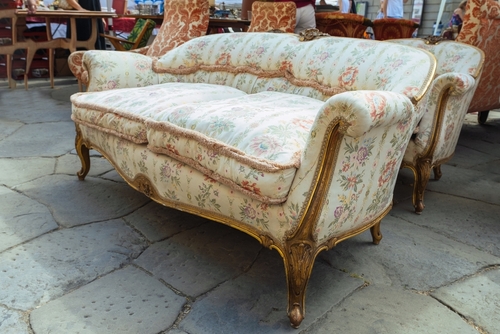
Curved sofas and rounded chairs were prominent during the 1970s, when designers embraced organic forms. The shapes were a reaction against the strict lines of earlier modernism. Over time, boxy sectionals took over, especially as open-concept living became more common. Now, soft curves are back in a big way.
The appeal lies in how welcoming they feel. Rounded edges make a room seem more relaxed and encourage easier conversation. Designers often cite the influence of spaces like the TWA Hotel, which celebrates mid-century curves inspired by the former TWA Flight Center. As people prioritize comfort and flow, curved furniture feels both nostalgic and forward-thinking.
9. Bold Wallpaper
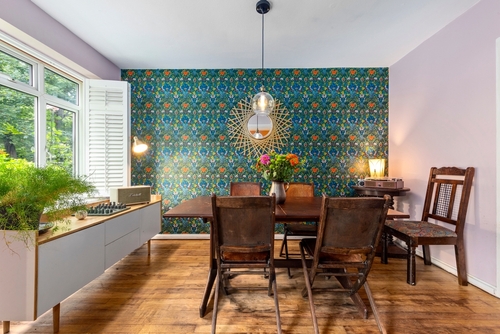
Wallpaper has cycled in and out of favor for decades, but its latest return has been swift. After years of painted accent walls, homeowners are once again embracing large-scale patterns. Advances in peel-and-stick technology have also made wallpaper less intimidating to install and remove. That practicality has lowered the barrier to experimentation.
We’re seeing everything from oversized botanicals to mural-style landscapes. The renewed interest connects to a broader desire for personality-driven spaces. Instead of playing it safe for resale value, many people are decorating for themselves. Wallpaper offers high impact without requiring a full renovation, which explains why it’s resurging so quickly.
10. Skirted Tables and Sinks
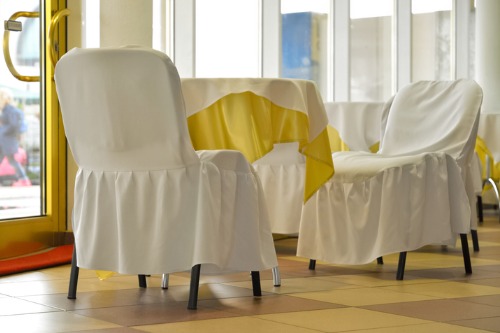
Skirted tables and sink skirts were staples in traditional homes, particularly in the mid-20th century. They were practical, concealing plumbing or storage while adding softness to a room. For years, exposed cabinetry and open shelving dominated kitchens and bathrooms. Recently, though, fabric is reentering these functional spaces.
The shift reflects a move away from stark, ultra-modern kitchens. Designers are using tailored skirts in stripes or subtle florals to introduce pattern without permanent changes. They also offer flexibility for renters who want to hide unattractive fixtures. The blend of charm and practicality makes this old-school solution feel newly relevant.
11. Lacquered Furniture
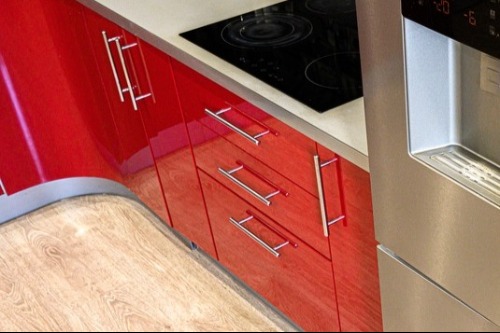
High-gloss lacquered furniture was a defining feature of 1970s and 1980s interiors. Influenced in part by earlier Asian lacquer traditions, the Western interpretation leaned into bold colors and dramatic shine. The look eventually gave way to matte finishes and rustic textures. Now, glossy surfaces are reflecting light in contemporary homes once again.
A lacquered console or coffee table adds instant polish and a bit of drama. In smaller spaces, the reflective quality can even help bounce light around the room. As maximalism gains traction, high-shine finishes feel aligned with that more-is-more mindset. It’s a reminder that sometimes a little gloss is exactly what a room needs.
This post Decor Trends That Are Cycling Back Faster Than Expected was first published on Greenhouse Black.
