
1. Patterned Wallpaper
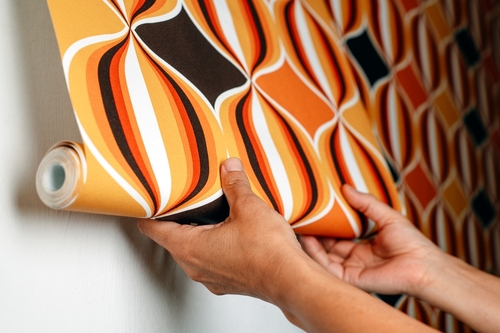
Patterned wallpaper was everywhere in the 90s, then vanished as minimalism took over. Now it’s returning because people want rooms with personality again. Designers say it helps define a space without adding more furniture. Many homeowners also find that peel-and-stick options make a bold look less of a commitment.
Florals, paisleys, and textured patterns are the most common comebacks. These feel familiar without looking dated when used sparingly. Accent walls are especially popular because they add interest without overwhelming a room. The resurgence also ties into a broader nostalgia trend in home design.
2. Honey Oak Finishes
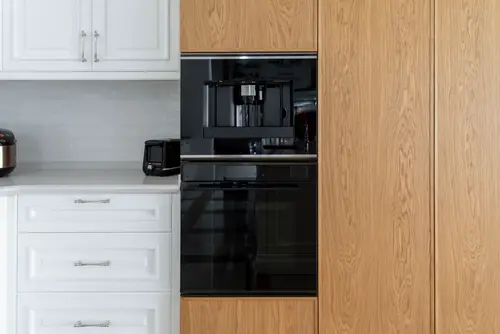
Honey oak was a defining feature of 90s kitchens and built-ins. It fell out of favor when cooler gray tones dominated the 2000s. The warm, golden shade is returning because people are gravitating toward cozier interiors. It also pairs well with the earthy palettes trending now.
Refinishing old oak cabinets instead of tearing them out is becoming more common. Homeowners like the sustainable aspect of keeping existing wood. Designers say the key is updating hardware and countertops to make the wood feel current. This lets people embrace warmth without recreating an outdated look.
3. Chintz Fabrics
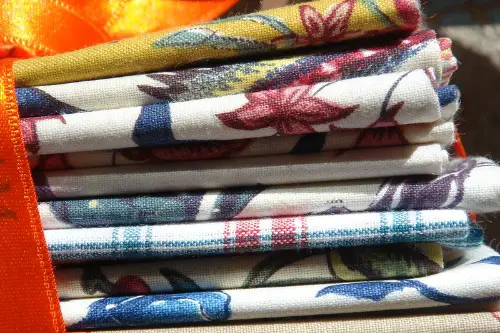
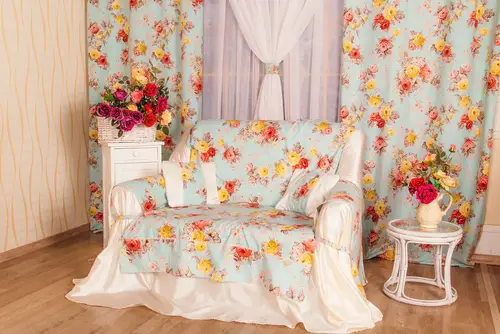
Chintz was once synonymous with over-the-top 90s decor. After years of stripped-down styling, its cheerful florals feel refreshing again. People are using it in smaller doses, like pillows or armchairs. This gives rooms a traditional twist without overwhelming them.
Younger homeowners especially like its cottagecore vibes. Though it’s decorative, it can be paired with modern furniture for balance. Designers say the glossy finish on some chintz fabrics reflects light nicely. That detail makes small rooms feel brighter and more inviting.
4. Swag Curtains
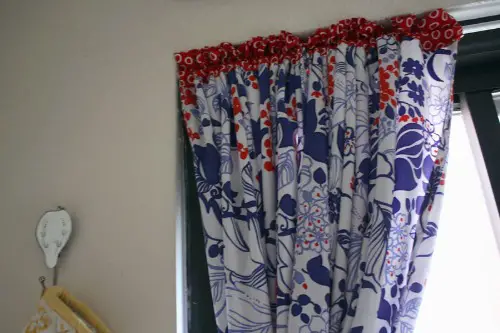
Swag curtains were a staple in 90s living rooms and bedrooms. They disappeared as cleaner lines became more popular. Their return is tied to the desire for softer, more layered window treatments. Many newer versions use lighter fabrics that feel less heavy than older styles.
People like how swags add a sense of formality without being stuffy. They also help fill vertical space in rooms with tall ceilings. Designers say the key is choosing simple rods and minimalist hardware. This creates a blend of nostalgic style and modern restraint.
5. Tuscan-Inspired Accents
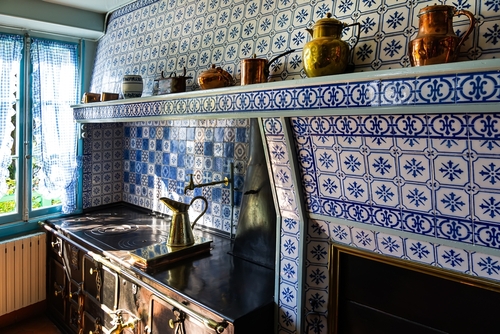
Tuscan decor surged in the late 90s, especially in kitchens. While the full theme isn’t returning, certain elements are. Warm stone, wrought iron, and rustic ceramics are making their way back into homes. These add texture and contrast to otherwise modern spaces.
People appreciate how these pieces make kitchens feel grounded. The materials are durable and age well. Designers also note that earthy colors pair easily with today’s natural-leaning palettes. This allows just a hint of Tuscan warmth without going full 90s villa.
6. Lace Details
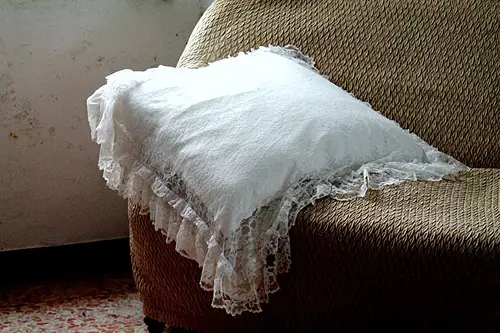
Lace curtains and table toppers were everywhere in the 90s. They disappeared when decor shifted toward simpler textiles. Recently, lace has reappeared in small, decorative ways. Homeowners value its craftsmanship and delicate texture.
Using lace sparingly keeps it from feeling dated. Designers often layer it with modern fabrics to create contrast. Its open weave allows light to filter softly into a room. That quality makes it especially appealing for sunrooms and bedrooms.
7. Hunter Green
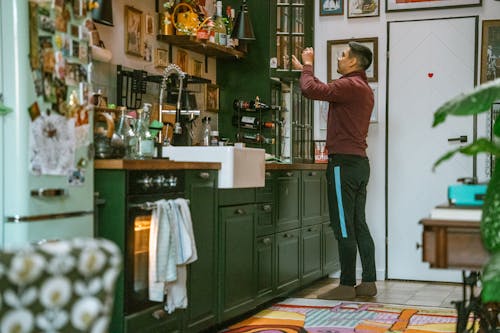
Hunter green was a major 90s color, especially in kitchens and studies. It faded when lighter neutrals dominated the early 2000s. The shade is returning because it adds richness without feeling loud. It also complements popular brass and wood finishes.
People are using hunter green on cabinets, accent walls, and upholstered pieces. Designers say it reads as both classic and modern. Its depth helps anchor open-plan spaces. Many homeowners like how it pairs with natural materials like stone and leather.
8. Ruffled Bedding
Ruffled bedding was once associated with frilly 90s bedrooms. After years of streamlined linens, the look feels charming again. It adds visual softness at a time when many people want cozier spaces. Neutral colors make the style feel updated rather than overly sweet.
Ruffles also bring subtle movement to a room. Designers often pair them with simpler throws to keep the bed from looking busy. Many high-end bedding brands have released updated versions. This shows the style’s growing popularity among a wider audience.
9. Brass Hardware
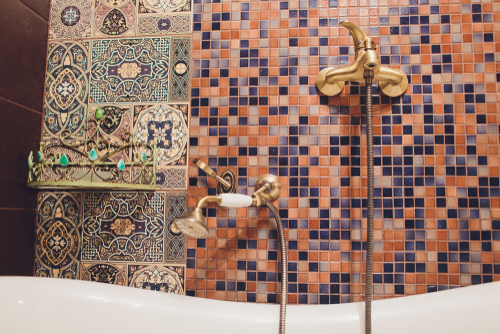
Brass was big in the 90s, then was replaced by brushed nickel and chrome. It’s back because warmer metallics feel more inviting. Modern brass finishes are often brushed or unlacquered, which look more refined. These avoid the overly shiny look common decades ago.
People like how brass coordinates with today’s organic, earthy interiors. It adds a touch of luxury without feeling formal. Designers also note that brass warms up cooler palettes instantly. As a bonus, it’s easy to mix with other metals for a layered look.
10. Glass Block
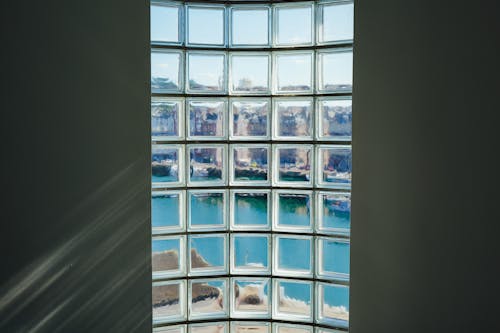
Glass block walls were once a go-to way to bring light into bathrooms or basements. They fell out of favor when frameless glass took over. Now they’re returning in more restrained, architectural applications. People are drawn to their retro vibe and light-diffusing qualities.
Designers use them to create privacy without closing off spaces. Newer blocks come in sleeker shapes and textures. These updates make them feel more contemporary than their 90s counterparts. Homeowners especially like them in showers and entryways.
11. Puffy Sofas
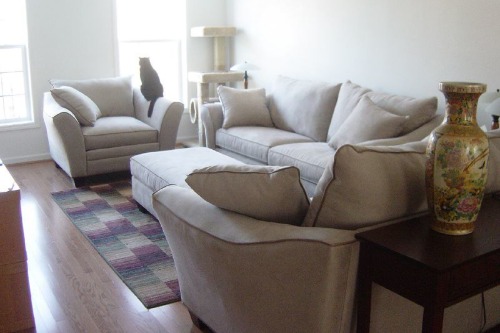
Overstuffed sofas defined 90s comfort. They went out when minimal, structured furniture gained popularity. With more people prioritizing coziness, these plush designs are reappearing. Today’s versions have cleaner silhouettes but the same sink-in quality.
Designers say puffy sofas help soften modern interiors. They balance sharp architectural lines and hard surfaces. Many homeowners also prefer deeper seating for lounging. This shift reflects a broader trend toward relaxation-focused design.
12. Stenciled Walls
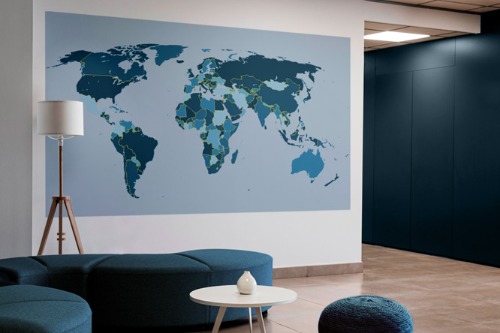
Wall stenciling was a big 90s DIY trend. It disappeared when people moved toward flat, solid paint colors. It’s returning thanks to TikTok and Instagram, where DIY decor has become popular again. Stencils provide a budget-friendly alternative to wallpaper.
Today’s designs tend to be geometric or botanical instead of overly ornate. This makes the look feel more contemporary. Designers appreciate how stencils allow for easy customization. Homeowners like that mistakes can be repainted quickly, keeping the pressure low.
This post 12 Decorating Habits from the 90s That Are Quietly Creeping Back was first published on Greenhouse Black.
