
1. You’re Still Holding Onto Tuscan-Style Kitchens
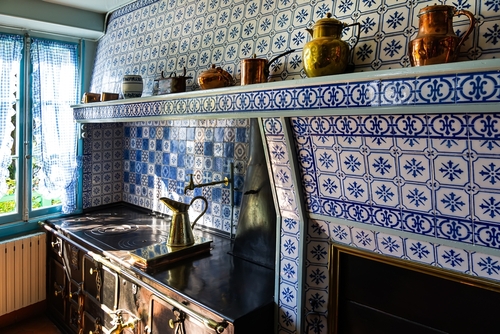
Heavy wood cabinets, ornate iron fixtures, and mustard-yellow walls were huge in the early 2000s. That “Old World” Tuscan look felt luxurious then, but it can read as dated and dark today. Modern kitchens favor cleaner lines, lighter finishes, and open layouts. The goal is less “Italian villa” and more “bright and functional.”
You don’t have to gut your kitchen to update it, though. Painting cabinets a warm white or sage green and swapping heavy hardware for sleek brass can transform the space. Light countertops and modern pendant lighting also bring it into this decade. The key is letting go of ornate details for something more streamlined.
2. You Still Have Word Art in the Kitchen
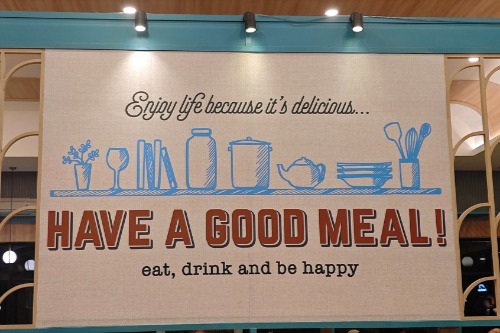
If your backsplash still says “Eat” or “Kitchen” in metal letters, it might be time to retire them. Literal decor was once quirky, but now it feels redundant and overly themed. Designers have moved away from labeling rooms and toward subtle personality through texture and color. You don’t need to spell out the obvious.
Instead, focus on what makes your kitchen visually interesting—like open shelving, pottery, or a statement light fixture. Small changes like these bring warmth without words. You can still express charm, but in ways that feel effortless. Let the space speak for itself.
3. You’re Still Hanging “Live, Laugh, Love” Signs
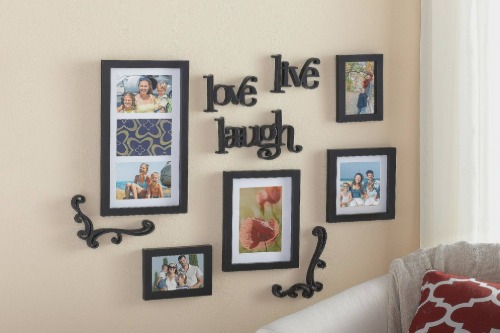
The farmhouse decor trend dominated the 2010s, thanks in part to shows like Fixer Upper. Those mass-produced inspirational signs once felt cozy and personal but now read as cliché. The issue isn’t positivity—it’s overuse and lack of originality. When everyone’s walls say the same thing, your decor stops feeling authentic.
Modern design leans toward art or text that tells your story instead of echoing Pinterest circa 2014. Try replacing those signs with local artwork, vintage finds, or even family photos in minimalist frames. That subtle change makes your space feel curated, not copied. The best decor feels lived-in, not mass-produced.
4. You’ve Got Shiplap on Every Wall
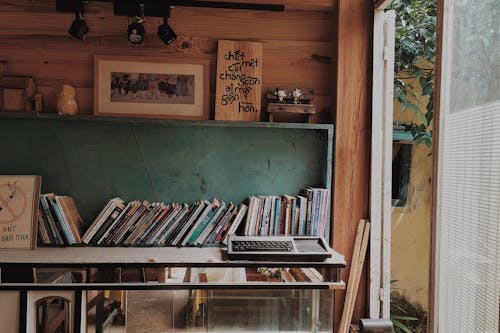
Shiplap had its moment, again largely due to the farmhouse craze, but it’s become shorthand for dated rustic decor. Designers now see it as overdone unless used with restraint or painted in unexpected ways. Too much shiplap can make a home feel themed rather than timeless. The key is balance—rustic charm without looking like a set piece.
If you still love texture, there are fresher ways to get it. Try limewash, beadboard, or even fluted paneling for a more modern look. These styles add depth without screaming “farmhouse 2016.” Updating wall treatments can instantly shift your space from nostalgic to now.
5. You Still Have Accent Walls
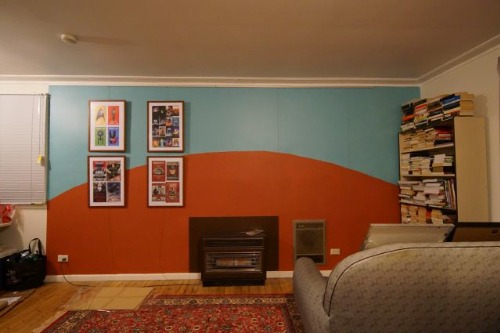
Remember when painting one wall a bold color was the thing to do? That was a quick fix for adding interest in the early 2000s, but it often chops up a space visually. Designers today prefer cohesive color palettes that make rooms feel larger and calmer. Accent walls can look forced instead of intentional.
If you crave contrast, try using color-blocking, two-tone walls, or textured materials instead. Wallpaper or paneling can also achieve depth more subtly. The point isn’t to banish color—it’s to integrate it thoughtfully. A well-balanced palette feels more considered than a single “statement” wall.
6. You’re Still Hanging Curtain Rods Too Low
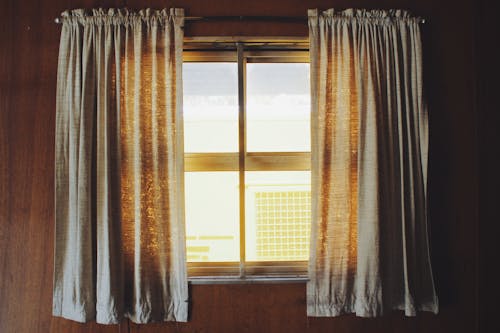
Low-hung curtains used to be the default because it seemed simpler to install them right above the window frame. But that trick actually makes rooms look shorter and ceilings lower. Designers now recommend hanging rods closer to the ceiling to elongate the space. It’s a simple fix that makes a big visual impact.
This matters because proportion can completely change how a room feels. Taller curtains draw the eye upward, making even small spaces feel grander. It’s a classic designer trick that costs nothing but changes everything. If your windows feel cramped, this might be the easiest update you’ll ever make.
7. You’re Still Using Matching Furniture Sets
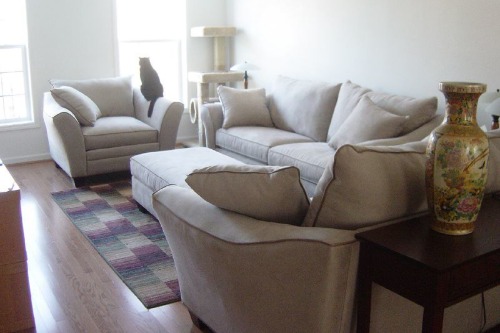
Buying a matching bedroom or living room set used to feel like the easiest way to decorate. But that uniform look now feels predictable and lacks character. Modern design embraces mixing textures, materials, and eras for a curated look. A matching set says “catalog,” not “collected.”
Breaking up sets creates visual interest and makes a room feel more layered. Try pairing a vintage dresser with a modern mirror or a sleek sofa with a rustic coffee table. These contrasts give your home personality without feeling chaotic. Variety is what makes a space feel lived-in and evolving.
8. You Still Have Gray Everything
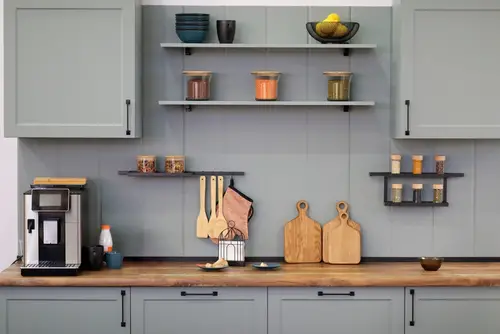
If your walls, couch, and rugs are all the same cool-toned gray, it might be a sign you’re stuck in the mid-2010s. The “all-gray” trend was everywhere after 2015 because it felt modern and minimalist. But design experts now say it can make a space feel flat and lifeless without contrast or warmth. Layering in color—like earthy neutrals or soft greens—brings back depth and a sense of personality.
The reason this matters is that interior design has shifted toward “warm minimalism,” which favors natural tones and textures. Even if you love neutrals, adding creamy whites, wood accents, or linen textures can make a big difference. A space that feels more alive and less sterile is instantly more current. It’s about moving from showroom gray to something that actually feels like home.
9. You’re Still Using Industrial Edison Bulbs
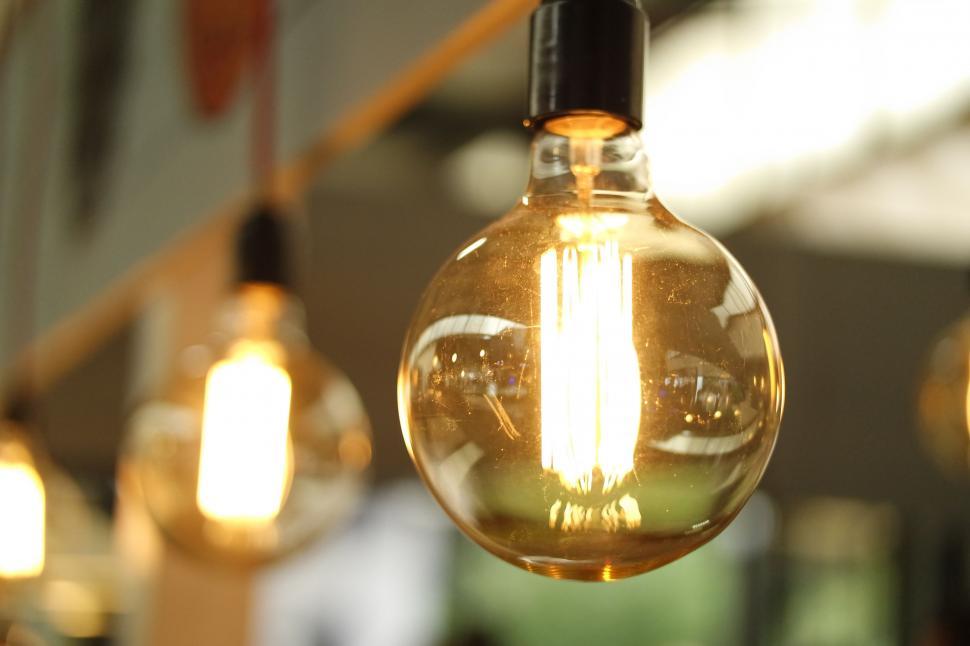
The exposed-bulb look took off in the late 2010s, thanks to the industrial loft trend. While those filament bulbs once felt edgy and urban, they now tend to give off a harsh, outdated vibe. Design has moved toward softer, diffused lighting that feels more inviting. The industrial aesthetic has evolved into something subtler.
Replacing Edison bulbs with frosted glass or linen shades can instantly modernize your space. Layered lighting—think sconces, floor lamps, and pendants—adds both function and mood. This shift makes rooms feel cozy, not cold. Good lighting never goes out of style; it just changes form.
10. You Still Have a Gallery Wall of Random Prints
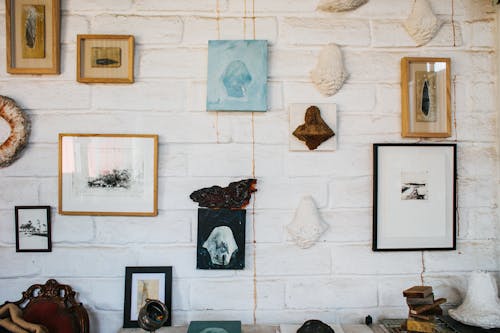
Gallery walls were the go-to for filling empty walls in the 2010s. But many ended up cluttered or overly symmetrical, losing their charm. Current trends favor fewer, larger pieces that make a stronger statement. Simplicity lets art breathe.
That doesn’t mean your favorite prints have to go—just curate them with intention. Try mixing scales, leaving more white space, or using cohesive frames. The result feels elevated instead of chaotic. Think “art installation,” not “dorm room collage.”
11. You’re Still Using Faux Plants Everywhere
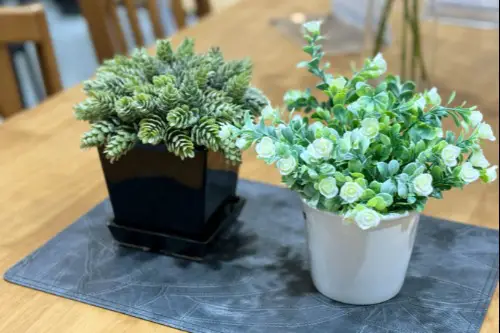
Artificial greenery was a lifesaver for people who couldn’t keep real plants alive, but too much of it reads as fake and static. The texture and sheen give it away instantly. Real plants add vibrancy and subtle movement that fake ones can’t replicate. Designers now use fewer, larger statement plants instead.
If you need low-maintenance greenery, try hardy real options like snake plants or pothos. Even one real plant can change a room’s energy. It’s not about perfection—it’s about authenticity. Nature’s imperfections always look fresher than plastic perfection.
12. You’re Still Using Barn Doors Indoors
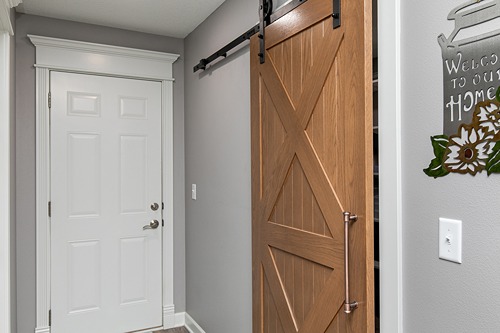
Sliding barn doors were once a clever space-saver with rustic flair. But their ubiquity in suburban homes has made them feel more gimmicky than charming. They can also compromise privacy and sound insulation. Designers now prefer sleeker pocket or French doors for a more timeless solution.
If you still love the idea, try a reimagined version—like a flush wood slider or a frosted glass panel. It keeps the functionality while ditching the farmhouse aesthetic. Updating this detail modernizes a room instantly. Think “refined rustic” instead of “Pinterest 2015.”
13. You Still Have Granite Countertops with Heavy Pattern

Speckled granite in shades of beige, brown, or gold was the go-to countertop in the early 2000s. But that busy pattern can date a kitchen fast. Lighter quartz, marble-look, or soapstone options have taken its place for their simplicity and elegance. Less visual noise equals a more timeless space.
If replacing counters isn’t an option, balance the look with softer wall colors or matte finishes. Even updating hardware or lighting can tone down the heaviness. The idea is to let your surfaces feel calm, not chaotic. Smooth and understated has more staying power than ornate and flashy.
14. You Still Arrange Everything Symmetrically
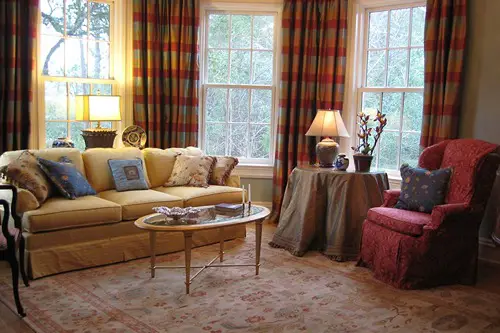
Perfectly centered sofas, matching lamps, and mirror-image decor used to signal good design. Now, that rigid symmetry can feel staged and overly formal. Asymmetry brings life and flow to a space, making it feel spontaneous and real. It’s the difference between “styled” and “lived in.”
Try offsetting your furniture slightly or balancing heavy pieces with lighter ones instead of duplicates. Layering textures and heights also creates movement. The goal isn’t imbalance—it’s dynamic energy. Real homes evolve, and your layout should reflect that.
This post 14 Decorating Habits That Reveal You’re Stuck in a Past Trend Cycle was first published on Greenhouse Black.
