
1. Cluttered Sightlines
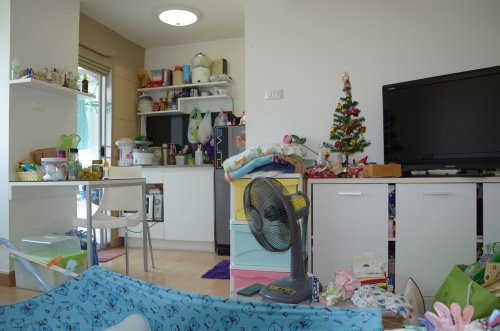
When every surface is covered with “stuff,” your brain never gets a break. Neuroscientists have found that clutter competes for your attention, reducing focus and increasing anxiety. That’s why even beautifully designed rooms can feel overwhelming if they lack visual breathing space. Clear surfaces and defined zones help the mind relax and feel more in control.
Clutter also affects how you move through a home. If pathways are tight or obstructed, it subtly signals chaos and stress. You might not consciously notice it, but your brain does—it’s wired to seek clear routes for safety and ease. Editing your décor can feel like editing your thoughts: calmer, lighter, freer.
2. Harsh Overhead Lighting
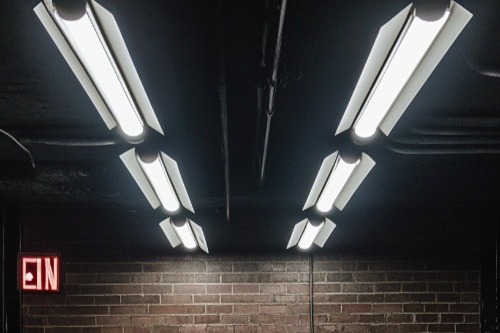
Ever walked into a room where the lighting felt like an interrogation room? Overhead fixtures that blast intense, cool-toned light can make a home feel sterile and uncomfortable. Studies in environmental psychology show that harsh lighting increases alertness and stress levels, which might be fine in an office—but not where you relax. Softer, layered lighting—like lamps or wall sconces—creates warmth and helps your body unwind.
The color temperature of light matters more than most people realize. Bulbs above 4000K cast a blue hue that’s great for productivity but poor for coziness. Warm white lighting around 2700K mimics sunset tones that trigger the body’s relaxation cues. The takeaway: light is emotional, and the wrong kind makes your space subconsciously tense.
3. Too Many Sharp Angles
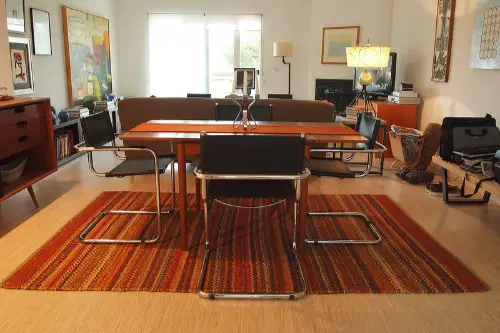
Modern furniture often emphasizes crisp lines and angular edges, which can look sleek but feel subconsciously aggressive. Evolutionary psychology suggests humans associate sharp shapes with danger—think of thorns or blades. Rounded furniture and curved layouts, on the other hand, trigger comfort and approachability. A room with nothing but hard lines can feel like it’s bristling at you.
This doesn’t mean you have to abandon minimalism or modern design. Balancing sharp angles with organic shapes—like a round rug or oval table—softens the energy. Even something as simple as curved lamps or cushions can change how a space feels. The goal is tension and ease in harmony, not visual warfare.
4. Cold Color Palettes

Gray-on-gray interiors had their moment, but they can dampen emotional warmth. Cool colors like slate and icy blue may feel clean but often register as distant or unfriendly. Color psychology shows that warmer hues—muted terracottas, creamy whites, or soft greens—can make spaces feel more nurturing. When everything is cold-toned, it can feel like the room’s giving you the silent treatment.
Balance is key. Cool tones can still feel peaceful if paired with tactile materials like wood or textiles that bring warmth. The brain interprets these sensory contrasts as safety and comfort. Without them, you’re left with a space that looks polished but feels unwelcoming.
5. Echoey Acoustics
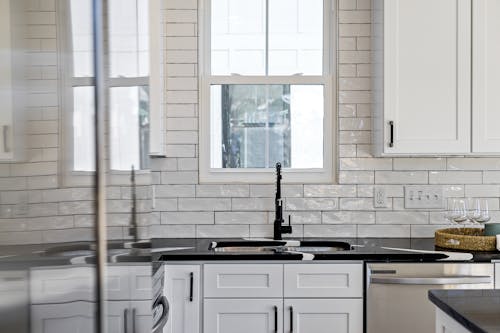
A room that echoes can subtly raise your stress levels. Sound bounces off hard surfaces like tile, glass, and concrete, making conversations harsher and less intimate. Our nervous systems are sensitive to sound environment—too much reverb can make people feel exposed and on edge. Soft materials like rugs, curtains, and upholstered furniture absorb sound and calm the atmosphere.
If a space sounds “hard,” it often feels emotionally hard too. Think of how cozy a library feels compared to an empty hallway—it’s all about how sound behaves. Adding textiles isn’t just about décor; it’s about shaping emotional acoustics. Your ears help decide if a home feels safe or stressful.
6. Poor Lighting Placement
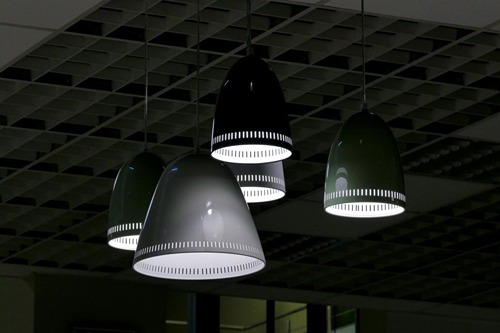
Even beautiful lighting can feel wrong if it’s in the wrong place. Shadows falling across faces at the dinner table or harsh downlighting in bathrooms can distort perception and comfort. Human connection relies on seeing facial cues clearly—bad lighting interferes with that instinctive sense of trust. A home where lighting hides faces or casts awkward shadows feels subtly alienating.
Layered lighting solves this by balancing overheads with mid-level or task lighting. Think wall sconces, under-cabinet strips, or table lamps. These illuminate people and surfaces in flattering, functional ways. When lighting placement supports human interaction, spaces naturally feel more welcoming.
7. Lack of Natural Light
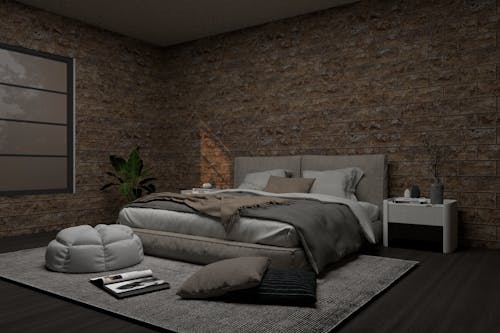
Humans are biologically wired to respond to daylight—it regulates mood, sleep, and even social behavior. Spaces with little or no natural light often feel closed off and emotionally flat. Research shows that dim interiors can increase fatigue and lower serotonin levels. When sunlight is missing, people subconsciously interpret the environment as confining.
Even small adjustments make a difference. Mirrors, light-colored walls, and open window treatments help distribute daylight. If privacy’s an issue, sheer curtains can soften light without blocking it. Brightness doesn’t just illuminate a room—it energizes the human spirit.
8. Overly Symmetrical Layouts
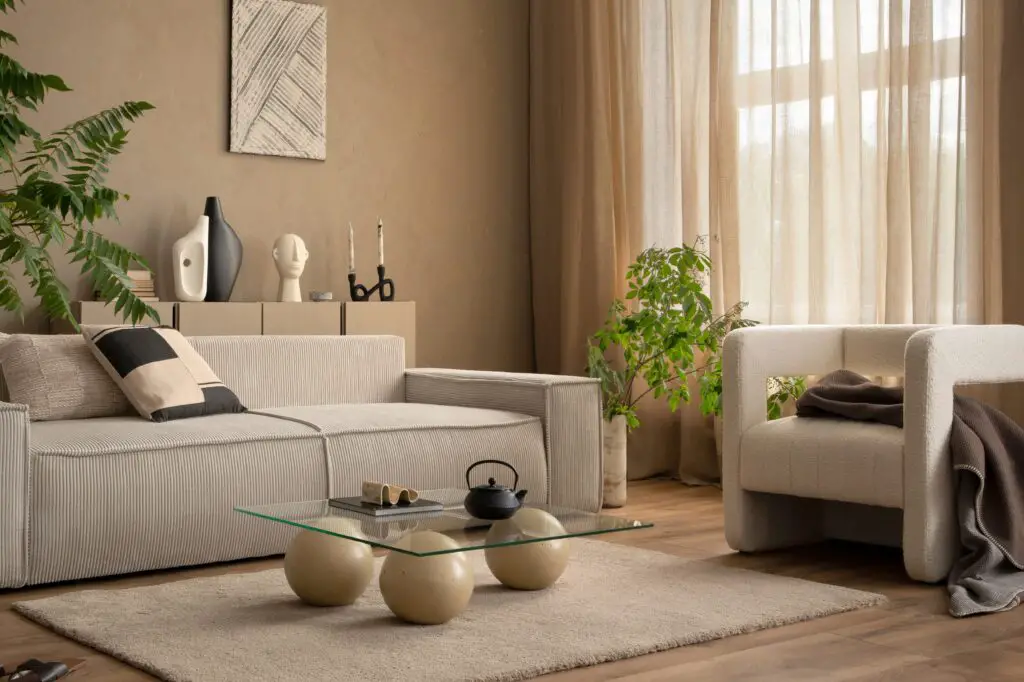
Perfect symmetry sounds calming, but too much of it can feel rigid and impersonal. Our brains appreciate slight irregularities—they signal life and authenticity. When everything is perfectly matched and aligned, it can make a space feel staged or sterile. The result is a room that looks flawless but feels emotionally distant.
Asymmetry adds warmth and character. Try offsetting art, mixing textures, or combining furniture styles to loosen the visual rhythm. This helps the brain engage without feeling trapped in perfection. Life isn’t symmetrical, and our homes shouldn’t be either.
9. Clashing Visual Noise
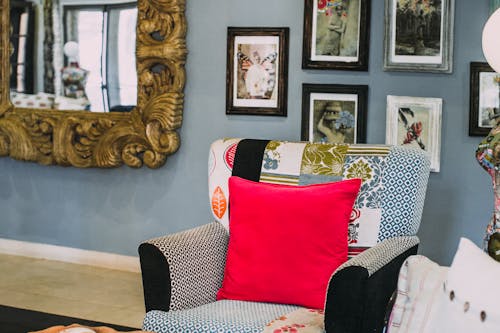
Visual noise—like too many patterns, competing colors, or excessive décor—can feel like being shouted at visually. The brain constantly processes visual input, so chaotic design overstimulates it. That’s why spaces with a calmer palette or fewer focal points feel easier to inhabit. Even if you love maximalism, it needs structure to feel grounded rather than aggressive.
Cohesion doesn’t mean boring. Repeating a few colors or materials throughout the room keeps things visually connected. The mind craves harmony even in abundance. Without it, a home can feel like a sensory argument instead of a conversation.
10. Uncomfortable Furniture
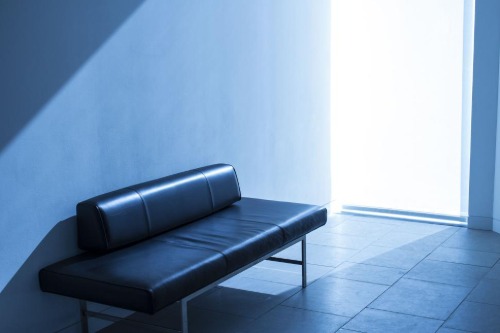
Furniture that looks great but feels bad instantly creates subconscious hostility. If a chair digs into your back or a sofa’s too deep, your body tenses up—and that tension colors your emotional state. Physical discomfort signals to the brain that an environment isn’t safe or supportive. No one wants to “relax” where their body’s on high alert.
The best interiors blend form and function. Ergonomically friendly furniture or well-placed cushions can change your entire relationship with a room. Comfort communicates care—both from you to yourself and to anyone visiting. A beautiful but painful chair is like a beautiful but cold handshake.
11. Lack of Privacy
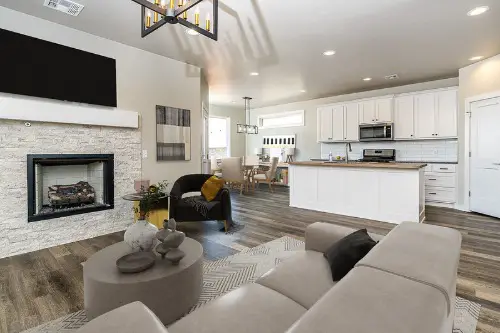
Open-concept layouts can look amazing on Instagram, but living in one can be mentally exhausting. Constant visibility means your brain never fully relaxes—it’s always processing movement and sound. Environmental psychology links this to a lack of perceived control, which increases stress. Everyone needs a nook or corner that feels like theirs alone.
Even small gestures—like a folding screen, curtain, or plant divider—restore a sense of personal boundary. These subtle signals tell the brain it’s safe to decompress. Homes that ignore privacy design cues feel subconsciously exposed. And exposure, over time, breeds discomfort.
12. Cool, Reflective Materials
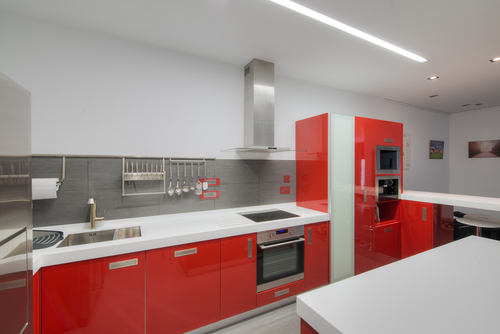
Surfaces like steel, glass, and polished concrete look striking but can make spaces feel emotionally cold. They reflect sound and light in harsh ways, amplifying that sense of hardness. Our brains associate matte and textured finishes—like wood or fabric—with warmth and safety. Smooth, reflective ones evoke distance and detachment.
Mixing materials helps rebalance the mood. Pairing glossy finishes with tactile ones creates a more human feel. Even a woven throw on a metal chair softens perception. Comfort often comes down to contrast, not clutter.
13. Low or Oppressive Ceilings

Ceiling height changes how we think and feel, even if we don’t notice it. Research shows that low ceilings promote a sense of confinement and can trigger mild anxiety. High ceilings, by contrast, encourage open thinking and relaxation. A room that feels “pressing down” on you literally restricts psychological freedom.
If you can’t raise ceilings, trick the eye instead. Vertical lines, tall mirrors, and upward lighting create a feeling of lift. Even removing heavy drapes or ceiling fans can open up space. The brain reads vertical openness as emotional spaciousness.
14. Lack of Personal Touches
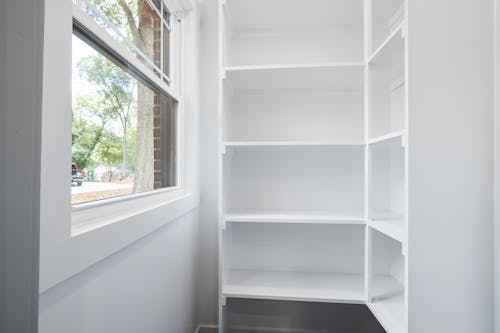
A home without traces of its occupants feels like a showroom, not a sanctuary. Personal items—photos, books, art—anchor emotional identity in a space. When these are missing, the environment feels detached and impersonal, even if it’s perfectly styled. People instinctively relax where they see signs of life and belonging.
Adding personality doesn’t mean cluttering. It’s about meaningful curation: objects that tell your story. Even one framed photo or travel memento can make a sterile room feel like home. Design speaks, and the absence of personal voice is often the loudest silence.
This post 14 Design Details That Subconsciously Make Homes Feel Hostile was first published on Greenhouse Black.
