
1. Sewing on a Button
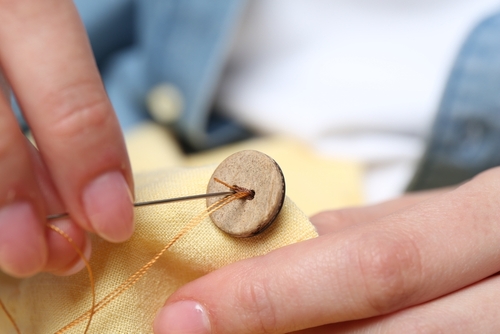
For years, sewing a button was treated like a relic from a bygone era, something your grandma insisted on teaching you. People joked that it was pointless in a world of fast fashion and cheap replacements. The skill got lumped in with doilies and sewing circles. Then a favorite coat lost a button an hour before a job interview.
Suddenly, knowing how to thread a needle saved time, money, and embarrassment. Tailors can take days, and dry cleaners often charge more than the button is worth. Sewing on a button properly also prevents fabric tearing, which extends the life of clothing. That small, mocked skill turns out to be basic clothing maintenance.
2. Cooking Simple Meals from Scratch
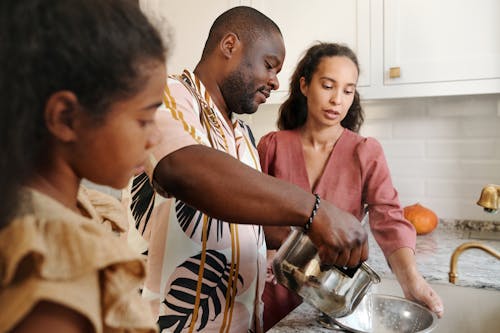
Cooking was mocked as unnecessary once takeout apps and frozen dinners became common. People bragged about never turning on their stove. Knowing how to roast a chicken or cook rice sounded boring and old-fashioned. Convenience culture made cooking seem optional.
Then budgets tightened, delivery fees soared, or dietary needs changed. Simple home-cooked meals became cheaper, healthier, and more flexible than takeout. Knowing basic techniques like sautéing or boiling pasta helps people feed themselves consistently. It also prevents reliance on expensive or ultra-processed food.
3. Budgeting Household Expenses

Budgeting was often dismissed as something only “bad with money” people needed. Many assumed automatic payments and steady paychecks made it irrelevant. Talking about tracking expenses even sounded restrictive or joyless. The skill was treated like unnecessary micromanagement.
When unexpected costs hit, budgeting became essential fast. Rent increases, medical bills, or job changes force people to understand where their money goes. A basic budget helps prioritize essentials like utilities and groceries. It also prevents small leaks from becoming financial emergencies.
4. Cleaning Properly, Not Just Tidying
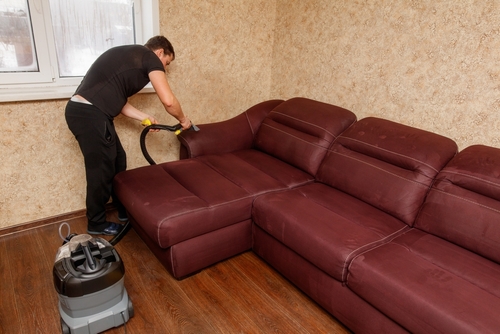
Deep cleaning used to be mocked as obsessive or fussy. Spraying air freshener and shoving clutter out of sight felt “good enough.” People joked about needing white gloves to pass inspection. Cleaning thoroughly seemed excessive.
Then mold, pests, or lingering odors showed up. Knowing how to disinfect surfaces, clean drains, and wash fabrics properly prevents health problems. It also keeps appliances working longer and homes livable. Real cleaning is preventative maintenance, not aesthetic fussiness.
5. Doing Laundry Correctly
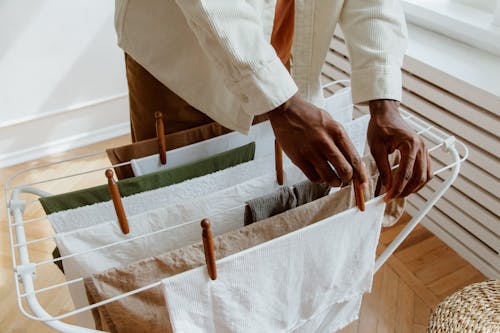
Laundry knowledge was often reduced to “don’t mix whites and colors.” Reading care labels was treated as overkill. Shrinking a sweater or fading jeans was seen as inevitable. The skill didn’t seem worth learning.
Eventually, people noticed how fast clothes wore out. Washing on the right settings and using proper detergents preserves fabric and fit. Knowing when to air-dry prevents heat damage. Correct laundry habits save money by extending clothing life.
6. Basic Home Repairs

Calling a professional for everything was once a point of pride. People joked about not owning tools or knowing how to use them. Tightening a screw or fixing a hinge seemed beneath modern life. DIY skills felt outdated.
Then a loose doorknob, leaky faucet, or broken cabinet interrupted daily routines. Waiting days for help or paying high service fees became frustrating. Basic repairs restore function quickly and safely. These skills also help homeowners recognize when a problem is truly serious.
7. Grocery Planning

Grocery planning was mocked as rigid or overly domestic. Wandering the store and buying whatever looked good felt more spontaneous. Making lists sounded controlling. Planning meals seemed unnecessary.
When food waste piled up, planning mattered. Knowing what meals you’ll cook prevents buying duplicates and spoiled produce. It also saves time and money during busy weeks. Grocery planning turns shopping into a practical system instead of a guessing game.
8. Ironing and Steaming Clothes
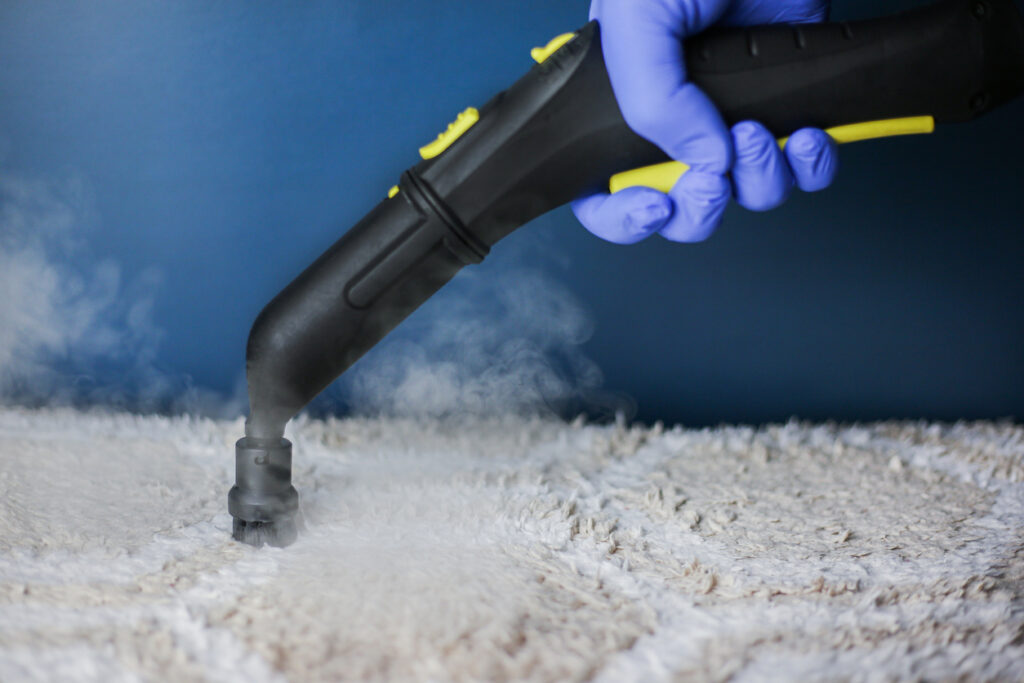
Ironing was treated like a lost art, especially once wrinkle-resistant fabrics became popular. People joked that wrinkles were part of a “casual” look. Owning an iron seemed optional. The skill faded quietly.
Then formal events, presentations, or video calls came up. Wrinkled clothes can look unprofessional even when they’re clean. Knowing how to iron or steam fabric improves appearance quickly. It’s a small detail that affects first impressions.
9. Safe Food Storage

Food storage rules were often brushed off as paranoia. People relied on smell tests alone. Leftovers were kept in mismatched containers without labels. The skill didn’t feel important.
Then food poisoning or wasted groceries changed minds. Knowing how long foods last in the fridge prevents illness. Proper storage also keeps food fresher and reduces waste. It’s a basic safety skill with real health consequences.
10. Writing Polite Household Communication
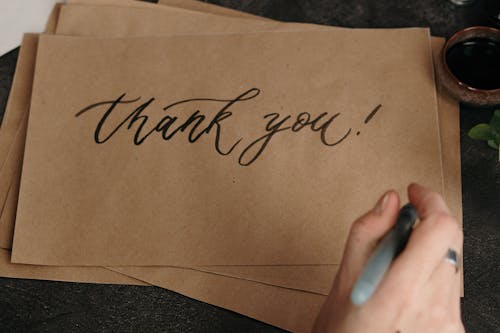
Leaving notes or writing calm messages was mocked as passive or unnecessary. People preferred quick texts or confrontations. Courtesy felt outdated. Domestic communication seemed trivial.
Shared living spaces made this skill valuable. Clear, polite notes about chores or schedules prevent conflict. Written communication helps avoid misunderstandings. It keeps households functioning smoothly without constant tension.
11. Organizing Storage Spaces
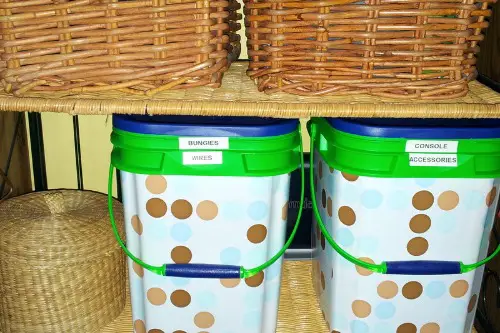
Organization was often treated as aesthetic, not practical. People joked about color-coded bins and labeled shelves. Stuffing things into closets felt faster. The skill seemed optional.
Then items couldn’t be found when needed. Organized storage saves time and reduces stress. It also prevents buying duplicates of things already owned. Functional organization supports daily routines.
12. Knowing When to Replace Household Items
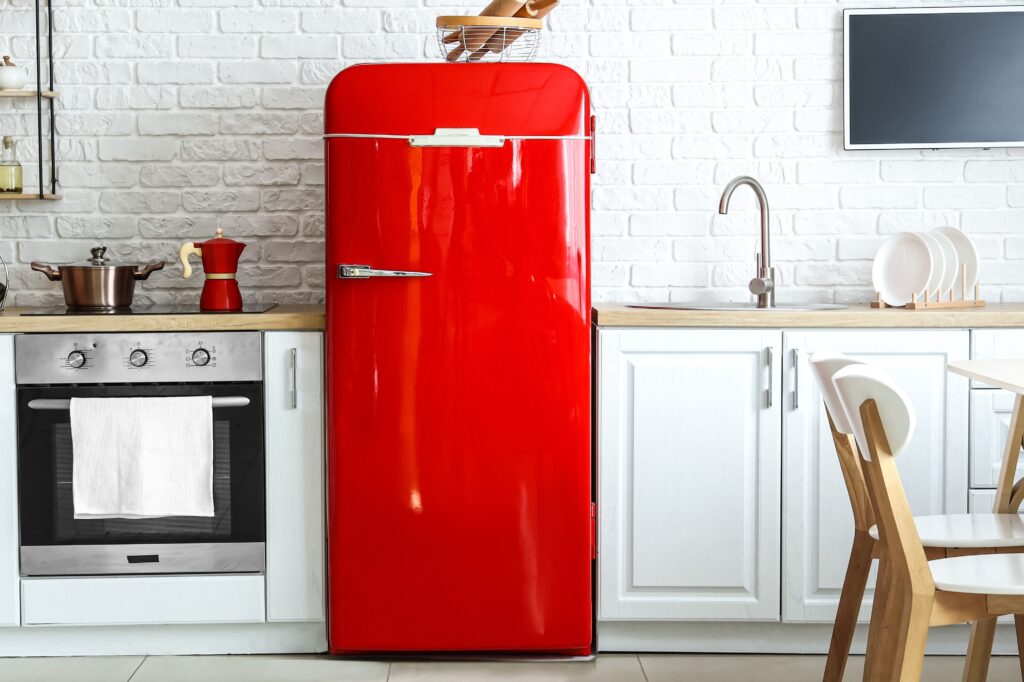
People mocked careful tracking of household wear and tear. Using things “until they break” sounded efficient. Maintenance schedules felt unnecessary. Replacement planning was ignored.
Then a broken smoke detector, worn extension cord, or cracked pan caused problems. Knowing when to replace items improves safety. It also prevents damage to other parts of the home. This skill balances frugality with responsibility.
This post 12 Domestic Skills People Mocked — Then Needed was first published on Greenhouse Black.
