
1. Tools and Garage Equipment
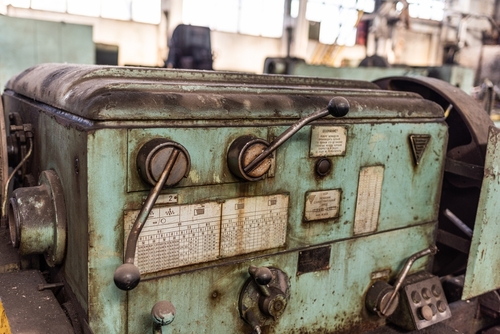
Tools may not sound glamorous, but buyers ask about them early for practical reasons. High-quality or vintage tools can sell well, especially complete sets or industrial-grade equipment. Buyers want to know whether the garage or workshop is worth a detailed review. This helps them allocate time efficiently.
Tools also affect logistics and pricing. Heavy equipment requires extra labor to move and transport. Buyers factor that into their offers. Asking early prevents underestimating the scope of the estate.
2. Coins and Currency
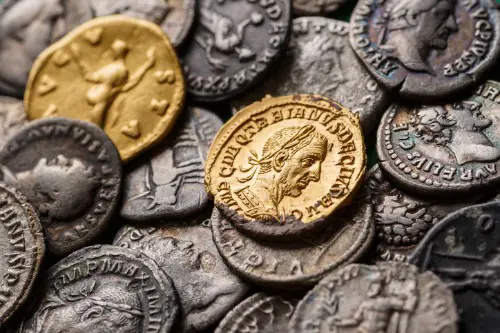
Coins and paper money are another early question because their value can vary wildly based on rarity and condition. A small box of coins might contain common pocket change or a key-date piece worth thousands. Buyers want to know if there are collections, inherited hoards, or even old currency tucked away in drawers. This helps them decide whether a closer inspection is worthwhile.
Estate buyers also ask early because coins are often overlooked by families. Old jars, safety deposit boxes, or desk drawers are common hiding spots. Silver and gold content alone can give coins baseline value, even if they’re not rare. That makes coins both approachable and potentially lucrative for buyers.
3. Watches
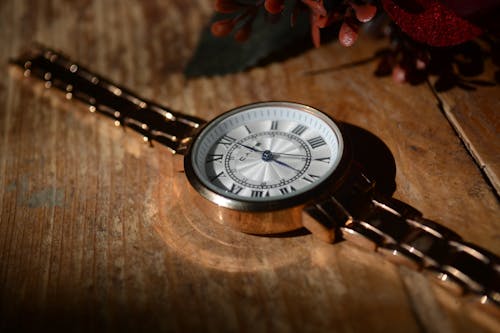
Watches come up quickly because certain brands retain strong resale value and have active collector markets. Mechanical watches from respected makers can be worth far more than they appear at first glance. Buyers ask early so they can identify brands, materials, and whether original boxes or papers still exist. These details significantly affect value.
There’s also a condition factor that matters with watches. A non-working watch may still be valuable, but repairs can affect pricing decisions. Estate buyers want to factor that in early rather than after negotiations start. Asking first helps them avoid misjudging the estate’s overall worth.
4. Firearms

Firearms are commonly one of the first topics because they require special handling and legal awareness. Buyers need to know what types are present, such as handguns, rifles, or antique firearms. This information helps them determine whether they can legally purchase or need a licensed intermediary. It also affects how the sale process is structured.
From a valuation standpoint, firearms can represent a significant portion of an estate’s value. Condition, manufacturer, and historical significance all play a role. Buyers ask early so they can plan inspections safely and appropriately. It also helps avoid uncomfortable surprises during walkthroughs.
5. Artwork and Paintings

Art is an early question because it can dramatically change an estate’s profile. A single original work by a known artist can outweigh the value of an entire household’s contents. Buyers want to know what’s on the walls before making assumptions about the estate’s overall worth. Even regional or lesser-known artists can attract niche collectors.
Estate buyers also know that families sometimes underestimate artwork. Pieces may have been inherited decades ago without documentation. Asking early allows buyers to recommend appraisals if needed. This protects both parties from undervaluing something important.
6. Furniture (Especially Older or Signed Pieces)
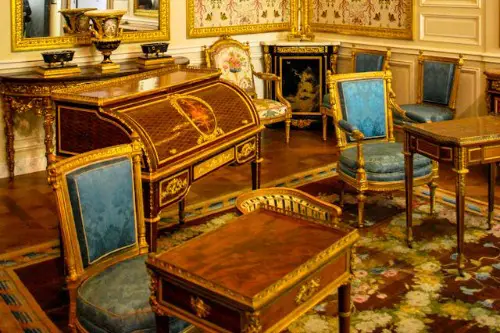
Furniture is often discussed early, particularly if it’s older or appears well-made. Certain styles, makers, and construction methods are more desirable in today’s resale market. Buyers want to know whether the furniture is mass-produced or handcrafted. This distinction affects both pricing and logistics.
Condition and completeness also matter with furniture. Original finishes, hardware, and minimal repairs add value. Buyers ask early because large items impact removal plans and labor costs. Knowing what’s there helps them prepare realistic offers and timelines.
7. Silver Items and Flatware

Silver comes up quickly because it’s both common in estates and easy to evaluate. Buyers ask specifically about sterling flatware, serving pieces, and decorative items. Hallmarks and weight can give immediate clues to value. Even worn or incomplete sets still have melt value.
Another reason buyers ask early is that silver is often mixed in with everyday items. It might be sitting in kitchen drawers or cabinets unnoticed. Buyers know families may not recognize silver markings. Bringing it up early prevents it from being accidentally overlooked.
8. Collectibles and Memorabilia
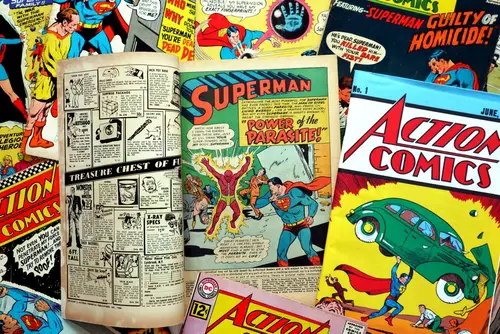
Collectibles are a broad category, but buyers still ask early because they can be highly specialized. Items like toys, sports memorabilia, comics, or military items can have strong followings. Buyers want to know what categories might be present so they can assess their expertise or bring in specialists. This saves time and avoids missed opportunities.
Estate buyers also understand that collectibles are often stored in attics, basements, or closets. Families may not consider them valuable if they’re incomplete or worn. Early questions prompt more thorough searches. This increases transparency and trust during the process.
9. Jewelry and Loose Precious Stones
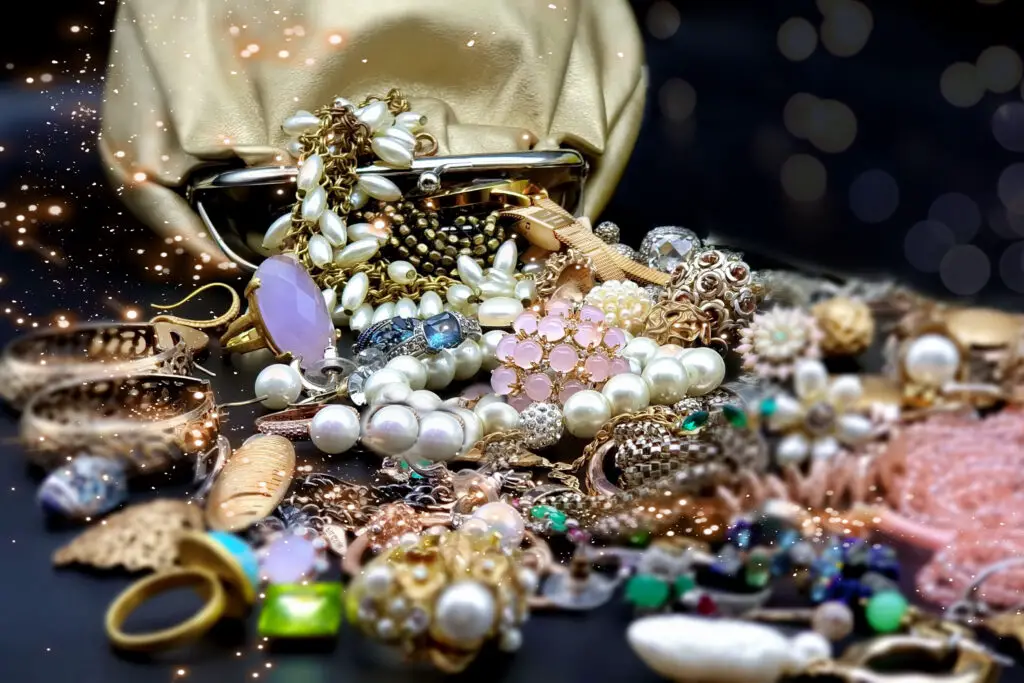
Estate buyers almost always start by asking about jewelry because it’s compact, valuable, and easy to authenticate on the spot. Gold, platinum, and diamond pieces can often be evaluated quickly based on weight, markings, and condition. Even broken or mismatched items matter, since buyers often value them for their metal or stones rather than their design. This makes jewelry a fast way for buyers to assess whether an estate has immediate resale potential.
There’s also a practical reason this comes up first: jewelry is frequently stored separately from the rest of the home. Buyers know families may have already removed some pieces, so they ask early to avoid surprises later. Signed or designer jewelry can significantly change an estate’s value, which is why specifics matter. Knowing what’s present helps buyers set realistic expectations before moving on.
10. Books and Paper Collections

Books are another early question because certain categories can be surprisingly valuable. First editions, signed copies, and specialized subjects attract collectors and dealers. Buyers want to know whether there’s a personal library or just a few shelves of common titles. This distinction matters greatly for valuation.
Paper items like maps, documents, and ephemera often fall into this category too. These materials are fragile and easy to miss. Buyers ask early so they can handle them properly. It also helps determine whether expert review is needed.
11. Storage Areas and Hidden Contents

Finally, estate buyers almost always ask about storage areas. Closets, attics, basements, and off-site units often hold the most overlooked items. Buyers know valuable things are frequently stored away for safekeeping or forgotten over time. Asking early ensures nothing is unintentionally excluded.
This question also sets expectations for the scope of the sale. More storage usually means more time, labor, and potential value. Buyers prefer clarity upfront rather than discovering new areas late in the process. It helps keep the transaction smooth and fair for everyone involved.
12. Vintage Electronics and Audio Gear

Estate buyers often ask about older electronics because certain models have strong collector demand. Vintage stereo receivers, turntables, and tube amplifiers can outperform modern resale expectations. Buyers want to know brands and approximate age before assuming electronics are obsolete. This helps them decide whether specialized testing is worth the time.
Condition and completeness are especially important with electronics. Original components, manuals, and boxes can significantly increase value. Buyers ask early because fragile items require careful handling during walkthroughs. Knowing they exist helps prevent accidental damage or disposal.
13. Cameras and Photography Equipment
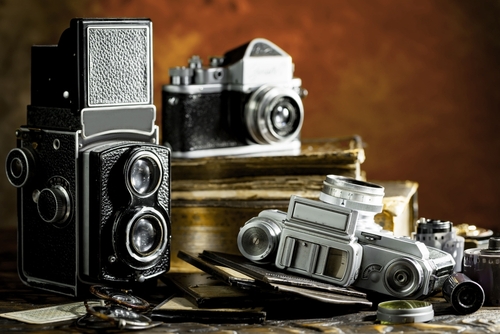
Cameras come up early because both vintage and professional gear can sell quickly. Film cameras, lenses, and darkroom equipment often appeal to niche but motivated buyers. Estate buyers want to know brands and whether accessories are included. This information helps them gauge resale potential without assumptions.
Another reason for early questions is storage location. Camera gear is often kept in cases, closets, or cabinets away from common areas. Families may not realize older equipment still has value. Asking early ensures these items are identified and reviewed properly.
14. Musical Instruments
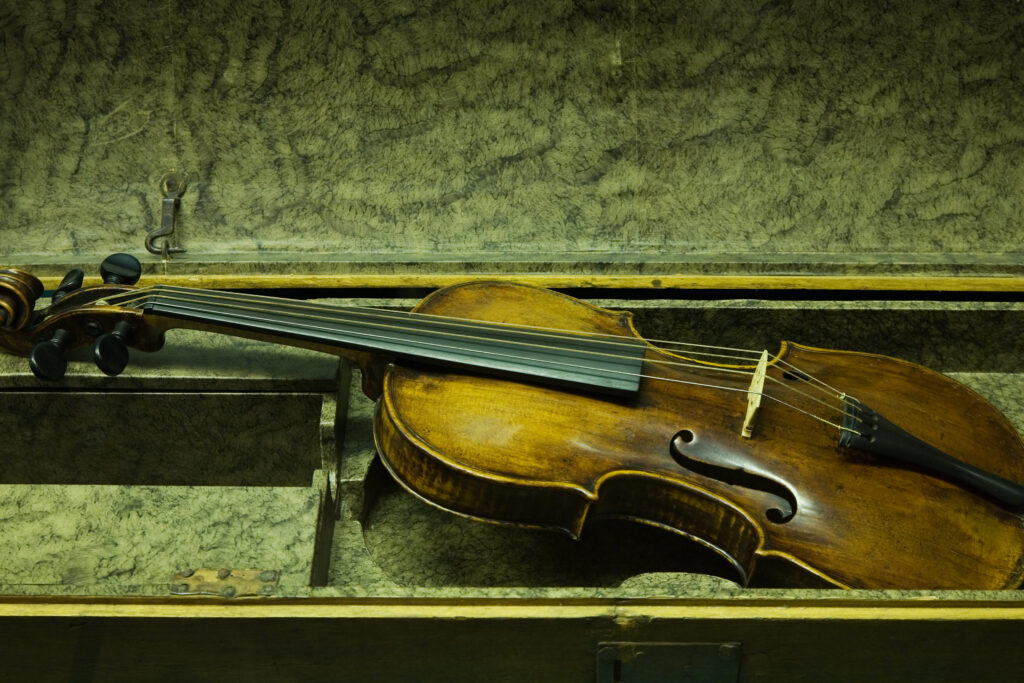
Musical instruments are frequently one of the first topics because their value varies widely. A beginner instrument may be modestly priced, while a professional or vintage piece can be highly desirable. Buyers want to know types, brands, and overall condition early on. This helps them plan inspections or bring in specialists.
Instruments also require careful handling and storage. Changes in temperature or humidity can affect condition and value. Buyers ask early so instruments are not moved or stored improperly. Early awareness protects both the items and the sale outcome.
15. China Sets and Fine Dinnerware
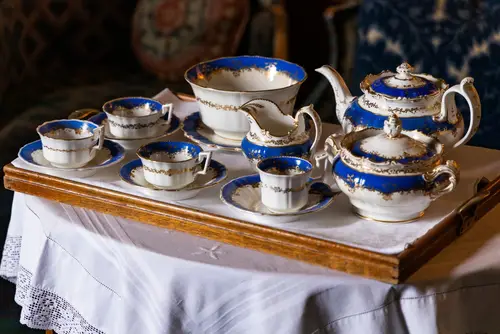
Estate buyers often ask about china because complete sets can still attract buyers. Patterns, manufacturers, and completeness matter more than age alone. Buyers want to know whether the set is intact or mixed with replacements. This helps them determine whether resale is realistic.
Another factor is space and logistics. China cabinets and boxed sets require careful packing and transport. Buyers ask early to factor labor and materials into their offers. It also prevents fragile items from being overlooked or damaged.
16. Rugs and Carpets

Rugs are an early question because handmade and antique examples can be very valuable. Buyers want to know if rugs are machine-made or hand-knotted. Size, origin, and condition all affect desirability. Early details help buyers decide whether professional evaluation is needed.
Rugs are also physically demanding to move and inspect. Some may be stored under furniture or rolled away. Buyers ask early so they can plan safe handling. This avoids rushed decisions later in the process.
17. Vehicles and Motorized Equipment
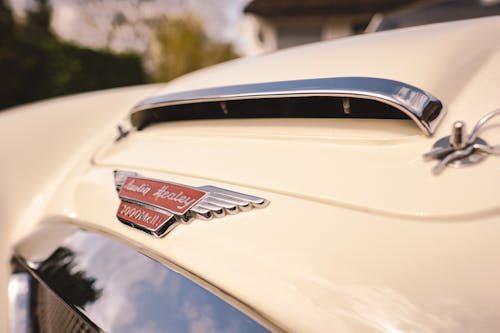
Estate buyers usually ask about vehicles early because they represent significant value. Cars, motorcycles, boats, and even lawn equipment can affect the estate’s overall worth. Buyers want to know titles, condition, and whether items are operational. This information helps structure the sale properly.
Logistics also play a major role with vehicles. Storage location and access can complicate removal. Buyers ask early to assess towing or transport needs. Clear answers help prevent delays and misunderstandings.
18. Clothing and Fashion Accessories

Clothing may not seem valuable at first, but buyers often ask about it early. Designer labels, vintage pieces, and accessories can perform well in resale markets. Buyers want to know if wardrobes include higher-end or period-specific items. This determines whether closer inspection is worthwhile.
Storage conditions also matter with clothing. Items kept in garment bags or climate-controlled spaces tend to fare better. Buyers ask early so delicate fabrics are handled carefully. It also prevents valuable pieces from being dismissed too quickly.
19. Office Contents and Business Records

Home offices are often discussed early because they can contain overlooked valuables. Desks and filing cabinets may hold collectibles, cash, or important documents. Buyers want to know whether the estate includes business-related materials. This helps them plan thorough but respectful reviews.
Paper-heavy areas also require careful handling. Documents can be fragile or sensitive. Buyers ask early to avoid rushed sorting later. Clear communication helps maintain trust throughout the process.
20. Decorative Objects and Accent Pieces

Estate buyers frequently ask about decorative items because small pieces can add up quickly. Vases, sculptures, clocks, and figurines may have collector appeal. Buyers want to know styles and materials before assuming items are purely decorative. Early awareness helps guide efficient walkthroughs.
These objects are often spread throughout the home. Families may not group them together mentally as valuable items. Buyers ask early to ensure nothing is overlooked. This leads to more accurate evaluations.
21. Outdoor and Garden Features
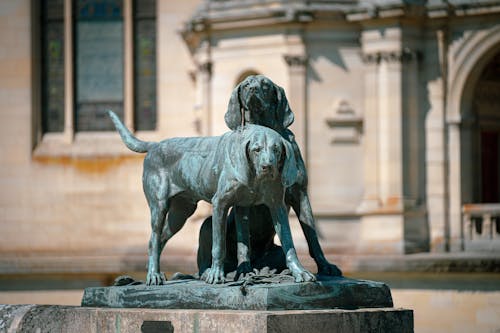
Outdoor areas are often discussed early because they’re easy to overlook. Statues, planters, fountains, and garden tools can all carry value. Buyers want to know whether items are decorative, functional, or permanent fixtures. This affects both pricing and removal plans.
Weather exposure also impacts condition. Buyers ask early so outdoor items can be inspected before deterioration worsens. Knowing what’s outside helps define the full scope of the estate. It ensures the sale reflects everything included.
This post Estate Buyers Always Ask About These Items First was first published on Greenhouse Black.
