
1. Mid-Century Modern Furniture
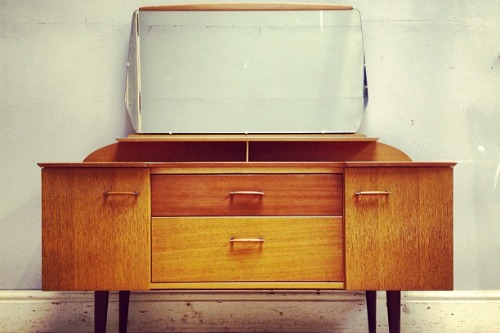
If you spot a clean-lined teak credenza or a sculptural lounge chair, don’t be surprised if a small crowd forms around it. Pieces inspired by designers like Charles and Ray Eames and Hans Wegner remain highly sought after for their craftsmanship and timeless style. Even unbranded mid-century furniture from the 1950s and 1960s can attract attention if it’s well made. Buyers know these pieces blend seamlessly into both vintage and modern interiors.
There’s also a practical reason they spark competition: quality materials. Solid teak, walnut, and rosewood furniture from that era was built to last, often using dovetail joints and solid wood construction. Resellers see strong profit potential, while homeowners see a chance to elevate their space instantly. When style and durability meet, bidding wars tend to follow.
2. Vintage Pyrex
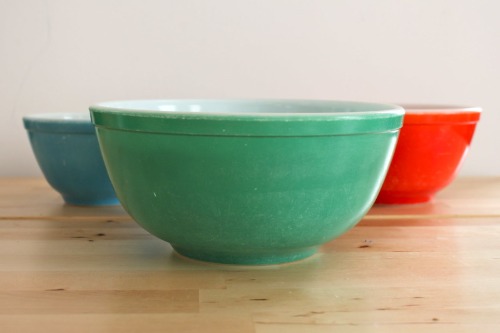
Colorful bowls stacked in a kitchen cabinet can suddenly become the star of the sale. Vintage Pyrex, especially patterned lines from the 1950s through the 1970s, has a devoted collector base. Patterns like “Butterprint” and “Gooseberry” are well documented and widely recognized. Shoppers often flip pieces over to check for the correct back stamps and production marks.
The competition comes from both nostalgia and scarcity. Many of these pieces were everyday kitchen workhorses, so surviving sets in good condition are harder to find. Certain rare patterns and promotional pieces command especially strong prices. A full nesting set in bright, unfaded color can disappear into someone’s arms within minutes.
3. First Edition Books
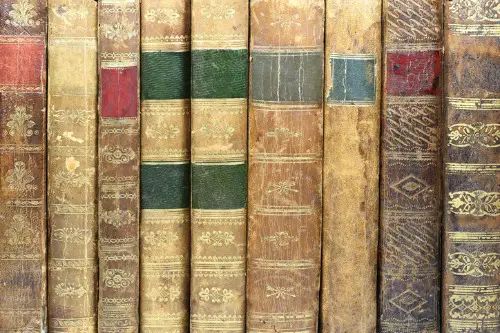
A quiet bookshelf can hide serious value. First editions, particularly of well-known authors like Ernest Hemingway or Toni Morrison, often generate fast interest from collectors. True first editions typically have specific publisher markings and number lines that distinguish them from later printings. Condition matters immensely, especially the presence of the original dust jacket.
Collectors are willing to compete because first printings mark the beginning of a book’s public life. Limited initial runs can make them comparatively scarce, especially for older titles. Even modern first editions can carry value if the author has won major awards or achieved lasting cultural impact. When multiple book lovers start checking copyright pages at once, you know demand is real.
4. Sterling Silver Flatware
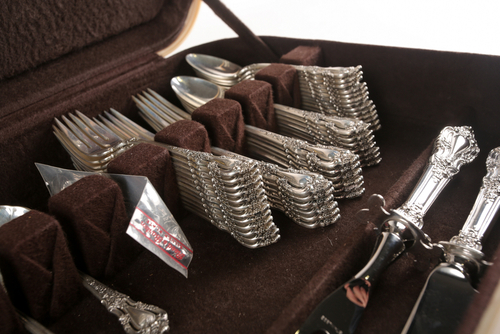
A heavy box labeled “silver” tends to draw immediate attention. Genuine sterling silver flatware is typically marked “925” or “Sterling,” indicating 92.5% silver content. Established makers such as Gorham Manufacturing Company and Reed & Barton are especially recognizable to buyers. Weight alone can signal intrinsic material value.
The appeal here is both aesthetic and financial. Sterling silver has melt value tied to the market price of silver, giving it a built-in floor price. At the same time, complete place settings in popular patterns are prized by collectors. That combination of beauty and bullion makes people move fast.
5. Vintage Rolex Watches
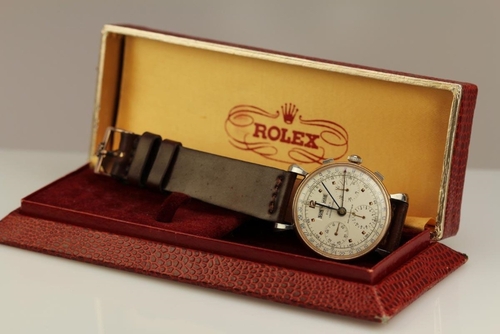
Few items create instant buzz like a watch case with a crown logo inside. Vintage models from Rolex, particularly Submariner or Datejust lines, are known for holding and often increasing in value over time. Collectors check serial numbers and reference numbers between the lugs to verify age and authenticity. Original dials and unpolished cases are especially desirable.
Luxury watches draw competition because they are portable, recognizable assets. Demand in the secondary market remains strong, especially for well-preserved examples from the mid-20th century. Even non-running pieces can attract interest if they contain original components. When multiple buyers ask for a loupe at once, the bidding energy shifts immediately.
6. Antique Persian Rugs
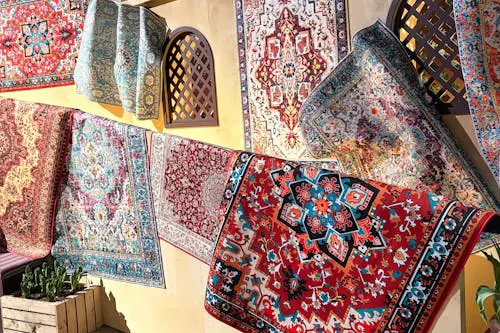
Rolled-up rugs in a corner sometimes turn out to be the hidden treasure of the house. Hand-knotted rugs from regions such as Tabriz or Isfahan in Iran are known for intricate patterns and dense knot counts. Natural dyes and wool or silk construction often signal quality craftsmanship. Age, condition, and provenance all influence value.
Collectors and decorators alike compete for authentic handmade rugs. Unlike machine-made versions, true Persian rugs can take months or years to produce. Their durability and detailed artistry make them functional investments. Once someone starts counting knots per inch, you can expect serious interest.
7. Cast Iron Cookware
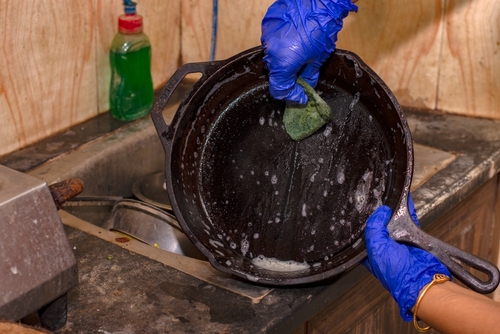
Seasoned, heavy pans can spark a surprising rush. Vintage cast iron from makers like Griswold Manufacturing and Wagner Manufacturing Company is prized for its smooth cooking surface and even heat retention. Older pieces were often milled more finely than many modern mass-produced pans. Logos and heat rings on the bottom help identify desirable eras.
Home cooks love them for performance, and collectors love them for brand history. Well-maintained cast iron can last for generations with proper seasoning. Some rare logos and sizes command premium prices. When buyers start flipping skillets over to inspect markings, competition heats up quickly.
8. Vinyl Records
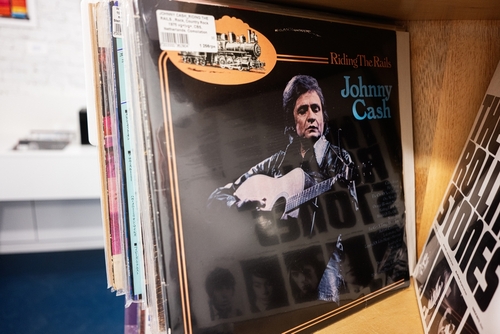
Crates of old records can turn casual browsers into serious hunters. Original pressings from artists like The Beatles or David Bowie are especially attractive to collectors. Details such as label variations, matrix numbers, and sleeve condition all affect value. Mono pressings from the 1960s can be particularly desirable.
The resurgence of vinyl has fueled sustained demand. Audiophiles often prefer analog recordings for their perceived warmth and depth. Limited pressings, withdrawn covers, or early releases can command strong resale prices. When multiple shoppers crouch around the same milk crate, you know something good is inside.
9. Fine Art Prints
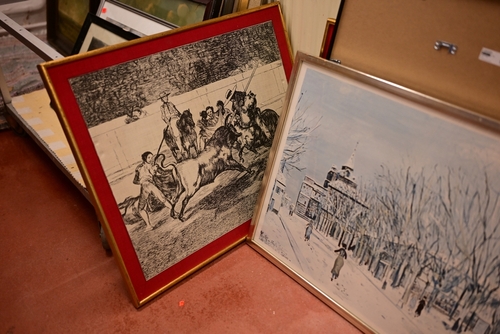
Framed artwork leaning against a wall can conceal unexpected value. Prints from artists like Pablo Picasso or Salvador Dalí, especially signed and numbered editions, often attract immediate scrutiny. Buyers look for pencil signatures, edition numbers, and reputable publishers. Even lithographs can hold value if properly authenticated.
Limited edition prints create urgency because the supply is fixed. Condition issues such as fading, foxing, or water damage significantly impact price. Documentation or gallery labels on the back add credibility. Once someone pulls the frame off the wall to inspect the back, others usually follow.
10. Antique Jewelry
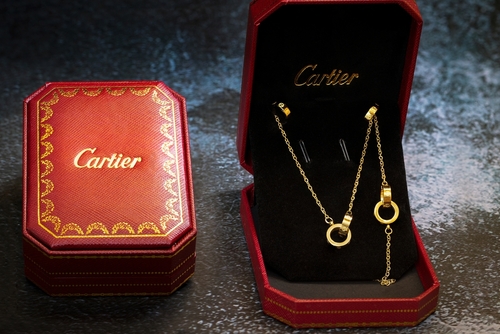
Small velvet boxes can cause big excitement. Estate jewelry featuring diamonds, sapphires, or emeralds is frequently examined for hallmarks and metal purity stamps like “14K” or “18K.” Pieces from well-known houses such as Tiffany & Co. carry brand recognition that boosts desirability. Art Deco and Victorian styles are especially popular among collectors.
Precious metal content gives jewelry intrinsic value, similar to silver flatware. Beyond materials, craftsmanship and design period influence pricing. Signed pieces or those with documented provenance can spark competitive offers. When several buyers ask to test a clasp or examine a setting under light, it rarely stays unsold for long.
11. Vintage Cameras

A dusty camera bag can be a magnet for enthusiasts. Classic models from Leica and Nikon are especially collectible, particularly mid-20th-century rangefinders and SLRs. Buyers check lens clarity, shutter function, and serial numbers. Original cases and accessories add to overall appeal.
Film photography’s revival has increased interest in functional vintage gear. Even non-working cameras can hold value for parts or display. Certain lenses are prized for their optical qualities and compatibility with modern digital systems. When someone carefully dry-fires a shutter, others quickly gather around.
12. Advertising Signs
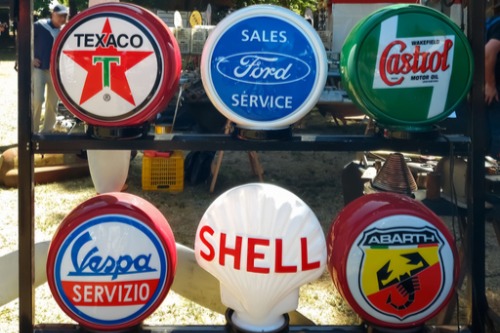
Metal and porcelain signs from old gas stations or soda brands often stop people in their tracks. Vintage signage from companies like Coca-Cola has a well-established collector market. Condition, original paint, and the absence of modern reproductions are critical factors. Authentic signs usually show age-appropriate wear rather than artificial distressing.
These pieces offer bold visual impact and nostalgic appeal. Many were produced in limited quantities and discarded once campaigns ended. Their size and color make them statement décor items. When buyers start debating whether a sign is porcelain or tin, competition is already underway.
13. Military Memorabilia
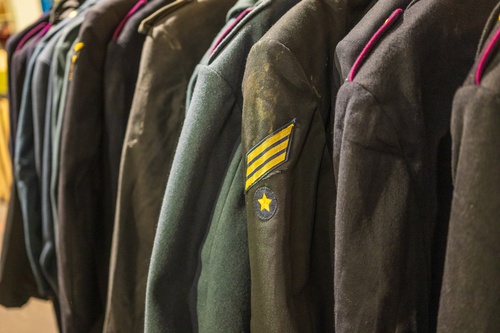
Carefully stored uniforms, medals, and insignia can quickly draw specialized collectors. Items associated with major conflicts like World War II are particularly sought after. Buyers look for original documentation, unit markings, and period-correct materials. Authenticity is crucial, as reproductions are common in the market.
Historical significance drives demand in this category. Provenance connecting an item to a specific individual or unit can dramatically increase value. Collectors often focus on completeness, such as full medal groups with original ribbons. When someone begins cross-checking serial numbers or service records, serious interest is in play.
14. Vintage Toys

Old toy chests can hold surprisingly competitive treasures. Early action figures like G.I. Joe or dolls such as Barbie from the 1960s can command strong interest, especially in original packaging. Condition, accessories, and unopened boxes significantly affect value. Even minor wear can change pricing dramatically.
Nostalgia fuels much of the demand, but rarity seals the deal. Limited production runs or short-lived variations are particularly desirable. Collectors often seek complete sets or specific outfit combinations. When multiple buyers start comparing paint wear and box corners, the competition becomes obvious.
This post 14 Estate Sale Items That Create Instant Competition was first published on Greenhouse Black.
