
1. Entryway clutter and landing zones

Guests form opinions within seconds, and the entryway is the first test. Shoes piled up, coats draped over chairs, or mail on the floor signal how the rest of the home might feel. A clear path to walk and a visible place to set a bag immediately lowers friction. This is noticeable because everyone has to pass through it.
Including a simple landing zone shows intentional living rather than perfection. A hook for coats, a tray for keys, and a mat for shoes are easy to verify improvements. Guests notice when they do not have to ask where to put things. That ease reads as hospitality, not organization for its own sake.
2. Lighting temperature and brightness
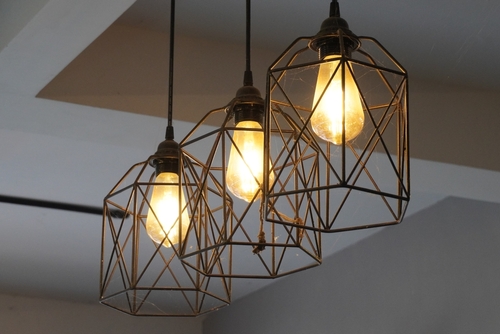
Lighting affects mood instantly, even if guests cannot name why. Mixed bulb temperatures create a patchwork feel that people register subconsciously. Overly bright overhead lights can feel clinical at night. Dim corners can make rooms feel smaller.
Choosing consistent warm or neutral bulbs is a specific, checkable choice. Layering light with a lamp or two reduces glare and shadows. Guests notice when their eyes relax after a minute. That comfort comes from lighting decisions, not decor trends.
3. Scent and air quality
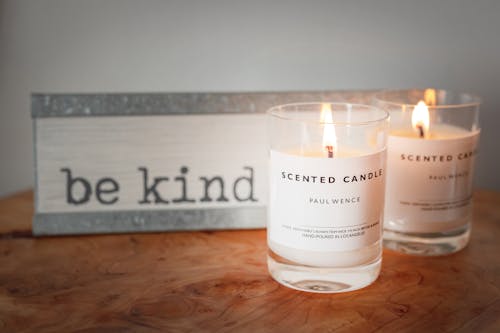
Smell is one of the fastest senses to trigger a reaction. Strong candles, plug ins, or cleaning products announce themselves immediately. So does stale air from closed windows. Guests clock this before they sit down.
A neutral baseline like fresh air or a mild soap is easiest to fact check. Opening windows briefly or using a low scent cleaner changes the experience. People notice when a home smells clean rather than perfumed. That difference signals consideration for shared space.
4. Seating comfort and layout
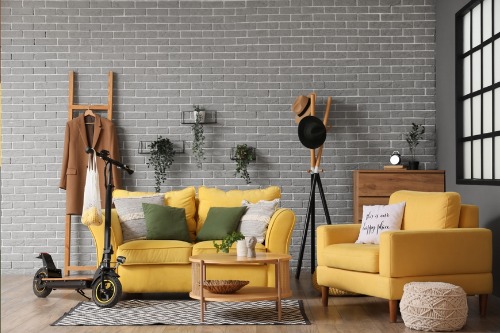
Guests notice where they are expected to sit without being told. Chairs angled away from each other discourage conversation. Sofas without a place to set a drink create awkward balancing acts. These issues show up within moments.
Including at least one clearly comfortable seat per guest is measurable. A small table or coaster nearby solves a practical problem. People notice when their body can relax. Comfort communicates welcome more than style does.
5. Bathroom sink readiness
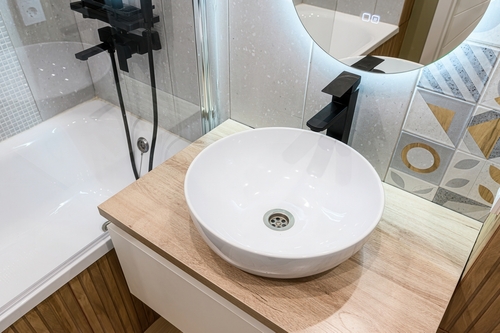
The bathroom is a high scrutiny room because everyone uses it. Guests notice soap availability, a clean sink, and a dry hand towel instantly. An empty soap dispenser or cluttered counter raises doubts. This reaction is quick and universal.
Keeping soap filled and towels fresh is an easy, verifiable habit. A clear counter with just essentials reads as cared for. Guests notice when they do not hesitate to wash their hands. That ease reflects everyday maintenance, not last minute cleaning.
6. Temperature and thermal comfort
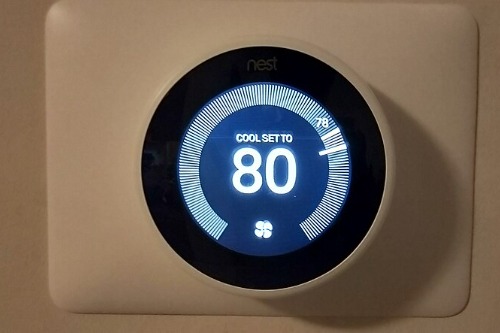
Room temperature is felt before it is discussed. A space that is too cold or too warm distracts from conversation. Guests often adjust clothing or posture immediately. Those cues are easy to observe.
Setting a moderate thermostat range is a concrete choice. Providing a throw blanket or adjusting vents shows flexibility. Guests notice when they do not need to ask for changes. Thermal comfort signals attentiveness.
7. Noise and acoustics
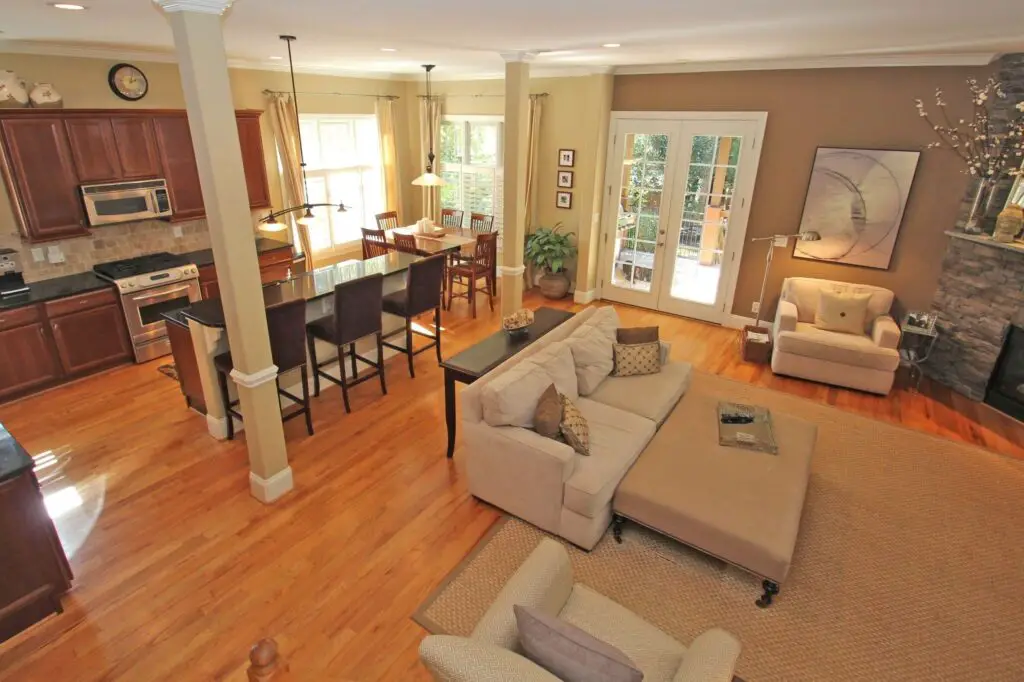
Sound shapes how calm or chaotic a home feels. Echoes from bare walls or floors amplify normal conversation. Background noise from appliances or TVs competes for attention. Guests register this quickly.
Rugs, curtains, or turning off unused devices are specific fixes. These choices are easy to confirm by listening. Guests notice when conversation feels effortless. Good acoustics support connection.
8. Cleanliness of high touch surfaces
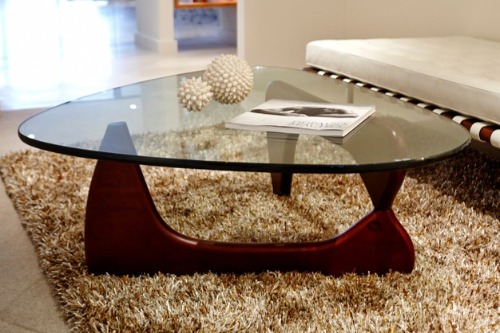
People look at what they will touch. Sticky tables, dusty shelves at eye level, or smudged switches stand out. These spots are more noticeable than hidden corners. Guests form judgments from them.
Wiping high touch surfaces is a checkable routine. Focusing on tables, remotes, and handles pays off. Guests notice when surfaces feel clean to the hand. That tactile feedback builds trust.
9. Kitchen counter clutter
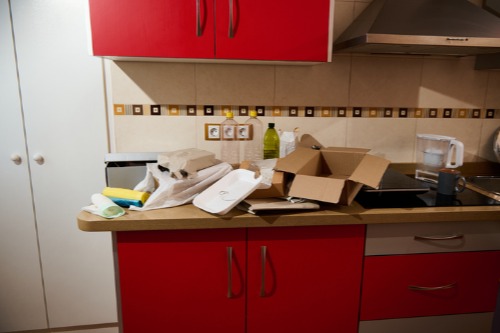
The kitchen often anchors social time. Counters crowded with appliances and paperwork feel busy. Even neat stacks take visual space. Guests notice this from across the room.
Clearing one main counter area is a concrete decision. Leaving only daily use items creates breathing room. Guests notice when there is space to set a glass. Function reads as thoughtfulness.
10. Pet hair and pet cues
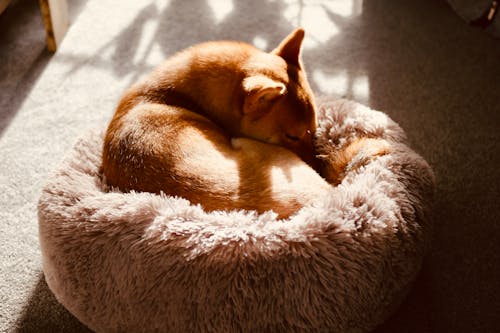
Pets add warmth, but their traces are obvious. Hair on furniture, odors near litter boxes, or bowls in walkways stand out. Guests notice these signs immediately. This is especially true for non pet owners.
Regular vacuuming and placing pet items intentionally are verifiable actions. A lint roller or throw cover reduces visible hair. Guests notice when pets feel welcomed without dominating the space. Balance matters here.
11. Art placement and personal cues

Walls communicate taste and care. Crooked frames or art hung too high feel unintentional. Blank walls can feel temporary. Guests notice this while scanning a room.
Hanging art at eye level is a specific guideline. Even one well placed piece creates focus. Guests notice when a home feels finished. Personal touches make the space memorable.
This post Everyday Choices Guests Notice Instantly was first published on Greenhouse Black.
