
1. Storing Too Many Things on Open Shelves
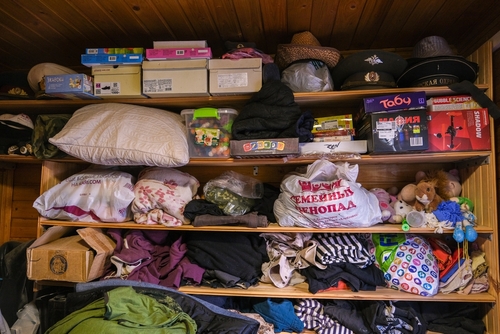
Open shelving looks great in photos, but it can make real homes feel busy if overfilled. When every shelf is packed with decor, books, or miscellaneous objects, your eye has no place to rest. Too many visible items create visual noise that registers as clutter, even when everything is arranged neatly. This makes the overall space feel smaller and more chaotic.
Rotating decor or using closed storage can help break that pattern. Putting only your favorite or most-used items on display keeps shelves from feeling crowded. Closed cabinets hide the everyday items that don’t need to be seen. This balance helps maintain a cleaner, more intentional look.
2. Keeping Counters as “Drop Zones”
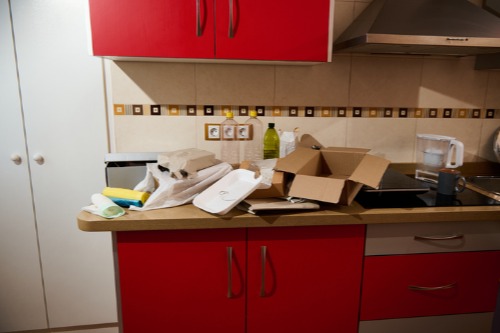
It’s easy to let kitchen counters or entry tables collect keys, mail, or half-finished tasks. Over time, these small items visually crowd the space, even if the area is technically clean. A flat surface sprinkled with unrelated objects pulls attention in too many directions. That’s why even a tidy home can feel cluttered when surfaces aren’t kept clear.
This habit also signals to others that surfaces are storage, not workspace. Once that pattern sets in, the pile grows faster than you expect. A designated bowl for keys or a mail basket helps redirect the clutter. Creating a simple rule like “nothing stays on the counter overnight” can make the whole room feel calmer.
3. Keeping Packaging on Items That Don’t Need It
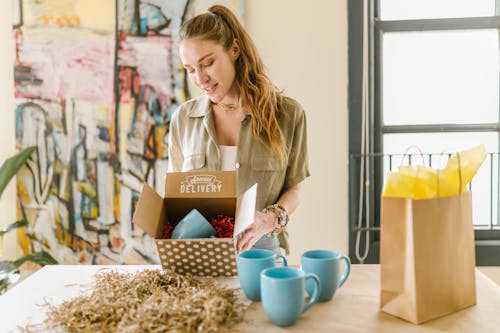
Leaving products in their original packaging takes up space and adds unnecessary visual bulk. Pantry staples, toiletries, and cleaning supplies all look busier when their bright labels compete for attention. Even if the area is organized, the packaging itself can create a cluttered feel. Removing it streamlines surfaces and drawers instantly.
Decanting frequently-used items into clear or neutral containers helps reduce visual noise. It also makes it easier to see when you’re running low on something. This simple switch cuts down on the “messy” look without requiring a major decluttering session. Just be sure to keep labels so you don’t confuse similar items.
4. Not Having a System for Incoming Paper

Paper clutter builds quietly because it arrives every day in small amounts. Bills, school forms, receipts, and mail can spread across a home in just a couple of days. When these documents don’t have a landing spot, they create scattered piles that make rooms look disorganized. Even if nothing else is messy, paper piles give the impression of chaos.
A simple tray or file organizer gives each type of paper a home. Sorting everything once a week prevents it from becoming overwhelming. A shredder or recycling bin nearby helps you deal with unneeded documents immediately. Having this routine keeps paper from taking over your counters and tables.
5. Holding Onto Duplicates “Just in Case”

Extras like spare scissors, extra blankets, or backup kitchen tools seem harmless. But keeping lots of duplicates increases the number of items you’re constantly managing. These multiples fill drawers, shelves, and closets until they overflow or become difficult to navigate. That visual and physical bulk makes the home feel cluttered even if items are neatly stored.
Evaluating which duplicates you actually use helps reduce that load. Keeping one or two favorites and donating the rest frees up valuable space. This also makes it easier to find what you need quickly. Over time, the reduced volume brings a noticeable sense of order.
6. Leaving Laundry Out Too Long
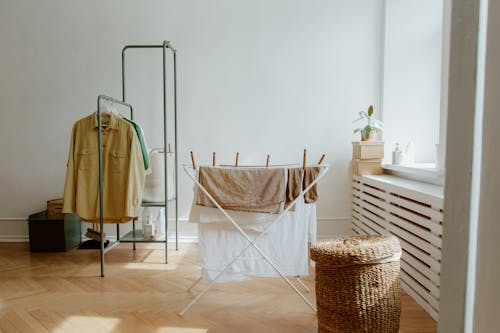
A laundry basket sitting in the living room or a pile of clothes in the bedroom adds instant clutter. These items are soft and slumpy, which naturally makes a space look messier. Even clean laundry can make a room feel undone if it hangs around too long. It signals that there’s an unfinished task always waiting in the background.
Turning laundry into a same-day routine keeps it from spilling into your actual living space. Folding and putting clothes away promptly prevents buildup. It also helps maintain clearer surfaces and floors. This small change can make the whole home feel more finished.
7. Overusing Decorative Pillows and Throws
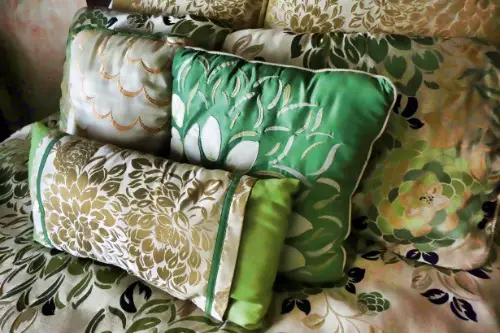
Throw pillows and blankets are cozy, but they can take over more quickly than people realize. When a sofa is covered in pillows, the space looks crowded instead of comfortable. It takes extra effort to sit down, which makes the room feel less functional. Too many soft accessories add visual clutter and make daily routines feel cumbersome.
Limiting pillows to a few favorites keeps the space welcoming. Choosing a single throw instead of several creates a cleaner, more intentional look. Editing these pieces seasonally also keeps the space from feeling stale. A lighter touch gives the room more breathing room.
8. Not Emptying Bags After Use
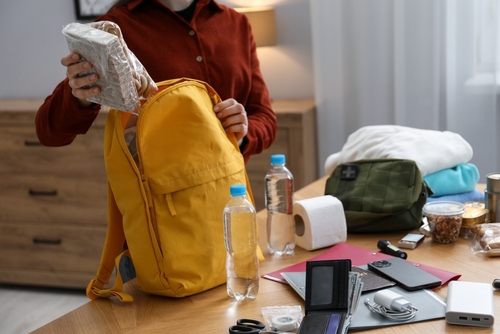
Totes, backpacks, and purses often become mobile storage units. When they’re not emptied regularly, their contents spill into entryways and bedrooms. Items like receipts, snacks, chargers, and personal care products end up everywhere. This creates an ongoing cycle of clutter that’s easy to overlook.
Making a habit of emptying bags at the end of the day keeps stray items from spreading. Designating a tray or hook for essentials helps keep everything centralized. It also prevents accumulation of items you forgot were in the bag. This simple routine keeps clutter from sneaking into multiple rooms.
9. Letting Cords and Chargers Pile Up
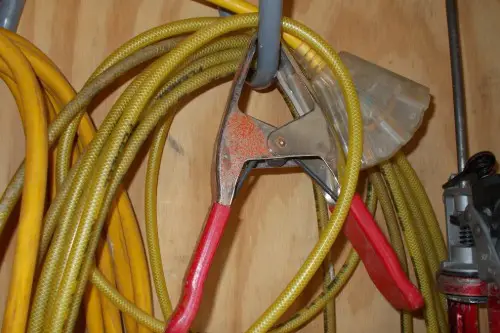
Tech accessories multiply quickly and tend to tangle. Loose cords on counters, nightstands, or floors instantly make a space look disorganized. The visual mess of cables distracts from an otherwise clean room. Even functional areas feel cluttered when cords aren’t managed.
Using cord organizers or a dedicated charging station helps contain the chaos. Labeling chargers also prevents buying unnecessary extras. Tidying cables behind furniture keeps them out of sight. These small steps make tech-heavy areas feel streamlined and intentional.
10. Leaving Small Appliances Out All the Time

Toasters, blenders, and coffee tools take up prime counter space. Even if you use them often, keeping them out can make the kitchen feel overloaded. The more items left out, the less clean the room appears. It also reduces your available workspace.
Storing appliances you use less frequently helps clear visual clutter. Designated cabinet space keeps them accessible without dominating the room. Leaving only daily essentials out creates a more open feel. This shift makes the kitchen both calmer and more functional.
11. Keeping Old or Unused Décor
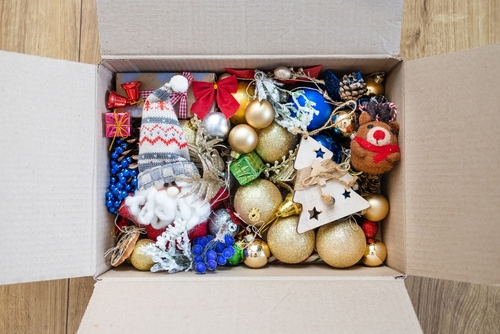
Decorative items have sentimental value, but they can accumulate quickly. When old pieces stay up alongside new ones, the mix can feel visually overwhelming. Too many decorations compete for attention, making the space feel busy. Even beloved pieces can add to clutter when there are simply too many of them.
Rotating décor keeps rooms fresh without overcrowding them. Choosing a few standout items helps highlight your personal style more effectively. Storing seasonal pieces also prevents year-round visual heaviness. This selective approach makes the room feel intentional rather than chaotic.
12. Not Reassessing Storage Over Time

A system that worked five years ago might not suit your current lifestyle. When storage isn’t updated, items spill out or become hard to access. This leads to piles forming on floors and surfaces, creating visible clutter. The home then feels cramped even when you’re not accumulating more stuff.
Revisiting storage once or twice a year helps keep systems working smoothly. Adjusting bins, shelves, and drawers ensures they match your current habits. This prevents buildup and makes daily routines easier. A little maintenance goes a long way in keeping the house uncluttered.
This post 12 Everyday Habits That Accidentally Make a House Feel Cluttered was first published on Greenhouse Black.
