
1. Handheld Vacuum Cleaners

Compact vacuums rely on lithium-ion batteries, which face supply constraints tied to global electronics production. As battery demand grows, manufacturers push higher prices into every battery-dependent product. Even entry-level models may start creeping into luxury pricing. A quick cleanup tool could soon feel like an investment.
Brands have also been adding “smart” features that raise production costs. This can push older, simpler models off the market. As those disappear, the only options left may be pricier alternatives. Quietly, a basic household tool becomes a premium appliance.
2. Stainless Steel Cookware
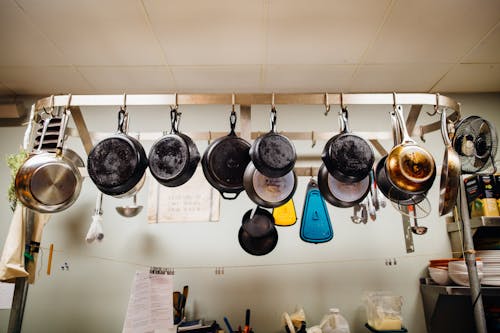
Stainless steel depends on chromium and nickel—two metals experiencing supply fluctuations due to mining restrictions and geopolitical factors. As those materials become more controlled, prices for even mid-range cookware could jump. We’ve already seen gradual increases in metal goods, and cookware tends to reflect those trends quickly. So your favorite saucepan might soon cost what a full set used to.
What used to be basic home essentials might shift into “investment piece” territory. People may start choosing cheaper, coated alternatives that don’t last as long. Ironically, the longest-lasting option could become the least accessible for many households. If durability becomes rare, stainless steel will likely be treated like a lifetime purchase.
3. Real Wood Furniture

Deforestation concerns and stricter sustainability guidelines are making real wood more expensive to harvest and certify. That means mass-market retailers are shifting toward engineered and composite materials. While those can look nice, they don’t have the same longevity or repairability as solid wood. So a simple oak nightstand could start to feel like a status symbol.
Consumers have already noticed the gap widening between solid wood and MDF pieces. Transportation costs add another layer because lumber is heavy to ship. Add in skilled labor for woodworking, and prices climb quickly. Soon, real wood might be something you mention when guests compliment your furniture.
4. Ceramic Mugs

Ceramic requires specific clays and firing temperatures that rely heavily on fuel costs. As energy prices rise, manufacturers may push consumers toward cheaper polymers. What used to be a $5 impulse buy could creep towards “artisan” pricing even at big-box stores. Your morning coffee might come with a price tag you didn’t see coming.
Small ceramic studios have already seen big increases in operating costs. When major producers follow, affordability disappears quickly. Even something as simple as replacing chipped mugs could feel indulgent. Everyday rituals start feeling slightly more elevated—but also more expensive.
5. Shower Heads with Metal Components

Manufacturers are increasingly cutting back on metal content to save costs, replacing brass with plastic. As durable metal versions become rarer, they’ll naturally become pricier. Metal shower heads also resist corrosion better, which will drive demand for the few that remain. So a sturdy bathroom staple may turn into a “premium upgrade.”
This shift is already visible in the quality range available on hardware shelves. If you’ve noticed how lightweight shower fixtures are becoming, that’s why. Over time, true metal construction may be marketed like a luxury finish. It’s a small detail, but it can transform the perceived value of a home.
6. Glass Storage Containers
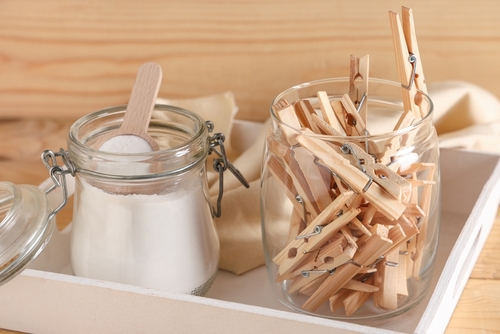
Glass manufacturing relies on sand that must meet certain purity levels, and high-grade sand is surprisingly scarce. As global construction demands increase, the price of silica has inched upward. This puts pressure on even small household items like storage sets. The kind you toss leftovers into might soon feel too pricey to lose.
Many households switched to glass for health and environmental reasons. But as costs go up, plastic will likely dominate again. Glass’s weight also increases shipping expenses, which only makes the trend worse. Before long, a matching glass set may feel like something you protect, not casually use.
7. Quality Towels

Cotton-based products like towels face similar supply constraints as bedsheets, but the twist is that towels require even more fiber density. This makes them especially vulnerable to material shortages. As manufacturers try to cut costs, thickness and absorbency will likely drop. That means plush, hotel-style towels could become noticeably more expensive.
If you’ve recently bought towels that feel thinner, you’ve already seen the shift. Import costs also play a major role since textiles often travel long distances. As transportation prices fluctuate, retailers adjust their pricing quickly. Soon, having thick, ultra-soft towels may feel like a personal luxury.
8. Non-Toxic Cleaning Sprays

Cleaning products made with plant-based surfactants rely on agricultural ingredients that fluctuate with crop yields. When harvests dip, these consumers feel the pinch first. Demand has also increased dramatically as households avoid harsh chemicals. All of this positions them for a sharp price rise.
While synthetic cleaners remain cheaper, many people prefer the gentler options. As the market grows, companies may rebrand these items as “premium wellness.” Packaging upgrades and targeted marketing only raise the baseline price. What once felt like a simple choice might become a budget-stretching one.
9. Traditional Alarm Clocks

Fewer people buy standalone alarm clocks now that phones exist, so production volumes have dropped. Low demand means higher per-unit manufacturing costs. Some brands have already pivoted toward retro “aesthetic” models at boutique prices. A previously humble bedside item may be sold like functional décor.
Collectors and design-lovers might accelerate this trend. The fewer factories that produce these clocks, the more niche they become. Niche products almost always climb in price over time. One day, a reliable analog clock may feel like a curated purchase.
10. High-Quality Cotton Bedsheets
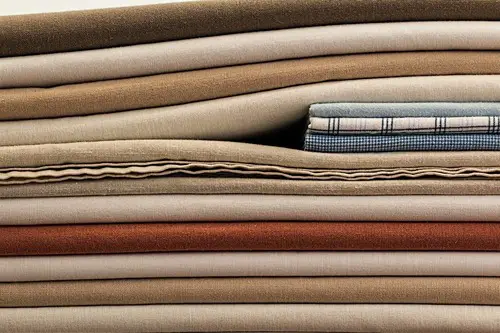
Cotton production has been facing increased pressure from drought and soil depletion, meaning premium cotton is already getting harder to source. As global textile mills shift to synthetic blends, 100% long-staple cotton sheets could spike in price simply because fewer manufacturers make them. Add in rising energy costs for textile processing, and it’s easy to see how these could creep into “luxury” territory. If you love crisp hotel-style bedding, it might become something you brag about owning.
What’s wild is that many people don’t realize how resource-intensive cotton actually is. The amount of water required to produce one set of sheets could fill a small pool, depending on the region. As climate volatility increases, costs trickle straight to consumers. So that everyday bedsheet set might one day feel like a splurge.
11. Quality Kitchen Knives

High-carbon steel and skilled blade manufacturing are becoming more expensive due to raw material limitations and labor costs. Even mid-range knives are seeing slow price increases. Professional chefs already treat knives like investments, and home cooks may have to do the same. A dependable chef’s knife could jump into luxury pricing quickly.
Supply chain disruptions have also affected sharpening tools and accessories. As maintenance gets pricier, fewer people buy high-end blades. This reduces volume and further increases costs, creating a cycle. Eventually, a sharp, well-balanced knife may be something you proudly show off.
12. Natural Fiber Rugs

Wool, jute, and sisal fibers fluctuate based on agricultural conditions. Climate impacts have reduced yields in some regions, raising prices on natural rugs. Since synthetic rugs are cheaper to make, many retailers are shifting focus. Natural options will likely feel increasingly premium.
These rugs also require careful craftsmanship, which adds labor costs. As artisan production becomes more niche, prices only rise. Importing heavy rugs also adds shipping expenses. Soon, something you toss under the coffee table could come with a luxury-level price tag.
13. Basic Laundry Detergent Pods
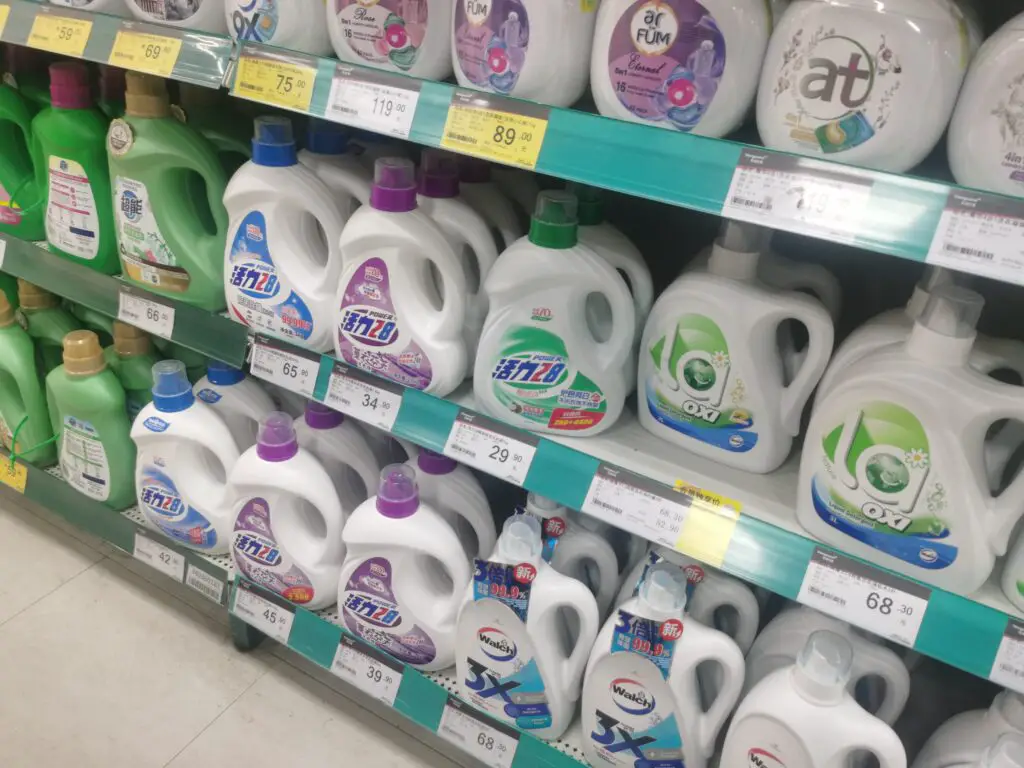
The plastic-free, pre-measured pod manufacturing process uses specialized machinery and materials. Any disruption to those materials—particularly dissolvable film—pushes prices upward. Detergent companies may reclassify pods as “convenience luxury” items compared to liquid. That shift alone could inflate prices quickly.
Consumers tend to stick with pods once they start, which increases demand. If demand stays high, companies feel justified in raising prices. Add in fragrance ingredients and packaging costs, and the margin grows. Eventually, pods might feel like a small but notable splurge in your grocery cart.
14. Houseplants
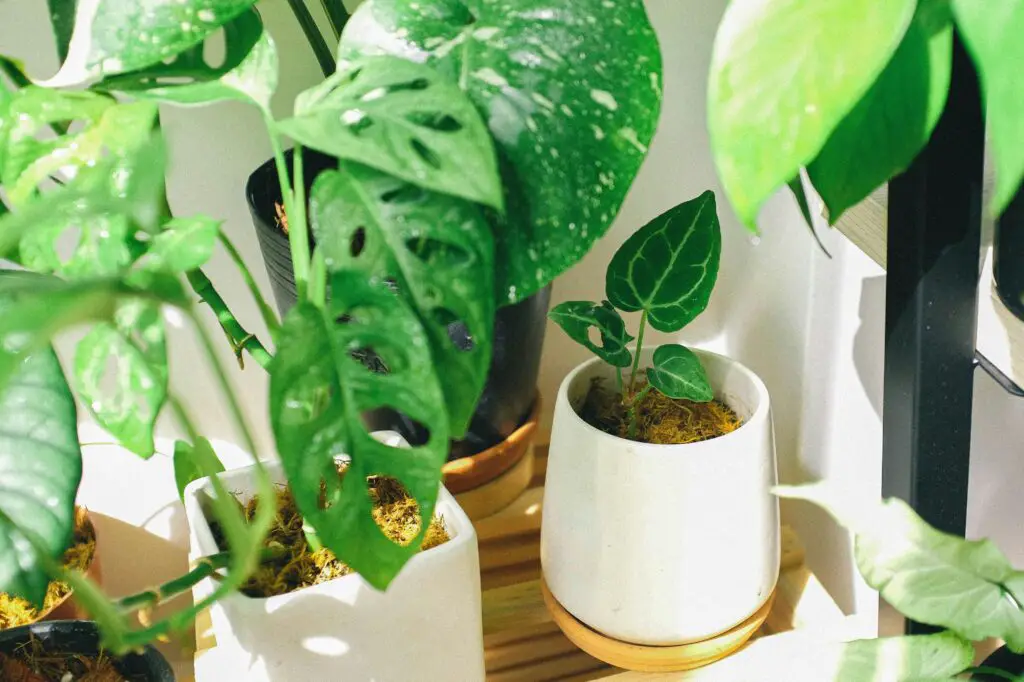
Nurseries have already seen increased demand for indoor plants, which pushes up pricing during supply shortages. Many species take years to grow into mature, sellable sizes. As climate issues affect growers, fewer plants reach stores in top condition. Those that do become more expensive.
Transporting fragile plants also increases costs because of breakage and temperature control. As more people adopt plant-filled décor, demand outpaces supply. This creates a market where even simple greenery feels elevated. Before long, owning a thriving monstera may feel like owning a designer accessory.
15. Refillable Water Bottles
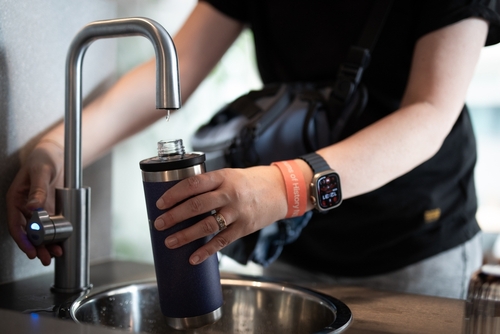
High-quality bottles rely on stainless steel or BPA-free plastics, both of which face fluctuating production costs. Branding trends have also pushed many companies into “premium lifestyle” territory. This means prices rise even when materials don’t. A bottle once considered an eco-friendly basic might soon be tagged as a luxury wellness item.
As styles and coatings improve, costs naturally increase. Consumers are drawn to insulated models, which require more complex manufacturing. Shipping heavy steel bottles also adds expense. Over time, these small cost hikes stack until an everyday item feels unusually pricey.
This post 15 Everyday Home Items Predicted to Become “Luxury” Overnight was first published on Greenhouse Black.
