
1. Avocado-Green Kitchen Appliances

If you grew up in the 70s, you probably remember avocado-green refrigerators and stoves as something you couldn’t escape. Brands like General Electric, Frigidaire, and Westinghouse produced these appliances in massive numbers throughout the decade. At the time, the color was marketed as modern and earthy rather than trendy. Today, that instantly recognizable shade makes them unmistakably of their era.
They’ve become investment pieces because designers restoring period-correct kitchens want authenticity. Working examples with original knobs, handles, and trim are increasingly scarce. Collectors especially value gas ranges and refrigerators that haven’t been retrofitted. Prices rise sharply when appliances are fully functional and cosmetically clean.
2. Eames Fiberglass Side Chairs
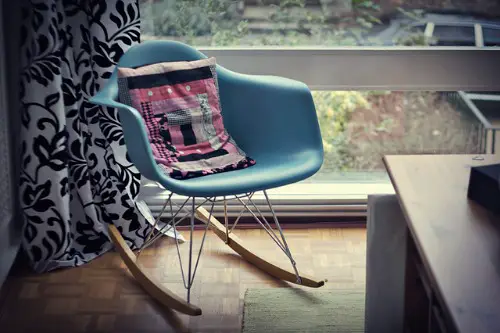
Eames fiberglass chairs were everywhere in schools, offices, and homes during the 70s. Herman Miller continued producing them in colors like harvest gold, orange, and olive well into the decade. Many people sat on them daily without thinking twice about their design pedigree. At the time, they were practical seating, not collector items.
Original fiberglass shells are now prized because production materials later changed. Early shells have visible fibers and deeper color saturation than modern versions. Sets with original metal bases and intact shock mounts command strong prices. Their value comes from being both iconic design objects and genuinely usable furniture.
3. Sony Trinitron Televisions

Sony’s Trinitron televisions were considered premium electronics in the 1970s. They introduced a single-gun color display that delivered sharper images than competitors. Families often treated them as a major household investment. Many were housed in woodgrain cabinets that matched contemporary furniture.
Today, collectors want early Trinitron models for both performance and nostalgia. Retro gaming enthusiasts prize them for their accurate color and motion handling. Fully working sets with intact screens are increasingly rare. Their investment value comes from technical innovation paired with 70s industrial design.
4. Pioneer Stereo Receivers

Pioneer receivers like the SX series dominated living rooms in the 1970s. They were known for brushed aluminum faces, blue-lit dials, and solid build quality. Music lovers relied on them for vinyl, radio, and early cassette setups. They were expensive but aspirational electronics.
These receivers are now highly collectible because they were overengineered compared to modern gear. Restored units with original knobs and faceplates fetch high prices. Audiophiles value their warm analog sound. Their status as investment pieces comes from durability and timeless design.
5. Corelle Patterned Dishware

Corelle dishware exploded in popularity during the 1970s thanks to its lightweight durability. Patterns like Butterfly Gold, Spring Blossom Green, and Snowflake Blue became household staples. Many families used these dishes daily for decades. At the time, they were marketed as nearly unbreakable.
Certain discontinued patterns are now surprisingly valuable. Complete sets in good condition are harder to find than you might expect. Nostalgia plays a huge role, especially for people recreating childhood kitchens. Their investment appeal lies in pattern rarity and condition rather than age alone.
6. LEGO Sets From the Pre-Minifigure Era
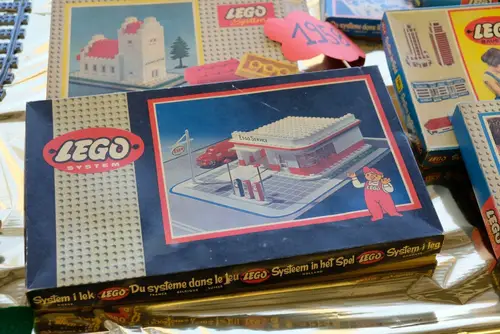
LEGO sets in the early 1970s looked very different from today’s versions. Many lacked minifigures and focused on simple structures and vehicles. Sets were often dismantled and mixed into toy bins. Original boxes were rarely saved.
Surviving complete sets are now extremely collectible. Early packaging and instruction manuals add significant value. Collectors prize these sets for representing LEGO’s transitional design period. Their investment status comes from scarcity and brand longevity.
7. Tupperware Storage Sets

Tupperware was a cultural phenomenon in the 1970s. Brightly colored bowls and containers filled kitchen cabinets across North America. Pieces were often sold through home parties rather than stores. They were designed to be practical, not precious.
Certain discontinued colors and shapes are now sought after. Complete nesting sets with lids are especially valuable. Condition matters, as staining and warping reduce desirability. Their investment appeal comes from nostalgia combined with iconic industrial design.
8. Seiko Automatic Watches
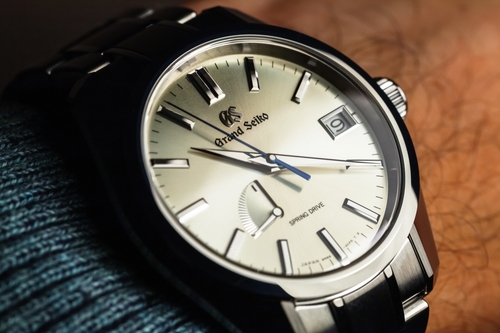
Seiko produced a wide range of automatic watches during the 1970s. Many featured bold cases, colorful dials, and experimental designs. These watches were affordable alternatives to Swiss brands at the time. Owners wore them daily without thinking of long-term value.
Collectors now recognize their technical innovation and reliability. Models like the Seiko 5 and early divers have strong followings. Original dials, hands, and movements are critical for value. Their rise as investment pieces reflects renewed interest in vintage Japanese watchmaking.
9. Pyrex Mixing Bowls in Earth Tones
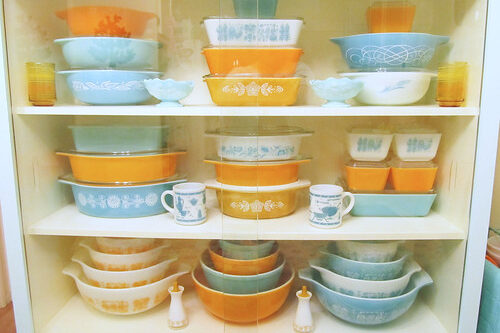
Pyrex mixing bowls were kitchen essentials throughout the 1970s. Earth-tone colors like brown, orange, and gold matched contemporary decor. They were used heavily and often stacked together. Many sets lost pieces over time.
Complete sets in specific colorways are now collectible. Some patterns were produced for only a few years. Collectors value bowls with bright, unfaded colors. Their investment value comes from scarcity and visual nostalgia.
10. Atari 2600 Consoles
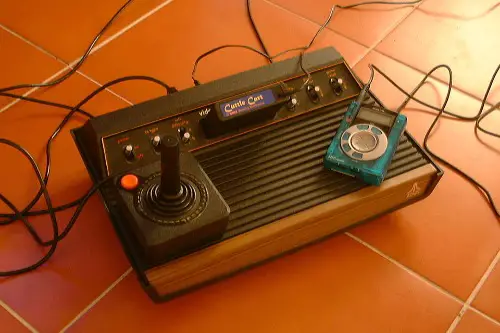
The Atari 2600 helped bring video games into homes in the late 1970s. It introduced millions of people to cartridge-based gaming. At the time, it was considered cutting-edge entertainment. Many systems were heavily used by kids.
Working consoles with original packaging are now valuable. Certain game cartridges add significant worth when bundled. Retro gaming culture has fueled demand. Their investment status comes from historical importance and cultural impact.
11. Rattan and Wicker Furniture
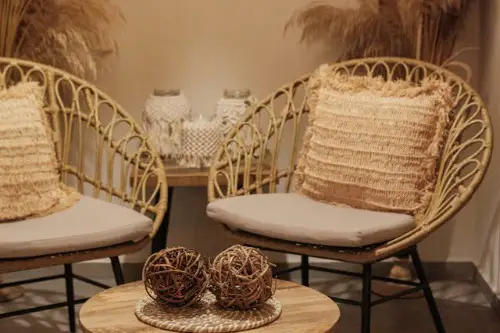
Rattan and wicker furniture was a staple of 70s interiors. It appeared in sunrooms, living rooms, and apartments alike. The style fit perfectly with the decade’s relaxed, natural aesthetic. Many pieces were lightweight and affordable.
Original 1970s examples are now popular again. Designers seek them for bohemian and mid-century inspired spaces. Well-preserved frames and original cushions increase value. Their investment appeal lies in renewed design relevance.
12. Ceramic Table Lamps With Glazed Bases
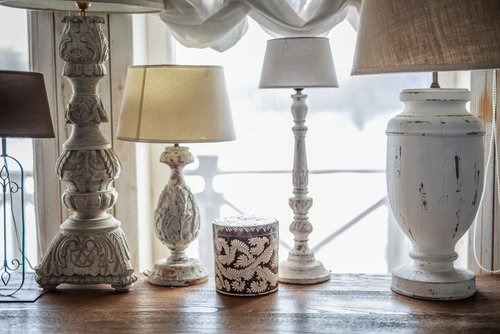
Ceramic lamps with thick, glossy bases were everywhere in the 1970s. Colors ranged from mustard yellow to burnt orange and deep brown. They were often handmade or produced in small runs. Shades were frequently replaced over time.
Collectors now seek lamps with original bases and wiring. Certain studio pottery makers have become especially desirable. The sculptural quality adds to their appeal. Their investment value comes from craftsmanship and era-specific style.
This post Everyday Objects From the 70s That Are Suddenly Investment Pieces was first published on Greenhouse Black.
