
1. Baby formula varieties

Baby formula never stopped being produced, but certain varieties became hard to find. Manufacturing shutdowns and recalls narrowed the number of available brands and types. Parents often had to switch formulas unexpectedly. Even after production resumed, selection remained uneven.
The scarcity is especially stressful because substitutes aren’t always acceptable. Specialized formulas for allergies or sensitivities are the hardest to locate. Stores may have formula, just not the one you need. That gap is what parents feel most acutely.
2. Helium-filled balloons

Party balloons look carefree, but the helium inside them has been increasingly hard to come by. Helium is a finite resource pulled from natural gas extraction, and supply disruptions have caused repeated global shortages. Hospitals and semiconductor manufacturers get priority, leaving party stores rationing tanks. That’s why balloon prices jumped and selections quietly shrank.
Unlike shortages that resolve quickly, helium scarcity keeps returning. Suppliers cycle through brief periods of relief followed by renewed constraints. Some stores now limit how many balloons they’ll fill per customer. You may not notice until your party arch costs double what it used to.
3. Incandescent light bulbs

Traditional incandescent bulbs didn’t vanish overnight, but they’ve steadily disappeared from store shelves. Energy-efficiency regulations phased out most general-purpose incandescents in favor of LEDs. Retailers stopped restocking slow-moving bulb types long before the rules fully kicked in. What’s left tends to be specialty bulbs at higher prices.
This feels like scarcity because the bulbs still exist in theory. You might find them in appliance bulbs or niche online listings. But the grab-a-pack convenience is gone for most shoppers. LEDs work well, yet the familiar warm glow is harder to buy on impulse.
4. Physical newspapers

Print newspapers still exist, but finding one has become surprisingly difficult. Many publications reduced print days or eliminated single-copy sales altogether. Newsstands closed as foot traffic declined, shrinking distribution points. What used to be everywhere is now confined to a few locations.
The paper itself isn’t scarce; access is. Morning routines changed quietly as subscriptions went digital. Travelers notice this most when hotels stop offering lobby papers. The object didn’t disappear, but it retreated from daily life.
5. Printer paper in bulk packs
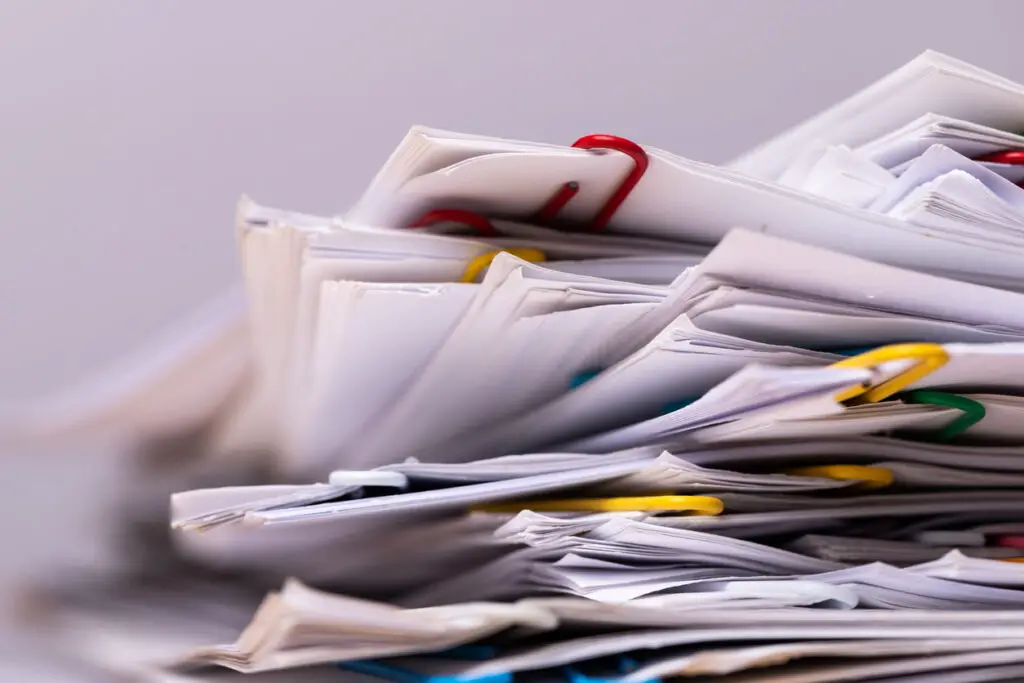
Printer paper seems basic, yet bulk availability has become less predictable. Supply chain disruptions and higher pulp costs made manufacturers cautious about large-volume discounts. Offices shifted toward digital workflows, reducing steady demand signals. Retailers now stock smaller quantities more often.
When demand spikes, shelves empty faster than they used to. The paper returns, but pricing often stays elevated. This creates a sense that paper is always “about to run out.” It’s less a crisis and more a constant low-level squeeze.
6. Loose change (especially quarters)
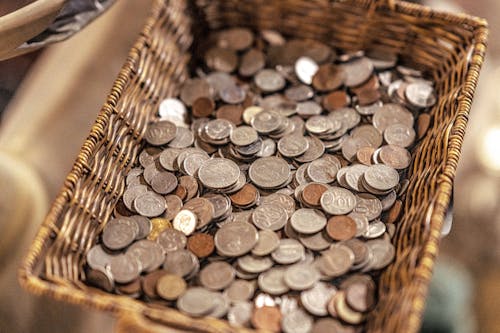
If you’ve tried to break a bill lately, you may have noticed how hard it is to get exact change back. Coins didn’t disappear, but circulation slowed dramatically when people stopped using cash as often. Vending machines, laundromats, and parking meters still rely on quarters, which keeps demand stubbornly high. Banks can usually order rolls, but spontaneous pocket change has become oddly rare.
What makes this scarcity quiet is that the mint kept producing coins the whole time. The problem was movement, not manufacturing, because coins stayed in jars and drawers instead of flowing through stores. Many retailers posted “exact change appreciated” signs that never fully came down. Even now, you’re more likely to get rounded totals than jingling coins.
7. Spare car keys

Getting a replacement car key used to be quick and relatively cheap. Modern keys contain chips and programming that depend on limited semiconductor supplies. During chip shortages, replacements took weeks instead of days. Dealerships quietly warned customers to guard their keys carefully.
Even now, costs remain higher than expected. Third-party locksmith options are more limited for newer models. Losing a key feels riskier than it once did. The object didn’t change, but its availability did.
8. Compact cars with manual transmissions

Manual transmissions weren’t banned, but they’ve become genuinely hard to find. Automakers prioritized higher-margin vehicles during supply constraints. Smaller, simpler cars were often the first to be cut. Manuals suffered further because demand was already niche.
For buyers who want affordability and control, options are slim. You can still order one, but inventory on lots is scarce. Waiting lists replaced casual test drives. It’s a quiet shift driven by economics, not regulation.
9. Public payphones
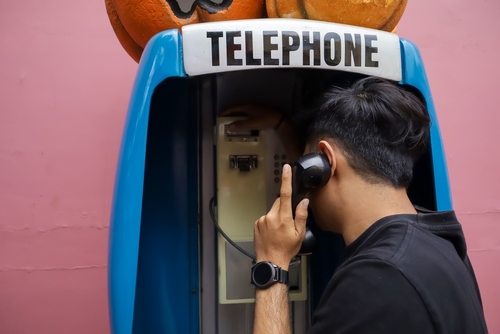
Payphones haven’t been formally eliminated everywhere, yet they’re disappearing block by block. Maintenance costs and vandalism made them unprofitable long before smartphones took over. Municipalities stopped replacing broken units. What remains often looks abandoned.
You don’t miss them until you actually need one. Dead phone batteries make their absence obvious. Finding a working payphone now feels like discovering a relic. The scarcity crept in as cities quietly opted out.
10. Free plastic shopping bags
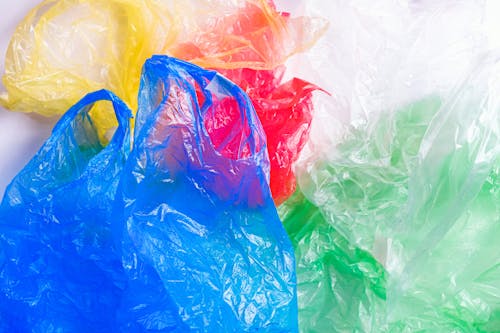
Plastic bags didn’t vanish all at once, but free ones largely did. Regulations and retailer policies phased them out in many regions. Stores switched to paper bags or reusable options with fees. The transition happened gradually, aisle by aisle.
This makes plastic bags feel scarce even though they’re still manufactured. You may see them behind the counter or sold in packs. Forgetting your reusable bag now has a cost. What was once assumed is now optional.
11. Windshield washer fluid in winter blends
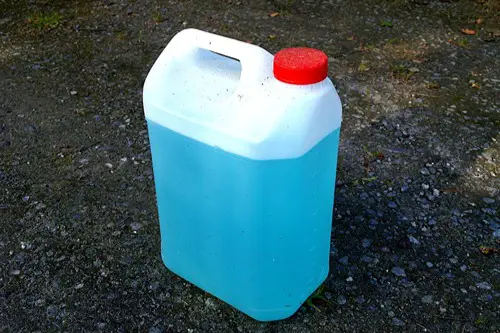
Winter washer fluid relies on specific alcohol formulations that faced supply issues. Transportation disruptions and chemical shortages reduced availability during cold seasons. Stores often ran out during the first freeze. Refills came back slowly and unpredictably.
Drivers noticed only when reservoirs ran dry. Summer fluid was easy to find, but winter blends weren’t. This made a routine maintenance item suddenly feel precious. Stockpiling became a quiet habit.
12. DVD and Blu-ray players

Streaming didn’t eliminate disc players, but it made them harder to find. Manufacturers cut back production as demand declined. Retail shelf space shifted toward smart devices instead. You often have to search online for a basic player now.
The discs themselves still exist in libraries and collections. What’s scarce is the hardware to play them. Prices didn’t crash; availability did. Physical media quietly became a commitment.
13. Home repair contractors’ basic materials

Common items like lumber, insulation, and wiring never disappeared entirely. Price spikes and supply delays made contractors ration projects. Smaller jobs were postponed because materials weren’t worth sourcing. Homeowners felt the scarcity indirectly through scheduling.
Even when materials returned, costs stayed elevated. Contractors adjusted bids instead of inventories. This made everyday repairs feel harder to initiate. The objects were there, just not easily accessible.
14. Cheap reading glasses

Low-cost reading glasses used to be everywhere at checkout counters. Rising manufacturing and shipping costs reduced ultra-cheap options. Retailers consolidated styles and strengths to fewer SKUs. The $1 impulse pair became harder to spot.
Glasses still exist, but choice narrowed quietly. Finding the right strength now takes more searching. Online options help, but immediacy is gone. It’s a small inconvenience that adds up over time.
This post 14 Everyday Objects That Quietly Became Scarce was first published on Greenhouse Black.
