
1. Vintage Costume Jewelry That Turns Out to Be Designer
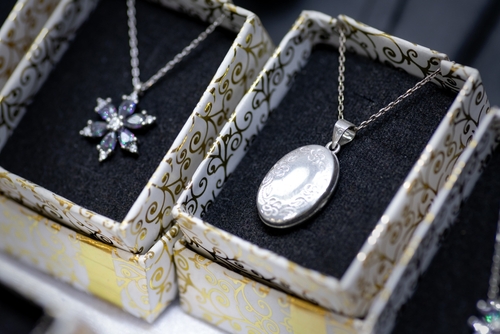
A tray of tangled costume jewelry might not look like much at first glance. But every so often, a careful look reveals a signature or hallmark from a well-known mid-century designer. Names like Miriam Haskell or Trifari sometimes appear on pieces that casual sellers assume are just cheap accessories. That small stamp can turn a dollar-bin necklace into something collectors actively hunt for.
Many flea markets attract sellers who clear out estates without checking every clasp and backing. Vintage costume jewelry from the 1930s through the 1960s was often handmade and produced in limited runs. Because of that, condition and maker marks matter far more than sparkle. A quick flip of a brooch or bracelet can completely change the value story.
2. Old Cameras With Collectible Lenses
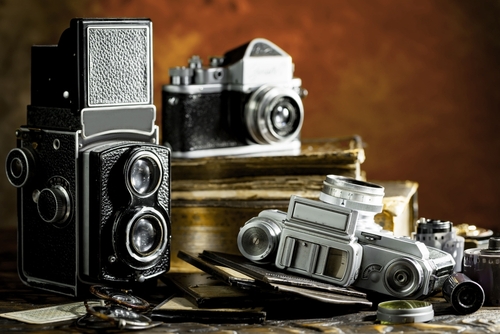
At first glance, an old film camera can look like a dusty relic from a technology nobody uses anymore. The real treasure, however, is often the lens attached to it. Certain vintage lenses are prized by photographers who adapt them to modern digital cameras. Sometimes the lens alone is worth several times what the entire camera sells for at a flea market.
Collectors frequently look for brands like Leica, Canon, or Nikon, especially models produced in the 1950s through the 1980s. The glass quality and unique rendering of these lenses give photos a look that modern lenses don’t always replicate. Sellers who price the camera as a simple decorative object may not realize what they’re offering. A quick look at the model number etched around the lens ring can reveal a hidden gem.
3. Cast Iron Cookware With Historic Brand Marks
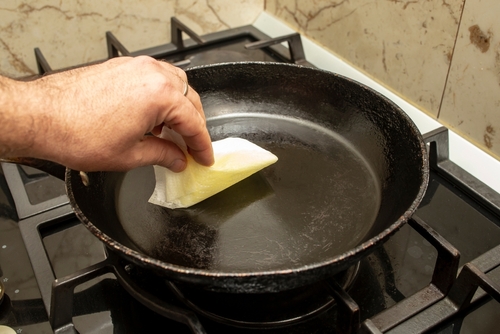
A rusty skillet buried under other kitchenware doesn’t exactly scream “valuable.” But flip it over and you might see a familiar mark like Griswold or Wagner cast into the bottom. Those brands produced American cast iron cookware in the late 19th and early 20th centuries, and collectors love them. Even heavily used pieces can be restored with a little cleaning and seasoning.
Older cast iron was often cast thinner and smoother than many modern pans. That makes it lighter, more evenly heated, and easier to cook with. Flea market vendors sometimes lump all cast iron together without checking the maker’s mark. A skillet that looks like a $5 pan can actually be worth far more to collectors and serious cooks.
4. Vintage Board Games With Complete Pieces
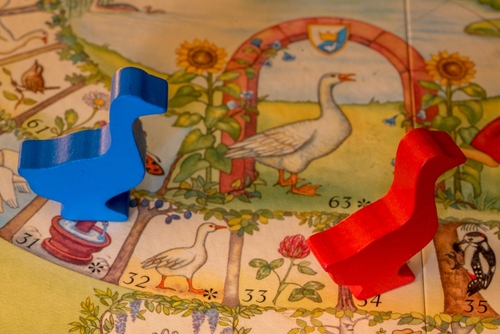
Stacks of old board games often sit ignored at flea markets because buyers assume pieces are missing. Many people pass them by without opening the box. But occasionally, a game from the 1960s or 1970s is still completely intact. When that happens, collectors of vintage toys and games start paying attention.
Certain editions of games like early Monopoly sets or out-of-print titles have developed a following. The artwork, packaging, and nostalgic appeal make them appealing display items as well as playable games. Condition and completeness matter a lot in this category. Taking a minute to check the contents list inside the box can reveal a surprisingly collectible item.
5. Mid-Century Pottery That Looks Like Everyday Dishes
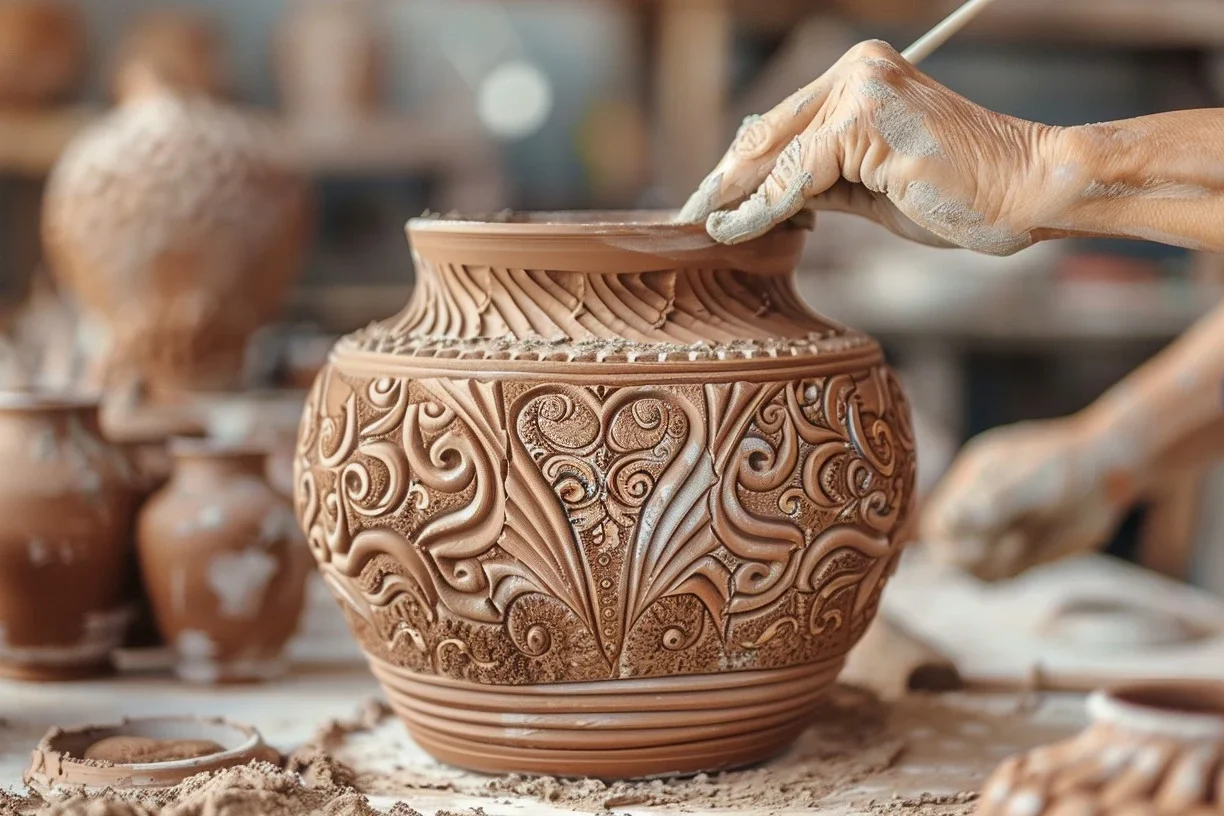
A simple ceramic bowl might appear to be just another piece of kitchenware. But mid-century studio pottery and designer ceramics can blend in easily with ordinary household dishes. Makers like Russel Wright or Edith Heath created pieces that were meant to be used daily. That understated style is exactly why people overlook them at flea markets.
Many of these designs came from the 1940s through the 1960s during the boom of modern American home design. Today they appeal to collectors interested in mid-century aesthetics. A quick check for a stamped or impressed maker’s mark on the bottom can tell you a lot. Sometimes the plainest bowl on the table is actually a piece of design history.
6. Old Maps Hidden Inside Book Bins

Boxes of old books rarely attract buyers who are in a hurry. People tend to flip through them quickly or skip them altogether. But occasionally a folded map slips inside a book as a bookmark and stays there for decades. Those forgotten inserts can turn out to be vintage maps worth far more than the book itself.
Historical maps from the early 20th century or earlier can appeal to collectors, educators, and decorators. Rail maps, city planning maps, and wartime maps are especially interesting to buyers. Many flea market vendors sell books in bulk and never inspect each page. That means a careful browser sometimes finds something surprisingly special tucked inside.
7. Military Patches and Insignia in Miscellaneous Boxes
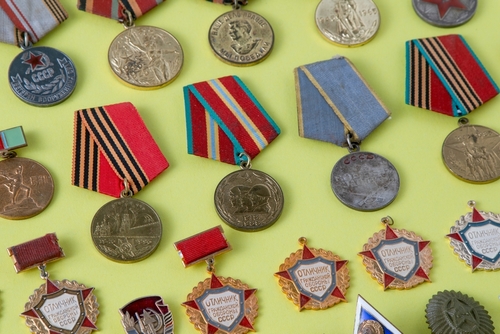
Small boxes labeled “odds and ends” often contain buttons, pins, and random metal pieces. Mixed among them might be authentic military patches or insignia. These items can represent specific units, ranks, or time periods. To collectors of military history, that kind of detail matters a lot.
World War II and Cold War-era insignia are especially popular among collectors. Authentic patches were produced in large numbers but many were lost or discarded over time. Because they’re small and easy to overlook, flea market sellers sometimes price them like costume pins. A closer look at stitching, symbols, and materials can reveal something historically meaningful.
8. Vinyl Records From Early Pressings
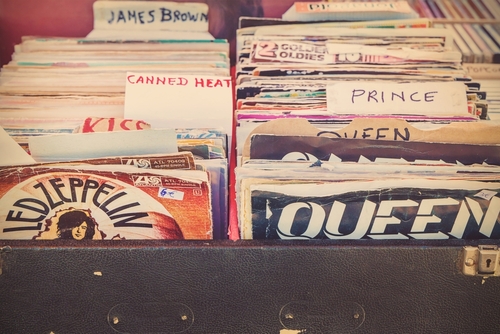
Crates of old records are common sights at flea markets. Many buyers assume they’re full of scratched, unwanted albums. But early pressings of certain records can be quite collectible. The difference often comes down to small details on the label or sleeve.
Collectors pay attention to things like label color, catalog numbers, and printing variations. First or early pressings sometimes sound better because they were produced directly from the original master recordings. Sellers who are just clearing out an attic might price everything the same. That’s how a rare pressing occasionally hides among stacks of ordinary albums.
9. Vintage Advertising Tins
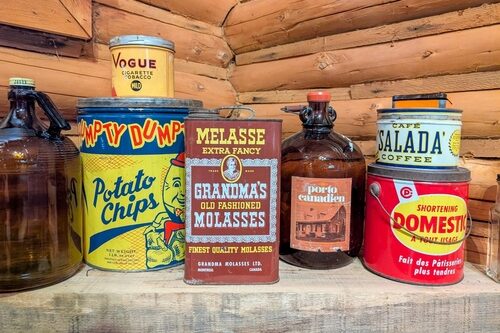
An old metal tin might look like nothing more than a container for cookies or tobacco. However, advertising tins from the late 19th and early 20th centuries have become popular collectibles. Many were produced with colorful graphics meant to catch shoppers’ attention in general stores. Those designs now appeal to collectors and vintage décor enthusiasts.
Brands often changed packaging frequently, which means some designs were only produced briefly. Condition plays a major role, but even worn tins can have charm. Flea market vendors sometimes treat them as simple storage containers. A second look at the graphics and manufacturer can reveal a piece of advertising history.
10. Handmade Quilts With Unique Patterns
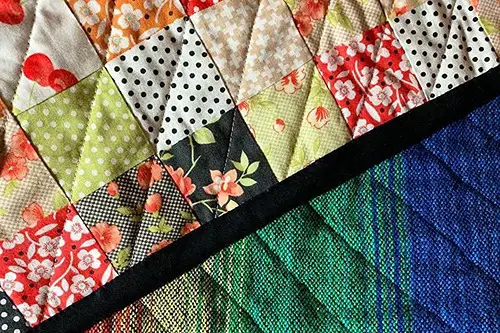
Stacks of blankets at flea markets rarely get detailed inspection from shoppers. Handmade quilts in particular can blend in with ordinary bedding. But some quilts contain patterns that date to specific American quilting traditions. Those patterns can make them interesting to collectors and textile historians.
Quilts made before the mid-20th century often show hand stitching rather than machine work. Fabrics can also reveal clues about the era they were made in. Even quilts with visible wear may still hold value because of their craftsmanship. A closer look at stitching and pattern layout can reveal a surprisingly rich backstory.
11. Mechanical Watches That Just Need Servicing
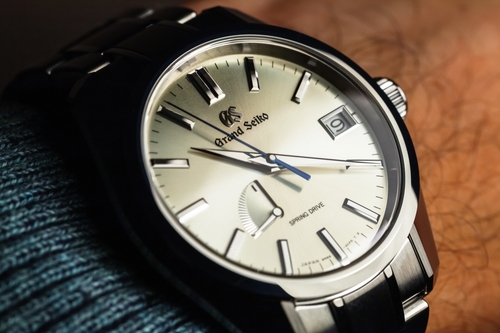
A non-working watch in a flea market tray might seem like junk. Many buyers assume the movement is broken beyond repair. But mechanical watches often stop simply because they need cleaning or lubrication. With servicing, they can start ticking again.
Brands like Seiko, Omega, and Longines produced durable mechanical watches for decades. Even modest models can attract collectors if they’re authentic and mostly intact. Flea market sellers sometimes lump them together with costume watches. A careful look at the dial, case back, and movement can reveal a quality timepiece.
12. Vintage Tools With Long-Lasting Craftsmanship
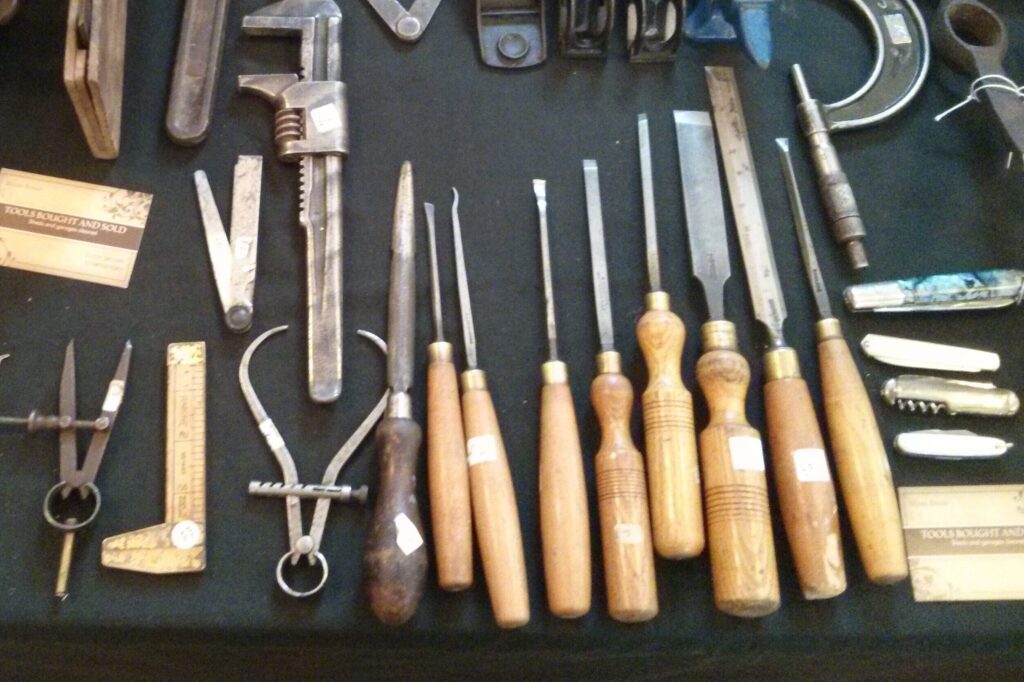
Old hand tools can look worn out after years in a garage or workshop. Rust and wooden handles make them seem past their prime. But many tools from the early 20th century were made with exceptional steel and craftsmanship. Woodworking tools in particular often age better than modern equivalents.
Brands like Stanley and Disston built reputations on durability and precision. Collectors and hobbyists still seek out these tools because they can be restored and used again. Flea market sellers may price them as scrap or décor. A closer look at maker marks and construction can reveal tools that are still highly respected.
13. Antique Keys With Decorative Designs
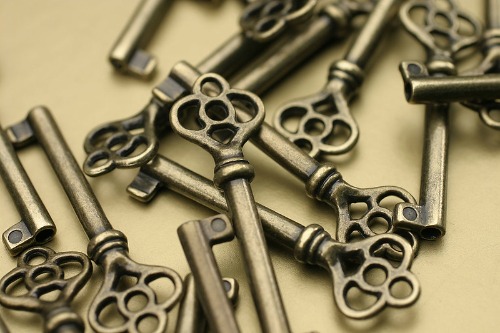
A small pile of old keys might not seem exciting at first. Most people assume they’re useless without the locks they once opened. However, antique skeleton keys have become popular collectibles and decorative items. Their shapes and designs can vary widely depending on the era they were made.
Keys from the 19th and early 20th centuries often feature ornate bows and distinctive shafts. Some collectors focus on specific types, such as furniture keys or clock keys. Because they’re so small, flea market vendors often toss them into miscellaneous bins. Taking a second look can uncover surprisingly beautiful pieces of everyday history.
This post Flea Market Finds That Only Look Valuable After a Second Look was first published on Greenhouse Black.
