
1. Ceramic Figurines
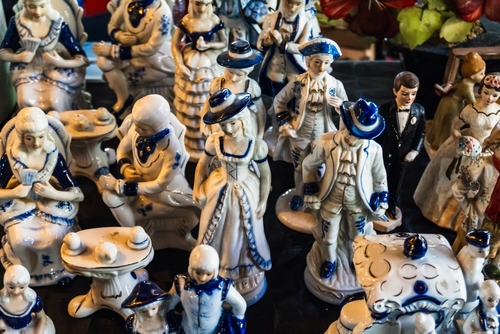
Small ceramics can look like generic knickknacks, but certain makers hold strong value. Brands like Lladro, Hummel, and Royal Doulton have devoted followings. Even chipped figurines can retain some worth, depending on rarity. Many people overlook them because they blend in with other clutter.
Look under the base for maker’s marks or numbering. Some figurines were part of short-lived series that collectors actively seek. Avoid those with major cracks, as they’re harder to sell. With practice, you’ll quickly learn which pieces deserve a second look.
2. Cast Iron Cookware
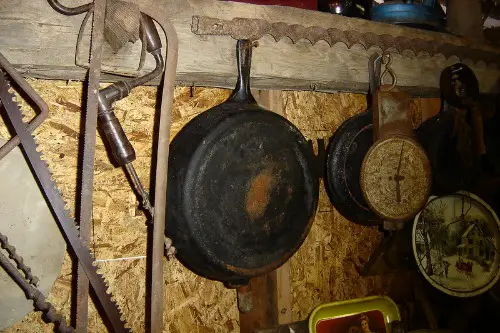
Old cast iron can look rusty or crusted, but it usually cleans up beautifully. A quick vinegar soak and a few rounds of seasoning can restore even the dullest pan. Vintage brands such as Griswold or Wagner are known for lighter weight and smoother cooking surfaces. Serious cooks still prefer them over many modern options.
Look for pans without cracks, because those can’t be fixed. Surface rust is fine and doesn’t affect long-term value. The older manufacturing methods produced cookware that heats more evenly than most recent pieces. If the logo is visible on the bottom, you may be holding a surprisingly valuable find.
3. Vintage Pyrex
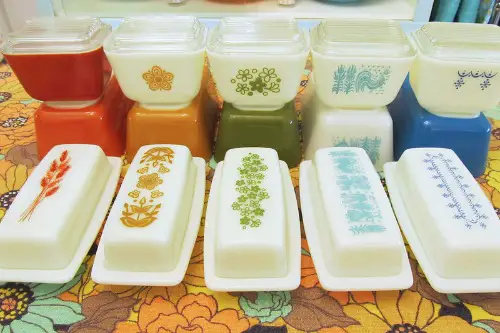
Faded, mismatched, or scratched Pyrex often gets ignored, but collectors love specific colors and patterns. Popular lines like Gooseberry, Butterprint, and Pink Daisy can fetch far more than their humble appearance suggests. Even single bowls from these sets can be worth good money. Some rare colors were produced for limited times, driving value upward.
Be sure to check for chips or cracks, because those reduce value for collectors. Normal wear from kitchen use is usually acceptable. Original lids also increase worth, even if they’re slightly cloudy. When in doubt, look up the pattern—some designs surprise even seasoned thrifters.
4. Cameras and Lenses

Old film cameras may look obsolete, but many models remain popular with photographers. Brands like Canon, Nikon, Pentax, and Olympus produced durable bodies that still function decades later. Manual lenses are especially prized because they adapt well to modern digital cameras. Even a dusty camera bag can hide a gem.
Check for fungus inside lenses by shining a light through them. Some fogging can be cleaned, but deep fungus lowers value. Film camera bodies often need new light seals, which are inexpensive to replace. A working lens alone can be worth more than the entire flea market bundle you bought it in.
5. Vinyl Records
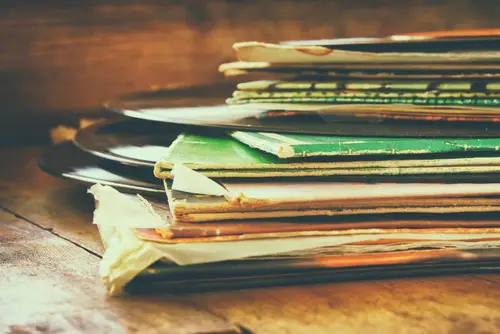
Scratched or dusty records look worthless, but many rare pressings are still highly collectible. First pressings from major artists or albums with limited runs hold strong value. Even genres like jazz and soul, which often get overlooked, can surprise you. Condition matters, but mild dirt usually cleans off.
Always inspect the record under bright light to check for deep scratches. The cover art also affects value, especially gatefolds and original inserts. Some records have identifying marks in the runout groove that indicate special pressings. Once you know what to look for, browsing stacks becomes far more exciting.
6. Sterling Silver Items
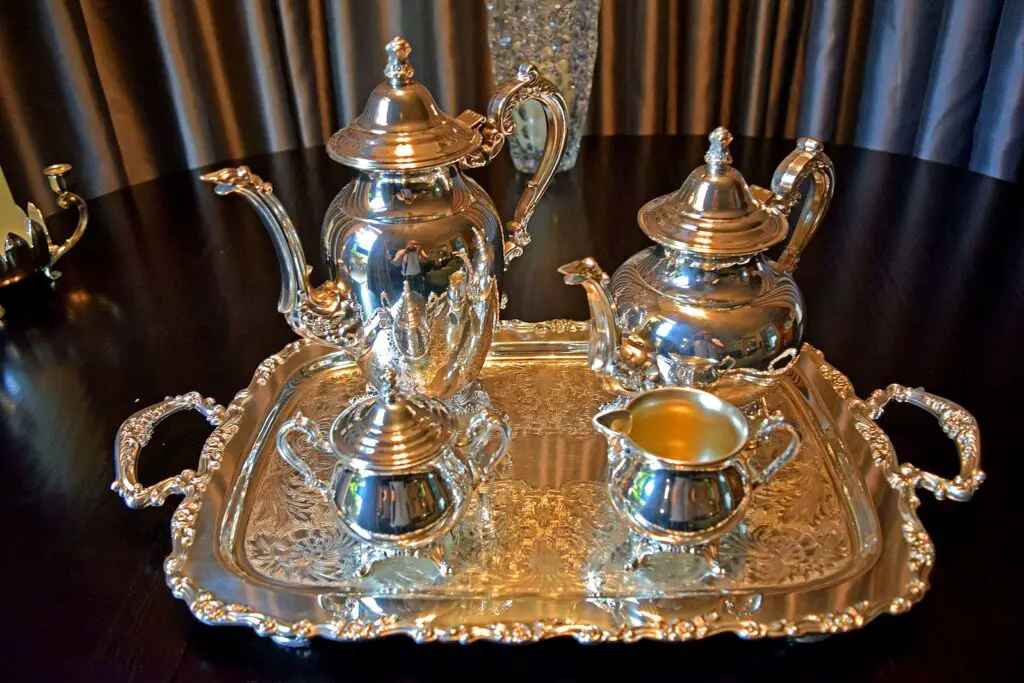
Tarnished silver looks dull and forgotten, but it often hides real sterling underneath. Sterling pieces are marked with “925,” “Sterling,” or similar hallmarks that confirm authenticity. Many people mistake them for cheap silver-plated items. A quick polish can reveal stunning shine and significant value.
Weighing the item can help you gauge its worth because silver has intrinsic melt value. Intricate designs or antique maker’s marks can boost prices further. Even damaged pieces hold value due to the silver content. When you learn the marks, you start spotting overlooked treasures easily.
7. Vintage Board Games
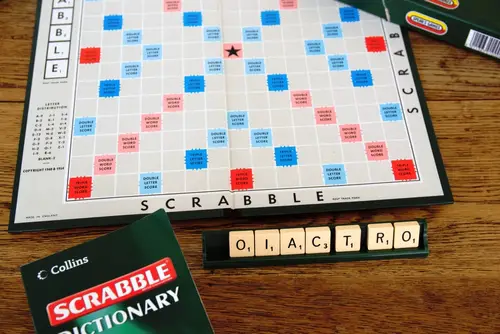
Board games with faded boxes or missing pieces can still be valuable. Certain rare editions or out-of-print titles have strong demand from collectors. Even incomplete sets can be sold for parts. Older strategy and niche games often command the highest prices.
Check for older printing dates or unique artwork that differs from modern reprints. Game boards in good condition matter more than the box. Some expansions or bonus cards are worth money on their own. A quick evaluation of components tells you whether a box is worth grabbing.
8. Tools From Defunct Brands
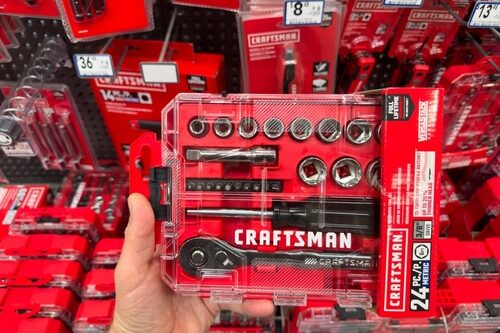
Rusty or grimy tools may still be high-quality pieces from renowned old manufacturers. Brands like Craftsman (older era), Stanley, and Disston produced extremely durable items. Woodworkers and restorers still seek these tools because modern versions often lack the same craftsmanship. Even a rusty plane can clean up beautifully.
Look for intact handles and minimal pitting on metal surfaces. Surface rust isn’t a dealbreaker and can be removed with basic tools. Certain hand planes and saws have model numbers that collectors recognize immediately. A little research goes a long way with vintage tools.
9. Costume Jewelry
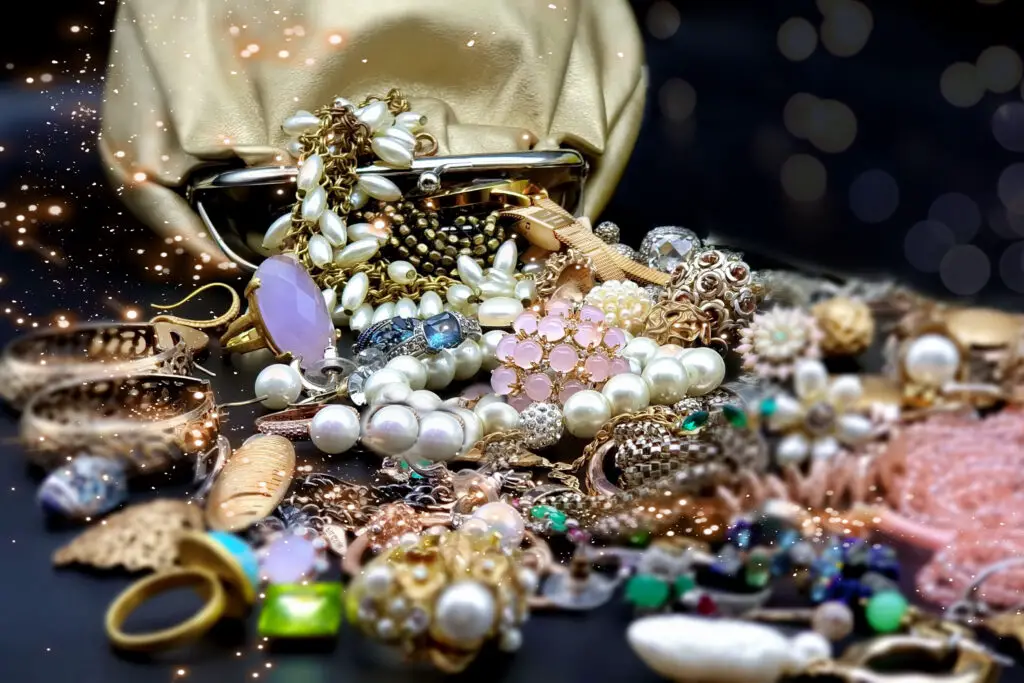
Some costume jewelry looks cheap, but certain pieces from well-known designers can be valuable. Brands like Trifari, Weiss, and Sarah Coventry produced high-quality pieces that remain collectible. Rhinestones and enamel may look worn but often clean up well. Unique designs and seasonal collections tend to be more desirable.
Look for signature stamps on the back of brooches or clasps. Even unsigned pieces can be valuable if they have distinctive craftsmanship. Clean the items gently to avoid damaging any stones. When you learn to recognize vintage construction, you’ll spot quality instantly.
10. Typewriters
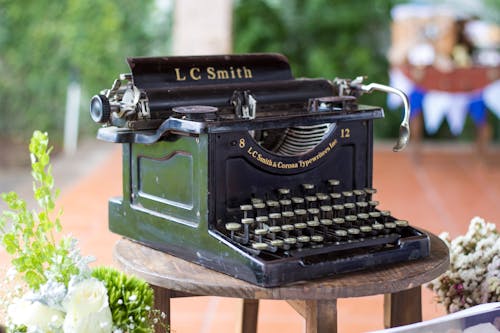
Old typewriters might appear dusty and clunky, but many models remain functional. Enthusiasts still enjoy using manual typewriters for creative projects. Popular brands like Smith-Corona, Royal, and Olympia hold strong resale value. The feel of the keys is a major selling point.
Check whether the carriage moves smoothly and the keys don’t stick. Ribbon replacements are inexpensive and easy to find. Cosmetic wear is normal and rarely hurts value unless severe. Once tuned up, these machines often sell for far more than their flea market price.
11. Art Prints and Lithographs
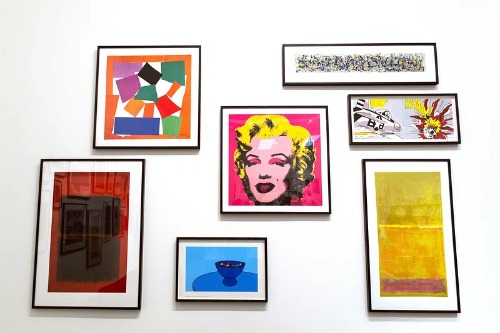
Artwork that looks generic or faded can sometimes be a genuine limited-edition print. Lithographs and signed prints often go unrecognized by casual shoppers. Artists sometimes produced large runs, but certain numbered pieces gain value over time. A signature or numbering can make a huge difference.
Inspect the edges for plate marks or embossing that indicate real printmaking. Look for pencil signatures, which are common on limited editions. Frames may be damaged, but the print inside could still be pristine. Learning to distinguish prints from posters pays off quickly.
12. Handwoven Textiles
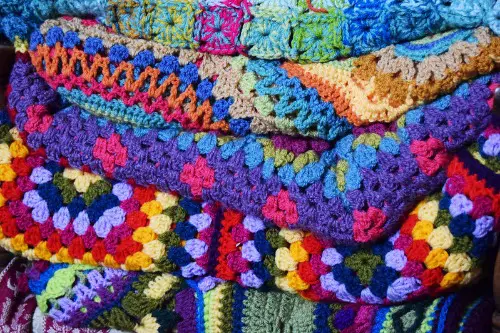
Old blankets, rugs, and throws can look rough but still hold significant value. Handwoven items often use premium natural fibers that last for generations. Some come from specific regions or cultural traditions that collectors value highly. Even worn pieces are often prized for their craft.
Check the edges and stitching for signs of handwork. Minor fading is normal and doesn’t ruin value. Avoid items with moth damage unless you’re comfortable repairing them. Once cleaned, many textiles look far more impressive than they did in the bin.
13. Mechanical Watches
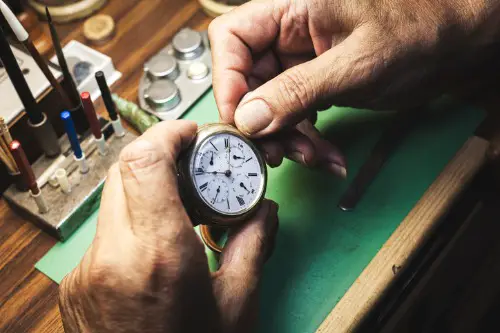
Vintage watches may look scratched or outdated, but mechanical movements can be restored. Brands like Seiko, Timex, and Bulova produced reliable, collectible watches. Even budget models from the past often have quality construction compared to modern equivalents. Watch enthusiasts love repairing and refurbishing them.
Check that the second hand moves smoothly or at least attempts to tick. Cracked crystals can be replaced without harming value. Original bracelets and dials add to the watch’s appeal. A non-working watch isn’t worthless, since parts alone may be valuable.
14. Brass Decor Items
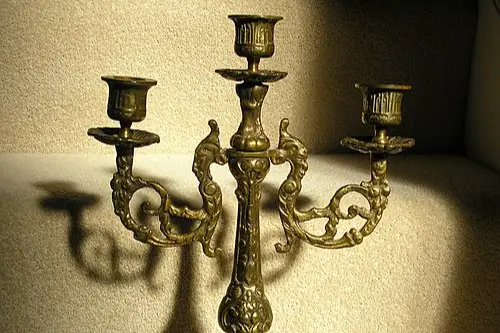
Brass often tarnishes into a dull brown, leading people to assume it’s worthless. However, solid brass pieces like candlesticks, trays, and figurines polish up beautifully. Many vintage brass items were made with care and weight that modern versions lack. Their durability makes them excellent decorative items.
Check the underside for casting seams or signs of plating. Solid brass is heavier and ages differently than plated pieces. Tarnish can be cleaned with simple household products. Once polished, pieces often look dramatically more expensive.
15. Mid-Century Modern Furniture
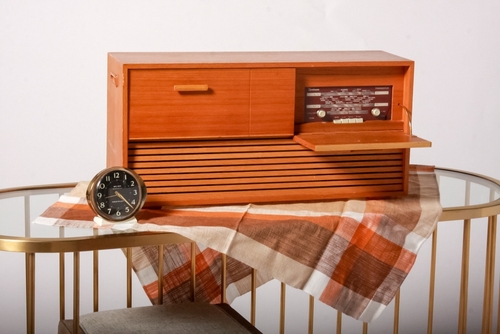
These pieces often look plain or worn, but the clean lines and solid craftsmanship make them valuable. Many were built with quality hardwoods that age gracefully, even if the finish looks rough. Collectors and designers consistently seek original mid-century pieces due to their timeless style. With a little refinishing, a $20 table can easily multiply in value.
The key is checking for authentic construction details like dovetail joints and solid wood. Even a chair with loose legs can be tightened without losing value. Makers like Heywood-Wakefield, Lane, and Herman Miller are especially worth learning to identify. Once you know the shapes and hardware, you’ll spot treasures others overlook.
16. Retro Kitchen Gadgets
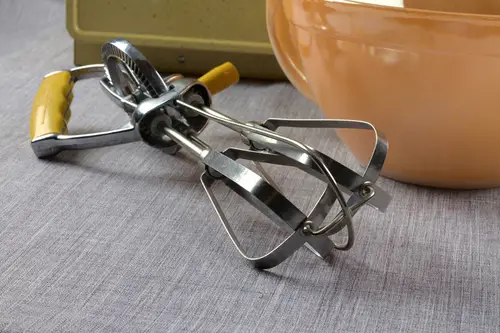
Many old kitchen tools look clunky or outdated, but collectors value their charm and durability. Manual egg beaters, rotary slicers, and vintage juicers often outperform modern plastic versions. Some brands produced limited runs that now appeal to nostalgic home cooks. Items with bright colors or quirky designs often sell surprisingly well.
Check for intact moving parts and sturdy metal components. A little cleaning can make these gadgets look nearly new. Avoid items with warped metal, since those are hard to fix. Once restored, these pieces often become standout conversation items in modern kitchens.
17. Early Electronic Devices
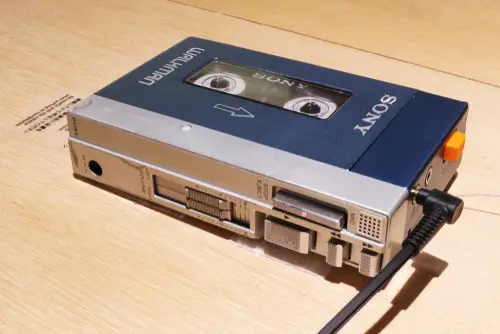
Old radios, Walkmans, and handheld games often appear broken or irrelevant, but many have strong collector demand. Some early models were produced in small quantities, making them rare today. Even devices missing cords or batteries can hold value for parts. Nostalgia plays a big role in their rising prices.
Test whether the device powers on, even if the sound or display is weak. Minor issues can often be repaired with inexpensive components. Special edition colors or branded collaborations tend to be the most desirable. With patience, you can uncover electronics that fetch far more than their flea market price.
18. Vintage Fashion Accessories
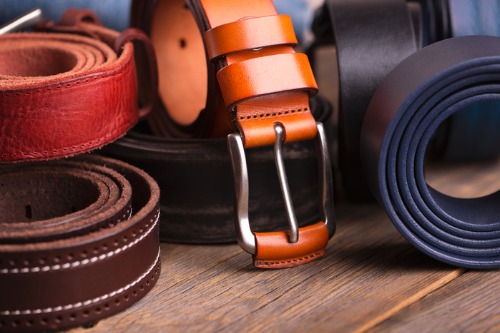
Old belts, scarves, and gloves can look outdated, but many were made with superior craftsmanship. Certain designers created accessories that now appeal to collectors and fashion lovers. Even unbranded pieces can command attention if they feature quality fabric or unique patterns. Items from the 1940s–1970s are especially popular.
Check for intact stitching and high-quality materials like silk or leather. Light wear is acceptable and often expected. Look for old department store labels, which can help identify the era. Once cleaned, these accessories can make modern outfits feel distinctly elevated.
19. Wooden Crates and Boxes

Beat-up wooden crates may look like junk, but many were used by historic companies or brands. Their logos and typography attract collectors who appreciate vintage advertising. Even plain crates can be repurposed into décor or storage. The rustic look fits perfectly with modern interior design trends.
Inspect the wood for rot or deep cracks, which can weaken the structure. Sturdy crates with stamped branding hold the most value. A quick sanding often enhances the appearance without removing the vintage character. These pieces frequently sell quickly to both collectors and DIY enthusiasts.
20. Vintage Holiday Décor
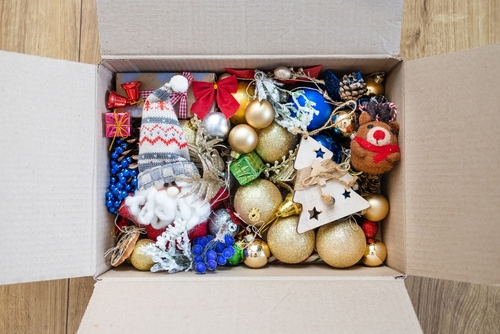
Old ornaments, figurines, and tinsel often look fragile or outdated, but certain pieces are highly sought after. Brands like Shiny Brite produced ornaments that remain beloved by collectors. Even handmade decorations can be worth money if they’re in good condition. Limited-run holiday items can fetch premium prices year-round.
Check for cracks or fading, but don’t dismiss minor wear. Original boxes add to the value even when worn. Unique colors or shapes tend to attract serious buyers. Once cleaned gently, these decorations often look far more charming than expected.
21. Wooden Musical Instruments
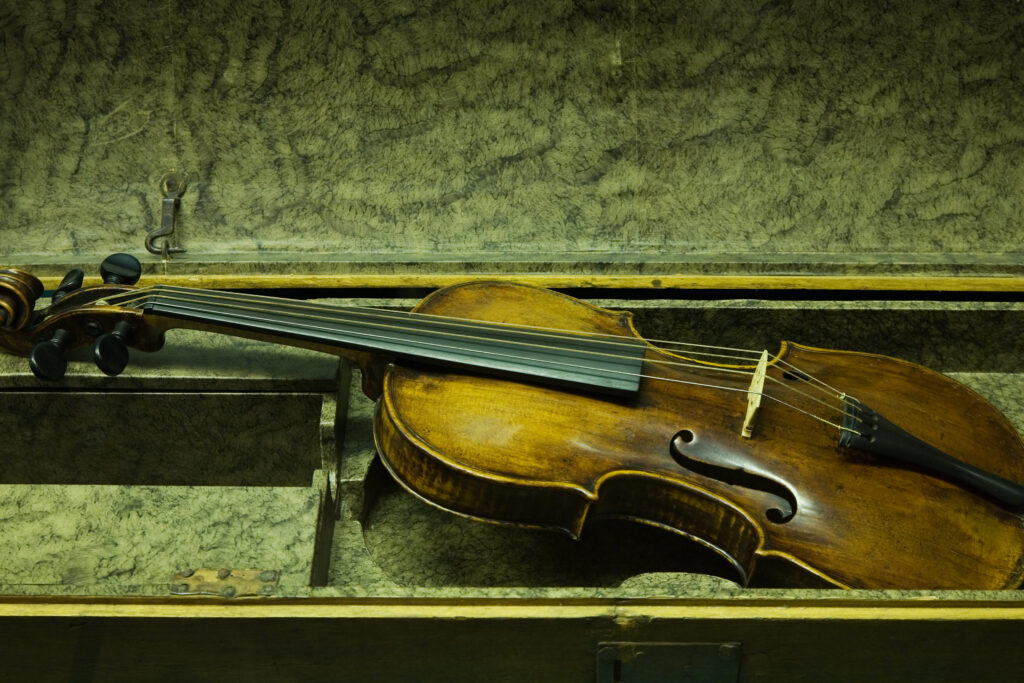
Instruments like ukuleles, violins, and folk instruments may look rough, but many can be restored. Older pieces were often built with quality woods that are expensive today. Even if unplayable, some instruments are valuable to collectors or as décor. Vintage craftsmanship gives them charm that mass-produced versions lack.
Check whether the body is intact and the neck is straight. Missing strings or bridges are easy to replace. Warped wood can be a problem, but small cracks often have simple repairs. Once refurbished, these instruments can command surprisingly high prices.
22. Early Computer Games and Software
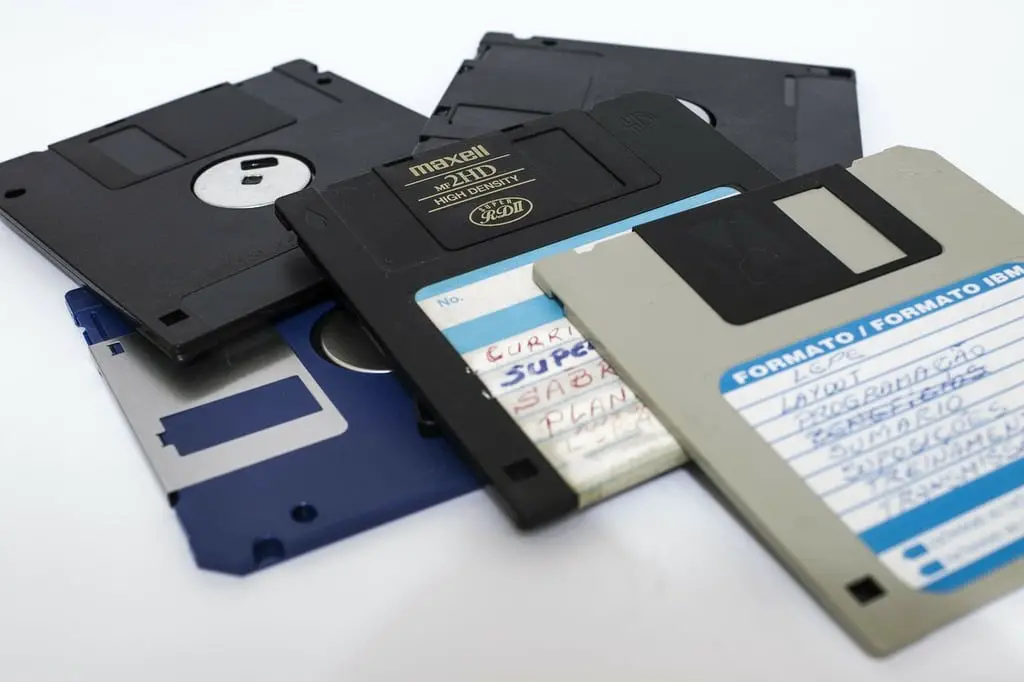
Old floppy disks, manuals, and boxed PC games may look useless, but collectors crave complete sets. Some titles had tiny print runs and are now extremely rare. Even educational software can be valuable when boxed with original materials. Retro gaming has boosted interest in seemingly outdated items.
Check that the packaging and inserts are intact, even if the software can’t be used. Manuals, maps, and supplemental items add considerable value. Special editions or early versions are especially desirable. With careful digging, you can uncover software treasures hiding in dusty bins.
This post 22 Flea Market Items That Look Cheap But Are Secretly Gold was first published on Greenhouse Black.
