
1. Brass Figurines
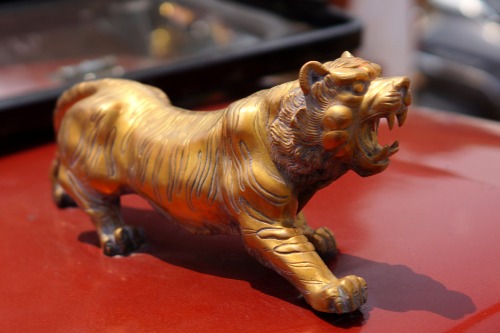
Brass figurines can look like antique treasures when they’re covered in grime or tarnish. That dull greenish patina can make them appear older and more exotic than they really are. Once you give them a proper polish, they often reveal themselves to be cheaply made, mass-produced pieces. The shine exposes rough edges or casting lines that completely ruin the “vintage” illusion.
Even if the figurine has an interesting shape, the true value usually isn’t in the metal itself. Brass is inexpensive and easy to mold, so the figure might be worth just a few dollars. Collectors tend to pay for craftsmanship or historical significance, not just the gleam. Cleaning removes the mystery, showing it’s just decorative, not collectible.
2. Ceramic Vases
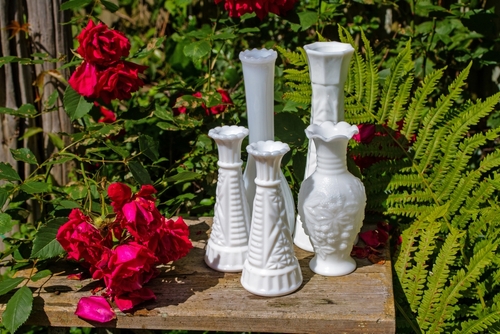
A dusty ceramic vase can scream “mid-century modern treasure” when you first see it. Layers of dirt and grime can hide chips, cracks, or poorly executed paint patterns. Once you wash it, the flaws become obvious and the vase loses its “one-of-a-kind” aura. Those faded colors that looked charming are often just cheap glazes wearing off unevenly.
Many flea market shoppers get excited by the potential for a rare find. In reality, most of these vases were factory-made and sold by the dozen. After cleaning, they often resemble generic home décor more than an investment piece. It’s a harsh reality, but polish often exposes the vase for what it truly is.
3. Silver-Plated Flatware
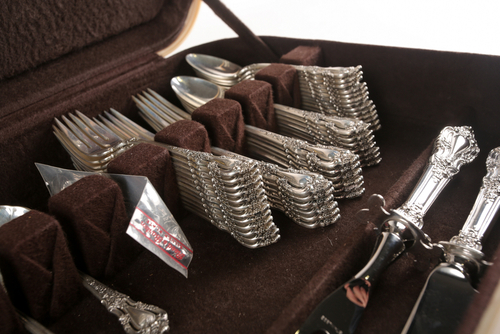
Old silver-plated flatware might look like genuine sterling when it’s tarnished. That dark, uneven coating can trick your eye into thinking it’s a rare set. Once you polish it, the thin plating often reveals scratches, pitting, or even the base metal underneath. The shiny finish removes the illusion of luxury and shows its true mass-produced nature.
Collectors usually seek sterling silver, not silver-plated items. Plated pieces are much less valuable and mostly only worth a few dollars per piece. Many flea market buyers are drawn in by the “aged charm” of tarnish. Cleaning proves that charm is only cosmetic.
4. Old Glass Bottles
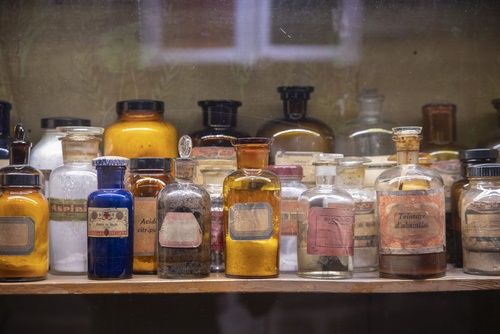
Grimy glass bottles can appear antique or collectible at first glance. Layers of dust and hard water stains make them seem older than they are. A good scrub often reveals mold, chips, or bubbles that indicate mass production rather than age. Once clean, they lose that magical, time-worn appeal.
Many think the color or shape might make the bottle rare. Unfortunately, most colored glass bottles were mass-produced for soda or medicine. The value rarely exceeds a few dollars unless there’s a unique maker’s mark. Cleaning just exposes the plain reality behind the nostalgia.
5. Wooden Boxes
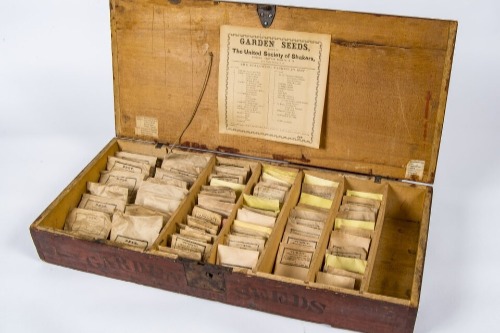
A wooden box caked in dirt can look like a mysterious heirloom chest. Dust and grime obscure cheap construction or veneer peeling. After cleaning, it often turns out to be a simple trinket box from a gift shop. The allure of antiquity disappears with just a little soap and elbow grease.
Wood quality matters for collectors. Many flea market boxes are made of soft pine or particleboard, not hardwood. They might hold sentimental charm but rarely hold real monetary value. Cleaning exposes the shortcuts makers took to make it look old.
6. Costume Jewelry
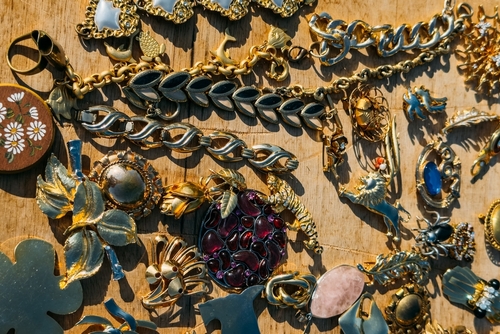
Tarnished costume jewelry can look like real gold or silver at first glance. Dull stones and oxidized metal make it seem antique. A gentle polish or cleaning will often reveal plastic stones, gold-tone plating, or obvious glue. What looked valuable suddenly feels cheap and mass-produced.
Some shoppers mistake design for material value. Unfortunately, it’s the metal and gem quality that counts, not a fancy clasp or setting. After cleaning, many pieces are only worth a few dollars. The illusion of sophistication fades with a shine.
7. Porcelain Figurines

Dusty porcelain figurines can make you think you found a collectible from a famous maker. Layers of grime can hide imperfections, mold spots, or poorly applied paint. Once cleaned, you can see that many were mass-produced in factories overseas. The charm that drew your eye is often entirely cosmetic.
High-value porcelain is usually marked with a recognizable brand or artist signature. Without it, even intricate designs don’t fetch much. Cleaning exposes sloppy details and lack of authenticity. What looked like a treasure might only be décor.
8. Old Books
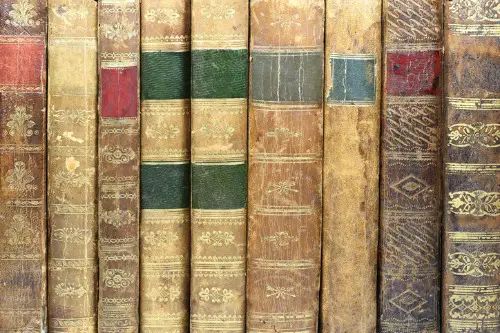
Old, dusty books can seem like first editions or rare finds. Dirt and yellowed pages add a sense of age and authenticity. When you clean them, you might find they’re just mass-printed copies with minor wear. The content or rarity often doesn’t match the initial impression.
Collectors pay attention to edition, printing, and condition. Many flea market books are sentimental or decorative, not investment-grade. Cleaning removes the charm of the dust but also the “treasure” illusion. What looked collectible may simply be a well-read paperback.
9. Lamps
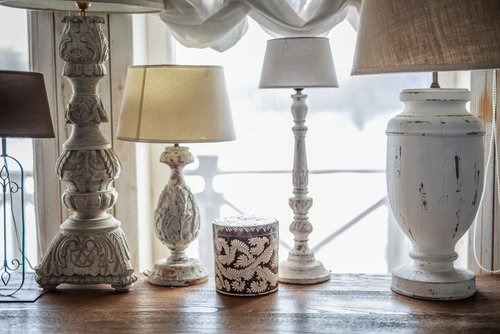
Grimy lamps can look like vintage designer pieces. Dust and oxidation can give metal bases an aged, classic look. Once wiped down, you often see cheap materials, fake finishes, or electrical issues. The polished lamp rarely matches the initial flea market fantasy.
Originality and craftsmanship matter for lamp collectors. Many mass-produced pieces mimic antique styles but offer little actual value. Cleaning exposes corners cut in design and construction. The shine reveals it’s mostly decorative.
10. Picture Frames
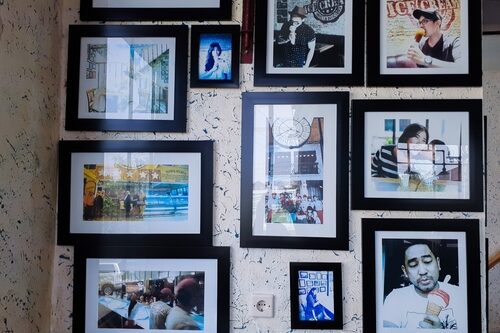
Old, dusty picture frames can appear ornate and valuable. Layers of grime can hide plastic molding disguised as wood or gold leaf. After cleaning, the frame often reveals itself as lightweight and mass-produced. The intricate detail that caught your eye is often shallow and fake.
Antique frames sell based on material and craftsmanship. Modern replicas rarely hold value beyond decoration. Cleaning strips away the illusion of age and authenticity. Your “golden” find may just be resin painted to look fancy.
11. Clocks
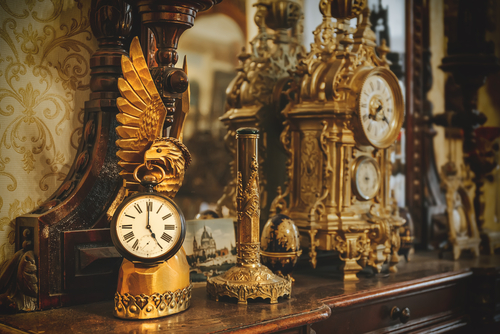
Vintage-looking clocks can look collectible under dust and grime. Tarnished metal, faded faces, or discolored glass can make them seem older. Once cleaned, you might find battery-operated mechanisms or plastic parts hidden beneath the finish. The illusion of an antique suddenly vanishes.
Collectors are interested in original mechanisms and quality materials. Mass-produced decorative clocks are mostly worth a few dollars. Cleaning can reveal cheap gears and plastic hands. The “vintage charm” is mostly surface-level.
12. Glassware Sets

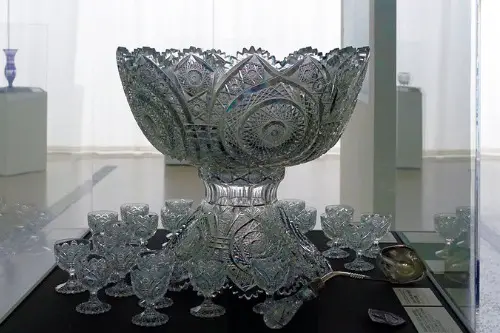
Grimy or cloudy glassware can feel elegant and collectible. Layers of dirt can mask scratches, chips, or inconsistent thickness. After washing, imperfections stand out and the set often resembles everyday kitchenware. The luxurious feel quickly fades.
High-value glassware is typically from recognizable brands or hand-blown. Most flea market finds are pressed glass or cheap crystal substitutes. Cleaning removes the illusion of rarity. What looked like a treasure is often ordinary.
13. Picture Books with Dust Jackets
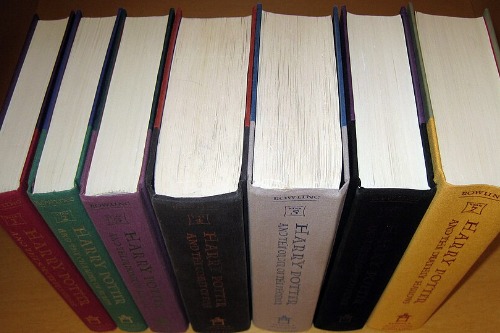
A faded dust jacket can make a book seem like a collector’s edition. Grime hides tears, missing flaps, or printing errors. Cleaning or careful dusting often exposes damage that reduces value significantly. The bright allure of a “vintage find” can disappear instantly.
Collectors focus on first edition, condition, and print run. Most flea market books were widely printed and aren’t rare. Even if the illustrations are charming, monetary value is low. Cleaning often reveals wear that makes the book just decorative.
14. Kitchenware
Old pans, teapots, or mixing bowls can look like high-end vintage cookware. Layers of grease and rust can make them appear aged and collectible. Once cleaned, the metal may reveal scratches, dents, or cheap materials. The polished item usually looks far less impressive than it did under grime.
Collectors care about brand, material, and rarity. Many flea market kitchen items are simply mass-produced and commonplace. Cleaning exposes corners cut in manufacturing. What seemed like a treasure is often just functional cookware.
This post 14 Flea Market Items That Only Look Valuable After You Clean Them was first published on Greenhouse Black.
