
1. Vintage Pyrex
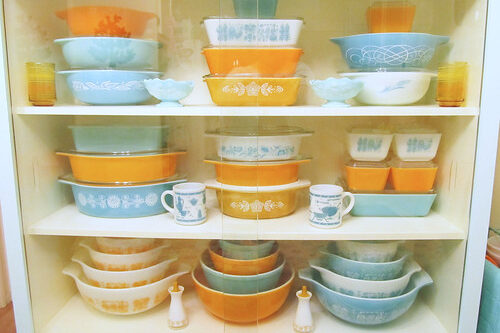
Many younger shoppers assume old Pyrex is just outdated kitchenware, but collectors know certain patterns can sell quickly. Dealers often recognize limited-run designs like “Gooseberry” or “Butterprint” and scoop them up. The colors and patterns resonate with nostalgia-driven buyers who want them for display. Plus, Pyrex’s durability means these pieces often survive decades in great condition.
While some people think all Pyrex is valuable, dealers know that condition and pattern determine the price. Chips, fading, or dishwasher wear can significantly impact resale value. That’s why they inspect each piece closely before buying. When the right pattern appears, it rarely stays on the table for long.
2. Mid-Century Modern Lamps
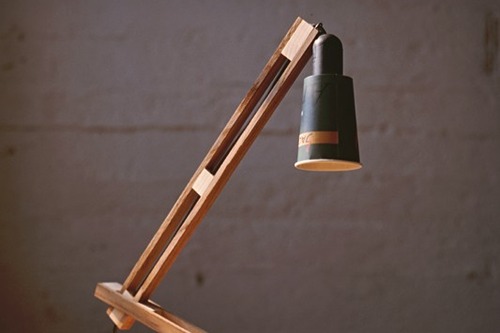
Younger shoppers sometimes pass on mid-century lamps because they look too bulky or “grandma-ish.” Dealers, though, know brands like Stiffel or Laurel can fetch serious interest. The sculptural brass bases and fiberglass shades fit well with today’s interior design trends. Even lamps needing rewiring can be worthwhile because repairs are simple.
Condition still matters, but minor cosmetic flaws aren’t deal-breakers. Dealers look for original hardware or signature shapes. They know decorators are constantly searching for these pieces to complete retro-styled rooms. That demand is exactly why they grab them fast.
3. Cast Iron Cookware
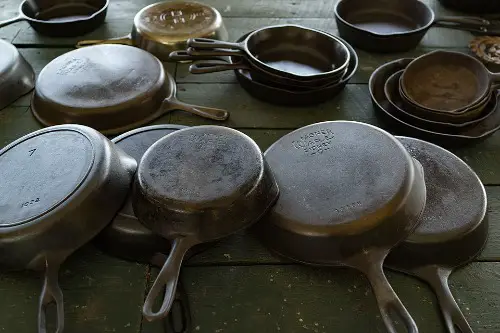
Many younger shoppers think cast iron is heavy, inconvenient, or hard to maintain. Experienced dealers know that pieces from brands like Griswold or Wagner are extremely collectible. A smooth cooking surface or rare logo variation can increase value immediately. Even rusty pans can be restored with some elbow grease.
Dealers understand the resale market on these pieces is steady. They also know that well-seasoned cast iron outperforms many modern pans. Because of that, collectors, chefs, and homesteaders actively hunt for it. When dealers find good pieces, they rarely hesitate.
4. Old Rotary Phones
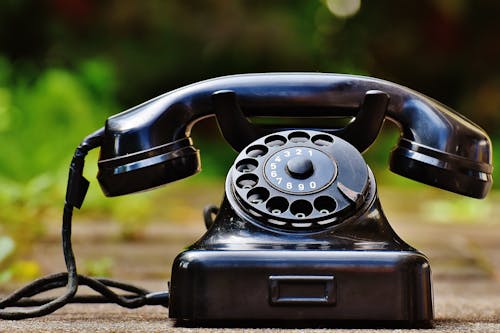
Rotary phones seem impractical to younger shoppers who rely on smartphones. Dealers know these vintage phones have strong appeal as décor or working conversation pieces. Models from Western Electric or colorful 1970s versions are especially sought after. People love them for themed rooms or retro-inspired offices.
Many still function when paired with landlines or voice-over-internet adapters. Dealers check internal wiring to make sure components are intact. If they are, the phones can be resold quickly to enthusiasts. The blend of nostalgia and craftsmanship keeps demand high.
5. Wood-Handled Tools
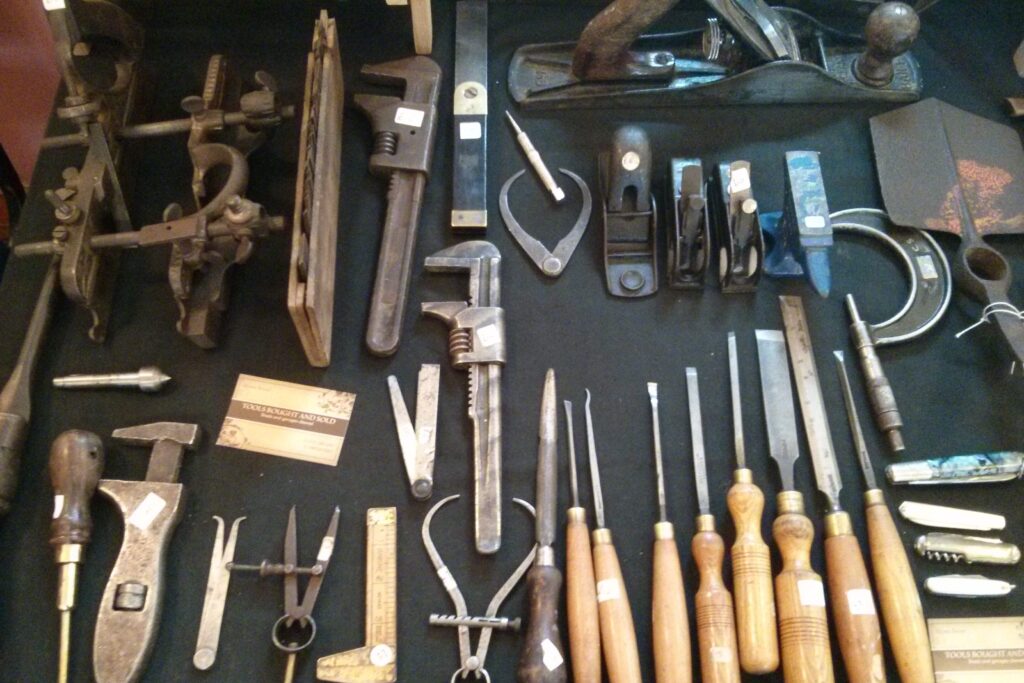
Younger shoppers often overlook old hand tools because they look worn. Dealers know that high-quality steel and hardwood handles outperform many modern equivalents. Collectors appreciate tools made by companies like Stanley or Keen Kutter. These items also appeal to people who prefer traditional craftsmanship.
Dealers clean and oil them before resale. They know that even minor restorations can boost value significantly. Many buyers also like using tools that can be repaired instead of replaced. That sustainable angle helps them sell quickly.
6. Depression Glass
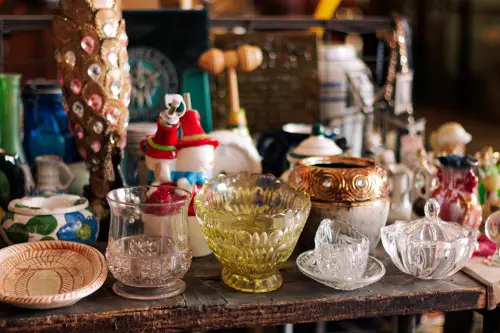
Shiny pink or green Depression glass can look like cheap dishware at first glance. Dealers know certain patterns like “Cherry Blossom” or “Cameo” are collectible. The colors come from manganese or other additives that were common during the 1920s and 1930s. That history gives each piece a unique backstory.
Collectors look for intact edges and original patterns. Dealers examine pieces closely because flaws can be hard to spot. When they find pristine items, they know they’ll sell to decorators or collectors. These pieces are often used for display rather than everyday use.
7. Typewriters
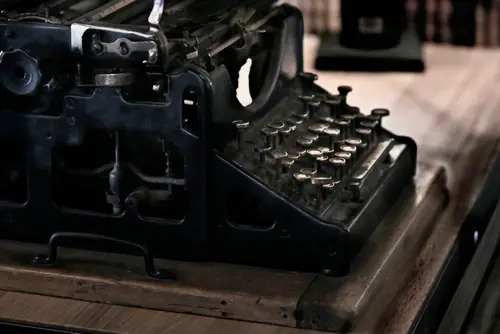
Younger shoppers sometimes skip typewriters because they seem outdated. Dealers know that working Smith-Corona or Royal models remain popular with writers and collectors. The mechanical action and aesthetic appeal give them a timeless charm. Even non-working units can sell for parts.
Dealers test keys, ribbons, and carriage movement before buying. They know replacement ribbons are still widely available. Once cleaned, typewriters can become functional décor. That versatility boosts their resale value.
8. Military Trunks
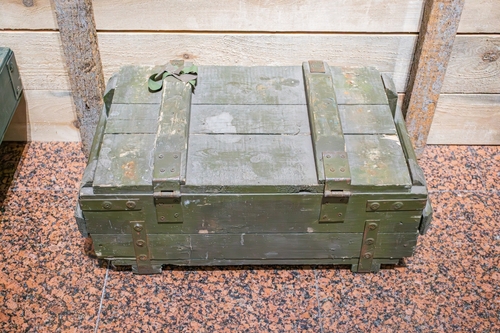
Large metal trunks can look like storage headaches to casual shoppers. Dealers recognize them as versatile decorative pieces with industrial appeal. Many have maker’s marks, serial numbers, or service labels that add value. They can work as coffee tables, storage chests, or display pieces.
Dealers check for original hardware and solid construction. Light rust or scratches usually aren’t deal-breakers. With minimal effort, these can be turned into stylish furniture items. Because of that, they often get grabbed quickly.
9. Vintage Board Games
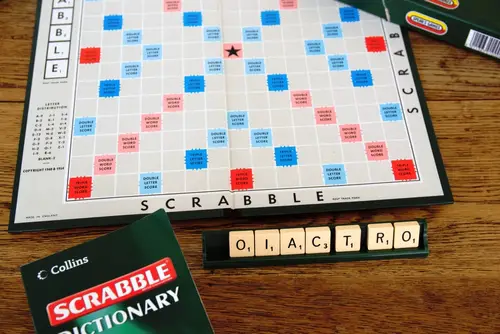
Younger shoppers may ignore old board games because the boxes look battered. Dealers know complete sets from the 1950s through 1970s have consistent collector demand. Early editions of classics like Monopoly or Clue can be worth more. Nostalgia drives families to purchase games they remember from childhood.
Dealers check for missing pieces since completeness boosts value. They also look for original artwork or unique packaging. Even games with damage can sell for parts or display. That flexibility makes them smart buys.
10. Mechanical Clocks
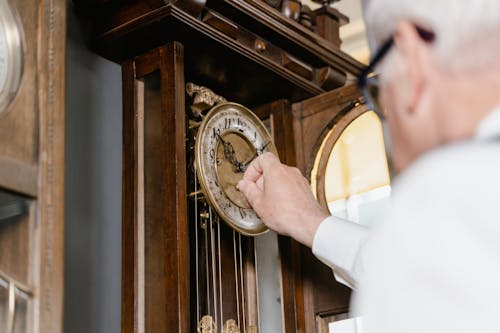
Ticking clocks can seem outdated to those used to digital time. Dealers know that brands like Seth Thomas or Howard Miller still attract collectors. The craftsmanship and materials often outperform modern equivalents. Many units only need simple maintenance like oiling or cleaning.
Dealers inspect gears, pendulums, and hands for proper function. They know that working clocks can sell to both collectors and home decorators. Even non-working units appeal to people who like repair projects. This consistent demand explains why dealers grab them quickly.
11. Silverplate Flatware
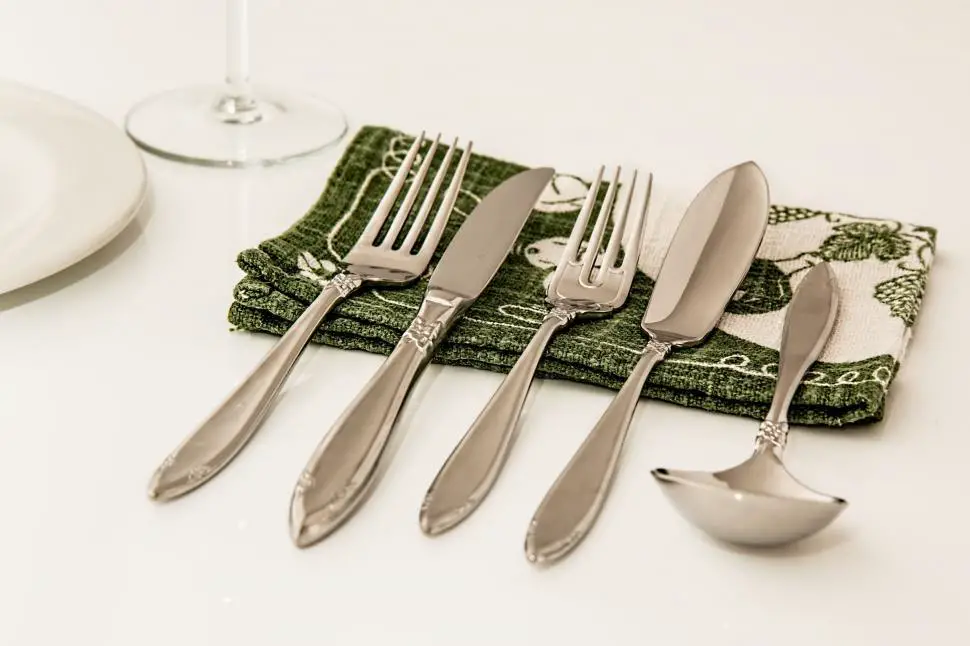
Younger shoppers often assume silverplate is worthless because it’s not sterling. Dealers understand that full sets with ornate patterns sell well to vintage décor fans. Certain makers like Rogers or Community have highly recognizable designs. These sets are often used for hosting or holiday tables.
Dealers check for wear spots where the base metal might show. They also seek out sets in original boxes. Even mixed lots can be sold to crafters who repurpose silverware. That versatility makes silverplate a dependable investment.
12. Oil Paintings

Younger shoppers sometimes view old paintings as dated or too formal. Dealers know that original artwork, even by unknown artists, has strong decorative value. Hand-painted pieces stand out compared to mass-produced prints. Landscapes and portraits from the mid-20th century are especially popular.
Dealers look for stable canvases and intact frames. Minor damage can be repaired affordably. Because decorators always need unique art, these pieces sell consistently. That demand keeps dealers hunting for them.
13. Brass Home Décor

Tarnished brass doesn’t appeal to some younger shoppers who think it looks old-fashioned. Dealers know solid brass items like candlesticks or planters clean up beautifully. With a little polish, they gain a modern, warm-metal look that’s trending. Many pieces were made with high craftsmanship in earlier decades.
Dealers test items to confirm they’re real brass rather than plated. They also look for interesting designs like scalloped edges or mid-century shapes. Once restored, these pieces appeal to minimalists and vintage lovers alike. That broad appeal ensures steady resale.
14. Leather-Bound Books

Younger shoppers may overlook old books because they assume they’re outdated or fragile. Dealers know that leather-bound editions have strong decorative appeal. Sets of encyclopedias or classic literature can complete a room’s design. Even worn volumes can be attractive when styled together.
Dealers check for intact spines and pages. They also look for special editions, gilt edges, or marbled endpapers. Collectors and interior designers both buy these frequently. That dual market makes them valuable finds.
15. Antique Mirrors

Old mirrors may look chipped or heavy, causing younger shoppers to pass them by. Dealers understand that vintage mirrors with wood or gilded frames sell quickly. The craftsmanship and character give them an edge over modern designs. Mirrors from the 1940s or 1950s are especially desirable.
Dealers check for stable frames and original glass. Patina or small silvering spots can actually increase charm. Decorators use them to brighten rooms or create focal points. Because of this, dealers rarely leave them behind.
16. Vintage Barware Sets
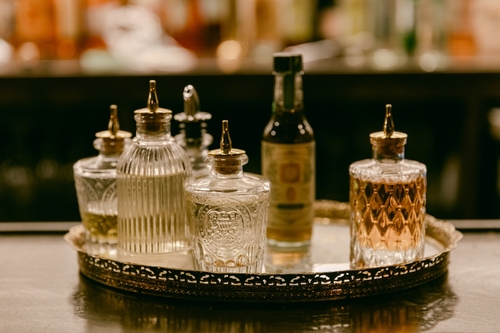
Younger shoppers often breeze past old barware, assuming it’s just dusty glassware from someone’s basement. Dealers know mid-century cocktail sets with etched designs or gilt rims are favorites among home entertainers. The craftsmanship and weight of older glass pieces feel noticeably different from modern versions. Retro drink culture has also made these sets desirable as décor.
Dealers check for chips, cloudiness, and complete sets with matching glasses. They understand that packaging, such as original boxes or carriers, can boost value significantly. These sets are often purchased by people styling vintage bars or hosting themed events. That repeat demand encourages dealers to grab them quickly.
17. Framed Needlepoint Art
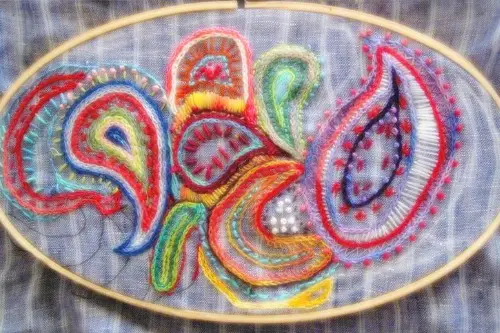
Younger shoppers sometimes view needlepoint as outdated craft décor. Dealers know many pieces took dozens of hours to complete and feature intricate designs that fit cottagecore and eclectic styles. The handmade quality appeals to collectors who favor slow, detailed work. Even frames from earlier decades add charm to the overall look.
Dealers check for discoloration, loose threads, and sturdy framing. They understand that even minor cleaning can transform a piece’s presentation. Buyers often use them in galleries or cozy reading spaces. That versatility makes needlepoint a sleeper hit for resale.
18. Bakelite Jewelry
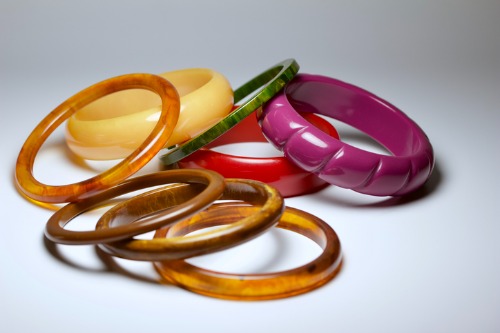
Younger shoppers often assume plastic jewelry lacks value. Dealers recognize Bakelite by its weight, scent, and distinctive colors, knowing collectors pay premium prices for authentic pieces. Popular hues like butterscotch, cherry red, and marbled green attract attention instantly. Vintage fashion fans often seek statement pieces that modern jewelry can’t replicate.
Dealers test pieces with friction or scent checks to confirm authenticity. They also look for unique carvings or chunky bracelets that signal higher value. Even single bangles can sell briskly. Because of this steady niche market, dealers seize these quickly.
19. Antique Postcards

Younger shoppers may think old postcards are just paper clutter. Dealers know that postcards from specific towns, holidays, or historical events have strong collector followings. The artwork and handwritten messages capture moments in time that resonate with enthusiasts. Some postcards highlight landmarks no longer standing.
Dealers sift through boxes looking for themed categories, lithographic prints, or real-photo postcards. They know that condition, crisp edges, and readable dates can increase value. Many collectors focus on particular eras, making certain finds sell immediately. For that reason, dealers rarely leave postcard bins untouched.
20. Early Vinyl Records

Younger shoppers often overlook crates of vinyl because they assume only modern pressings matter. Dealers know first-pressings and obscure labels can be surprising money-makers. Jazz, blues, and early rock records often have dedicated collectors searching for clean copies. Even less famous artists can command attention if the album art is iconic.
Dealers check for scratches, warping, and original sleeves. They understand that mono versions or unusual runs can increase desirability. Many buyers want records both for listening and display. That dual purpose keeps the market active for vintage vinyl.
21. Enamelware Kitchen Pieces
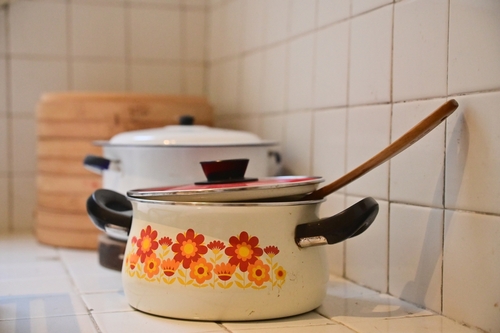
Younger shoppers sometimes assume enamelware is too worn or rustic-looking. Dealers know enamel pots and basins from brands like Kockums or Kl enamel have strong country-chic appeal. The vibrant colors and speckled finishes make them charming display pieces. Even items with minor chips can attract buyers.
Dealers inspect for cracks that compromise structure. They also look for matching lids, rare colors, or complete sets. Customers use enamelware for décor, storage, or themed kitchens. That versatility makes it a staple for experienced dealers.
22. Old Fishing Lures

Younger shoppers may dismiss fishing lures as random junk. Dealers know vintage wooden lures from Heddon or Creek Chub can be surprisingly collectible. Unique paint patterns, glass eyes, and early stampings attract longtime anglers. Some lures were produced in limited quantities, increasing their desirability.
Dealers examine hooks, paint quality, and maker marks. They understand that original boxes dramatically boost prices. Many collectors display them rather than use them. Because of that demand, dealers grab standout lures fast.
23. Retro Electric Fans
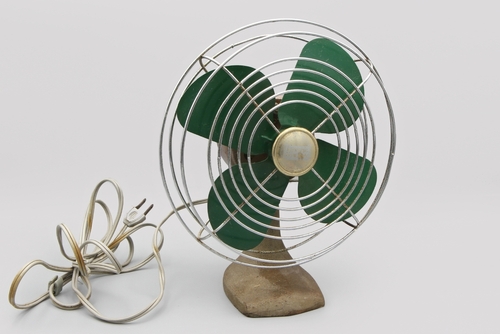
Younger shoppers often see old fans as unsafe or impractical. Dealers know brands like Emerson and GE made durable metal fans with stunning industrial designs. Many models run smoothly after basic cleaning. Their sculptural shapes appeal to people decorating lofts or studios.
Dealers test motors, cords, and blade alignment. They know that even non-working fans can sell as décor. Restored models command higher prices due to aesthetic and functional value. That reliability keeps dealers searching for them.
24. Hand-Painted Ceramics
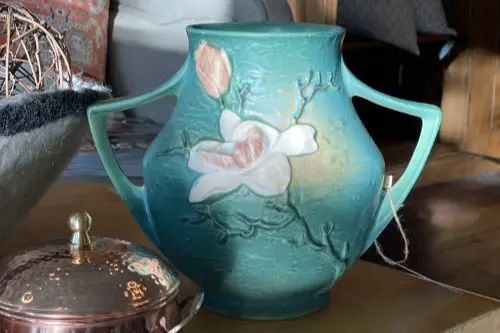
Younger shoppers sometimes think hand-painted ceramics look too busy or outdated. Dealers know items from Italy, Portugal, and Japan often feature vibrant patterns collectors seek. Older glazing techniques give them distinct textures. Their artistry elevates them above mass-produced alternatives.
Dealers check for maker’s marks and firing imperfections. They understand that even small bowls can sell well when the design is unique. Buyers often use them as accent pieces or gifts. That consistent interest motivates dealers to snap them up.
25. Vintage Road Maps

Younger shoppers assume paper maps are obsolete thanks to GPS apps. Dealers know road maps from the 1930s to 1970s attract people interested in travel history. The colorful graphics and dated routes provide a snapshot of changing landscapes. Gas station promotional maps also draw brand collectors.
Dealers check for tears, printed dates, and rare regions. They know that maps featuring defunct highways or early city layouts sell fastest. Enthusiasts often frame them as conversation pieces. This steady niche market makes maps a must-grab item.
26. Old Sewing Machines

Younger shoppers frequently skip sewing machines because they seem complicated. Dealers know cast-iron Singers and similar models can last a century with minimal issues. Many have ornate decals that appeal to vintage décor fans. Even non-working units can be sold for parts or display.
Dealers inspect the treadle, belt, and moving components. They know that machines with original tables or drawers are worth more. Crafters and collectors alike value them. That broad audience ensures strong resale potential.
27. Stoneware Crocks
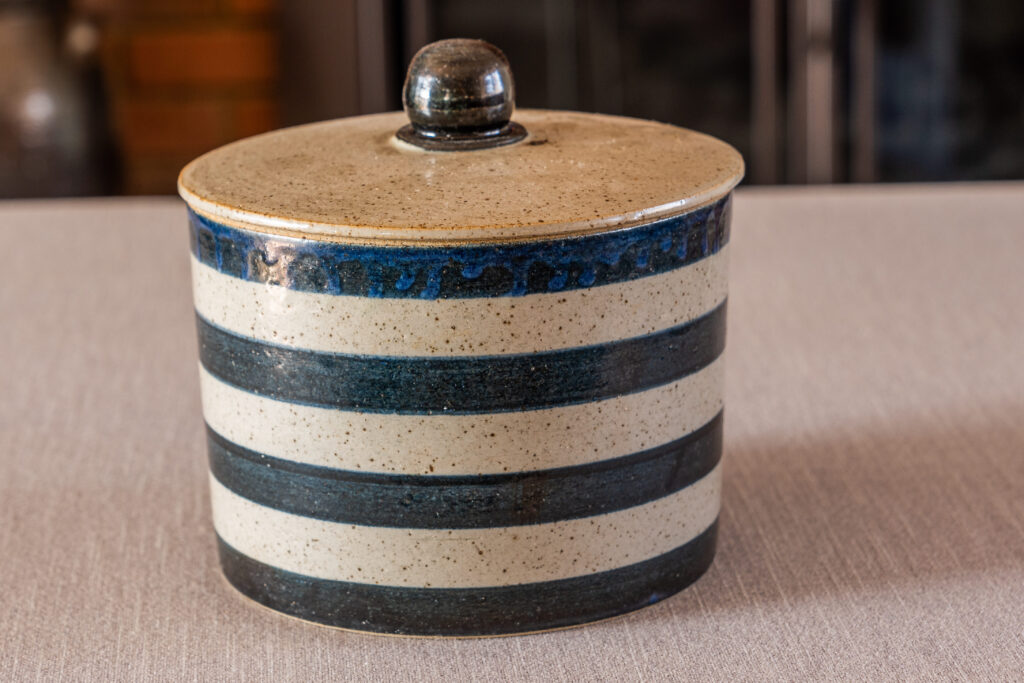
Younger shoppers sometimes overlook stoneware crocks because they appear too plain. Dealers recognize their utility in storage, fermenting, and rustic décor. Hand-painted numbers or maker stamps increase value significantly. The thick walls provide durability that modern pieces rarely match.
Dealers check for cracks, glaze hairlines, and authenticity. They know larger sizes or decorated versions sell quickly. Many buyers use them as planters, utensil holders, or farmhouse accents. That adaptability makes crocks easy winners for dealers.
28. Vintage Cameras

Younger shoppers may think film cameras are obsolete. Dealers know brands like Nikon, Canon, and Pentax have models beloved by photographers returning to analog photography. The weight and build quality often surpass digital equivalents. Even broken cameras can fetch money for their parts.
Dealers test shutter mechanisms and viewfinders. They also look for original lenses, straps, and cases. Film photography’s resurgence keeps demand high. Because of that, dealers scoop up good cameras fast.
29. Tin Advertising Signs
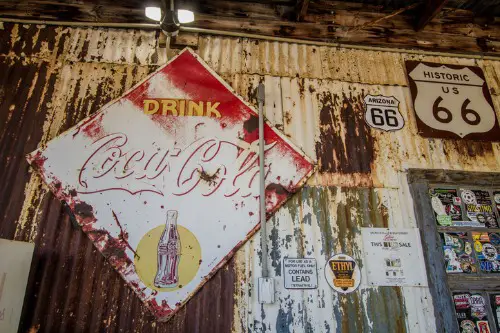
Younger shoppers sometimes think metal signs look too grimy or industrial. Dealers understand that original tin ads from the 1920s to 1960s are prized by collectors. Vibrant graphics and old logos carry nostalgic value. Signs from gas stations or soda companies are especially popular.
Dealers inspect for rust, repainting, or reproduction markers. They know genuine patina adds charm, while fakery lowers value. Buyers use them in garages, bars, or man caves. That popularity keeps the market active.
30. Costume Jewelry Sets
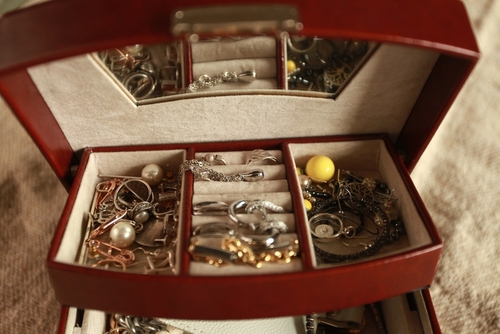
Younger shoppers might assume inexpensive jewelry has no resale value. Dealers recognize that mid-century costume pieces from brands like Trifari or Coro can be quite collectible. Rhinestone sets, filigree designs, and seasonal motifs catch buyers’ eyes. Many sets were made with impressive craftsmanship.
Dealers check for missing stones and original clasps. They also value items still in vintage boxes. Customers often buy them as statement accessories or gifts. That reliable demand makes dealers quick to take them.
31. Early Kitchen Gadgets
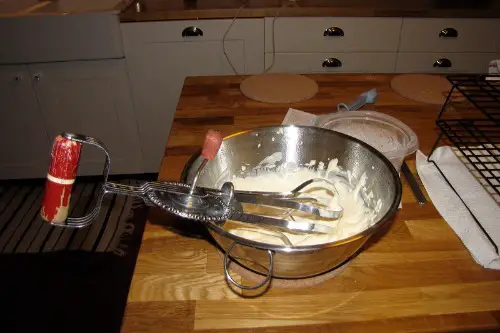
Younger shoppers often ignore old kitchen tools because they seem obsolete. Dealers know gadgets like hand-crank mixers or cherry pitters appeal to collectors and bakers. Their quirky designs stand out compared to modern plastic gadgets. Many still function perfectly decades later.
Dealers check for smooth turning and intact parts. They understand that unusual or patented designs can increase value. Many buyers display them in farmhouse-style kitchens. This niche audience encourages dealers to grab them.
32. Wooden Crates

Younger shoppers sometimes see wooden crates as too bulky or worn. Dealers know crates with printed logos or brand names are popular for storage and displays. Older fruit or soda crates often feature bold typography. Their rustic look fits well with modern industrial décor.
Dealers inspect for solid joints and legible branding. They know that even rough crates can be repurposed creatively. Buyers use them as planters, shelves, or photography props. That repurposing trend keeps demand steady.
33. Vintage Sheet Music
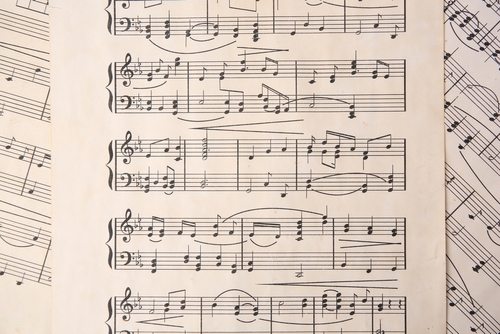
Younger shoppers may think sheet music is pointless in the digital age. Dealers know the illustrated covers and historic compositions attract collectors. Early jazz, Broadway, and patriotic songs can be surprisingly valuable. People also appreciate the artwork for framing.
Dealers check for intact pages and clean edges. They know themed songs or rare composers sell best. Many buyers enjoy using them for displays or craft projects. That wide appeal makes them good finds.
34. Old Garden Tools
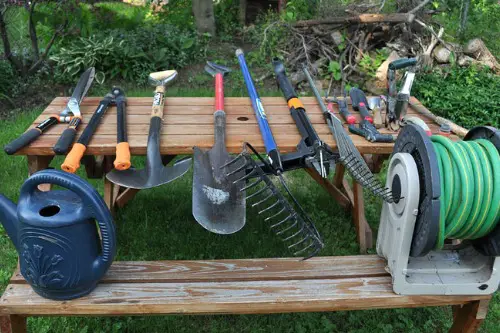
Younger shoppers might ignore weathered garden tools, assuming they’re junk. Dealers know older tools were made with stronger metals and better craftsmanship. Shapes like half-moon weeders or hand-forged spades appeal to gardeners who value durability. Their worn handles add charm rather than detract from it.
Dealers check for tight bolts, sturdy handles, and maker’s stamps. They know a quick cleaning can raise the resale price. Buyers often use them for décor in sheds or gardens. Because of their appeal, dealers rarely pass them up.
35. Ceramic Figurines
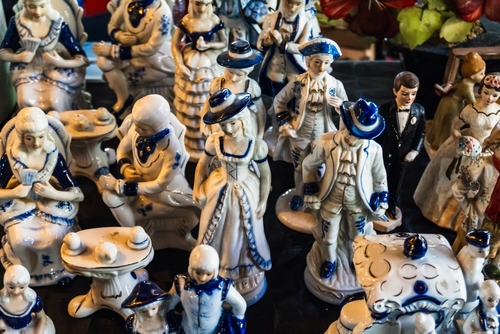
Younger shoppers often think figurines feel too “grandma style.” Dealers know brands like Lefton, Napco, and Josef Originals have loyal followings. The vivid colors and expressive faces attract collectors seeking specific series. Holiday-themed figurines sell especially well.
Dealers inspect for chips, cracks, and original labels. They know that pairs or sets consistently yield higher value. Many collectors display them in curio cabinets or seasonal vignettes. That dependable interest keeps dealers searching for them.
36. Ornate Picture Frames

Younger shoppers may ignore empty frames, expecting them to be useless. Dealers know carved wooden or gilded frames can sell for more than the art they once held. Their detailed moldings and craftsmanship surpass most modern frames. Designers frequently hunt for them to retrofit new artwork.
Dealers check corners, hanging hardware, and structural integrity. They know minor touch-ups can greatly improve appearance. Buyers value them for gallery walls or statement pieces. That strong decorative market encourages quick purchases.
37. Vintage Suitcases

Younger shoppers sometimes overlook old suitcases because they seem impractical for travel. Dealers know mid-century luggage with textured finishes or colorful linings is popular for décor. Many buyers stack them for storage or use them as nightstands. Their retro details make them desirable accent pieces.
Dealers check latches, handles, and interiors for odors or damage. They know certain brands or patterns sell faster. Even worn cases can attract buyers seeking props or craft projects. That flexibility keeps them in steady demand.
This post 37 Flea Market Items Younger Shoppers Walk Past — But Dealers Rush To Grab was first published on Greenhouse Black.
