
1. Industrial Lighting
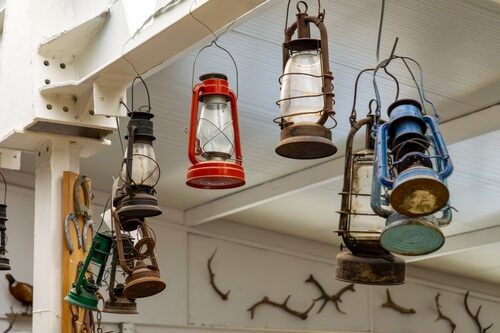
Old factory lamps, scissor sconces, and machinist lights are flea market gold. Dealers pounce on these because they blend beautifully with modern loft aesthetics. Authentic ones are made from heavy cast iron or steel, with worn enamel and intact wiring mounts. The reproductions flooding online can’t replicate that weight or age.
Pros often check under the base for manufacturer markings—names like Benjamin or Holophane add instant value. Even rusted examples are worth saving because collectors love a bit of industrial grit. These fixtures clean up remarkably well, and a simple rewiring can make them sell-ready. It’s a favorite flip category for anyone with an eye for form and function.
2. Mid-Century Modern Chairs
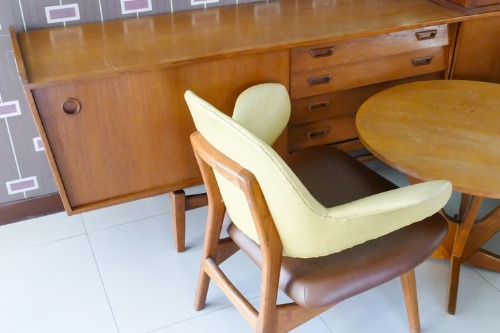
Dealers spot the clean lines and solid craftsmanship of mid-century chairs from a mile away. Original pieces from designers like Eames or Hans Wegner can fetch thousands, especially if they still have their original hardware. Even unmarked chairs are worth picking up because many mid-century makers didn’t label their work. Dealers know that the patina, joinery, and materials tell the real story.
They grab these before casual shoppers because restoration is relatively simple—fresh fabric and light refinishing can revive their value instantly. Plus, mid-century furniture continues to trend in both design circles and TV shows, fueling demand. When you see a wooden chair with tapered legs and curved arms, assume a pro’s already circling. The irony is that these pieces once filled offices and cafeterias; now they’re statement art.
3. Vintage Pyrex Dishes
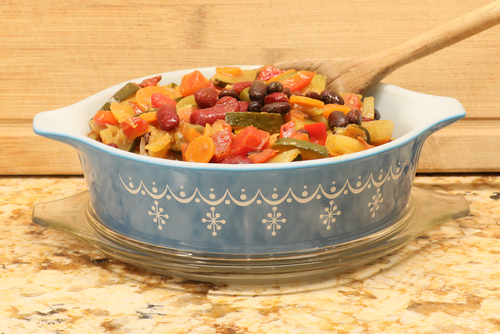
Collectors go wild for mid-century Pyrex, and dealers know which patterns matter most—Butterprint, Gooseberry, and Friendship, for starters. These glass bowls and casseroles might look like kitchen clutter to the untrained eye. But color consistency, pattern clarity, and matching lids can turn a $10 find into a $100 sale. Dealers often bring a quick-reference guide or memorize pattern years to confirm authenticity on the spot.
They also check for wear on the paint since dishwasher damage drastically cuts value. Some pros even carry microfiber cloths to test surface integrity without scratching. It’s not just nostalgia; Pyrex symbolizes durability and postwar design optimism. When you see someone hovering over the cookware table, they’re probably hunting for these treasures.
4. Sterling Silver Flatware
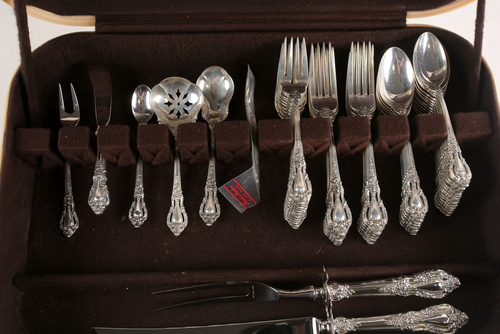
At first glance, old silverware just looks tarnished—but dealers see a glint of profit. They know the difference between silver-plated and sterling, usually confirmed by markings like “925” or “Sterling.” Whole sets can be worth hundreds, and even odd pieces sell for melt value. The weight and feel of sterling give it away instantly to experienced hands.
Dealers also love the design element—Art Deco or Victorian motifs can make pieces more desirable. They often keep small magnets in their pockets, since sterling doesn’t stick. Once polished, these utensils look stunning in display photos or resale listings. That’s why you’ll see them snapped up within minutes of hitting the table.
5. Vintage Levi’s Jeans
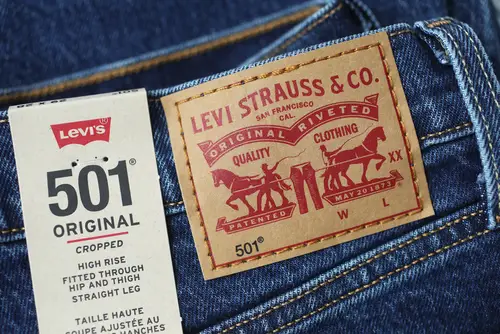
Denim hunters scour flea markets for Levi’s with the coveted “Big E” on the label, produced before 1971. Dealers love them for their thick selvage denim and natural fading that modern jeans can’t imitate. Even heavily worn pairs are valuable, especially if the red tab or rivets are intact. Some resellers specialize exclusively in vintage denim because of its cult following.
They also know specific details—the arcuate stitching, hidden rivets, and paper tags that date production precisely. Authenticity can mean hundreds in profit, so they move fast. Jeans that once sold for a few bucks now end up in curated vintage shops or Japanese denim markets. It’s a reminder that not all treasure glitters—sometimes it fades beautifully.
6. Oil Paintings (Especially Signed Ones)

Dealers never walk past a stack of old paintings without flipping through. Even if the frame looks beat, a recognizable signature or good technique can mean serious value. Many buyers don’t realize how often real art ends up in flea markets from estate sales or storage cleanouts. Trained eyes look for canvas texture, brushwork, and aging varnish.
Pros love that art resale has a wide market—from decorators seeking ambiance to collectors chasing names. A painting signed by a lesser-known regional artist can still earn hundreds. Dealers also recognize when frames alone are valuable, especially ornate gilded ones. Art is one of those categories where expertise really pays off.
7. Vinyl Records
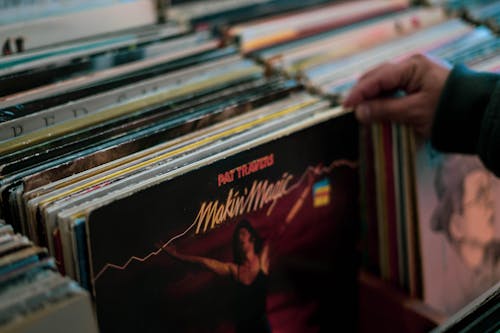
While casual shoppers dig for nostalgia, dealers hunt for specific pressings and labels. Original runs from artists like The Beatles, Blue Note jazz musicians, or early punk bands can be worth hundreds. The secret is in matrix numbers etched into the record and condition of both vinyl and sleeve. They know which ones to grab without hesitation.
Dealers often carry portable record players or flashlight apps to check scratches. Even less-famous albums in rare genres—like early reggae or Krautrock—can bring big profits online. Many pros grew up collecting, so their instincts are fine-tuned. If you see someone flipping through bins at lightning speed, they probably know exactly what they’re looking for.
8. Bakelite Jewelry
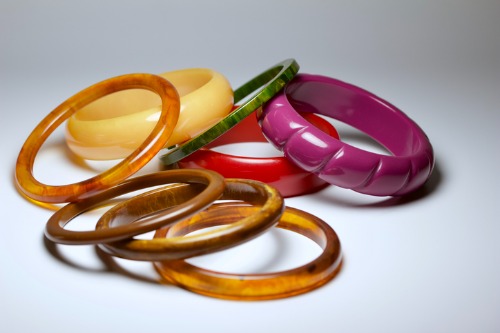
Those chunky, colorful bracelets and brooches from the 1930s are hot collectibles. Dealers can identify genuine Bakelite by smell, touch, or the classic “rub and sniff” test, which releases a faint formaldehyde scent. True Bakelite has a distinct weight and warmth that plastic imitators can’t match. The most desirable pieces feature carved designs or marbled colors.
These accessories attract collectors who appreciate their Art Deco charm. Prices can soar depending on rarity and hue—cherry red and butterscotch are top picks. Dealers often scoop them up before they even make it to display trays. They know that one good piece can pay for the whole day’s haul.
9. Old Typewriters
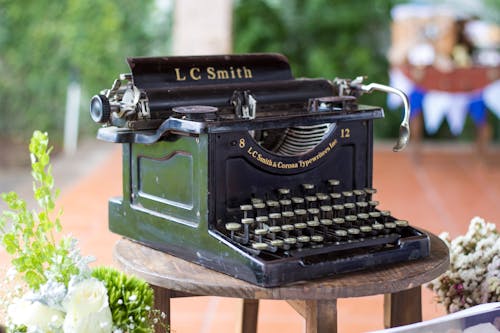
Rusty or not, vintage typewriters have loyal fans among writers, collectors, and decor enthusiasts. Dealers search for brands like Royal, Underwood, or Hermes, checking that keys move smoothly and ribbon spools are intact. A working machine from the 1940s can sell for hundreds online. Even non-functioning ones make striking display pieces.
They often test them quickly by typing a few letters and listening for mechanical rhythm. Original cases and color variations, like mint green or robin’s-egg blue, increase value. Dealers also know that restoration costs are low compared to resale prices. These machines combine nostalgia and craftsmanship in one clacking package.
10. Antique Mirrors
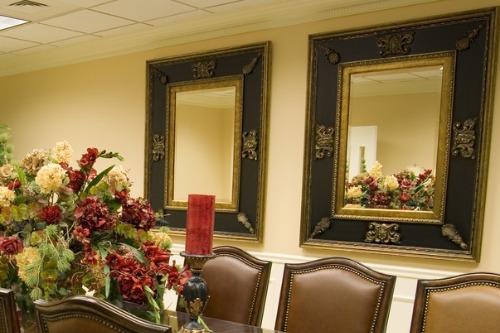
Dealers have a soft spot for mirrors with foxing—that silvery patina that forms with age. To most people, it looks like damage; to dealers, it’s authenticity. They check the back for wood panels and hand-cut glass edges, telltale signs of pre-1900s craftsmanship. Even chipped frames can fetch a premium if the design’s intricate.
Antique mirrors photograph beautifully for resale, which makes them quick movers online. Decorative styles like Rococo or Federal are especially sought after. Dealers also know that reproductions often use modern screws or flat glass, so they look underneath for the details. It’s part science, part instinct.
11. Stoneware Crocks

Those hefty beige crocks with cobalt blue designs aren’t just rustic decor—they’re highly collectible. Dealers identify value by maker’s marks, often stamped or incised near the rim. Stoneware from makers like Red Wing or Fort Edward can bring impressive returns. The artistry in the brushwork adds another layer of appeal.
Because they’re durable, crocks survive decades of use and storage, making them perfect resale pieces. Dealers love their versatility—kitchen storage, planters, or simply display items. Larger sizes are harder to find, so they sell fastest. Whenever one appears at a flea market, it rarely sits long.
12. Vintage Tools
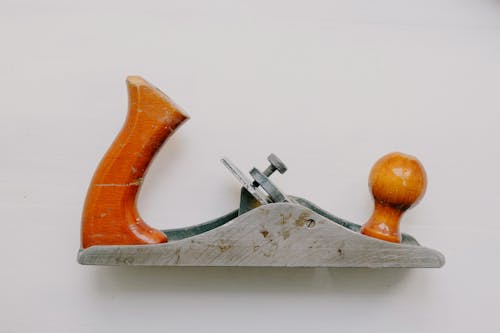
Old hand tools—planes, wrenches, and chisels—hold more than just nostalgia. Dealers prize them for their quality steel and handmade precision, especially brands like Stanley or Millers Falls. These tools were built to last and often outperform modern equivalents. The right piece, cleaned and oiled, can draw serious collector interest.
Dealers know what to look for: intact handles, crisp logos, and patent dates. Some even specialize in restoring tools for display or reuse. They also appreciate the crossover appeal—woodworkers and decorators both buy them. It’s one of the rare flea market finds that pleases both art lovers and craftsmen.
13. First Edition Books
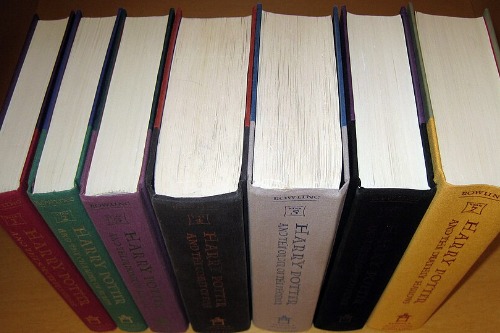
Dealers always check the spine and title page of old books for edition info. A first printing of a classic novel can be worth thousands, even without a dust jacket. They know the subtle cues—publisher’s address, misspellings, or lack of later printing notes—that separate a true first from a reprint. Some dealers memorize reference lists for major authors.
Condition still matters, but scarcity trumps perfection in many cases. Dealers often carry acid-free sleeves to protect valuable finds immediately. Signed copies or association copies add another layer of allure. A $2 book in a bin could quietly be a retirement plan in disguise.
14. Vintage Barware
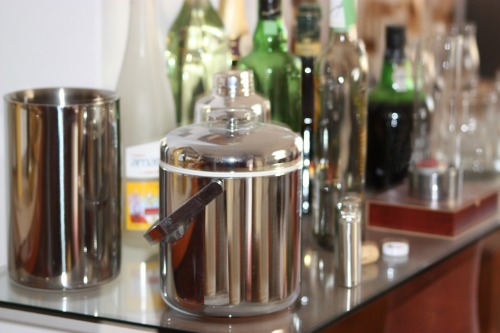
Think etched martini glasses, silver cocktail shakers, and atomic-era ice buckets. Dealers adore vintage barware because it merges design and lifestyle appeal. Authentic 1950s sets with bold graphics or Bakelite handles are always in demand. Even single glasses can sell quickly if the pattern is rare.
They often pick up tarnished shakers or partial sets, knowing collectors will pay for completeness later. Mid-century cocktail culture has made these pieces staples in retro-themed bars and photo shoots. Dealers clean and stage them beautifully for resale. It’s a toast to both history and style.
15. Early Electronics
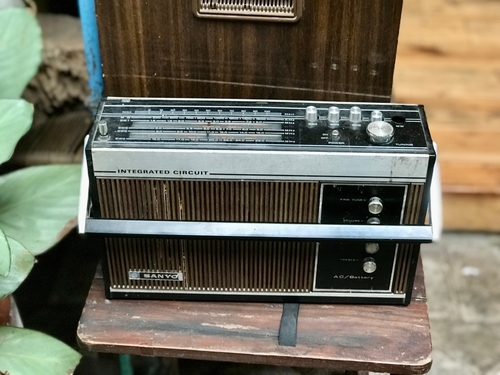
Old radios, tube amps, and analog cameras still draw tech-savvy dealers. They love the combination of design and innovation in these pre-digital devices. Brands like Zenith, Leica, and RCA are instant signals of value. Even non-working models can serve as parts donors or decor pieces.
Dealers check for original knobs, labels, and tubes, which often indicate untouched condition. Restoration communities online make resale easier than ever. The warm hum of vintage electronics also has emotional pull for collectors. That’s why you’ll see experts inspecting wires while others walk right past.
16. Folk Art Pieces
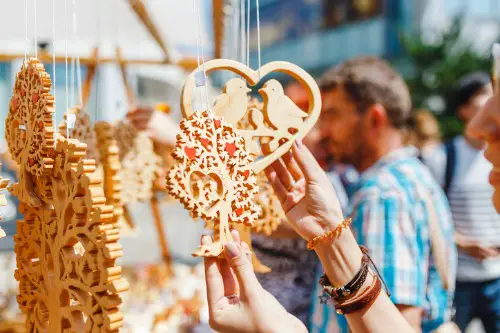
Handmade carvings, signs, or painted figures often look rough—but dealers recognize authenticity in imperfection. Folk art reflects regional culture and individuality, making it highly collectible. Dealers look for hand-tool marks, aged paint, and naive but expressive craftsmanship. A single unique figure can rival fine art prices.
They love that no two pieces are alike, and provenance often adds intrigue. Folk art also fits current design trends that favor character over polish. Dealers buy instinctively, guided by years of studying style and age clues. What others see as “weird,” they see as one-of-a-kind history.
This post 16 Flea Market Pieces That Dealers Snatch Before Anyone Else Notices was first published on Greenhouse Black.
